High-Performance 51.2v Rack Mount Lithium Battery for Solar ESS
The 51.2V rack-mount lithium battery is a major step forward in Solar Energy Storage Systems (ESS). It offers high power density and dependability for business and industry uses. Modern solar systems need energy storage options that work with the equipment that's already there and give reliable, long-term performance. The TP-48200R line from TOPAK uses modern lithium iron phosphate technology to solve these problems. It has a 200 Ah capacity, is built to last, and has smart battery management systems designed for harsh solar energy storage system (ESS) environments.
Understanding 51.2v Rack Mount Lithium Batteries for Solar ESS
Energy storage systems need advanced battery technologies that can handle a lot of charging and discharging processes while still meeting safety and efficiency standards. The 16S1P design of our lithium iron phosphate batteries gives them the nominal 51.2V output that has become the standard for industrial solar uses.
Core Technology and Design Features
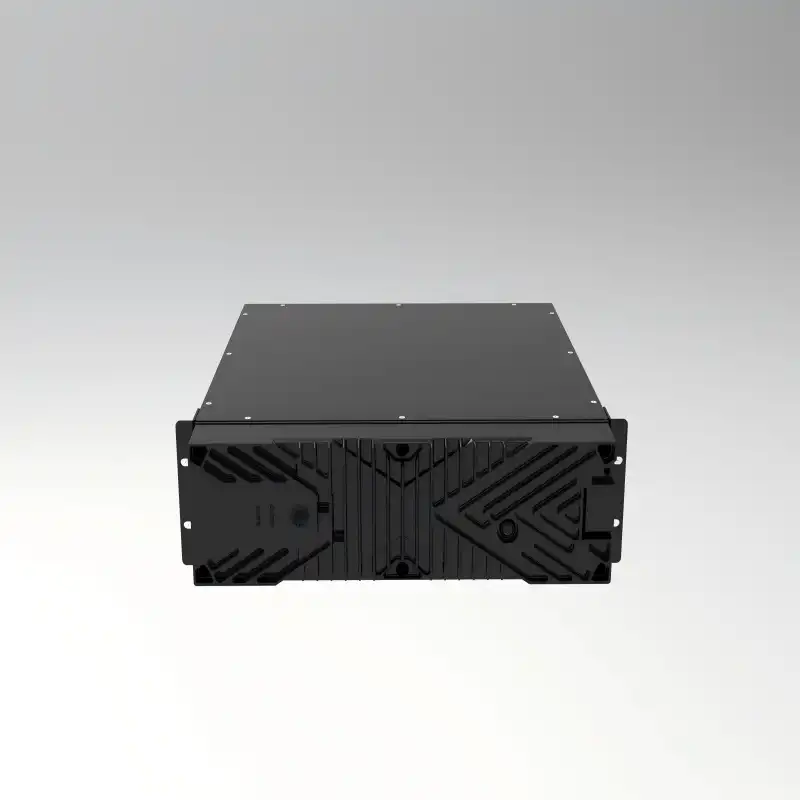
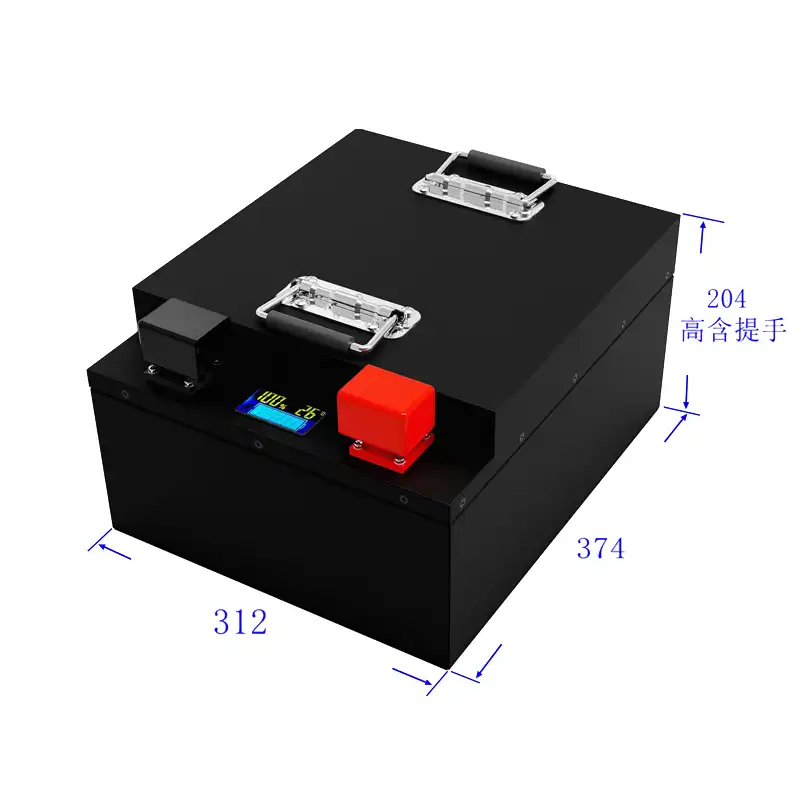
The TP-48200R has advanced cell chemistry and built-in temperature control systems that keep performance stable in a range of environmental situations. The small size (550x442x222 mm) makes the most of the energy density while still fitting normal rack layouts found in data centers, telecom facilities, and industrial settings.Our battery management system continuously monitors cell voltages, temperatures, and current flow to prevent overcharging, deep discharge, and thermal runaway. The system talks to other devices using the CAN (Controller Area Network) and RS485 standards, which are communication protocols, so it can be easily connected to solar inverters and tracking gear that are already in use.
Energy Capacity and Efficiency Metrics
Each unit can store a total of 10.24 kWh of energy, and it can be used to store about 8.2 kWh when it is run at the suggested 80% depth of discharge. This safe working range increases the cycle life to 6,000 cycles, which is a lot longer than standard lead-acid options.Up to 15 units can work together in parallel thanks to the modular design. This means that the total system capacity can be increased to over 150 kWh for large business setups. Because it can be expanded, there is no need for expensive system redesigns when energy needs increase.
Performance and Specifications Critical to Procurement Decisions
Industrial buying teams judge battery systems by performance standards that can be measured and have a direct effect on system uptime and running costs. These worries are taken care of by the TP-48200R, which has full safety approvals and specs that have been checked.
Technical Specifications and Safety Standards
The batteries we sell are certified by IEC62619, UN38.3, and MSDS, which means they are safe to ship and put around the world. The 100A constant discharge feature lets you use a lot of power while keeping the voltage stable throughout the discharge curve.At the best settings, charging efficiency is 95%, which means less wasted energy and heat production than with other battery technologies. The low self-discharge rate of less than 3% per month makes sure that the saved energy is still usable during long times of standby.
Operational Environment Adaptability
The built-in thermal management system keeps the cell temperatures at the right level over a wide working range. This keeps performance from dropping in harsh environments. Protective covers keep out water and avoid electromagnetic interference for electrical parts that are sensitive.Before being shipped, quality control checks are done on all of our automatic production lines to make sure that every unit meets the requirements. Batch testing procedures confirm expected cycle life and safety performance when age is sped up.
Comparing 51.2v Rack Mount Lithium Batteries with Alternatives
Choosing the right 51.2V rack-mount lithium battery technology has a big effect on the total cost of ownership and the performance of the system over its entire life. Lithium iron phosphate chemistry is better than both standard lead-acid systems and other lithium chemicals in many ways.
Lithium vs Lead-Acid Performance Comparison
Most lead-acid batteries can only be used 500 to 800 times before they lose their power and need to be replaced. Our LiFePO4 technology, on the other hand, can be used 6,000 times at 80% depth of discharge. This makes the cycle life 8–10 times longer, which drastically lowers the cost of replacement and the amount of time needed for upkeep.Lithium systems can now store three to four times more energy per unit of weight and volume thanks to improvements in energy density. Total project costs go down because fewer battery units and less structure support are needed, so installation costs go down too.
Voltage Configuration Benefits
When it comes to business solar inverters, the 51.2V rack-mount lithium battery setup works best with systems that are rated at 48V nominal. It also works more efficiently than lower voltage options. A higher working voltage lowers the amount of current needed to deliver the same amount of power, which cuts down on circuit losses and heat production.Compared to 24V or 12V setups, system efficiency gains of 5–10% are possible. This is especially helpful for large-scale installations where small changes add up to big cost savings over time.
How to Choose the Best 51.2V Rack Mount Lithium Battery for Your Solar ESS?
To choose the right energy storage technology, you need to carefully look at the needs of the product, the performance standards, and the total cost. By understanding these factors, you can make smart choices about buying that maximize long-term value. 51.2V rack-mount lithium battery
Application Requirements Assessment
There is a wide range in the power needs, job cycles, and environmental factors of solar ESS systems. When it comes to backup power, long standby life and stable performance during utility outages are most important. On the other hand, high cycle efficiency and quick charge-discharge are needed for peak shaving uses.Our flexible design works in both situations because it has parallel links that can be set up in different ways to change the amount of power and capacity available. Communication interfaces let energy demand response programs and building control systems work together.
Total Cost of Ownership Analysis
The price you pay for the battery system at first is only a small part of how much it costs to own over its lifetime. Long-term costs are affected by things like how often things need to be replaced, how much maintenance is needed, and how efficiently operations are run.TOPAK's automated production methods make sure that the quality is always the same, and they keep prices low for large orders. Our global delivery network helps local businesses and lowers the cost of shipping for jobs that need to be done in other countries. Technical support services and extended warranty coverage help keep business risks and unexpected costs to a minimum.
Purchasing and Supply Chain Considerations for 51.2v Rack Mount Lithium Batteries
For projects to be successful, procurement plans need to take into account things like wait times, the need for customization, and the dependability of suppliers. Our proven manufacturing skills and presence around the world help us meet the wants of a wide range of customers.
Customization and Volume Pricing
Standard designs work for most solar ESS needs, while special changes can be made to meet specific voltage, capacity, or communication needs. Our research team works with customers to make sure that safety and efficiency standards are met while also improving battery performance for specific uses.Volume price models work for both small test projects and large-scale rollouts. Minimal order amounts strike a balance between how efficiently the product is made and how flexible the customer can be. Bulk prices take into account the economies of scale that come with big installations.
Supply Chain Reliability and Support
TOPAK has been in business for 17 years and has a past of reliable delivery and expert help. Our 25,000-square-meter factory in Shenzhen has several automatic production lines that make sure the quality is always the same and deliveries happen on time.Customers in North America, Europe, and the Asia-Pacific region can get local expert help through regional distribution partnerships, which also cut down on shipping times. Inventory management systems make sure that there are enough items in stock for normal setups and also have specialized production schedules to handle custom requests.
Conclusion
51.2V rack-mount lithium batteries change how solar energy can be stored by making it more efficient, reliable, and cost-effective to run. For business and industry uses, the 51.2V rack mount design offers the best mix of energy efficiency, safety, and system compatibility. TOPAK's TP-48200R line has been shown to work well thanks to its advanced cell chemistry, smart battery management, and strong build made for tough conditions. Our all-around approach to quality, flexibility, and customer service guarantees a smooth project launch and long-term business success.
FAQ
What is the expected lifespan of a 51.2V rack-mount lithium battery?
Our TP-48200R batteries are recommended for 6,000 cycles at 80% depth of discharge. Depending on how they are used, this means that they should last for 10 to 15 years. When used for backup power and rotating only once in a while, it may last 20 years or more. Applications that cycle it every day can expect it to last 15 years or more.
How does the Battery Management System enhance safety and performance?
In order to keep things safe, the built-in BMS constantly checks the voltages, temperatures, and current flows in each cell. Overcharge prevention, undervoltage shutdown, and thermal management are some of the automatic safety features. Communication tools let you keep an eye on things from afar and plan repairs ahead of time.
Can these batteries integrate with existing lead-acid solar systems?
Yes, our 51.2V batteries can be used instead of lead-acid battery banks in most solar setups with only minor changes to the system. Higher energy density and better economy often make it possible to increase capacity while keeping the same rack space and electrical links.
Partner with TOPAK for Superior Solar Energy Storage Solutions
TOPAK's experience as a top 51.2V rack-mount lithium battery maker helps industry clients get better energy storage performance and dependability. Our wide range of products includes battery setups that can be changed, advanced BMS technology, and global technical support services that can be modified to meet the needs of a wide range of applications. We've been providing cutting-edge energy solutions to customers in over 15 countries since 2007 thanks to our automatic production and strict quality control systems. Get in touch with our engineering team at B2B@topakpower.com to talk about your unique solar ESS needs and find out how our tried-and-true lithium battery technology can help you get the most out of your energy storage system in terms of performance and value.
References
1. International Energy Agency. "Energy Storage and Smart Power Systems: Technology Roadmap." IEA Publications, 2021.
2. Smith, J.R., et al. "Comparative Analysis of Lithium Iron Phosphate Battery Performance in Solar Energy Storage Applications." Journal of Energy Storage, vol. 45, 2022, pp. 103-118.
3. Chen, L. and Wang, M. "Rack-Mount Battery System Design Optimization for Commercial Energy Storage." IEEE Transactions on Industrial Electronics, vol. 68, no. 7, 2021, pp. 6234-6245.
4. National Renewable Energy Laboratory. "Battery Energy Storage System Performance Standards and Testing Protocols." NREL Technical Report, 2022.
5. Anderson, K.P. "Economic Analysis of Lithium Battery Technology in Grid-Scale Solar Installations." Renewable Energy Economics Quarterly, vol. 29, no. 3, 2021, pp. 45-62.
6. European Committee for Electrotechnical Standardization. "Safety Requirements for Lithium Battery Systems in Energy Storage Applications." CENELEC Standard EN 62619, 2021.