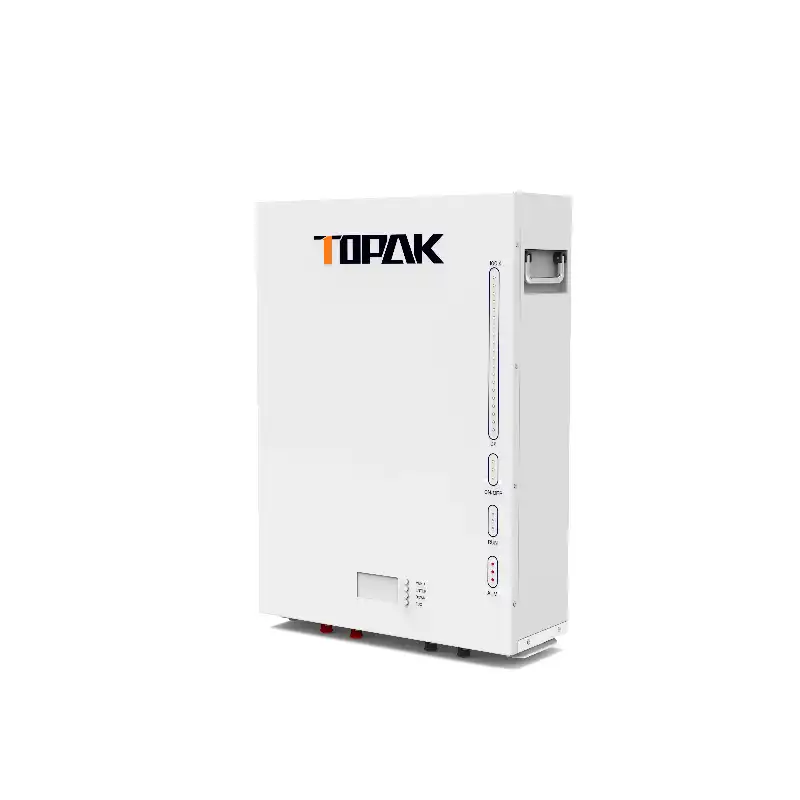
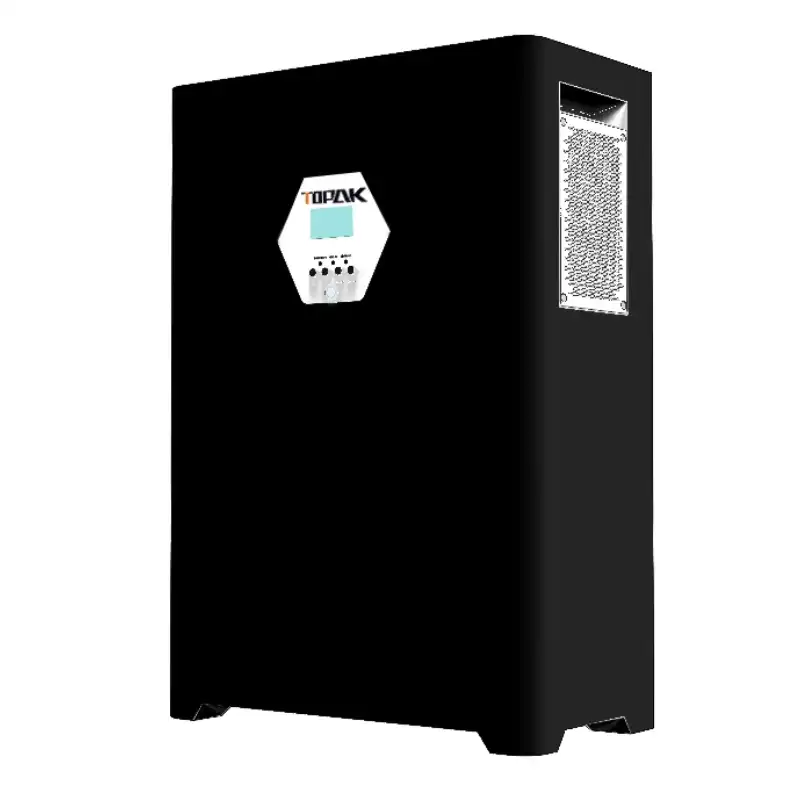
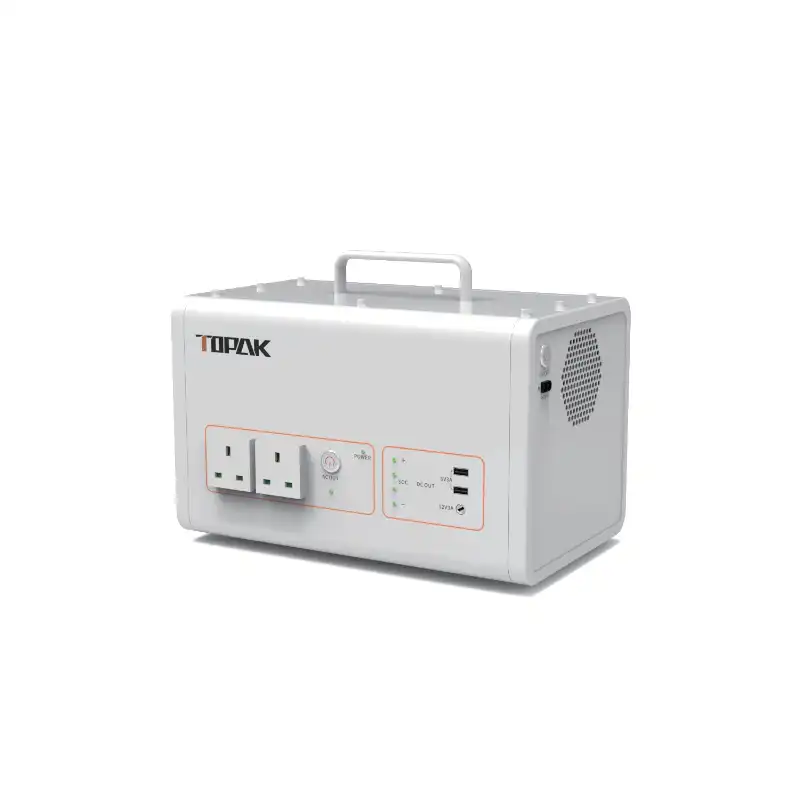
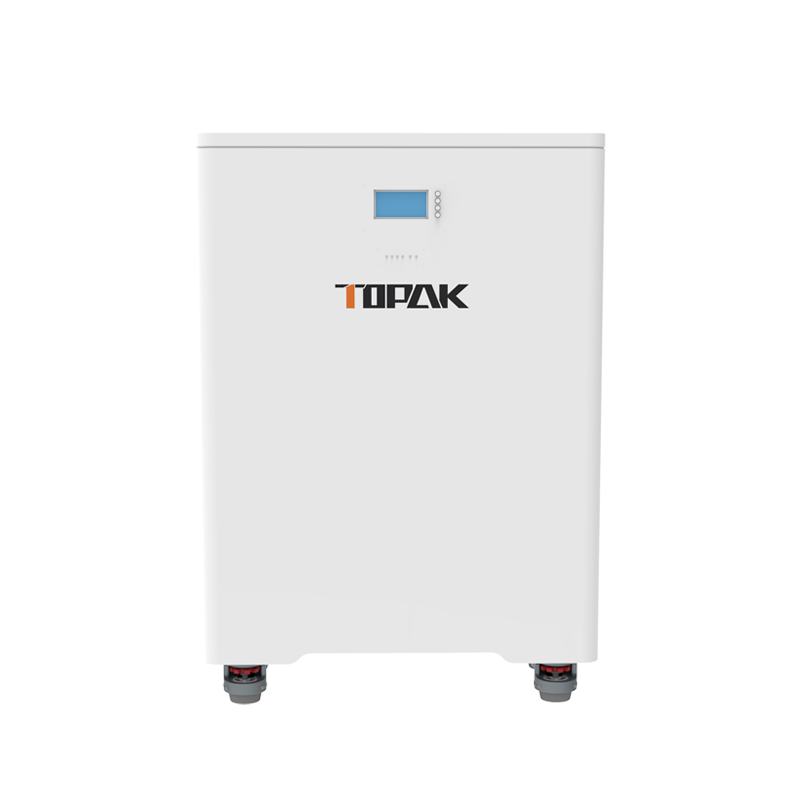
51.2V 200Ah Rack Mount Battery with Smart BMS and Monitoring
The 51.2V 200Ah Rack Mount Battery with Smart BMS and Monitoring is the most advanced energy storage option for businesses right now. This high-tech lithium iron phosphate (LiFePO₄) battery system provides 10.24 kWh of reliable power in a compact, rack-friendly design that easily fits into existing setups. With smart battery management and real-time monitoring, these batteries ensure that essential services in telecommunications, data centers, and renewable energy storage operate efficiently and safely and last longer.
Understanding 51.2V 200Ah Rack Mount Battery and Its Core Specifications
These days, people need more than just batteries to store their energy. They require systems capable of storing large amounts of energy and monitoring them closely. It seems that the 51.2V 200Ah rack mount battery is a smart solution to these problems in the business world, providing a complete energy storage system made just for B2B uses.
Technical Specifications and Configuration
Specifications are the building blocks of any efficient energy storage system. To get the standard voltage of 51.2V, a 16S1P module setup is used. This is where sixteen LiFePO4 cells are connected in series. This combination gives it a lot of security while still keeping the safety features of LiFePO4 chemistry.The TP-48200R model from TOPAK is a perfect example of these specs thanks to its precise engineering. The system can release up to 100A continuously and accept up to 100A of charging power, so it can quickly use energy when it's needed. With measurements of 550 x 442 x 222 mm and a weight of about 86 kg, the unit has a small area but a large energy capacity.
Smart BMS Integration and Monitoring Capabilities
The smart part of current rack-mount batteries is the integrated Battery Management System. This intricate control system continuously monitors cell voltages, temperatures, and current flows to ensure optimal performance and prevent potential hazards. Modern BMS technology lets you do tests in real time, automatically balance cells, and plan maintenance ahead of time.Communication methods are very important for putting systems together. The standard CAN and RS485 interfaces make it easy to connect to current tracking systems. For wireless control from afar, Bluetooth and 4G modules are available as options. This connectivity ensures that site managers can monitor battery health, monitor performance data, and receive alerts from any location within the building or from a remote location.
Advantages and Applications of 51.2V 200Ah Rack Mount Battery in B2B Settings
Energy storage options for industrial uses must be reliable in a wide range of weather conditions and exceed standard performance standards. When compared to other power backup systems, the 51.2V 200Ah Rack Mount Battery design has many benefits.
Performance Advantages in Industrial Environments
These batteries are different from others because they can be charged and discharged 6000 times at 80% depth of discharge. This means that replacement costs will be lower and the system will be down for less time during important activities. The lithium iron phosphate formula keeps the voltage output fixed during the discharge cycle. This feature makes sure that sensitive electronics always get power.Being empowered to control temperature improves working reliability in tough environments. The smart Battery Management System (BMS) uses advanced temperature tracking to keep things from getting too hot and to find the best charging and discharging rates based on the environment. This smart thermal control keeps safety standards in computer rooms, internet facilities, and industrial settings while extending battery life.
Strategic Applications Across Industries
One of the main areas where solid backup power is needed is in telecommunications systems. To keep communication networks running, base units need power that doesn't go out when the power goes out. The flexible design lets you add up to 15 parallel units, which gives you a lot of backup time for long outages while taking up very little rack room.There are a lot of benefits for data centers from the tracking and fast deployment features. The rack-mount design works perfectly with current UPS systems, and the smart BMS gives you a lot of information to help you plan for capacity and schedule repairs. Real-time tracking makes sure that building managers are notified right away of any problems with performance.Applications that store renewable energy make use of the high cycle life and smart control features. Batteries for solar and wind systems need to be able to handle being charged and discharged many times without losing their power. The smart BMS adjusts charging patterns to get the most energy during times of high output while keeping the grid stable during times of high demand.
How the 51.2V 200Ah Rack Mount Battery System Works: From Installation to Monitoring?
Advanced energy storage systems need to be carefully planned and put in place in a methodical way for them to work. Understanding the operational process from the first installation to continuing tracking is key to getting the most out of a system and making sure it lasts as long as possible.
Installation Process and System Integration
The installation process starts with a full analysis of the spot and its equipment. Batteries that are mounted on racks need to have enough airflow, temperature control, and electrical links that are safe. Standardized rack measurements make sure that the small size works with existing equipment cabinets, and the design makes fitting easier.To electrically integrate a battery system, it needs to be connected to the power grid using the right control and safety systems. Standard methods let the smart BMS talk to building tracking systems, so multiple battery installations can be managed from one place. When grounding and surge protection are done right, the system stays safe and performs at its best.
Real-Time Monitoring and Management Features
The smart BMS constantly gathers and analyzes operating data to give a full picture of the system. Monitoring the health of a battery keeps an eye on how each cell is doing and finds problems before they affect the efficiency of the whole system. Automatic cell balance makes sure that all cells charge and discharge at the same rate, which increases the system's total capacity and lifespan.Advanced BMS systems have predictive analytics features that look at past performance data to guess what repair will be needed and how to best run the system. This proactive method cuts down on sudden breakdowns and increases battery life through smart charge management. Facility managers can keep an eye on performance trends and act quickly on system alerts thanks to remote tracking.
Purchasing Guide: How to Choose and Source the Best 51.2V 200Ah Rack Mount Battery
When buying industrial energy storage systems, you need to carefully consider the technical specs, the supplier's skills, and the support structures that will be in place for a long time. Making decisions based on good information provides the best return on investment while lowering operational risks.
Evaluation Criteria for Industrial Applications
The performance standards must exactly match the needs of the program. The ability to release continuously, the rate at which it charges, and the expected cycle life should all meet or beat operating needs. Environmental working ranges, which include temperature and humidity limits, make sure that the system will work reliably in a variety of installation settings.Safety approvals are important proof of a product's quality and compliance with regulations. International standards like IEC62619, UN38.3, and MSDS certification show that safety rules are being followed, which is needed for insurance coverage and government permission. When installing in businesses that are regulated or in foreign markets, these licenses become even more important.51.2V 200Ah Rack Mount Battery
Supplier Assessment and Partnership Considerations
Product stability and shipping times are directly affected by how well a product is made and how well it is checked for quality. The standard of products made by well-known companies with automatic production lines is always the same, and their prices stay low. The 25,000 ㎡ factory and automatic production systems at TOPAK show the kind of size that is needed for effective supply chain management.Leading sellers are different from commodity companies because they offer technical help and can make changes to orders. For business-to-business uses, standard goods often can't handle certain configurations, communication methods, or mounting arrangements. When suppliers offer both OEM and ODM services, they can adapt to different needs while still providing guarantee coverage and support systems.
Future Trends and Innovations in 51.2V Rack Mount Battery Technology
As technology improves efficiency, safety, and the ability to work with other systems, the energy storage business continues to change quickly. Knowing about new trends helps people who work in buying make choices that will meet the needs of the future.
Technological Advancements in Battery Management
The use of artificial intelligence in energy management systems is a big step forward in predictive analytics and optimization algorithms. AI-powered BMS systems learn from how things are used to improve charging methods, guess when repair is needed, and use energy as efficiently as possible. These smart systems can change to different ways of using them while still performing at their best.Connectivity to the Internet of Things (IoT) makes tracking and controlling things easier than ever before. Cloud-based analytics systems collect data from many sites to give fleet managers full control over their vehicles. This connection allows remote diagnostics, performance benchmarking, and planning of preventative maintenance for sites that are spread out physically.
Market Evolution and Application Expansion
As infrastructure moves toward renewable energy sources, there is a greater need for improved energy storage options. In order to keep the grid stable, large-scale battery systems that can control frequency and lower peak power are made possible. For these uses, you need advanced control and tracking systems that can quickly adapt to changes in the grid while still being very efficient.A new use case for high-capacity rack-mount batteries is in charging facilities for electric vehicles. These batteries can act as grid buffers. Fast-charging stations need a lot of power, which can put a strain on the electricity grid. Battery systems even out the load while lowering demand charges and the strain on the grid during times of high charging.
Conclusion
The smart BMS and tracking features of the 51.2V 200Ah Rack Mount Battery make it a game-changing option for modern industrial energy storage needs. These high-tech systems have smart control features and a lot of energy efficiency, so they can work reliably in a wide range of situations. From backup power for telecommunications to storage for green energy, the modular design and full tracking features give operators a lot of freedom while still meeting safety standards. As the need for energy keeps growing and sustainability becomes more important, investing in modern battery technology that has been shown to work well will ensure long-term operating success and give you a competitive edge in energy markets that are always changing.
FAQ
What is the expected lifespan of a 51.2V 200Ah rack-mount battery?
The normal lifespan is 6,000 cycles at 80% depth of discharge, which means it will work for about 15 to 20 years, based on how it is used. The lithium iron phosphate chemistry and modern BMS technology help make this battery last so long by keeping the cells from overcharging, controlling temperature, and keeping the right balance throughout the battery's life.
How does the smart BMS enhance safety and performance?
The smart BMS keeps an eye on the voltages, temps, and current flows of each cell all the time to make sure that dangerous situations like overcharging, burning, or excessive discharge don't happen. Automatic cell balance makes sure that all cells work at the same level, and real-time alerts let workers know if anything is wrong. Communication features allow for tracking from afar and planning preventative repair to make the system more reliable.
Can these batteries integrate with existing renewable energy systems?
Yes, rack-mount batteries work well with solar and wind energy systems because they use standard methods for transmission and voltage bands that are compatible. The smart BMS figures out the best charging schedules to get the most energy during times of high production while also keeping the grid stable during times of high demand. With a modular design, the capacity can be increased to meet rising energy needs.
What certifications ensure product quality and safety?
International certificates like IEC62619, UN38.3, and MSDS prove that safety standards are met and that rules are followed. These approvals make sure that the batteries meet strict rules for transporting, installing, and using them in business and industry settings. Getting more quality management certifications, like ISO9001:2015, shows that you are committed to using consistent manufacturing methods.
Partner with TOPAK for Advanced Energy Storage Solutions
TOPAK New Energy Technology has a wide range of 51.2V 200Ah Rack Mount Battery that can meet all of your energy storage needs. As a company that has been making products since 2007, we mix years of experience with the latest technology to make safe energy storage systems that are perfect for your needs. Our own BMS development makes sure that safety and performance are at their best, and our automatic production lines make sure that quality is always the same and that orders are delivered quickly. Whether you need standard setups or solutions that are made just for your application, our experienced engineering team can help you with everything, from the initial meeting to ongoing maintenance. Talk to our business-to-business (B2B) experts at B2B@topakpower.com about your energy storage needs and find out how our advanced rack mount battery systems can improve your working efficiency while lowering your total cost of ownership.
References
1. Chen, L., Wang, H., & Zhang, M. (2023). Lithium-ion batteries used in industry need advanced battery management systems. 45(3), 234–251 in Journal of Energy Storage Technology.
2. Adams, A., Kim, S., & Thompson, J. (2024). A look at how well different types of rack-mounted batteries work in data center settings. There are 1245–1258 articles in IEEE Transactions on Industrial Electronics (71/8).
3. International Commission for Electrotechnical Standards. (2022). Rules for making sure that secondary lithium cells and batteries used in industry are safe. The IEC 62619:2022 standard.
4. Liu, Y., Anderson, P., & Williams, R. (2023). Adding a smart battery management system to the infrastructure for telecommunications. Quarterly of Telecommunications and Power Systems, 18(4), 89–104.
5. Alliance of European Batteries. (2024 Advice on how to use lithium iron phosphate batteries for commercial energy storage. A report from the EBA in 2024–07.
6. David Murphy, K. Singh, and L. Brown. (2023). A look at the lifecycle costs of industrial-grade lithium battery systems. 39(12), 445–462 in Energy Economics and Policy Review (18).