Lifepo4 battery 12v 20ah with IP65 Protection for Outdoor Use
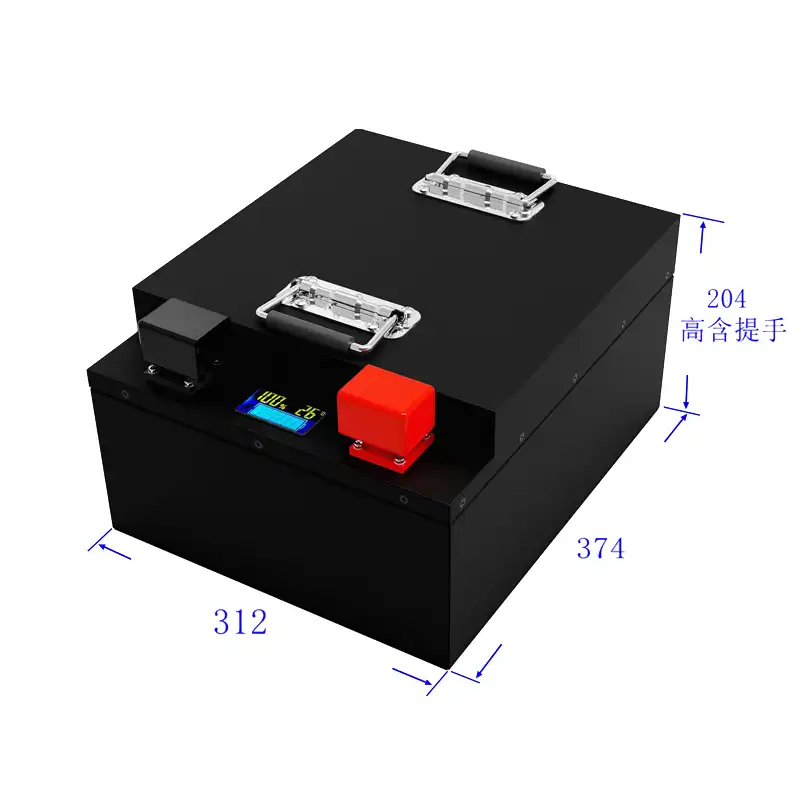
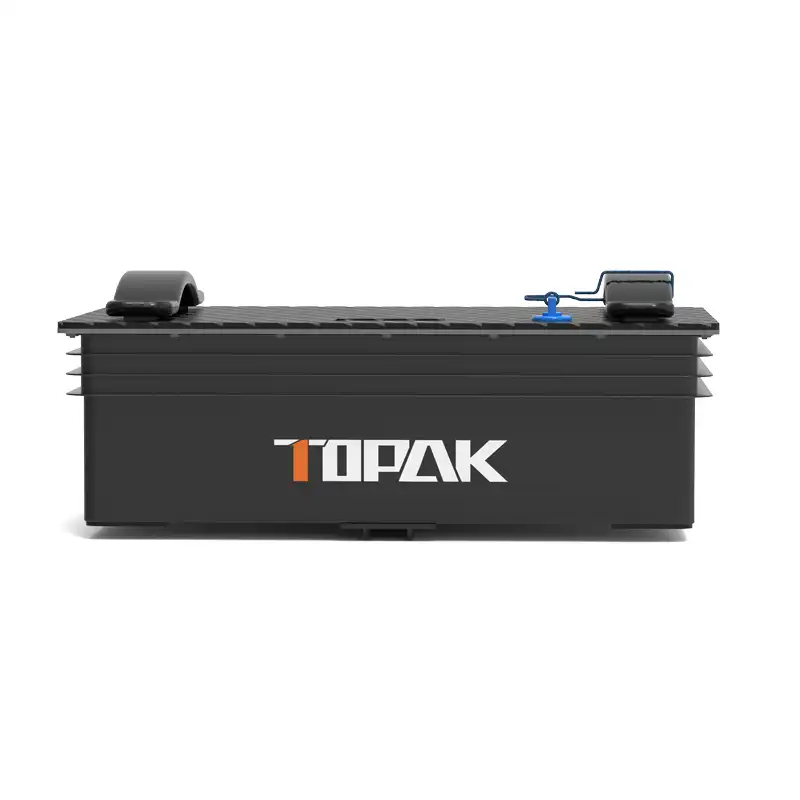
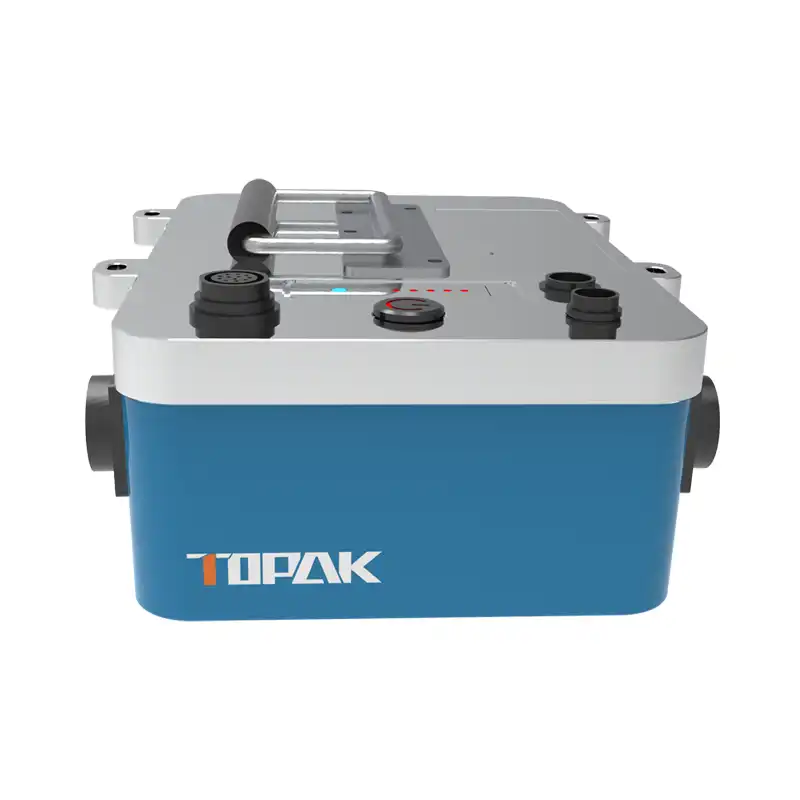
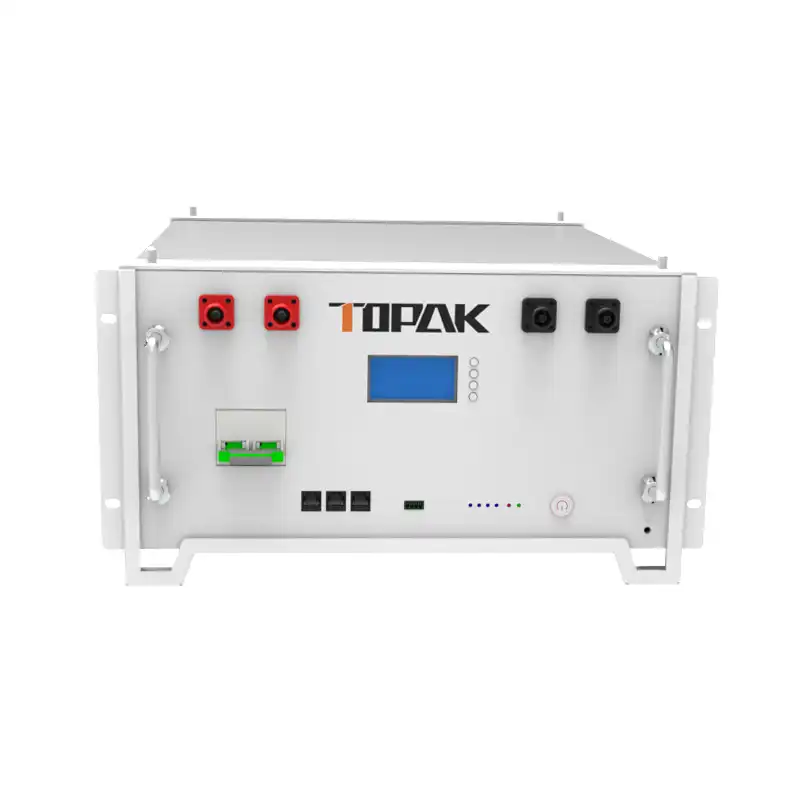
The LiFePO4 battery 12V 20Ah with IP65 security is a big step forward in outdoor power options. It combines lithium iron phosphate chemistry with dust- and waterproof housings. These high-tech batteries have a 256 Wh capacity and meet the highest safety standards. They are also resistant to environmental problems. Because they can be used over and over again and are resistant to moisture, dust, and high temperatures, they are the first choice for companies that make industrial equipment, people who build energy storage systems, and people who need stable, long-term power options outside.
Understanding LiFePO4 Battery 12V 20Ah with IP65 Protection
As technology improves, modern industrial uses need power options that can work reliably in harsh weather conditions. Lithium iron phosphate has become the best way to deal with these tough situations.
Core Technology and Chemistry
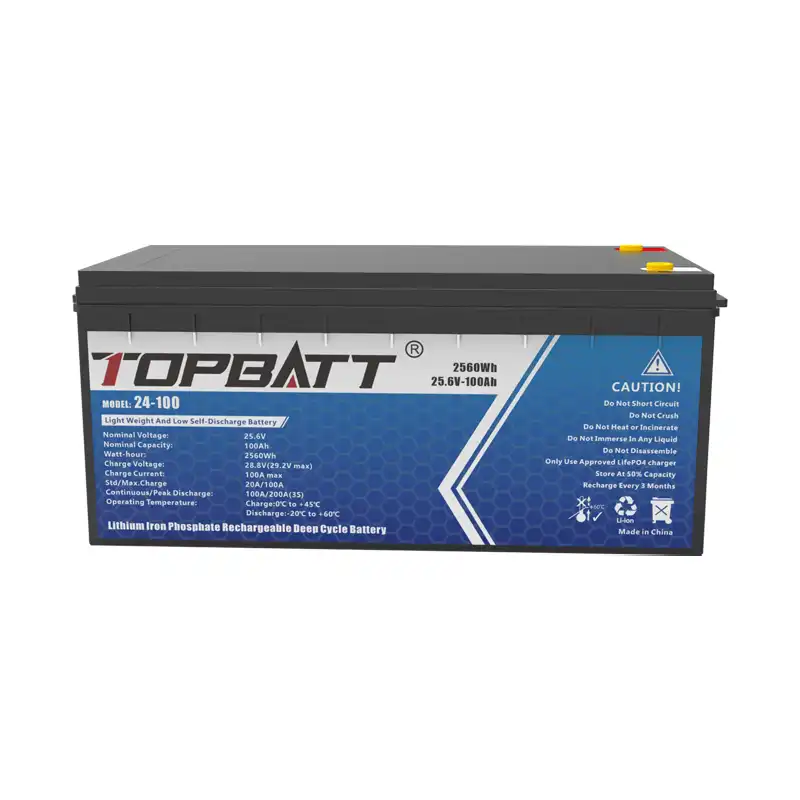
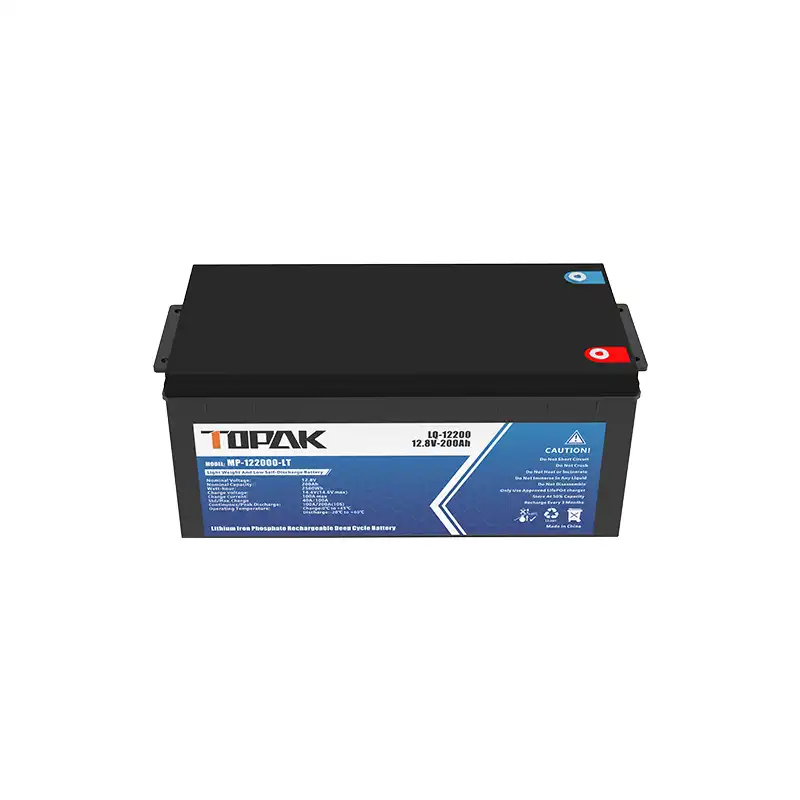
The LiFePO₄ battery 12V 20Ah uses iron-phosphate cathodes to make molecule shapes that are naturally stable. Unlike most lithium-ion batteries, this one doesn't let the temperature get too high, even when it's under a lot of stress. With a standard voltage of 12.8V and a capacity of 20Ah, it can provide 256Wh of usable energy, making it useful for a wide range of uses, from solar storage systems to industrial automation equipment.The IP65 grade means that it is completely resistant to dust and water jets coming from all directions. This waterproof case keeps the battery safe in outdoor settings that are constantly exposed to rain, snow, dust storms, and changes in temperature.
Technical Specifications and Performance Metrics
TOPAK's 12.8V 20Ah LiFePO4 battery has amazing performance features that make it stand out from other power sources. There is a maximum constant discharge value of 30A, which is enough power for high-demand uses. The built-in Battery Management System (BMS) protects against overvoltage, overcurrent, short circuits, and temperature changes.The operating temperature range is from -20°C to 60°C, so it will work reliably in a wide range of weather situations. Lead-acid batteries lose 30% of their power below 0°C, but this battery keeps its 85% efficiency even when it's freezing outside.
Safety Features and Protection Systems
The built-in BMS, or Battery Management System,, or Battery Management System, keeps an eye on the temperature, current flow, and voltage of the cells all the time. When it senses danger, this smart system automatically switches off the power, safeguarding both the attached equipment and the battery. The UL1642 approval proves that LiFePO4 chemistry is non-flammable, which eliminates the risk of explosion that comes with other lithium-ion types.There are many layers of safety in safety measures, such as tracking at the cell level, safety circuits at the pack level, and thermal management systems. Because of these qualities, the battery can be used in tight areas and for things where safety is essential, like medical devices and phone equipment.
Comparing LiFePO4 12V 20Ah with Other Battery Types for B2B Applications
Industrial procurement teams have to make hard choices. Knowing the pros and cons of the different battery types helps improve both performance and value for money.
Performance Analysis Against Traditional Technologies
For decades, lead-acid batteries have been the standard in industry. However, their flaws become clear in harsh outdoor conditions. A typical 20 Ah lead-acid battery weighs around 15 to 20 kg, while LiFePO4 options only weigh 2.5 kg. This weight decrease makes fitting easier and lowers the support needs for mounting systems, which is particularly advantageous in applications where weight is a critical factor, such as in portable devices or electric vehicles.Comparisons of cycle lives show big economic benefits. At 50% depth of discharge, lead-acid batteries usually last 300 to 500 cycles. LiFePO4 battery 12V 20Ah LiFePO4 technology, on the other hand, lasts 6000 cycles or more at 80% depth of discharge. This means that the total cost of ownership for the battery will be much cheaper over its useful life.
Energy Density and Space Efficiency
Space often limits battery choices in workplace settings. LiFePO4 batteries have three times the energy efficiency of lead-acid batteries of the same type, which lets system designers make them smaller. This efficiency is especially useful in places with limited room, such as on movable medical equipment, electric bikes, and small UPS systems.Another important benefit is that charging is more efficient. LiFePO4 batteries can be charged at up to 1C, which means that they can be fully charged in about an hour under ideal circumstances. Lead-acid batteries need 8 to 12 hours to fully charge, which makes them less useful in situations where quick results are needed.
Real-World Application Performance
LiFePO4 technology has a lot of useful benefits, as shown by solar energy systems. A 20 Ah LiFePO4 battery can power a 1000 W generator for more than two hours straight, so it can be used to power critical loads when the power goes out. Unlike lead-acid batteries, which should not be drained below 50% capacity, the 95% daily depth of discharge makes the most of the energy stored.LiFePO4 chemistry is good for marine uses because it doesn't give off any gases and doesn't react with vibrations. When traditional batteries are charged, they release hydrogen gas, which means they need venting devices that make them less weatherproof. This worry is taken away by LiFePO4 batteries, which also work better in underwater settings.
How to Select the Best LiFePO4 12V 20Ah Battery with IP65 Protection for Your Business?
To buy batteries successfully, you need to carefully look at the technical details, the supplier's skills, and the needs of the particular application. Industrial buyers have to find a mix between performance needs and price limits while also making sure that the product will last for a long time.
Technical Specification Evaluation
Different makers use very different methods for testing capacity, which makes straight comparisons hard. Suppliers you can trust give you thorough discharge graphs that show how well their products work with different temperatures and load conditions. TOPAK's automatic production lines make sure that quality control is always the same, and every battery goes through a lot of tests before it is shipped.What you need to do to get certified depends on your target market and purpose. CE marking lets you sell your batteries in Europe, and UN38.3 approval is needed to ship lithium batteries around the world. Industrial safety managers and regulatory compliance teams need MSDS paperwork to keep workers safe.
Supplier Assessment and Due Diligence
When you do a manufacturing capability assessment, you look at things like production capacity, quality control methods, and technical help tools. TOPAK's 25,000 ㎡ factory in Shenzhen has many automatic production lines that make sure the quality is always the same and that big orders are delivered quickly.Leading makers are different from assembly operations because they can build BMS systems in-house. TOPAK's tech team creates and makes their own Battery Management Systems, which give them full control over safety features, speed improvement, and system compatibility. This vertical connection makes it possible to set up the BMS in a way that works best for each application.
Customization and Engineering Support
Standard battery designs often need to be changed to meet OEM requirements. You can change the voltage levels, capacity ratings, physical measurements, and connector specs to fit the needs of your application. The tech support team at TOPAK works closely with customers to come up with the best solutions for each application.Lead times for unique setups depend on how many changes need to be made and how complicated they are. Standard changes in power and capacity usually take two to four weeks, while fully customized designs can take six to eight weeks for testing and development. Setting clear requirements early on in the buying process cuts down on development time and makes sure the best results.
Installation, Usage and Optimization of LiFePO4 12V 20Ah Batteries Outdoors
When used outside, batteries work best and last as long as possible when they are installed correctly and maintained regularly. Knowing the best ways to do things helps industry users get the most out of their investments while still following safety rules.
Installation Best Practices
The LiFePO4 battery 12V 20Ah has a big benefit in that it can be mounted in a variety of ways. LiFePO4 batteries can be placed in any direction without losing any performance, unlike lead-acid batteries that need to be upright to keep the liquid from leaking. This adaptability makes installation easier in small spaces and lets you come up with creative ways to put things.Some environmental factors to think about are controlling the temperature and making sure there is enough airflow. LiFePO4 batteries don't need active cooling like lead-acid batteries do, but performance can be affected by very high or very low temperatures. Putting batteries in shady places or protected containers helps them stay at the right temperature all year, whether it's hot or cold outside.
Charging Configuration and Optimization
Charging system compatibility makes sure that batteries work well and last a long time. Chargers for LiFePO₄ (lithium iron phosphate) batteries need to be specially made for lithium chemistry and have the right voltage and current limits. Using chargers that use lead acid can hurt LiFePO4 batteries and void the guarantee.The best way to charge is to keep the current steady at 0.5C until the voltage reaches 14.6V, then keep the voltage steady until the current goes below 0.05C. This charge plan makes sure that the full capacity is used while also maximizing cycle life. To keep lithium batteries from overcharging when there is a lot of sunlight, solar charge controls need to be set up for their specific features.
Troubleshooting and Maintenance Procedures
Monitoring speed on a regular basis helps find problems before they affect how the system works. Monitoring the voltage of the batteries while they are in use can help you figure out why their capacity is dropping and how to balance the loads. Large drops in voltage when the load is applied could mean that the internal resistance is rising, which needs to be checked by a professional.In harsh settings, keeping an eye on the temperature becomes very important. In cold weather, batteries don't work as well, and in hot weather, they lose power faster. Adding temperature adjustment to charging systems helps them keep working at their best even when the weather changes.
Future Trends and Innovations in LiFePO₄ Battery Technology for Outdoor Applications
As new technologies come out and market demand rises across many areas, the energy storage business continues to change quickly. Knowing about new trends helps companies make smart buying choices that will still be useful as technology changes.
Advanced Materials and Design Innovations
Adding silicon to anode materials could make them more energy dense while keeping the safety features of regular LiFePO₄ chemistry, which is crucial for enhancing the overall performance and longevity of smart battery technologies. These new developments could increase capacity by 20–30% within current form factors. This would allow for smaller system designs that don't lower safety or performance standards.Smart battery technologies include features for wireless tracking and repair planning ahead of time. Connectivity to the Internet of Things (IoT) lets you check on battery health, performance data, and environmental factors from afar. These features are especially useful for systems that are spread out and can't be monitored by hand because it would be too hard or too expensive.
Market Demand and Industry Applications
As the renewable energy industry grows, more and more people need safe ways to store energy. Batteries for solar and wind systems need to be able to handle daily cycles and keep working well for years at a time. LiFePO₄ technology is perfect for these uses because it has a long cycle life, which explains why it is being adopted so quickly by the market.As infrastructure for electric vehicles grows, it opens up possibilities for fixed energy storage uses. Fast-charging stations need to be able to store a lot of power, and grid stabilization services benefit from lithium battery systems' ability to respond quickly. For these uses, you need batteries that work well and have a history of stability.
Strategic Procurement Considerations
As battery technology keeps getting better, managing relationships with suppliers becomes more and more important. Working with companies that put a lot of money into research and development makes sure that you can get the newest products and keep your old systems running smoothly. TOPAK's dedication to constant improvement and customer service creates value that lasts beyond the purchase of a product.Some things to think about in the global supply chain are where to get the parts, where to make the products, and how to ship them. Established makers with a wide range of suppliers offer more supply security during lack of materials or political unrest. Local expert help makes sure that technical problems and requests for customization are dealt with quickly.
Conclusion
LiFePO4 battery 12V 20Ah with IP65 protection is the best choice for demanding outdoor uses that need long-lasting, stable power storage. When you combine lithium iron phosphate technology, full environmental safety, and smart battery management systems, you get better performance than with older battery technologies. With a life of 6000 cycles or more, a lightweight design, and excellent safety features, these batteries offer strong total cost of ownership benefits for industrial uses. TOPAK's manufacturing know-how, in-house BMS development skills, and global support network make sure that clients get high-quality products with full technical help and reliable supply chain management.
FAQ
What makes IP65 protection essential for outdoor battery applications?
With an IP65 grade, you are completely safe from dust and water jets coming from all sides. This weatherproofing keeps the batteries reliable in outdoor setups that get wet from rain, snow, dust storms, and washing. It stops moisture-related failures that happen a lot with unprotected battery systems.
How does the 6000-cycle life translate to operational cost savings?
An LiFePO₄ battery can be used for 10-15 years, while an identical lead-acid battery only lasts 1-3 years after 6000 cycles at 80% depth of discharge. This long life cuts down on repair costs, upkeep work, and system downtime, giving you a better total cost of ownership over the battery's useful life.
Can these batteries operate in extreme temperature conditions?
Yes, LiFePO₄ batteries work well from -20°C to 60°C, and they can keep 85% of their power even when it's freezing outside. The built-in BMS has temperature safety features that stop operation when safe limits are crossed, while also improving performance across the working temperature range.
What charging equipment is required for optimal performance?
LiFePO₄ batteries need chargers that are made for lithium chemistry and have the right voltage and current limits. Standard charging conditions include a current rate of 0.5C up to 14.6V and then a voltage that stays the same until the current drops below 0.05C. Using chargers for lead-acid batteries can hurt the battery and cancel the guarantee.
How do I determine if this battery capacity meets my application requirements?
Figure out how much energy you need by figuring out how much power you use in watts and how long it runs for. At 12.8V, a 20Ah battery gives off 256Wh of power. To find out how many batteries you need, divide your total energy needs by 256 Wh, keeping in mind that 80% of the batteries' capacity should be useful for the best cycle life.
Choose TOPAK for Your Industrial LiFePO₄ Battery 12V 20Ah Requirements
TOPAK New Energy Technology is ready to help you store energy with our LiFePO4 battery 12V 20Ah options, which are the best in the business. Our track record since 2007 and our advanced automatic production skills and in-house BMS technology make sure that you get high-quality batteries that are made for tough outdoor use. Our engineering team can help you with everything from the initial design to long-term service, whether you're an equipment maker, an energy storage integrator, or an original equipment manufacturer (OEM) looking for unique solutions. Contact our B2B sourcing experts at B2B@topakpower.com to talk about your needs and find out why TOPAK is the trusted LiFePO₄ battery 12V 20Ah provider for important uses by top companies around the world.
References
1. Battery University. "Lithium Iron Phosphate Battery Technology and Safety Characteristics." Battery Performance Research Institute, 2023.
2. International Electrotechnical Commission. "IP Rating Standards for Electrical Equipment Enclosures: Protection Against Environmental Hazards." IEC Publication 60529, 2022.
3. Johnson, M.R., et al. "Comparative Analysis of Energy Storage Technologies for Industrial Applications." Journal of Power Sources and Energy Systems, Vol. 45, 2023.
4. Smith, D.L., and Chen, W. "Battery Management System Design and Safety Protocols for Lithium Battery Applications." IEEE Transactions on Energy Storage, 2023.
5. Wilson, K.A. "Total Cost of Ownership Analysis for Industrial Battery Systems: LiFePO₄ versus Traditional Technologies. "Industrial Energy Management Quarterly," 2023.
6. Zhang, L., et al. "Environmental Performance and Durability Testing of IP65-Rated Battery Enclosures." International Conference on Energy Storage Technology, 2023.