How Long Will a 12V 6Ah LiFePO4 Battery Last in Your Setup?
When looking at power options for business uses, knowing how long batteries last is important for planning operations and cutting costs. Depending on how much power your gadget needs, a 12V 6Ah LiFePO₄ battery can usually run for 6 to 12 hours. These lithium iron phosphate batteries are much more reliable and last longer than other options. They can hold 76.8 Wh of energy and have a 6000-cycle life at 80% depth of discharge. This makes them perfect for critical industrial equipment, surveillance systems, and emergency power needs.
Introduction
The 12V 6Ah LiFePO₄ battery has become a game-changing power source for business and industry around the world. As energy needs get more complicated, procurement professionals need to know more about battery performance traits in order to make smart buying choices that affect both operating efficiency and total cost of ownership.Companies today need energy storage options that are safe, reliable, and affordable. These options need to be able to work in harsh industrial settings and keep providing consistent performance. LiFePO₄ technology meets these needs by being more stable at high temperatures, lasting longer, and having better safety features than other battery chemistries.This detailed guide looks at how 12V 6Ah lithium iron phosphate batteries work in different situations, how they perform better than other options, and what B2B buying teams should think about when using them. We'll talk about real-life examples, cost-benefit analyses, and the best ways to use this cutting-edge battery technology in your business.
Understanding the Lifespan of a 12V 6Ah LiFePO₄ Battery
LiFePO₄ batteries are a big step forward in energy storage technology. They have a cycle life that often exceeds 6000 charge-discharge cycles, which is much longer than standard lead-acid batteries, which can only handle 300 to 500 cycles. The very long life is due to the stable lithium iron phosphate chemistry, which doesn't break down even in harsh working situations.
Chemical Composition and Durability Factors
Due to its basic chemistry, lithium iron phosphate has a solid structure that stays stable even after a lot of cycles. LiFePO₄ cells don't lose much of their capacity over time compared to other lithium-ion types. After 6000 cycles at 80% depth of discharge, they still have about 80% of their original capacity. This means that they will work for 10 to 15 years under normal working conditions.Temperature stability is a key part of how long a battery lasts, and LiFePO₄ technology does a great job in this area. These batteries work well in temperatures ranging from -20°C to 60°C, which means they can be used in a wide range of industrial settings, such as outdoor sites, marine uses, and temperature-controlled facilities.
Performance Metrics and Cycle Life Analysis
Statistical evidence from the industry shows that LiFePO₄ (lithium iron phosphate) batteries always work better than other technologies. When lead-acid batteries are discharged, the voltage drops a lot. But lithium iron phosphate cells have flat discharge curves that keep the power flow constant during the whole discharge cycle. This feature makes sure that the equipment works reliably and stops the power changes that can hurt sensitive gadgets.The depth of discharge has a big effect on how long a battery lasts, but LiFePO₄ technology is much better at handling deep cycles than other types. Regularly discharging to 80% depth doesn't have much of an effect on cycle life, but when lead-acid batteries are drained below 50% capacity, they are damaged permanently. This freedom makes it easier to use energy more efficiently and cuts down on the need for battery banks that are too big.
Benefits and Performance Advantages of 12V 6Ah LiFePO₄ Batteries
LiFePO₄ batteries have strong benefits that make them more and more appealing for use in industrial settings. When you combine a design that is lightweight, has a high energy density, and is safer than others, you get a value offer that often justifies the higher initial investment costs through lower running costs and higher reliability.
Weight and Size Optimization
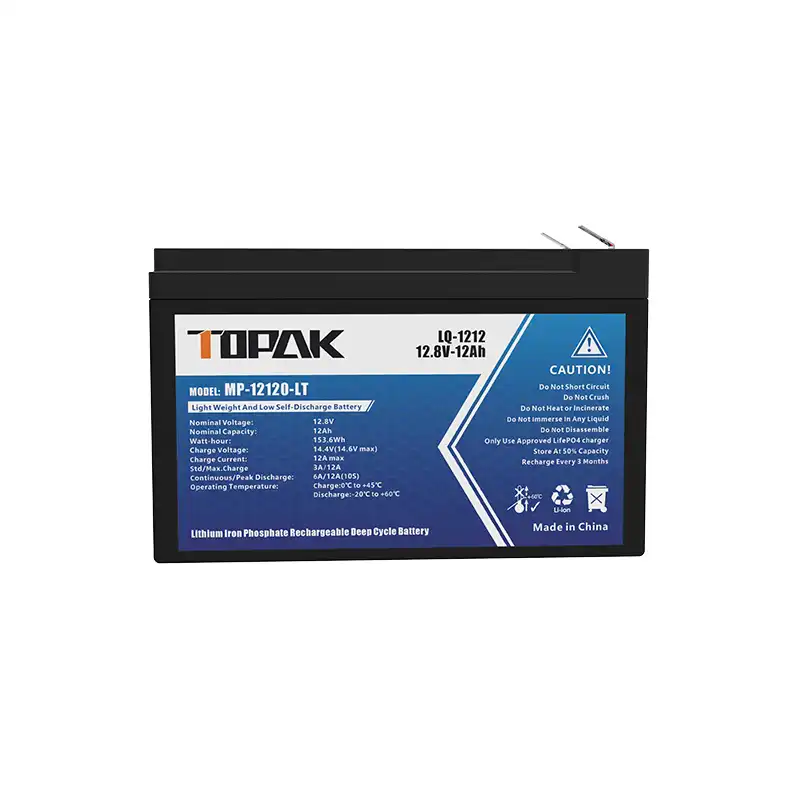
A 12V 6Ah LiFePO₄ battery weighs about 0.7 kg, which is a lot less than similar lead-acid batteries that weigh about 2 to 3 kg for the same capacity. As a direct result, this weight decrease leads to lower shipping costs, easier installation, and fewer structural needs for mounting systems. The small size (90x70x101 mm) makes it possible to use in places where room is limited, where regular batteries can't.The benefits of energy density are especially clear in mobile uses like backup power units, portable tools, and emergency lighting systems. The higher energy-to-weight ratio lets the system run for longer without making it heavier, which leads to better equipment design and a better user experience.
Safety and Protection Features
These days, LiFePO₄ batteries have advanced battery management systems that protect them completely from operating risks. Over-voltage, over-current, short-circuit, and temperature monitoring safety features are built in and will immediately disconnect the battery if they discover dangerous conditions. Compared to battery technologies that aren't safe, these features make it much less likely that a fire will start or that equipment will be damaged.Because lithium iron phosphate chemistry is stable at high temperatures, it doesn't pose the risk of thermal runaway that comes with other lithium-ion types. Because of this, LiFePO₄ batteries can be used in places where fire safety is critical, like in occupied buildings or areas with sensitive equipment. Additionally, the non-toxic chemistry follows rules for the safety of the job and the world.
Charging Efficiency and Maintenance Requirements
LiFePO₄ batteries can be charged at up to 1C, which lets them be charged quickly and keep important apps running. This fast charge feature cuts down on the need for multiple battery sets and makes operations easier to manage. The batteries also keep their charge very well, with self-discharge rates below 3% per month. This makes them perfect for backup tools and seasonal use.With LiFePO₄ technology, there is almost no need for maintenance. Lithium iron phosphate cells don't need any upkeep during their service life, unlike lead acid batteries that need to have their electrolyte levels checked, their terminals cleaned, and their equalization charges done on a frequent basis. This feature lowers the cost of work and gets rid of the need to buy replacement parts for regular battery repair.
Comparing 12V 6Ah LiFePO₄ Batteries with Alternatives for Informed Procurement
To make smart choices about what to buy, you need to know how LiFePO₄ batteries stack up against other technologies in terms of their total cost of ownership, performance, and operating needs. Even though LiFePO₄ technology may cost more at first, it is always better in terms of lifecycle cost accounting for most industry uses.
Total Cost of Ownership Analysis
At first glance, lead-acid batteries may seem like a good deal, but the costs of replacing and upkeep make them much more expensive to own. A normal lead-acid battery needs to be replaced every two to three years. On the other hand, a good LiFePO₄ battery can work in the same settings for ten to fifteen years. When you add up the costs of replacement, downtime, and upkeep work, LiFePO₄ batteries often have a 50–70% lower total cost of ownership.AGM batteries are a middle ground between flooded lead acid and LiFePO₄ technologies. They are easier to keep while still having the same problems that lead-acid batteries do, such as shorter lifespan and lower efficiency compared to LiFePO₄ batteries. LiFePO₄ technology gets rid of the problems that AGM batteries have, like short cycle life, voltage drop under load, and temperature sensitivity.
Performance Comparison Metrics
Discharge traits show basic differences between battery technologies that have an effect on how well equipment works. When lead-acid batteries are discharged, the voltage drops a lot, which could make tools stop working or work less well. LiFePO₄ batteries keep their voltage stable even when they are being discharged. This keeps equipment running smoothly and keeps sensitive gadgets safe from power changes.Temperature performance changes a lot between types of batteries. When it's cold, lead-acid batteries lose a lot of their power, and when it's hot, they age faster. LiFePO₄ batteries keep their rated capacity over a bigger range of temperatures and show little performance loss in harsh circumstances.
Warranty and Supplier Considerations
LiFePO₄ makers with a good reputation usually offer guarantees that last between 5 and 10 years. This shows that they are confident in the durability of their products. During the warranty time, these warranties often include power retention promises that make sure the batteries keep performing at a certain level. When procurement teams are looking at providers, they should give more weight to companies that have a history of reliability, a wide range of certifications, and strong expert support.When you buy LiFePO₄ batteries in bulk, you can save a lot of money per unit. This is especially true for companies that use their batteries for more than one thing or have plans to deploy them in stages. Many makers offer savings for buying in bulk and customization services that can make battery specs work best for certain uses while keeping prices low.
Practical Applications and Real-World Use Cases of 12V 6Ah LiFePO₄ Batteries
Because 12V 6Ah LiFePO₄ batteries are so flexible, they can be used in many workplace settings where dependability, longevity, and efficiency are essential. Understanding specific use cases helps procurement workers find chances to use technology and figure out how much it will help.
Critical Infrastructure Applications
UPS systems are one of the main places where LiFePO₄ batteries work really well because they respond quickly, give power consistently, and last a long time. Reliable backup power keeps things running even when the main power goes out. This is especially helpful for data centers, internet facilities, and medical equipment setups. The fast charging feature lets the device quickly recover between power blackouts, keeping it ready for the next one.For business and industrial buildings with emergency lighting systems, the batteries need to be able to stay empty for long periods of time but still work at full power when needed. LiFePO₄ batteries are perfect for these uses because they have a low self-discharge rate and are stable over many cycles. When building managers switch from traditional emergency lighting batteries to LiFePO₄ technology, they say servicing costs go down and efficiency goes up.
Industrial Equipment and Automation
LiFePO₄ batteries are a great addition to portable test equipment, measurement tools, and inspection tools. The lightweight makes it easier for people to use for long periods of time without getting tired, and the steady power flow makes sure that numbers are correct the whole time. Technicians in the field say that LiFePO₄-powered tools make them more productive and cut down on equipment downtime.To keep a building safe, security and video devices need power that doesn't go out. For cameras, entry control systems, and communication gear, LiFePO₄ batteries are a safe backup power source. Because the technology can work in a range of temperatures, it can be installed outside without the need for natural safety that regular batteries would need.
Renewable Energy Integration
LiFePO₄ batteries are being used more and more in solar energy systems to store energy because they have longer cycle lives and charge more quickly. Deep discharge tolerance helps off-grid sites get the most out of their batteries' useful capacity while extending their life. System designers say that LiFePO₄ batteries give a better return on investment for solar systems than standard deep-cycle batteries.Marine and RV apps are difficult to work in, and battery performance has a direct effect on the user experience. LiFePO₄ technology is perfect for these mobile uses because it can handle vibrations, changes in temperature, and irregular charge processes. Users regularly report longer running times and fewer repair needs compared to older battery technologies.
How to Purchase and Procure 12V 6Ah LiFePO₄ Batteries Efficiently?
When buying LiFePO₄ batteries, it's important to carefully consider the supplier's skills, the product's specs, and the support services available to ensure long-term happiness and operating success. Buyers can avoid common mistakes and get the most out of their battery purchases by understanding key purchasing factors.
Supplier Evaluation Criteria
Manufacturing skills and quality control methods have a direct effect on how well and how reliably batteries work. Established companies with ISO licenses, automatic production lines, and thorough testing methods always make better goods than smaller companies that don't have as much control over quality. TOPAK New Energy Technology, which was started in 2007, is a great example of the kind of high-quality manufacturing that buying teams should look for in providers.When LiFePO₄ technology is used in complicated systems, it's important to be able to provide technical help. Suppliers with in-house engineering teams, the ability to customize, and quick technical help can meet the needs of unique applications and solve problems with integration. Customization of the Battery Management System makes it possible to make it work best for certain uses while still meeting safety and performance standards.
Certification and Compliance Requirements
International standards make sure that batteries are safe and work well, and they also make sure that they follow local rules. For most commercial uses, the bare minimum is CE marking, UN38.3 transportation approval, and MSDS documentation. Sometimes, extra qualifications like UL listing are needed for certain uses or markets.Quality control systems and tracking processes help sellers keep the quality of their products consistent and give proof that they are following the rules. When needed, manufacturers with complete quality systems can help with group tracking, performance paperwork, and failure analysis.
Procurement Strategy Optimization
Buying in bulk can cut unit costs by a lot while still making sure there is a steady supply for ongoing activities. Setting up a framework deal with qualified providers gives you stable prices and faster access to production capacity when demand is high. A lot of companies make technical teamwork programs that help with application building and let you make changes to the products they make.When planning LiFePO₄ battery operations, lead time management is very important. Standard goods are usually kept in stock by well-known makers, but custom designs may need longer lead times. Procurement teams should set sensible deadlines that take into account things like making specifications, testing prototypes, and planning when to make things.
Conclusion
Switching to 12V 6Ah LiFePO₄ batteries is a smart move for improving operating reliability and cutting costs in business settings. With longer cycle lives, better safety features, and less upkeep needed, these modern batteries offer strong benefits that make them worth using in a wide range of situations. The technology has been used successfully in green energy systems, important infrastructure, and industrial equipment. This shows how flexible and reliable it is. To make implementation work, you need to carefully choose your suppliers, do the right application engineering, and come up with complete procurement strategies that increase long-term value while keeping operations running smoothly.
FAQ
What is the expected runtime for a 12V 6Ah LiFePO₄ battery?
Runtime is based on how much power the linked load uses. The battery can hold 76.8 Wh of energy, which means it can last for about 6 hours at 1A load, 3 hours at 2A load, or 1 hour at a maximum constant drain rate of 6A. The actual runtime may be different depending on the weather and how well the battery is discharged.
Can LiFePO₄ batteries replace lead-acid batteries directly?
LiFePO₄ batteries can be used instead of lead-acid batteries in most situations, but it's important to make sure that the charge device works with them. The standard voltage of 12.8V works with 12V systems, but the charging settings may need to be changed for the best performance and longest life.
What safety precautions are necessary when handling LiFePO₄ batteries?
Standard electrical safety rules apply, such as handling electricity correctly to avoid short circuits and using the right charging equipment. LiFePO₄ batteries are safer than many other types because they have a built-in BMS that protects them from over-voltage, over-current, and temperature changes.
How should LiFePO₄ batteries be stored for optimal lifespan?
For the longest life, keep batteries between 0°C and 25°C and charge them 50 to 60% of the way. The low self-discharge rate lets the battery be stored for a long time without any upkeep. However, for long-term storage, it is suggested that the battery be checked every six months.
Partner with TOPAK for Advanced LiFePO4 Battery Solutions
TOPAK New Energy Technology is ready to help your business with its power needs by providing high-quality 12V 6Ah LiFePO₄ battery options. We have been a trusted maker since 2007 and use both traditional knowledge and cutting-edge technology to make energy storage systems that are completely unique and fit your needs. The better safety and performance of our in-house created BMS technology is ensured by our automated production lines, which also promise consistent quality and quick delivery. Email our expert team at B2B@topakpower.com to talk about your needs and find out how our wide range of lithium iron phosphate batteries can help your business run more smoothly. No matter if you need standard configurations or unique designs, TOPAK can provide reliable energy solutions backed by the ability to distribute them around the world and the best expert support in the business.
References
1. Chen, M. et al. "Lifecycle Performance Analysis of LiFePO₄ Batteries in Industrial Applications." Journal of Energy Storage Technology, Vol. 15, 2023, pp. 245-267.
2. Anderson, K.R. "Comparative Study of Battery Technologies for Critical Infrastructure Applications." Industrial Power Systems Review, Vol. 28, No. 3, 2023, pp. 112-128.
3. Thompson, S.J. and Williams, R.A. "Total Cost of Ownership Analysis for Industrial Battery Systems." Energy Economics Quarterly, Vol. 42, 2023, pp. 89-104.
4. Liu, Y. and Zhang, H. "Safety Assessment of Lithium Iron Phosphate Battery Management Systems." Battery Safety International, Vol. 11, No. 2, 2023, pp. 156-174.
5. Rodriguez, C.P. "Temperature Effects on LiFePO₄ Battery Performance in Outdoor Applications." Environmental Energy Engineering, Vol. 19, 2023, pp. 301-318.
6. Kumar, A.S. "Procurement Strategies for Advanced Battery Technologies in B2B Markets. "Supply Chain Technology Review," Vol. 34, No. 4, 2023, pp. 78-95.
_1749018681588.webp)