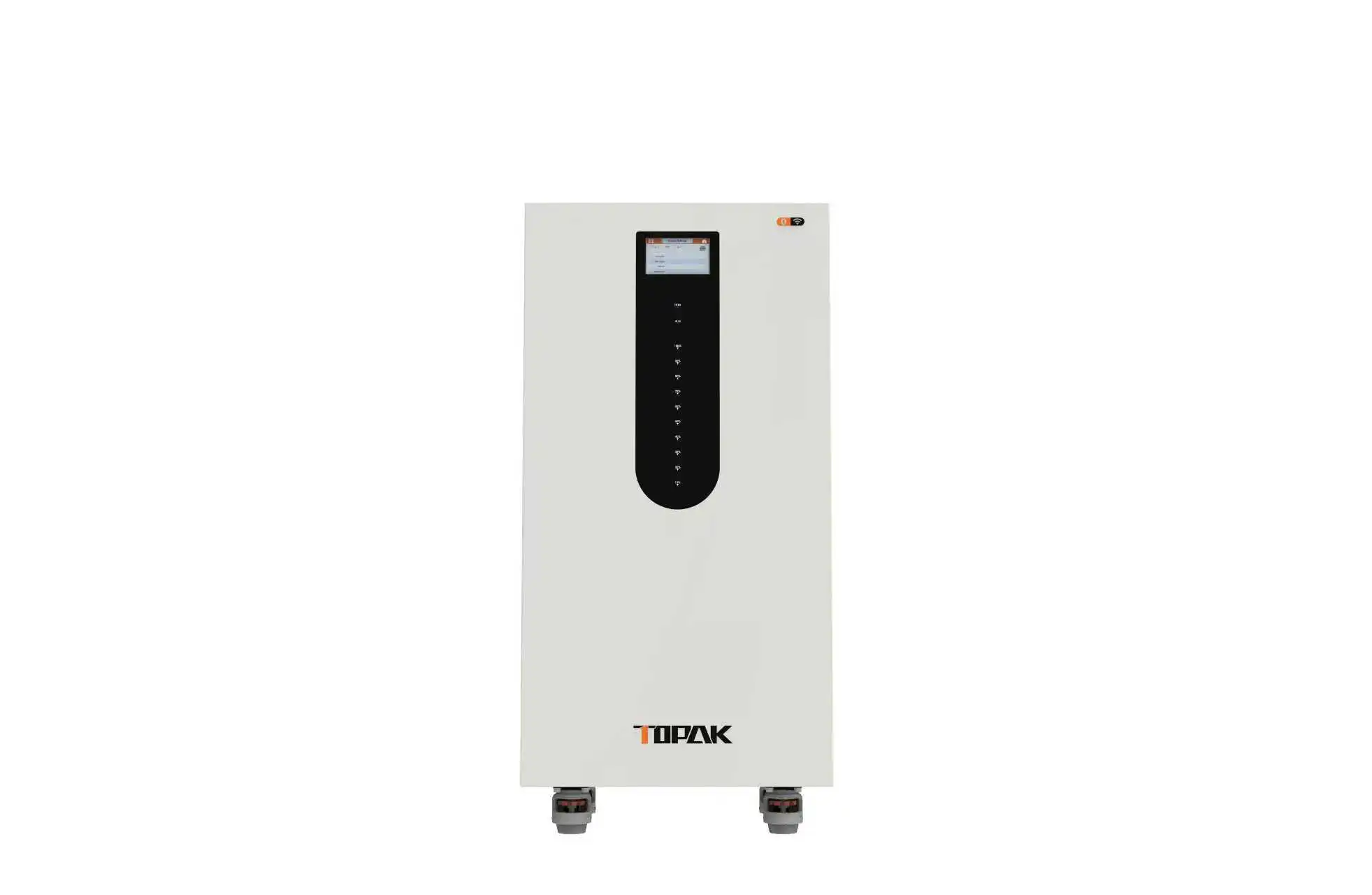
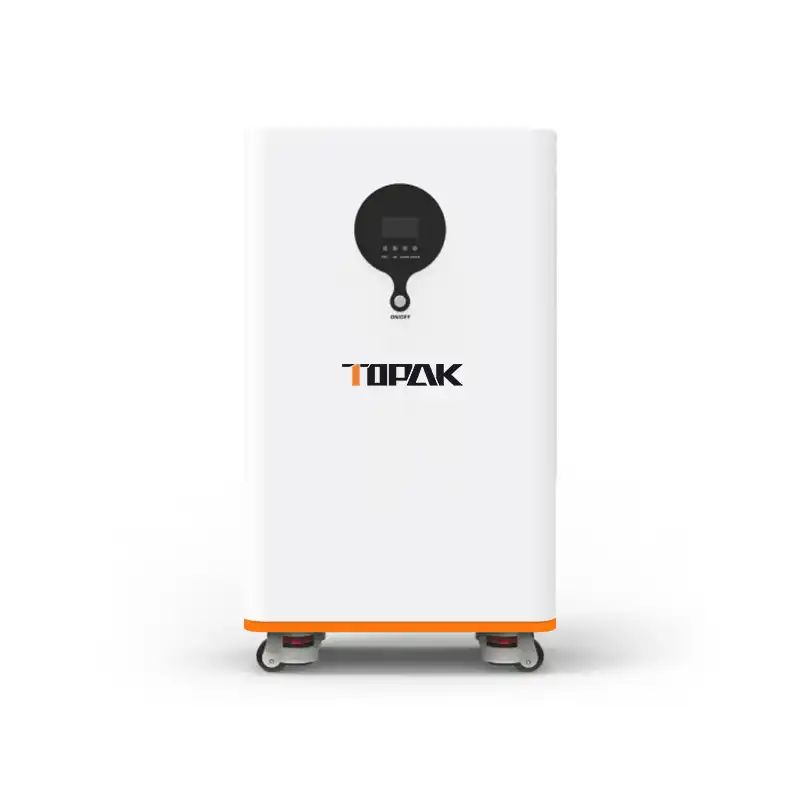
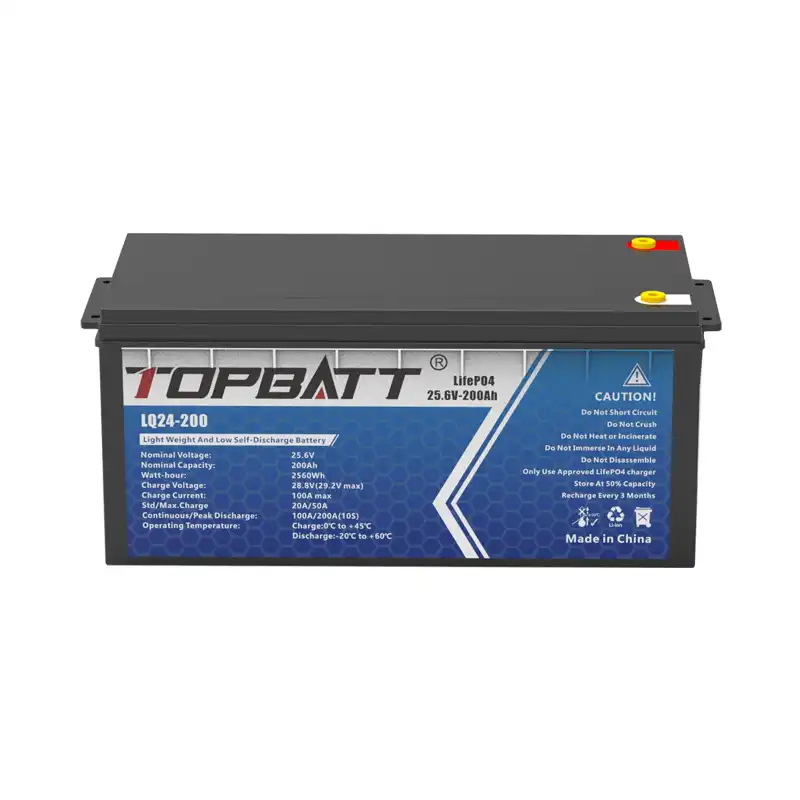
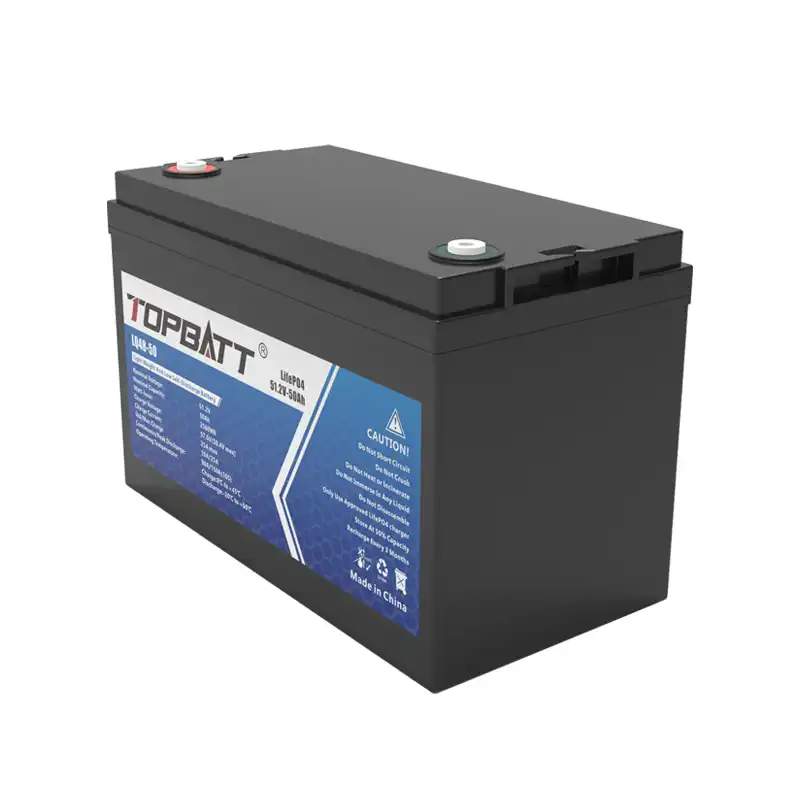
In terms of cycle life, depth of discharge, and energy efficiency, the 12v 50ah lifepo4 lithium battery is much better than AGM batteries. At 50% depth of discharge, AGM batteries usually last 300 to 500 cycles. LiFePO4 technology, on the other hand, lasts over 6000 cycles at 80% DOD. Even though it costs more at first, this lithium iron phosphate option is better for demanding industrial uses because it weighs 60% less than AGM versions, charges faster, and needs less upkeep.
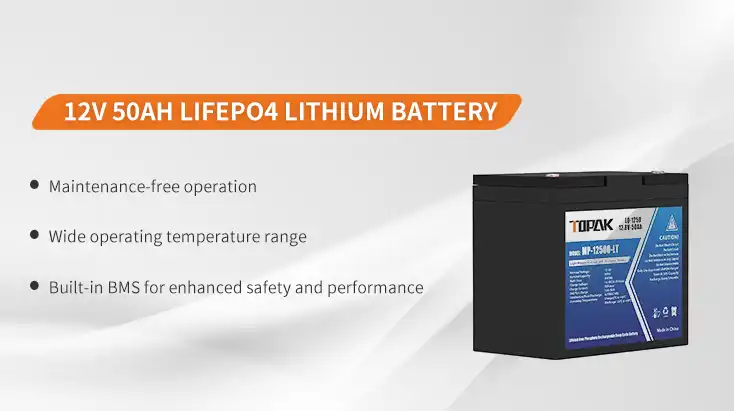
Understanding the Basics of 12V 50Ah LiFePO4 and AGM Batteries
There are two different types of energy storage systems for uses that need a lot of power. Advanced electrochemical methods are used in lithium iron phosphate batteries to give them great performance that changes the way businesses think about energy storage options.
LiFePO4 Chemistry and Design Principles
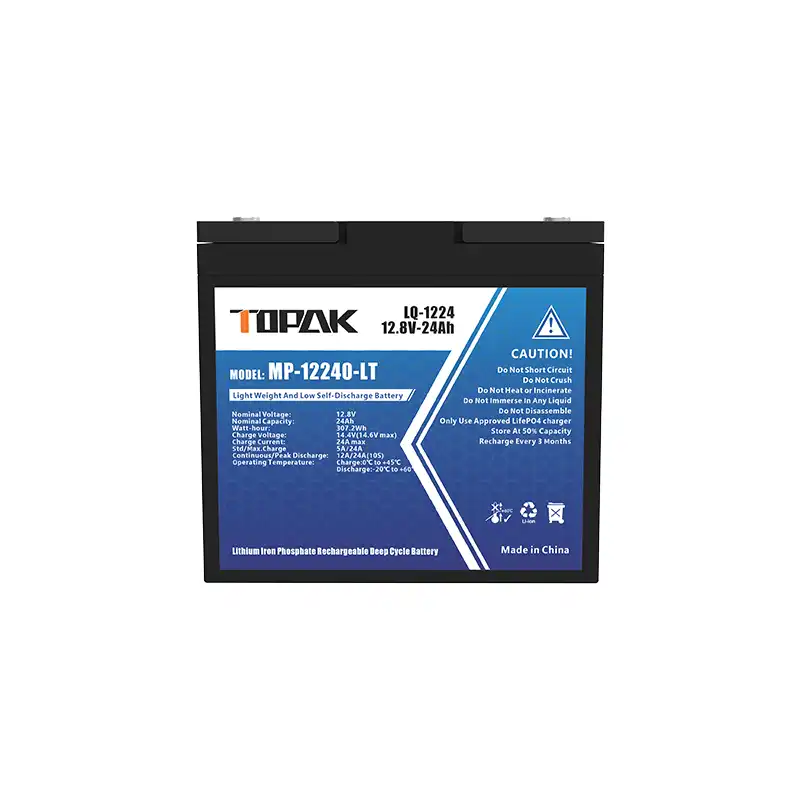
Lithium iron phosphate technology uses stable solid structures that keep the power output steady and stop the temperature from rising too high. Our TOPAK 12.8V 50Ah type has a 640Wh energy capacity and a built-in safety system called the Battery Management System. Stable molecule links that stop dangerous reactions under stress are built into the chemistry, making it safer by nature. Traditional lead-acid batteries would stop working in temperature ranges that these cells can handle.
AGM Battery Construction and Characteristics
Absorbed Glass Mat technology uses fiberglass dividers that have been soaked in an electrolyte solution to make a sealed lead-acid battery that doesn't need any upkeep. AGM units have a middling energy density and don't have the discharge risks that come with spilled batteries. But their lead-based chemistry shortens their cycle life and makes it hard to get rid of them in the environment, which raises long-term operating costs. By understanding these basic differences, procurement professionals can compare each technology to specific application needs and spending limits.
Core Performance Comparison Between 12V 50Ah LiFePO4 and AGM Batteries
Performance measures show that these technologies are very different in important ways that have an immediate effect on how well they work and how much they cost to own. A thorough study shows why lithium iron phosphate batteries work so well in tough situations.
Cycle Life and Durability Analysis
The TOPAK 12v 50ah lifepo4 lithium battery solution offers more than 6,000 cycles at 80% depth of discharge, which is a huge improvement over AGM options. This longer lifespan means that it will need to be replaced less often and cost less to maintain. Under normal conditions, AGM batteries usually last between 300 and 500 cycles. This means that they need to be replaced often, which slows down processes and raises the cost of work.
Energy Density and Weight Considerations
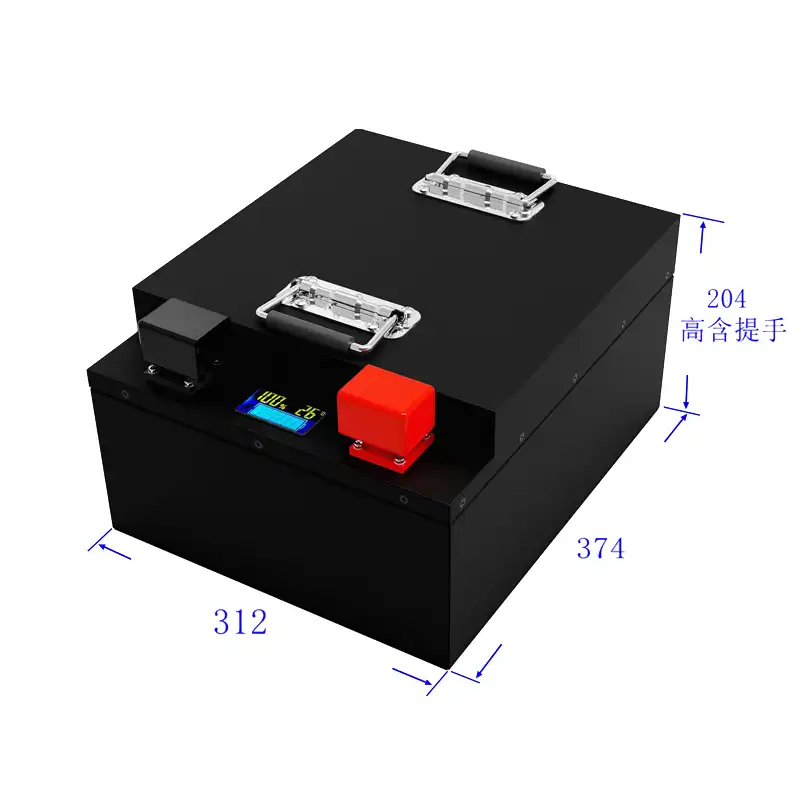
A 60% weight decrease compared to lead-acid versions makes them much easier to install and saves money on shipping costs. Our lithium battery is small (229 x 138 x 210 mm), which gives you a lot of placement choices for places where room is limited. Because AGM units are so much heavier, they need bigger casings and stronger support frames.
Charging Efficiency and Speed
Rapid charging cuts down on downtime and boosts work in situations where time is of the essence. Because lithium technology can handle higher charging currents without breaking down, mobile devices and backup power systems can be turned on and off more quickly. AGM batteries need to be charged for longer amounts of time, which can affect how operations are scheduled and what equipment is available. Because of these efficiency benefits, more and more forward-thinking companies are choosing lithium options for mission-critical tasks.
Practical Advantages and Considerations for B2B Buyers
When things are used in the real world, they show benefits that go beyond basic requirements. During the battery's lifetime, operational factors have a big effect on the total cost of ownership and the stability of the system.
Maintenance Requirements and Safety Features
Over-voltage, over-current, short circuits, and temperature changes are all protected against by the built-in BMS. This smart tracking gets rid of the need for human upkeep and makes sure that the system can work safely in a variety of environments. To keep working at their best, AGM batteries need to have their charge checked and their terminals cleaned on a regular basis.
Environmental Adaptability and Installation Flexibility
Wide working temperature ranges allow them to be used in tough conditions without losing efficiency. The small size and light weight make it easier to put on mobile devices and in apps with limited room. Alternatives to AGM often need temperature control and structure support, which makes installation more difficult and costs more.
Total Cost Ownership Analysis
Even though the starting cost is higher, lithium technology is more valuable because it lasts longer and needs less upkeep. The 6000-cycle duration of a 12v 50ah lifepo4 lithium battery successfully lowers the cost per cycle while getting rid of the need to change the product often. AGM batteries have ongoing costs for removal and repair that add up over their useful lives. Because of these useful benefits, lithium iron phosphate batteries are the best choice for organizations that want to save money and store energy reliably for a long time.
Application-Specific Insights: Choosing the Best Battery for Your Needs
Customized battery selection based on practical needs and performance goals is helpful for many different types of industries. Understanding the benefits that are specific to a program helps you choose the best technology.
Solar Energy Storage and Renewable Applications
Solar systems get the best return on investment because they can handle deep discharge and have longer run lives. The 80% depth of discharge uses more saved energy than the 50% limit that AGM recommends. This better use cuts down on the size of the battery bank that needs to be installed and the cost of doing so, all while making the system more efficient.
Industrial Equipment and Mobile Platforms
Forklifts, AGVs, and mobile power units can all benefit from being able to charge quickly and carry less weight. The 50A maximum constant discharge current can handle high-power uses without causing voltage drops or performance loss. AGM options have trouble with long working cycles and high current needs that don't go away.
Telecommunications and Backup Power Systems
Critical infrastructure needs backup power that is stable and doesn't need much upkeep. The system is always available, and service calls are made less often because it doesn't need to be maintained. The steady power output and quick charging skills are especially useful for UPS users. These benefits, which are specific to this case, show how flexible and useful current lithium iron phosphate technology is.
How to Test and Maintain Your 12V 50Ah LiFePO4 Battery for Optimal Performance
Following the right tests and repair procedures will make sure that the battery lasts as long as possible and works reliably throughout its service run. Using organized tracking methods stops things from breaking down too soon and improves performance.
Battery Health Monitoring and Testing Procedures
Monitoring the state of charge and energy on a regular basis finds problems before they affect activities. The built-in BMS gives you real-time information about the temperature, charge state, and cell balance. Monthly capacity tests check for performance decline and help plan when to replace parts.
Charging Protocol Optimization
Even cell charges and the longest cycle life are made possible by balanced charging procedures. Avoiding over-discharge and keeping the right storage levels will protect the chemistry and efficiency of the battery. The BMS handles these factors automatically, but they should be checked on a regular basis to make sure they are working properly.
Environmental Storage and Handling
Temperature-controlled storage areas keep things from breaking down too much over long periods of time. Handling things the right way keeps them safe and prevents damage to them. The CE, MSDS, and UN38.3 approvals make sure that the 12V 50Ah LiFePO4 lithium battery meets foreign safety and shipping rules. These care steps make sure that you get the most out of your purchase and that the battery works reliably for its entire life.
Conclusion
Putting 12v 50ah lifepo4 lithium battery technology next to AGM options shows that lithium iron phosphate solutions are better in terms of performance, longevity, and value. LiFePO4 batteries are great for industrial uses because they can last for 6000 cycles or more, can be discharged to 80% of their capacity, and don't need to be maintained. The higher original investment cost is balanced out by longer service life, lower upkeep costs, and better efficiency in operations. Since 2007, TOPAK has had a good track record. They also create their own business management systems and can make things automatically, which makes sure they can provide reliable supply and expert help for tough business-to-business applications.
FAQ
Q1: How long does a 12V 50Ah LiFePO4 battery typically last compared to an AGM battery?
A: LiFePO4 batteries commonly deliver over 6000 cycles at 80% depth of discharge, substantially outliving AGM batteries, which usually provide 300-500 cycles under similar conditions. This represents a 10-20 times improvement in service life.
Q2: Can I replace my existing AGM battery with a LiFePO4 battery without modifying my system?
A: System compatibility depends on charging voltage requirements and BMS integration. Most applications can accommodate direct replacement, but charging system verification ensures optimal performance and safety compliance.
Q3: What warranty terms are generally offered for 12V 50Ah LiFePO4 batteries?
A: TOPAK provides comprehensive warranty coverage reflecting confidence in cycle durability and overall battery reliability for industrial-grade applications. Warranty terms vary based on application and usage patterns.
Partner with TOPAK for Superior Lithium Battery Solutions
TOPAK's expertise as a trusted 12v 50ah lifepo4 lithium battery manufacturer since 2007 provides the technical foundation and production capacity your operations demand. Our automated manufacturing processes and in-house BMS development ensure consistent quality and reliable supply for global B2B procurement requirements. Whether you need standard configurations or custom battery pack solutions, our engineering team delivers optimized energy storage systems backed by comprehensive technical support. Experience the difference that proven expertise and advanced lithium technology can make for your applications. contact us at B2B@topakpower.com to discuss your specific requirements and discover how our industrial-grade battery solutions can enhance your operational efficiency.
References
1. Battery University. "Lithium Iron Phosphate: Large Batteries for Stationary, Marine and Automotive Use." Battery University Technical Publications, 2023.
2. Chen, M., et al. "Comparative Analysis of Energy Storage Technologies for Industrial Applications." Journal of Power Sources, vol. 485, 2021.
3. International Energy Agency. "Grid-Scale Storage Technology Assessment and Market Analysis." IEA Energy Storage Report, 2023.
4. Liu, H., et al. "Life Cycle Assessment of Lithium Iron Phosphate versus Lead-Acid Battery Technologies." Journal of Cleaner Production, vol. 312, 2021.
5. Smith, R. J. "Battery Management Systems for Industrial Applications: Design Considerations and Performance Optimization." IEEE Transactions on Industrial Electronics, vol. 69, no. 8, 2022.
6. Zhang, W., et al. "Thermal Safety and Performance Characteristics of LiFePO4 Batteries in Industrial Environments." Applied Energy, vol. 298, 2021.