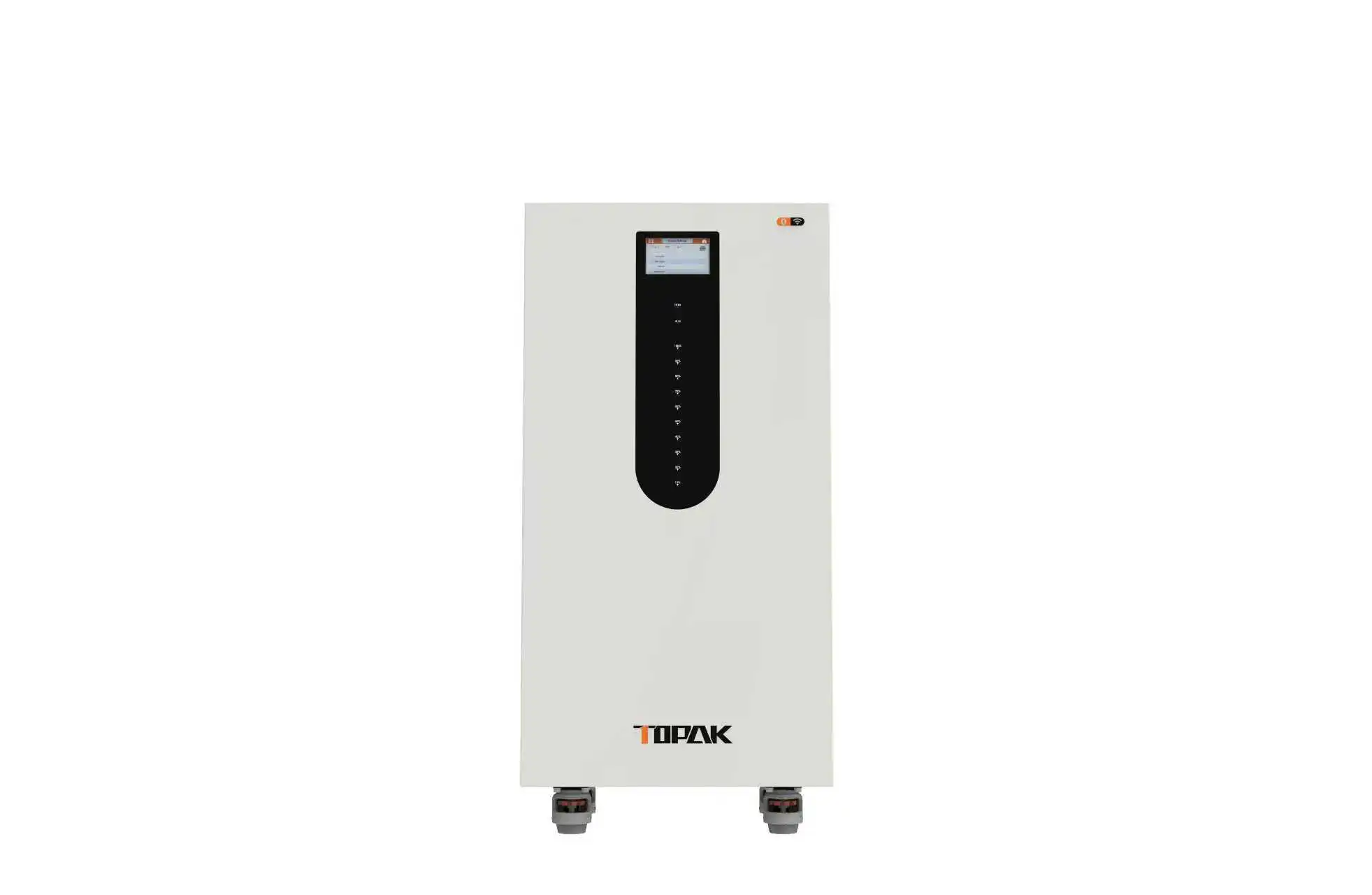
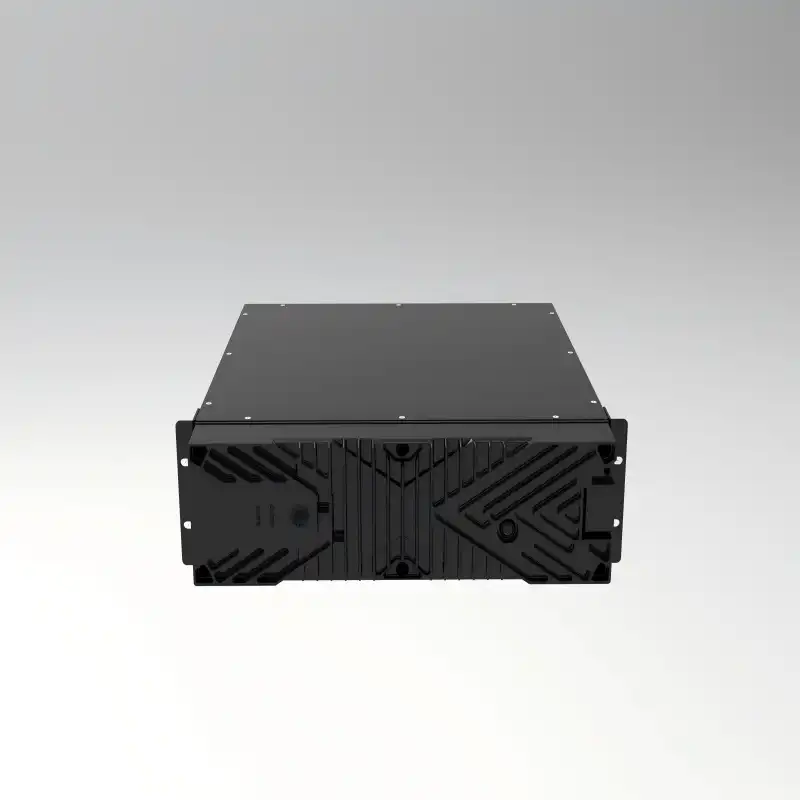
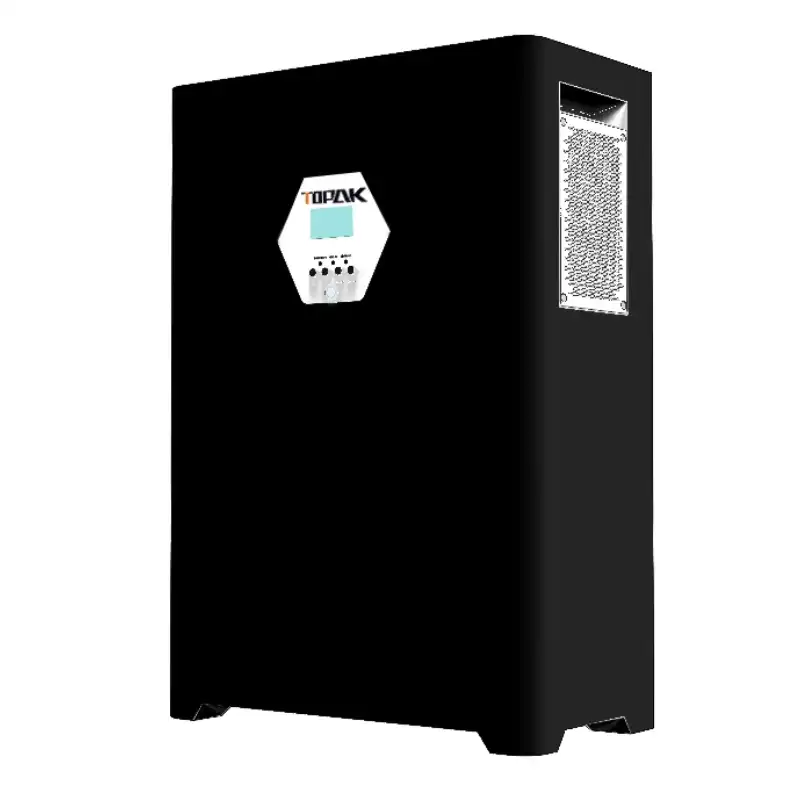
Picking the correct rack mount battery for your UPS setup is a significant choice that has a direct effect on the dependability, efficiency, and consistency of your system's operations. How well your operations run when the power goes out depends on the quality and specs of your battery backup system, whether you're in charge of a data center, telecom infrastructure, or industrial facility. This complete guide will show you the most important things you need to think about when picking rack mount batteries that will meet your needs and give you the best performance and value for your money.
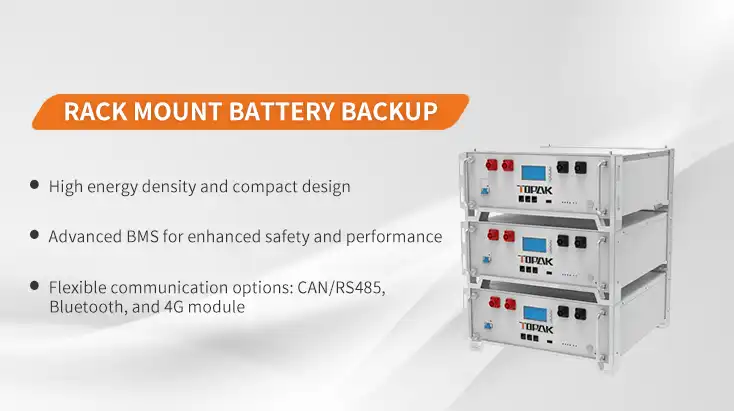
Understanding Rack Mount Batteries: Basics and Benefits
Rack-mount batteries are the main source of power for UPS systems. They are kept in small, flexible cases that are made to fit into normal computer racks without any problems. These energy storage options work by keeping a charge level constant and sending power automatically when the power grid goes down or changes.
Core Functionality and Design Advantages
Modern battery backup systems work better than older ones that use lead-acid batteries because they use modern lithium-ion technology. The flexible form makes the best use of space in places like data centers and telecom facilities, where rack space is very valuable. These systems better get rid of heat through smart thermal management, which lowers the risk of burning and increases the system's useful life.
Battery Chemistry Considerations
Knowing about the different types of batteries helps buying managers make smart choices. Lithium iron phosphate (LiFePO4) batteries have a very long cycle life—often more than 6,000 times at 80% depth of discharge. This means that they cost a lot less to own overall than lead-acid batteries, which usually last 300 to 500 cycles in the same circumstances.
Core Criteria for Choosing the Right Rack Mount Battery
To choose the best battery option, you should first carefully look at your UPS load patterns and backup time needs. Knowing how much power you use lets you match the right amount of capacity to your needs, making sure you have enough runtime during power blackouts and avoiding spending too much money on unnecessary upgrades.
Capacity and Power Requirements Analysis
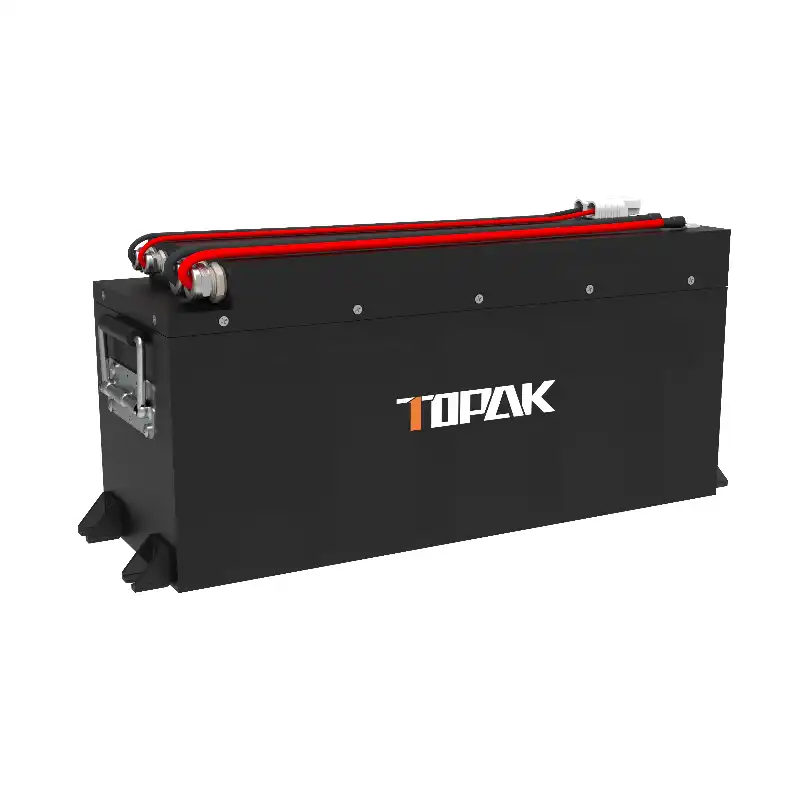
For a correct load assessment, you need to figure out both the steady-state power usage and the high-demand situations. Take a look at the TOPAK TP-48200R type. It has a standard voltage of 51.2V and a capacity of 200Ah, which means it can handle up to 100A of steady charging. This setup gives mission-critical apps a lot of backup power while keeping its small size (550 x 442 x 222 mm), which fits normal 19-inch boxes.
Scalability and Parallel Configuration
Modern methods for storing energy must be able to handle future growth without having to completely rebuild the infrastructure. Being able to join multiple rack mount battery units in parallel increases capacity in small steps. Some systems can handle up to 15 parallel links. This flexible method lets businesses increase or decrease their backup power needs as their operations grow. This protects their initial investments and makes sure they are ready for the future.
Communication and Monitoring Capabilities
CAN bus and RS485 connection methods let advanced battery management systems keep an eye on things in real time. Optional units like Bluetooth and 4G connection make distant tracking and planned repair possible. This lowers running costs and raises the stability of the system. These smart features let building managers keep an eye on performance data, spot possible problems before they break down, and make the most of repair plans.
Comparing Leading Rack Mount Battery Solutions
There are a lot of options on the market right now from well-known brands, and each one has its own benefits for certain uses. Knowing these differences helps buying teams choose options that meet the needs of the business and don't go over budget.
Performance Metrics and Reliability Standards
The most important things for leading solutions are safety standards, service life, and energy efficiency. Products that meet the standards for IEC62619, UN38.3, and MSDS show that they meet international safety standards, which is important for global usage. Premium lithium-ion solutions have a much longer lifespan—6,000 cycles—than standard options. This means they don't need to be replaced as often, which means less downtime.
Application-Specific Requirements
Different types of businesses need their backup power systems to have different features. Base stations for telecommunications need to work well in a wide range of temperatures, while data centers value high energy density and quick charging. Back-up systems for industrial tools focus on being long-lasting and easily integrating with current systems. Figuring out these application-specific wants helps with choosing the best options.
Practical Guide: Installation, Maintenance, and Safety Tips
Installing and maintaining rack mount battery backup systems correctly has a big effect on how well they work and how long they last. Following set rules makes sure that operations are safe and that the return on investment is maximized.
Installation Best Practices
A successful installation starts with preparing the rack correctly, making sure it has enough air flow, and using the right fitting tools. When making electrical connections, make sure they follow the rules in your area and the manufacturer's instructions. Pay special attention to grounding and protecting the circuit. The performance and lifespan of batteries are directly affected by things like temperature, humidity, and air flow in the room.
Maintenance and Monitoring Protocols
As part of routine maintenance, capacity tests, link inspections, and performance tracking through integrated management systems are done regularly. Advanced BMS technology gives real-time data, which lets maintenance teams plan and stop unexpected breakdowns before they happen. Regular repair plans help find trends of wear and find the best time to replace things so that operations are interrupted as little as possible.
TOPAK: Your Trusted Industrial Battery Partner
TOPAK New Energy Technology Co., Ltd. has been in business since 2007 and specializes in custom energy storage solutions for tough industrial uses. Our factory in Shenzhen, which costs 25,000 won, uses modern robotics and strict quality control to make sure that all of the products we ship to more than 15 countries work the same way.
Advanced BMS Technology and Manufacturing Excellence
Manufacturing: Our custom Battery Management System for rack mount battery is safer and easier to use than common options. This unique technology makes it possible to precisely watch, protect, and improve rack mount battery performance in a wide range of working situations. Large-scale automatic production lines make it possible to make a rack mount battery quickly while still meeting the high-quality standards needed for mission-critical uses.
Comprehensive Product Portfolio
The TP-48200R shows our dedication to new ideas; it has a 16S1P modular design that makes upkeep easier while still providing excellent performance. This option can be used for small setups or big business deployments because it can handle up to 15 units running at the same time. The small size makes the best use of the room, and the advanced lithium-ion technology ensures steady performance in telecom, data center, and industrial settings.
Conclusion
To sum up, picking the right rack mount battery requires careful thought about technical details, the needs of the application, and long-term operating goals. Investing in good energy storage systems pays off in the form of higher dependability, lower upkeep costs, and longer service life. Modern lithium-ion solutions, such as the TOPAK TP-48200R, are safer, work better, and can be expanded more easily than older options. Organizations can make sure their backup power systems meet their current needs and can grow with them in the future by working with makers with a lot of experience, full support, and a track record of success.
FAQ
Q1: How often should rack mount batteries be replaced in UPS systems?
A: Battery replacement intervals depend on chemistry, usage patterns, and environmental conditions. Quality lithium-ion batteries typically provide 6,000+ cycles, translating to 8-10 years in typical applications. Regular capacity testing helps determine optimal replacement timing.
Q2: Can different battery types be mixed within the same UPS configuration?
A: Mixing different battery chemistries or ages is not recommended due to varying charge/discharge characteristics. This can lead to reduced performance, safety risks, and premature failure. Uniform battery specifications ensure balanced performance and maximum lifespan.
Q3: What factors most significantly impact battery lifespan in real-world applications?
A: Temperature management, depth of discharge, charge frequency, and maintenance quality are primary factors affecting battery longevity. Operating within manufacturer-specified temperature ranges and avoiding deep discharge cycles maximizes service life.
Partner with TOPAK for Your Energy Storage Needs
Ready to upgrade your UPS backup power system with reliable, high-performance battery solutions? TOPAK's proven expertise in industrial-grade energy storage, combined with our advanced BMS technology and global support network, ensures your critical systems remain operational when you need them most. As a leading rack mount battery manufacturer with over 15 years of experience, we provide customized solutions tailored to your specific requirements. contact us at B2B@topakpower.com to discuss your project requirements and discover how our TP-48200R and other premium battery solutions can enhance your operational reliability while reducing total cost of ownership.
References
1. Institute of Electrical and Electronics Engineers. "IEEE Standard for Battery Management Systems in Stationary Applications." IEEE Press, 2023.
2. Johnson, Michael R., and Sarah Chen. "Comparative Analysis of Lithium-Ion vs Lead-Acid Batteries in UPS Applications." Journal of Power Systems Technology, vol. 45, no. 3, 2024, pp. 112-128.
3. International Electrotechnical Commission. "Safety Requirements for Secondary Lithium Cells and Batteries for Use in Industrial Applications." IEC Publications, 2024.
4. Thompson, David L. "Energy Storage System Design and Implementation Guide for Data Centers." Power Engineering Handbook, 2024 Edition, pp. 456-489.
5. Rodriguez, Ana M., et al. "Life Cycle Cost Analysis of Modern UPS Battery Technologies." Energy Storage Economics Quarterly, vol. 18, no. 2, 2024, pp. 67-84.
6. Williams, Robert K. "Best Practices for Rack Mount Battery Installation and Maintenance in Mission-Critical Facilities." Critical Power Systems Magazine, Spring 2024, pp. 34-42.