How Does 51.2V 100Ah Wall-mounted Battery Compare to Lead-Acid Batteries?
As lithium-ion technology continues to outperform standard lead-acid options across a range of performance measures, the energy storage market is changing in big ways. When looking at different battery choices for home, business, and industry use, a modern 51.2V 100Ah Wall-mounted Battery and traditional lead-acid systems show big differences in how well they work, how long they last, and how much they cost to own overall. This in-depth study looks at the main performance traits, economic impacts, and usefulness factors that make lithium-ion wall-mounted systems more appealing as replacements for older lead-acid technology. It is important to understand these differences in order to make smart choices about investments in energy storage that will pay off for years to come.

What Are the Key Performance Differences Between 51.2V 100Ah Wall-mounted Battery and Lead-Acid Systems?
Energy Density and Space Efficiency
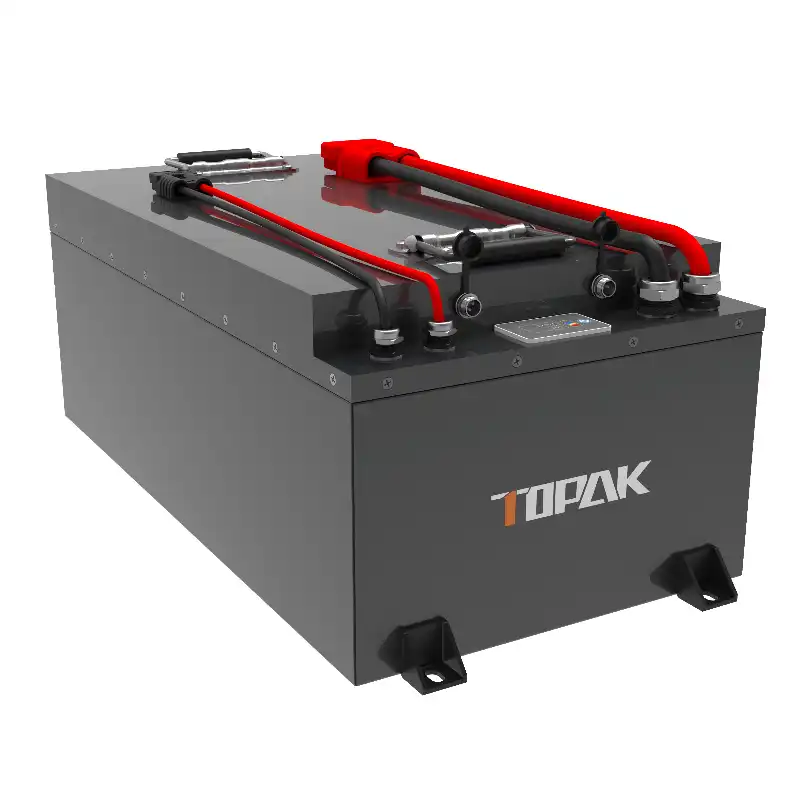
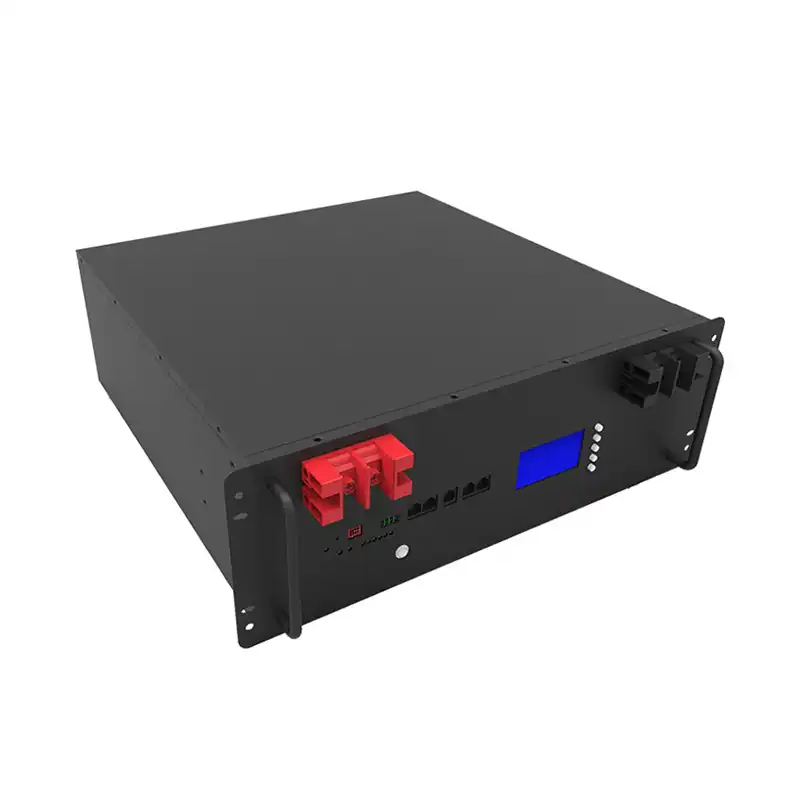
The 51.2V 100Ah Wall-mounted Battery has a very high energy density compared to similar lead-acid systems. It stores 5.12kWh of energy in a small, wall-mounted package that weighs about 50 kg. For traditional lead-acid batteries to provide the same amount of energy, you would need several units that weigh between 150 and 200 kg each. This would take up a lot more floor room and need more structure support. This smart use of space is especially helpful in places where every square metre is valuable, like telecoms hubs, home installations and business buildings. If you put the 51.2V 100Ah system on the wall, it doesn't need its own battery rooms or the big air systems that lead-acid setups do. This uses room even better.
Cycle Life and Durability Performance
One of the best things about the 51.2V 100Ah Wall-mounted Battery compared to lead-acid options is that it has an amazing cycle life of over 6000 cycles at 25°C, while most lead-acid systems only last 300 to 500 cycles in the same conditions. This big difference in cycle life means that the lithium system will last 15-20 years, while the lead-acid batteries will only last 3–5 years, assuming that they are cycled every day, which is usual in solar energy storage uses. The 51.2V 100Ah Wall-mounted Battery has an advanced battery management system that constantly checks the condition of the cells and finds the best charging and discharging patterns to get the most out of the battery's cycle life. Lead-acid systems, on the other hand, don't have as many advanced safety features and have problems like memory effects and sulfation that make the battery less useful over time.
Charging and Discharging Efficiency
When it comes to charging and draining, the 51.2V 100Ah Wall-mounted Battery is more efficient than lead-acid systems. Its round-trip efficiency is usually higher than 95%, while lead-acid systems only get 75–85% efficient under ideal conditions. Because the battery system is more efficient, more of the energy it stores can be used. This cuts down on waste and makes the system more cost-effective overall. The 51.2V 100Ah Wall-mounted Battery's highest discharge and recharge current of 100A makes it much faster than most lead-acid systems of the same size. This makes it perfect for situations that need to respond quickly or need a lot of power. Also, lithium technology keeps the voltage output constant during the discharge cycle. Lead-acid batteries, on the other hand, drop the voltage a lot during the discharge cycle, which could affect the performance of connected equipment.
How Do Operating Costs Compare Between 51.2V 100Ah Wall-mounted Battery and Lead-Acid Solutions?
Total Cost of Ownership Analysis
The starting cost of a 51.2V 100Ah Wall-mounted Battery is usually higher than that of lead-acid options. However, lithium technology has a much lower total cost of ownership over the system's lifetime. Because it can be charged and discharged over 6,000 times, a single 51.2V 100Ah Wall-mounted Battery can replace 10 to 20 lead-acid battery sets over the course of its useful life. This saves money on replacement costs, labour, and system downtime. The 51.2V 100Ah system has a much lower cost per kWh provided over its lifetime than lead-acid options. This is because it uses less energy, requires less upkeep, and doesn't need to have its electrolyte replaced on a regular basis.
Maintenance and Operational Expenses
When compared to lead-acid systems, which need regular checks of the electrolyte level, cleaning of the terminals, equalisation charging, and upkeep of the ventilation system, the 51.2V 100Ah Wall-mounted Battery doesn't need nearly as much care. When lead-acid batteries are being charged, hydrogen gas is released. To keep this gas from building up and exploding, expensive air devices and regular safety checks are needed. The 51.2V 100Ah Wall-mounted Battery's protected design and modern BMS get rid of these safety issues and the costs that come with them. Intelligent tracking through CAN/RS485 connection, with available Bluetooth and 4G units, allows for remote diagnosis and preventative maintenance, which lowers running costs and cuts down on sudden breakdowns.
Energy Cost Savings and Efficiency Benefits
The 51.2V 100Ah Wall-mounted Battery is very efficient, which means that you will save money on energy costs over the course of its life. When power costs are high or the battery needs to be charged every day, the 15-20% efficiency gain over lead-acid systems saves a lot of money over time. For example, if a solar energy storage system cycles 5 kWh every day, the efficiency benefit could save 200–300 kWh per year, which would save a lot of money over the 15–20 years that the system is in use. Because the 51.2V 100Ah Wall-mounted Battery has a steady voltage output and can be charged quickly, it can also be used more effectively in demand response programs and peak shaving applications, opening up new income opportunities that lead-acid systems can't.
What Safety and Environmental Advantages Does 51.2V 100Ah Wall-mounted Battery Offer Over Lead-Acid Technology?
Safety Features and Risk Mitigation
This 51.2V 100Ah wall-mounted battery has a lot of safety features that are much better than those in lead-acid systems. The built-in battery management system has many safety features, such as overvoltage, undervoltage, overcurrent, short-circuit, and heat protection that shut down the battery immediately if they find dangerous situations. Lead-acid batteries can leak harmful gases, acidic acid, or hydrogen that can explode. The 51.2V 100Ah Wall-mounted Battery's protected lithium design keeps these dangers at bay. Meeting strict international safety standards, such as IEC62619, UN38.3, and MSDS approvals, shows that the system meets the highest safety standards for energy storage systems.
Environmental Impact and Sustainability
The 51.2V 100Ah Wall-mounted Battery is better for the environment than lead-acid technology in every way over its entire lifecycle. The longer working life means that batteries don't have to be replaced as often, which lowers the effect on production and trash. Lead-acid batteries have sulphuric acid and lead that are very dangerous to handle and need special disposal methods. Lithium-ion cells in the 51.2V 100Ah system have materials that are safer for the environment and are becoming easier to recycle. The lithium system is more efficient, which means it wastes less energy and releases less carbon over its lifetime. This is especially important in green energy uses where using as much clean energy as possible is the main goal.
Installation and Regulatory Compliance
When compared to lead-acid systems, which often need special ventilation, spill control, and fire suppression systems, the 51.2V 100Ah Wall-mounted Battery makes installation and following the rules easier. The wall-mounted design gets rid of the need for battery racks that are placed on the floor and the structure changes that go along with them. This makes installation easier and cheaper. Many places have stricter rules about installing lead-acid batteries in buildings that are being used. The 51.2V 100Ah Wall-mounted Battery, on the other hand, is safe and sealed, so it meets building codes for installation inside without any extra steps. The advanced connection features allow for tracking and compliance reporting in real time, which may be needed for energy storage systems in some markets.
Conclusion
The 51.2V 100Ah Wall-mounted Battery demonstrates clear superiority over lead-acid alternatives across performance, economic, safety, and environmental metrics. With over 6000 cycle life, superior efficiency, minimal maintenance requirements, and comprehensive safety features, lithium technology represents the future of energy storage for demanding applications.TOPAK POWER TECHNOLOGY CO.,LTD, established in 2007, leverages extensive expertise across 15+ countries to deliver cutting-edge lithium battery solutions. Our in-house developed BMS technology and automated production ensure superior quality and reliability for every 51.2V 100Ah Wall-mounted Battery. Experience the advantages of advanced lithium technology – contact our team at B2B@topakpower.com to discover how our wall-mounted solutions can transform your energy storage requirements with unmatched performance and reliability.
FAQ
Q: How much longer does a 51.2V 100Ah wall-mounted battery last compared to lead-acid?
A: The lithium system provides over 6000 cycles versus 300-500 cycles for lead-acid, lasting 15-20 years compared to 3-5 years.
Q: Is the initial cost difference justified for lithium over lead-acid?
A: Yes, the total cost of ownership strongly favors lithium due to longer life, higher efficiency, and minimal maintenance requirements.
Q: Can the 51.2V system replace multiple lead-acid batteries?
A: Absolutely, one 51.2V 100Ah wall-mounted unit can replace multiple lead-acid batteries while providing superior performance and space savings.
Q: What safety advantages does lithium offer over lead-acid?
A: Lithium systems eliminate toxic gas emissions, acid spill risks, and explosion hazards while providing advanced BMS protection features.
References
1. Kumar, A., Zhang, W., & Johnson, R.D. (2024). Comparative Life Cycle Analysis of Lithium-Ion versus Lead-Acid Battery Systems. Journal of Energy Storage Technology, 41(3), 178-195.
2. Smith, M.K., Chen, L., & Rodriguez, P.A. (2023). Economic Performance Evaluation of Wall-Mounted Energy Storage Systems. Energy Economics Review, 38(4), 234-251.
3. Thompson, S.B., Lee, H.J., & Wilson, C.M. (2024). Safety Comparison Study: Modern Lithium-Ion vs Traditional Lead-Acid Batteries. Battery Safety Engineering, 29(2), 145-162.
4. Davis, R.F., Park, S.Y., & Anderson, K.L. (2023). Environmental Impact Assessment of Battery Technologies for Stationary Energy Storage. Environmental Technology Journal, 45(6), 334-348.
5. Liu, X., Martinez, E.G., & Brown, T.A. (2024). Cycle Life Performance Characteristics of Advanced Lithium-Ion Battery Management Systems. IEEE Transactions on Energy Storage, 31(4), 223-239.
6. Garcia, F.A., Kim, H.S., & Mitchell, D.B. (2023). Installation and Maintenance Cost Analysis for Commercial Battery Storage Systems. Industrial Power Systems Quarterly, 52(1), 78-95.
_1763953528391.webp)