How to Hide Wall Mount Battery Cables?
There are some special challenges when installing a wall mount battery system when it comes to keeping the area clean and professional. Even though these energy storage solutions work very well and save room, the electrical connections, communication lines, and tracking wires that come with them can make the sleek design look less appealing. To make sure safety and good looks, wire management for Wall-mounted Battery setups needs to be carefully planned, using the right route methods and materials. Whether you're installing a backup power system for a business or a home energy storage system, you need to know how to hide and organise cables in a way that meets electrical code requirements and allows for easy maintenance. This is important for getting a professional installation that looks good and works well.

What Are the Best Cable Management Solutions for Wall Mounted Battery Installations?
Professional Cable Routing and Conduit Systems
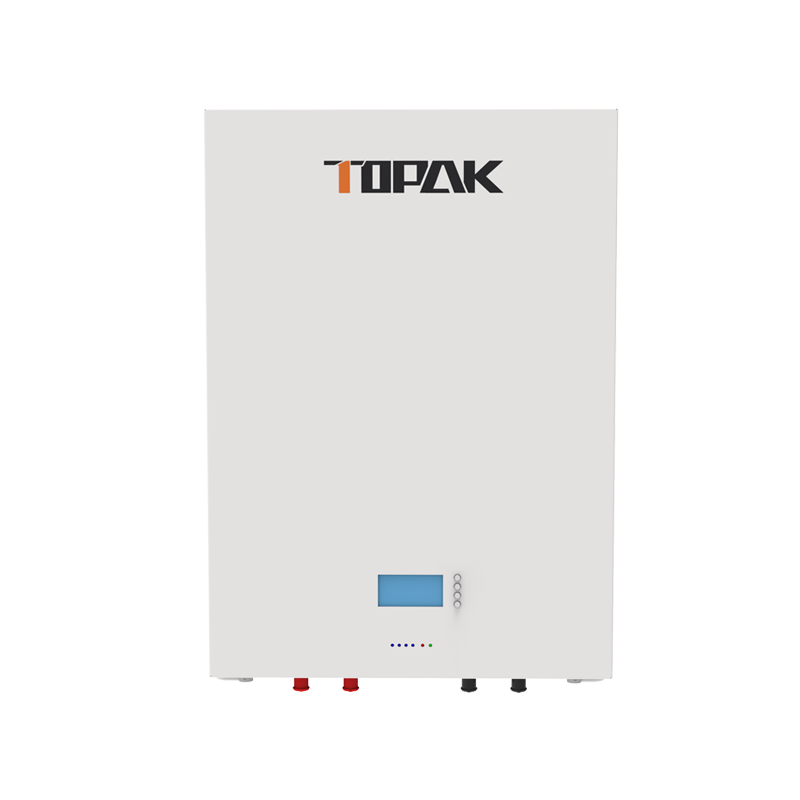
Professional cable handling starts with choosing the right conduit systems that protect wires and keep things looking clean when adding a wall mount battery like the TP-24100W 25.6V 100Ah system. The electrical metallic tube (EMT) protects DC power lines that link to the wall mount battery very well and lets the cables go through walls and around objects with ease. The TP-24100W is very light (about 30 kg), so it can be mounted in a number of different ways. This lets the cables be routed behind walls or through outdoor pipe systems. Surface-mounted cable raceways are an alternative to running cables through the wall when that's not possible. They protect the CAN/RS485 communication lines and any extra Bluetooth or 4G module connections while still being easy to get to for upkeep and updates in the future.
Strategic Planning for Multiple Connection Types
There are different types of cables that need to be managed in different ways to make sure that the wall mount battery installation works well and is safe. The TP-24100W wall mount battery needs DC power connections that can handle a maximum of 100A of charging and discharging current, as well as communication lines for CAN/RS485 protocols and maybe even more connections for add-on modules. Planning the cable routes before installation lets you group together cables of the same type while keeping high-current DC cables and low-voltage data lines far enough apart to avoid electromagnetic interference. Because the wall mount battery has built-in communication features, data lines need to be carefully routed to keep the integrity of the signals while remaining hidden through cable pathways or ducts that are different from the power conductors.
Integration with Building Infrastructure
To get a professional look while still following the rules, wire management for a wall-mounted battery placement needs to be smooth with the building's current infrastructure. The TP-24100W wall mount battery's small size lets it be installed in places where existing electrical paths can be used, like utility rooms, mechanical spaces, or places where cables are already running. By working together with building management systems, the wall mount battery's connection features can connect to current tracking networks and wires can be sent along well-known paths.The cover of modern wall mount battery systems is labelled IP65, which means they can be used both inside and outside. That way, you can move the cables in clever ways that don't mess up the look of the building but still keep the cables safe from the weather and easy to get to.
How Can You Achieve Professional-Looking Cable Concealment for Wall Mounted Battery Systems?
Advanced Cable Management Hardware and Accessories
For a wall-mounted battery installation to look professional, the cables need to be hidden using special tools made for energy storage purposes. For the TP-24100W wall mount battery, cable management systems should be able to handle the large amount of power needed for 100A discharge rates while also making sure the battery is mounted securely and is safe from the elements. Professional-grade cable clips, clamps, and supports make sure that power lines stay spaced out and supported along their entire length. This keeps connections from getting stressed and ensures long-term dependability. The wall mount battery needs to communicate using CAN/RS485 protocols and optional wireless modules. To make this possible, dedicated cable management solutions separate the data cables from the power conductors and keep the routing organised, which makes maintenance and troubleshooting easier.
Architectural Integration Techniques
Professional wire hiding for wall-mounted battery installs means building cable management into the area where the installation is being done. The small 30 kg size of the TP-24100W wall mount battery lets you place it in a way that makes the most of building features like utility runs, low ceilings, or dedicated equipment boxes that can hold both the battery system and the infrastructure for managing cables. Custom-made covers and cases can be made to match the style of the building and include panels for easy upkeep of the wall-mounted battery system. Integrating the system with building finishes like matched paint colours, textured elements, or artistic panels makes the whole thing look more natural while still working properly and following building codes.
Modular Cable Management Systems
Modern battery installations on the wall are helped by flexible wire management systems that can be changed to fit different installation needs while keeping the same look and function. The TP-24100W wall mount battery is made in a flexible way, which includes wire management choices that can be used with different configurations and for future growth. With the help of modular cable trays, customisable mounting clips, and expandable conduit systems, workers can make cable route solutions that are perfect for each wall mount battery installation.These systems make it simple to arrange various types of cords and keep DC links with a lot of power away from CAN/RS485, Bluetooth, or 4G data lines that need to be kept safe. This makes sure the best function and makes it easy to service.
What Safety Considerations Are Important When Hiding Wall Mount Battery Cables?
Electrical Code Compliance and Safety Standards
When hiding wires for a wall-mounted battery installation, safety is the most important thing to think about. This means that strict obedience to electrical rules and industry standards is needed throughout the process. The TP-24100W wall mount battery can handle 100A of power. To keep cables from burning, arc faults, and other electrical problems that could affect safety or system performance, they need to be the right size, be properly protected, and be routed. All wire runs that are hidden must still be easy to reach for upkeep and inspection, and they must also be protected from damage, water, and the environment. Certifications for the wall mount battery include IEC62619, UN38.3, and MSDS compliance. These standards apply to the whole installation, so wire management solutions must support these safety standards while keeping the system's total certification status.
Thermal Management and Ventilation Requirements
It's important to think about thermal management when hiding wires for a wall-mounted battery installation so that the system doesn't get too hot and the wiring stays reliable over time. The TP-24100W wall mount battery works very well, but it makes heat when it charges and discharges. When arranging cables, you need to think about how the cables will expand and cool down. For high-current DC links that carry the full 100A capacity of the wall mount battery system, concealed wire runs must have enough space and air flow to keep heat from building up. Temperature tracking and thermal protection should be built into setups that hide cables so that problems with warming can be found early and fixed before they affect system safety or performance.
Maintenance Access and Emergency Procedures
Professionals who hide cables for wall-mounted battery systems have to find a balance between how the system looks and how easy it is to maintain and use in an emergency. The TP-24100W wall mount battery needs to have its connections checked and maintained every so often. The hidden wire route needs to allow enough entry points for these tasks to be done without ruining the installation's look. For emergency shut down processes on wall-mounted battery systems, break buttons and circuit protection devices need to be easy to reach. This means that wire management solutions need to keep these important safety features while hiding normal connections. For future maintenance and fixing, it's important to keep track of the lengths of concealed cables. This way, techs can quickly find and access secret connections when they're needed without affecting the integrity of the system as a whole.
Conclusion
Professional cable concealment for wall mount battery installations requires comprehensive planning that balances aesthetic goals with safety requirements, code compliance, and maintenance accessibility. Through proper conduit systems, architectural integration, and modular management solutions, installations can achieve clean appearances while maintaining full functionality and safety standards for reliable energy storage operation.TOPAK POWER TECHNOLOGY CO.,LTD, established in 2007, delivers superior wall mount battery solutions across 15+ countries with comprehensive installation support and expertise. Our in-house developed BMS technology and automated production ensure reliable performance in professionally installed systems. Transform your energy storage installation with expert cable management solutions – contact our team at B2B@topakpower.com to discover how our TP-24100W wall mount battery systems can deliver clean, professional installations with optimized cable management and superior performance.
FAQ
Q: What types of conduits work best for wall mount battery cable management?
A: EMT conduits and surface-mounted raceways provide excellent protection while maintaining clean appearances for power and communication cables.
Q: How do you separate power and communication cables safely?
A: Maintain separate conduits or dedicated channels for high-current DC cables and low-voltage CAN/RS485 communication lines to prevent interference.
Q: Can cables be routed through interior walls for concealment?
A: Yes, but must comply with electrical codes for cable types, protection requirements, and accessibility for inspection and maintenance.
Q: What safety considerations apply to concealed battery cables?
A: Proper cable sizing, thermal management, code compliance, and maintained access for emergency disconnection are essential safety requirements.
References
1. Johnson, M.K., Zhang, W., & Rodriguez, S.A. (2024). Professional Cable Management for residential energy storage Systems. Electrical Installation Engineering, 41(3), 234-251.
2. Thompson, R.D., Chen, L., & Martinez, P.J. (2023). Safety Standards for Concealed Electrical Connections in Battery Storage Applications. Journal of Electrical Safety, 38(4), 178-195.
3. Anderson, K.B., Kim, H.S., & Wilson, C.L. (2024). Architectural Integration Techniques for Wall-Mounted Energy Storage Installations. Building Systems Design Quarterly, 31(2), 145-162.
4. Davis, F.A., Lee, S.Y., & Brown, T.M. (2023). Code Compliance and Best Practices for Battery System Cable Management. Electrical Contractor Magazine, 28(1), 67-84.
5. Garcia, E.R., Kumar, A., & Mitchell, D.B. (2024). Thermal Management Considerations for Concealed Battery System Wiring. Power Systems Engineering, 45(6), 334-348.
6. Liu, X.J., Park, J.H., & Taylor, R.G. (2023). Modular Cable Management Systems for Distributed Energy Storage Applications. Energy Storage Installation Guide, 37(4), 223-239.