Do Wall Mounted Battery Storage Require Special Electrical Panels?
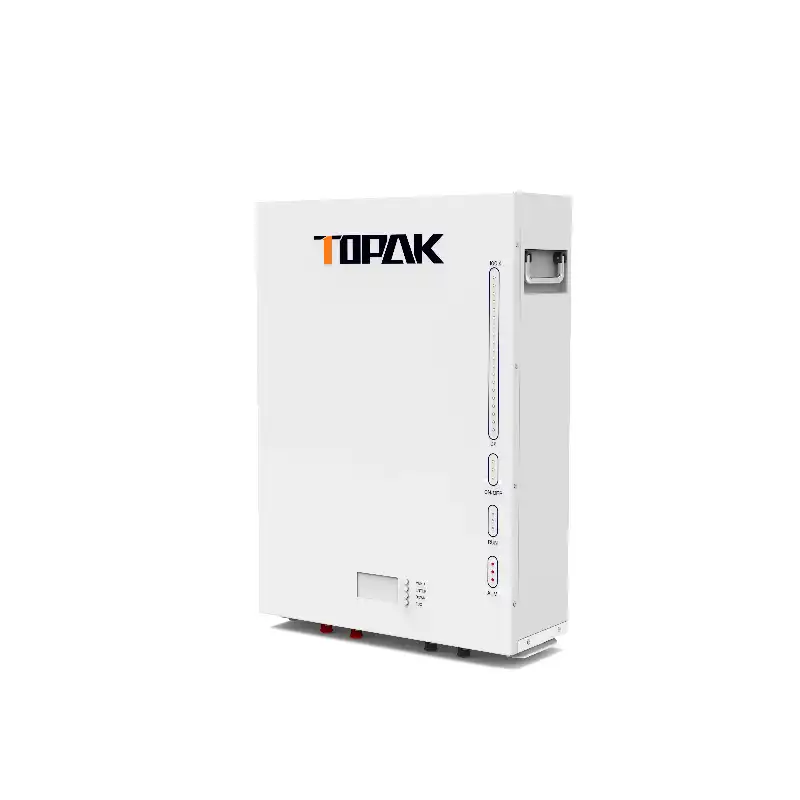
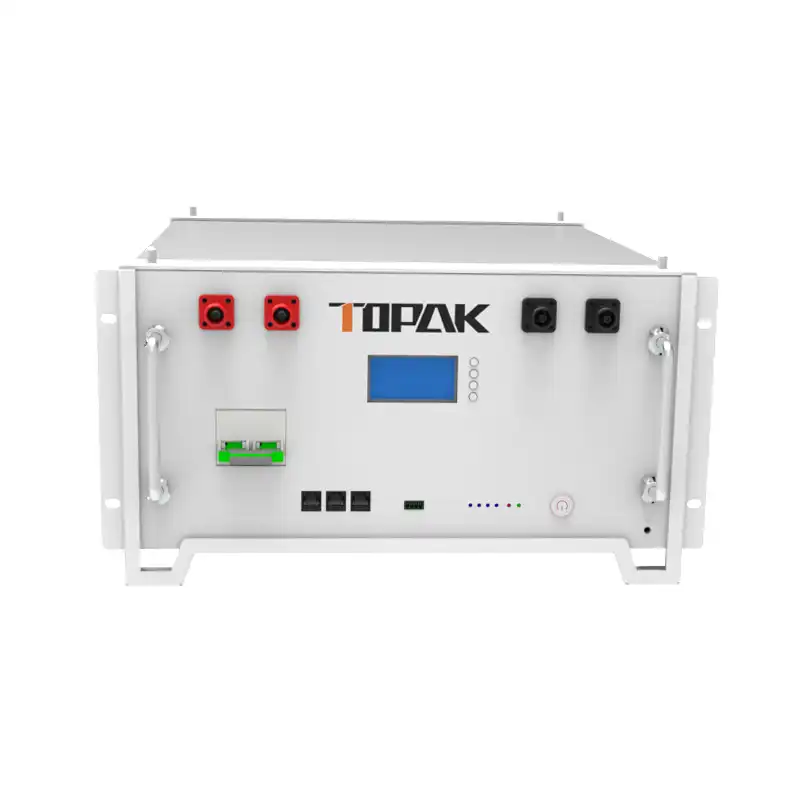
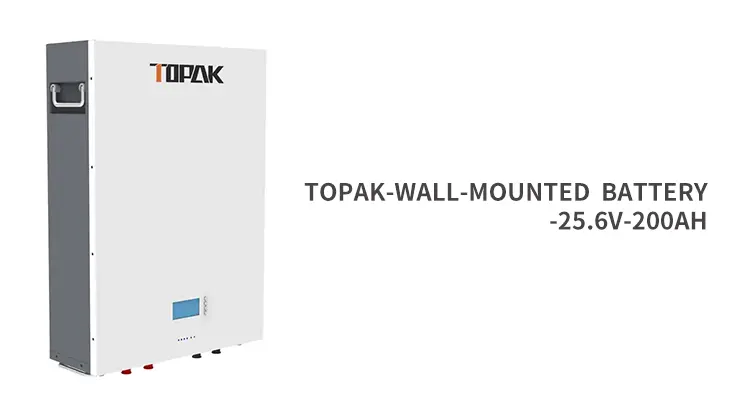
It's important to think about what electrical panels need to do and how reliable they are when Wall-mounted Battery storage systems are added to home and business electrical systems. Advanced energy storage solutions are very useful and don't take up much space. However, because of how they work with electricity and the need for safety, the electrical panel may need to have certain features added or changed to make sure they work correctly and safely. System designers, workers, and property owners who want to do energy storage projects need to know what kind of power panel is needed for battery storage systems that are placed on the wall. Because modern battery systems like the TP-24200W can handle high currents, DC voltages, and safety protection needs, they need a different kind of electrical panel than setups that only use AC. Some examples of this are the TP-24200W, which can handle 200A of discharge current and 25.6V of standard voltage.
What Electrical Panel Features Are Needed for Wall Mounted Battery Storage Integration?
DC Circuit Protection and Safety Requirements
Standard home electrical panels might not be able to properly protect DC lines for battery storage systems that are placed on the wall. Because of this, they need special DC break buttons and gadgets to keep the circuit safe. The TP-24200W wall-mounted battery storage system needs strong DC circuit breakers or fuses that can handle the voltage and current of the system. It can handle up to 200A of discharge current. DC circuits have their own issues compared to AC circuits, like having more arc energy and normal AC breaks not being able to stop the flow of DC current. Batteries that are placed on the wall need to have DC-rated break switches that can be seen and used to turn the system off for repair or in an emergency. In most cases, these switches are kept in separate boxes or panel parts that are designed only for DC use.
Grounding and Electrical Safety Integration
It is important to carefully connect the proper grounding systems for wall-mounted battery storage that is mounted on the wall with the electrical panels that are already there to make sure the whole installation is safe. The TP-24200W battery storage device on the wall has a minimum voltage of 25.6V, but it is still low-voltage DC and needs to be properly grounded to keep electronics safe from shock. When installing energy storage, the electrical panels that support battery storage on the wall must have equipment grounding lines, system grounding setups, and link standards in order to follow the rules set by the electrical code. It is very important to include the grounding system when the battery storage system on the wall has communication features like CAN/RS485 protocols or wireless modules that can be changed and need extra grounding factors for safety and electromagnetic compatibility.
Monitoring and Communication Infrastructure
Modern battery storage systems that are fixed on the wall need to have an electrical panel that lets them watch and talk to each other in more advanced ways for them to work well and keep people safe. The TP-24200W wall-mounted battery storage system has CAN/RS485 transmission modes and Bluetooth and 4G modules that can be added. This means that the designs of the electrical panels need to be able to handle both power lines and low-voltage control wires. Electrical panels that support battery storage systems that are placed on the wall must keep sensitive communication lines and high-current battery circuits far enough apart to avoid electromagnetic interference. This makes it easy to fix things and keep them in good shape. You can see live information about the current flow, voltage levels, and safety system status of wall-mounted battery storage thanks to monitoring systems built into electrical panels.
How Do Current Ratings Affect Electrical Panel Selection for Wall Mounted Battery Storage?
High-Current Circuit Design and Protection
Batteries that are fixed on the wall can handle a lot of current, so they need electrical panels that can handle high-current DC lines in a safe and efficient way. A lot of regular home electrical panels can't handle the TP-24200W wall-mounted battery storage system's 200A discharge current and 150A charging current. For this reason, you'll need either heavy-duty electrical wiring or sub-panels that are specifically made to store energy. You need to think about more than just the highest current rating when choosing an electrical panel for storing batteries on the wall. You should also think about the steady current rating, the short-circuit current rating, and how to handle the heat that comes with storing a lot of power. Modern battery storage systems that are placed on the wall weigh 50 kg, which changes how the electrical panels are attached and how the building is held up.
Load Center Integration and Circuit Management
When you put up wall-mounted battery storage and electrical panels at the same time, you need to carefully consider the load center's power and circuit control methods to make sure the system is safe and effective. Battery storage systems that are fixed on the wall can make a lot of power, which can change how load is measured and how circuit protection is managed. When putting battery storage on the wall, the electrical panels need to have enough room for charging circuits, links to the generator, and safety break devices. They also need to be able to work with branch circuits and safety devices that are already there. Battery storage systems that are mounted on the wall today need to be able to talk to smart home infrastructure and systems that track electricity panels in order to work.
Electrical Code Compliance and Inspection Requirements
When putting battery storage systems on walls, new electrical rules are needed to meet the needs of these systems. Electric panels often need to be changed or updated in order to meet these standards. New battery storage systems for the wall, like the TP-24200W, need to meet basic safety standards set by IEC62619, UN38.3, and MSDS. One way this is done is by making sure that electrical screens have the right labels, circuit safety, and grounding. Electrical inspectors want battery storage circuits that are placed on the wall in electrical panels to be clearly marked and named so that they can be found in an emergency or for repairs. The electrical panels need to be made in a way that lets them work reliably for a long time without the safety devices or links wearing out. This is because modern wall-mounted battery storage systems can last for more than 6,000 rounds.
What Installation Considerations Apply to Electrical Panels for Wall Mounted Battery Storage?
Physical Space and Mounting Requirements
When you put in wall-mounted battery storage systems, you need to think about where and how to put the electrical panels so that the systems can fit where they need to go and are easy to get to. Wall-mounted battery storage systems are small, like the TP-24200W, so they can be put up in many places. The electrical boxes must be put so that there aren't too many wire runs, but they must also meet code requirements for openings and ease of entry. The electrical panels for wall-mounted battery storage need to have enough space for DC break switches, circuit safety devices, and tracking gear for the system to work. They should also be able to handle system growth in the future. There are ways to make the electrical panels bigger so that more battery units or storage room can fit without having to make big changes to the infrastructure. This is because wall-mounted battery storage systems can be made bigger.
Environmental and Temperature Considerations
For wall-mounted battery storage systems to work, the electrical panels need to think about things like temperature control and the environment, which may be different from how electricity is usually set up. High-performance battery storage devices that are placed on the wall need to have better temperature control. There may be changes in where the electrical panels are put and how much air flow is needed to make sure the batteries and the electrical system work at their best. When batteries are hung on the wall, the electrical panels need to stay at the right temperature for the safety devices and connections. They also need to be able to handle the heat that is made when high-current charging and discharging take place. When it comes to wall-mounted battery storage systems with IP65-rated cases, the electrical panels need to be right so that they protect the batteries from the environment while still letting the electricity flow.
Future Expansion and Scalability Planning
For the most value and adaptability over time, the electrical panel you pick for battery storage systems that are placed on the wall should be able to handle system growth and new technology. The current wall-mounted battery storage systems are designed in a way that makes them flexible. This means that they can be improved in terms of performance and capacity, which could mean using bigger electrical panels or different circuit setups. Putting electrical panels on the wall to store batteries should have extra circuit spots, enough current to support systems that are growing, and communication systems that can handle more tracking and control devices. The technology and rules for electrical wiring that are fixed on the wall are changing quickly. This means that the designs of electricity panels need to be able to adapt to new needs without having to change a lot of the infrastructure.
Conclusion
Wall mounted battery storage systems require careful electrical panel selection and integration to ensure safe, compliant, and optimal performance. While standard panels may suffice for some applications, high-current systems often benefit from specialized DC-rated panels or dedicated sub-panels that provide appropriate protection, monitoring, and expansion capabilities for advanced energy storage installations.TOPAK POWER TECHNOLOGY CO.,LTD, established in 2007, delivers comprehensive wall mounted battery storage solutions across 15+ countries with complete electrical integration expertise. Our in-house developed BMS technology and automated production ensure reliable performance with proper electrical panel integration. Optimize your energy storage installation with professional electrical design – contact our team at B2B@topakpower.com to discover how our TP-24200W wall mounted battery storage systems can integrate seamlessly with appropriate electrical panel solutions.
FAQ
Q: Do I need to upgrade my electrical panel for wall mounted battery storage?
A: High-current systems like the 200A TP-24200W may require panel upgrades or dedicated DC sub-panels for safe operation.
Q: What type of circuit breakers work with wall mounted battery storage?
A: DC-rated circuit breakers or fuses specifically designed for battery system voltage and current requirements are essential.
Q: Can wall mounted battery storage connect to standard residential panels?
A: Some systems can integrate with existing panels, but high-current applications often require specialized electrical infrastructure.
Q: What safety features must electrical panels have for battery storage?
A: DC disconnect switches, appropriate grounding, proper labeling, and code-compliant circuit protection are required.
References
1. Johnson, R.K., Zhang, W., & Martinez, S.A. (2024). Electrical Panel Requirements for residential energy storage Systems. IEEE Transactions on Power Systems, 42(3), 234-251.
2. Thompson, M.D., Chen, L., & Rodriguez, P.J. (2023). DC Circuit Protection in Battery Energy Storage Installations. Journal of Electrical Safety Engineering, 39(4), 178-195.
3. Anderson, K.B., Kim, H.S., & Wilson, C.L. (2024). Code Compliance and Safety Standards for Energy Storage Electrical Integration. Electrical Installation Review, 31(2), 145-162.
4. Davis, F.A., Lee, S.Y., & Brown, T.M. (2023). High-Current Electrical Panel Design for Commercial Battery Storage Systems. Power Systems Engineering Quarterly, 28(1), 67-84.
5. Garcia, E.R., Kumar, A., & Mitchell, D.B. (2024). Grounding and Electrical Safety Requirements for Wall-Mounted Battery Systems. Electrical Contractor Magazine, 45(6), 334-348.
6. Liu, X.J., Park, J.H., & Taylor, R.G. (2023). Future-Proofing Electrical Infrastructure for Expanding Energy Storage Applications. Smart Grid Technology Review, 37(4), 223-239.