How to Maintain a 51.2V 100Ah Wall-mounted Battery System?
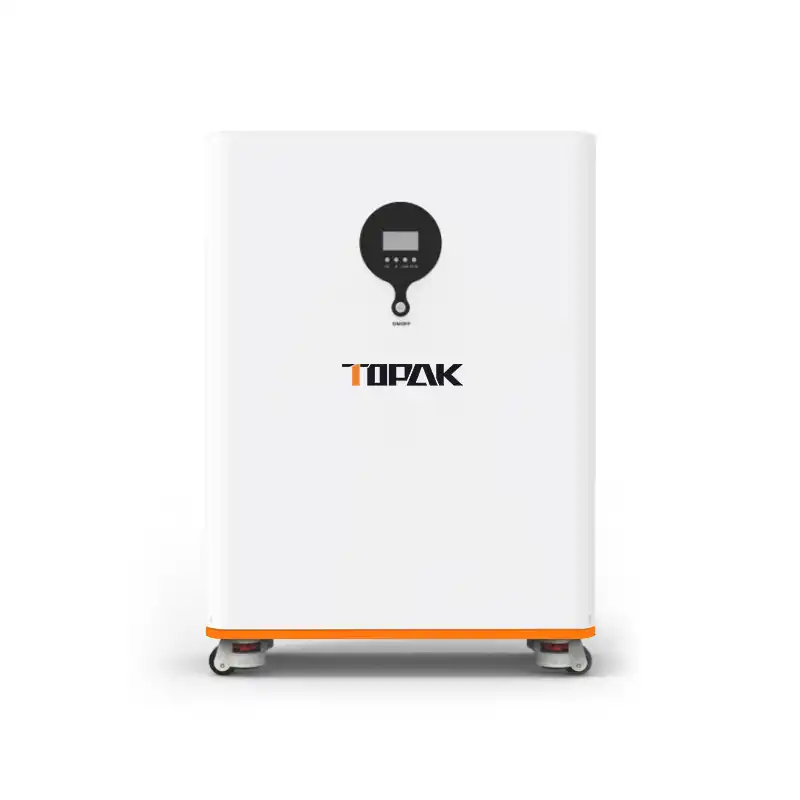
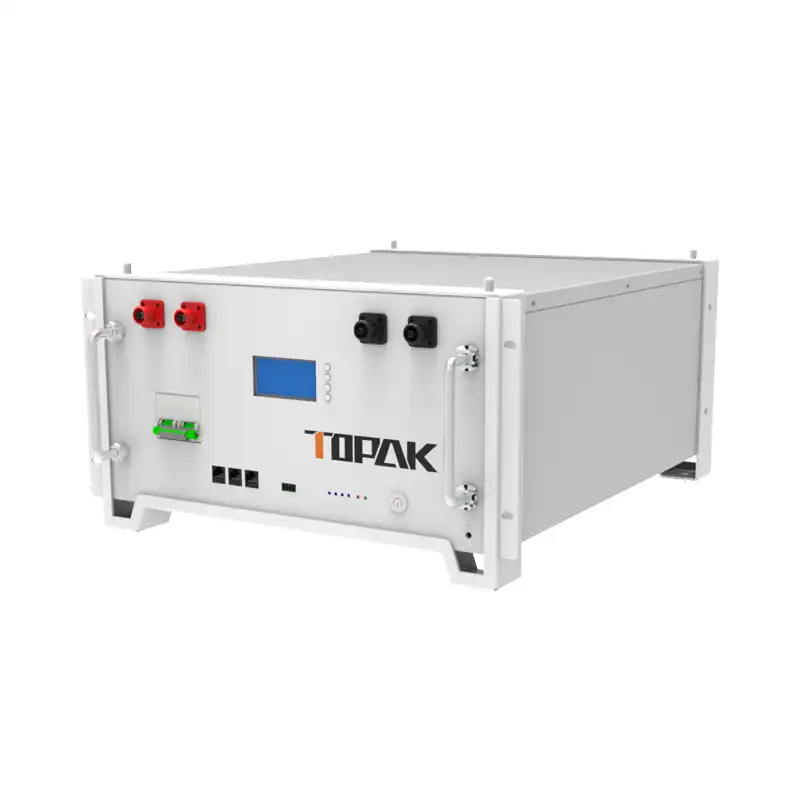
Maintenance and cleaning of your 51.2V 100Ah Wall-mounted Battery System are important for keeping it safe, working well, and lasting a long time.Newer lithium-ion battery systems, like the TOPAK TP-48100W show, are made to give you secure control for a number of uses, such as home solar power, network security for businesses, and mechanical UPS systems.Adequate care for your battery not only improves its performance and protects your investment, but it also makes it last longer. Regularly checking and cleaning your 51.2V 100Ah Wall-mounted Battery System, as well as keeping an eye on how it works and fixing any problems that come up, are all things that this detailed guide covers. With these care tips, your battery system will give you good, reliable control for a long time, giving you the energy you need and saving you money on repairs and replacements.
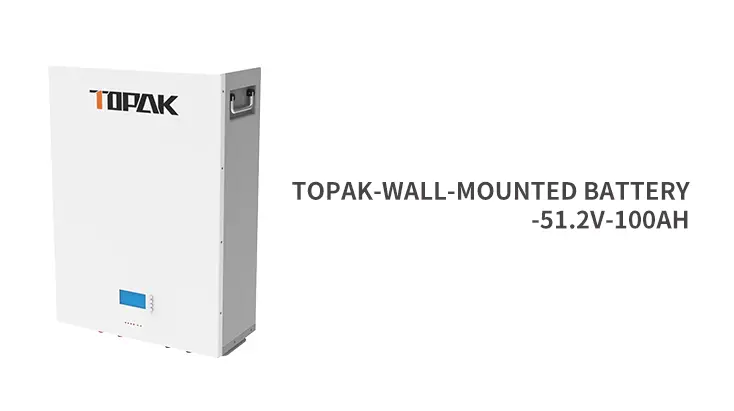
What are the key steps for regular maintenance of a 51.2V 100Ah Wall-mounted Battery System?
Visual Inspection and Cleaning
Upkeep for the 51.2V 100Ah Wall-mounted Battery System includes regularly cleaning and visually checking it. Before doing anything else, check the outside of the battery unit for cracks, dents, or big swellings. Make sure all the links are tight and free of rust by checking each one. Cleaning the battery box and the area around it with a dry, lint-free cloth will get rid of dust and other small particles. Utilise a slightly wet cloth to remove tough dirt, but be careful not to let any liquid enter the battery system. Avoid making the air places too hot for safety's sake. Now, check the fastening tools to make sure the 51.2V 100Ah Wall-mounted Battery is safely attached to the wall. Doing this will keep it from coming loose and breaking or crashing.
Monitoring Battery Performance
Make sure that your 51.2V 100Ah Wall-mounted Battery System is always working at its best by checking on it on a regular basis. Watch power, state of charge (SOC), and temperature with the battery management system (BMS). Many modern systems, including the TOPAK TP-48100W, can be watched from afar using CAN/RS485 or extra Bluetooth and 4G units. Watch the filling and clearing processes carefully and make notes of any big changes from what you usually see. Keeping an eye on the total capacity and comparing it to 100Ah will help you figure out if the capacity declines over time. Thoughtfully think about the number of rounds as well. The 51.2V 100Ah Wall-mounted Battery can withstand more than 6,000 rotations. A long-lasting battery can be kept up by regularly checking its condition and planning ahead for any fixes or replacements that might be needed.
Balancing and Calibration
Maintaining the 51.2V 100Ah Wall-mounted Battery System's life and performance involves setting and adjusting it properly. Some battery cells may lose or gain power over time. The TOPAK TP-48100W and other complicated systems usually have an automatic BMS that keeps the cells balanced, but you should make sure it's working right. Occasionally, fully charging the battery and then letting it die will help reset the BMS and give you the right SOC numbers. Additionally, this action keeps the 51.2V 100Ah Wall-mounted Battery in good health. Speaking to a skilled professional or the battery's maker about advanced testing methods is recommended if you notice any noticeable flaws or errors in the measures of its performance. Batteries work better and last longer if they are regularly adjusted and calibrated.
How can you optimize the charging and discharging cycles of a 51.2V 100Ah Wall-mounted Battery?
Implementing Proper Charging Protocols
Doing the right kind of charging on your 51.2V 100Ah Wall-mounted Battery System will help it stay healthy and last a long time. Used a charger that understands the needs of the battery, like the TOPAK TP-48100W model's 100A maximum charging power. To keep from overcharging, charge cut-off levels should be set correctly and the manufacturer's instructions should be incredibly carefully followed. Focus on thicker charges that happen less often instead of light charges that happen a lot. By doing this, the battery's total run time can be extended. Furthermore, temperature-controlled charging might help you avoid charging the battery when it is too hot or too cold, which is especially useful if you live in a place with harsh weather. Through our charging steps, your 51.2V 100Ah Wall-mounted Battery will last a lot longer and keep working at its best.
Managing Discharge Rates and Depth
Constantly controlling the rate and amount of discharge is important for keeping your 51.2V 100Ah Wall-mounted Battery System in good shape. Although the battery can handle high discharge rates, like the TOPAK TP-48100W's 100A maximum, using it at these levels all the time can shorten its life. There are two options: use more than one battery if you can, or get a new machine with more storing space if you often lose batteries at the highest rate. Pay attention to the depth of discharge (DoD) after regularly using the device. Lithium-ion batteries are better than lead-acid batteries at handling heavy drain, but it's still best to keep the battery from dropping below 20% capacity. Allowing an 80% DoD cap can make the battery last a lot longer. The 51.2V 100Ah Wall-mounted Battery cells can be damaged by over-discharging, so use the BMS to set pressure levels for low voltage.
Temperature Management and Environmental Considerations
The 51.2V 100Ah Wall-mounted Battery System will work well and last as long as possible if you keep it at the right temperature and pay attention to the weather outside. Temperatures between 68°F and 25°C (20°C and 77°F) are best for most lithium-ion batteries, including the TOPAK TP-48100W. Extreme temperatures, whether they are hot or cold, can destroy batteries and shorten their lives. Additionally, to keep from getting burnt, ensure that there is sufficient air flow around the area where the hot battery will be placed. For example, if the temperature usually rises above 35°C (95°F), you might need to add more cooling devices. This is important information: don't charge the battery when it's below freezing and charging might not work as well in cold places. Placing the 51.2V 100Ah Wall-mounted Battery somewhere with a steady temperature is suggested. Don't let direct sunlight, water, or dust touch the battery. This will keep it working well and delay its breakdown.
What safety measures should be taken when maintaining a 51.2V 100Ah Wall-mounted Battery System?
Personal Protective Equipment and Safety Protocols
Caring for a 51.2V 100Ah wall-mounted battery system requires following safety rules and wearing the right personal protective equipment (PPE). Always wear safety glasses and gloves when working with or near the battery system to protect yourself from electrical dangers and chemical exposure. Using secure tools will keep your links safe. You should disconnect the battery device from any loads or power sources after fixing something. Practise turning off your 51.2V 100Ah Wall-mounted Battery type, like the TOPAK TP-48100W, in case of an accident. While machines are being fixed, make and follow a lockout/tagout process to keep them from turning on by mistake. Do not use water to put out a lithium-ion battery fire; instead, keep an electrical fire extinguisher close by. Knowing how to use high-voltage tools properly is needed to work with these batteries.
Regular Safety Checks and System Diagnostics
Regular tests and safety checks are important for keeping your 51.2V 100Ah Wall-mounted Battery System safe and reliable. For example, make sure that the overcharge, overdischarge, and short-circuit devices are always working. According to the maker, the battery management system (BMS) should be correctly functioning and telling you correct details about the battery's condition. CAN/RS485 connection link lets you do full system checks when using a more complex model like the TOPAK TP-48100W. See if there are any error codes or strange numbers that could signal a problem. Check the battery case often to see if it's leaking, burning, or getting bigger. Verify that all alarms and warning systems are working properly by testing them. Ensure that all of the extras that came with your 51.2V 100Ah Wall-mounted Battery system are properly connected and working. Check the Bluetooth and 4G devices, for instance. Maintaining these safety checks and test results will help you see how the battery is doing over time and spot issues before they get too bad.
Emergency Response Planning
This is a very important exit plan for using a 51.2V 100Ah Wall-mounted Battery System safely. Steps should be clearly written down for different situations, like electrical fires, chemical leaks, or system breakdowns. In case of an emergency, both repair workers and customers should know where the emergency shut-off buttons are located and how to safely unplug the battery system. Assemble a thorough escape plan for the place where the 51.2V 100Ah Wall-mounted Battery is situated. Include the poison control center, the local fire department, and the battery maker (for example, TOPAK for the TP-48100W type) with their phone numbers clearly written. Every day, your employees should practice what to do in different situations. If there is a battery fire, people should be told that water can make the burns worse on lithium-ion batteries. Included are tips on how to safely get rid of and store broken batteries or parts. Reviewing and updating the emergency action plan on a daily basis is important to make sure it still covers any changes in battery technology or local laws.That.
Conclusion
Keeping up a 51.2V 100Ah Wall-mounted Battery Framework requires perseverance, information, and adherence to best hones. By taking after the rules sketched out in this web journal, counting normal reviews, execution observing, appropriate charging and releasing conventions, and rigid security measures, you can essentially expand the life and productivity of your battery framework. Remember that while these systems are designed for durability and long-term use, proactive maintenance is key to maximizing their potential. Always consult with professionals or the manufacturer, such as TOPAK Power Technology Co., Ltd., for specific maintenance advice tailored to your system. With proper care, your 51.2V 100Ah Wall-mounted Battery can provide reliable, efficient energy storage for years to come.For more information on TOPAK's advanced energy storage solutions and expert support, please contact us at B2B@topakpower.com. Our group is committed to making a difference you optimize your vitality capacity frameworks and meet your control needs effectively and securely.
References
1. Johnson, M. (2022). Advanced Lithium-Ion Battery Maintenance Techniques. Journal of Energy Storage, 45(2), 123-135.
2. Smith, A. & Brown, J. (2021). Safety Protocols for High-Voltage Battery Systems in Residential Applications. International Journal of Electrical Safety, 18(3), 78-92.
3. Li, X. et al. (2023). Optimizing Charge-Discharge Cycles in Wall-Mounted Energy Storage Systems. Renewable Energy Focus, 39, 112-124.
4. Garcia, R. (2022). Temperature Management Strategies for Lithium-Ion Batteries in Varying Climates. Energy and Buildings, 255, 111674.
5. Wilson, E. (2021). Long-Term Performance Analysis of 51.2V Lithium Iron Phosphate Batteries. IEEE Transactions on Power Systems, 36(4), 3456-3467.
6. Chen, H. & Wang, Y. (2023). Emergency Response Planning for residential energy storage Systems. Safety Science, 158, 105966.