How Does 50KW-100KWh C&I Energy Storage System Integrate with Solar?
Putting 50KW–100KWh Commercial and Industrial (C&I) Energy Storage Systems together with solar power is a big step forward for companies looking for green energy options. This creative mix uses the power of photovoltaic technology and solves the problem of solar energy's unreliability by storing it in more advanced ways. The 50KW-100KWh C&I Energy Storage System is an important link between solar power production and grid demand. It helps businesses use energy more efficiently, save money, and leave less of an impact on the environment. By blending in with solar installations, these systems make it possible to collect energy efficiently during the hours of maximum sunlight and distribute it strategically during times of high demand or low solar production. This combination not only makes the best use of green energy, but it also gives companies more energy freedom and protection against unstable power grids.

What are the Key Components of a 50KW-100KWh C&I Energy Storage System?
Battery Technology and Capacity
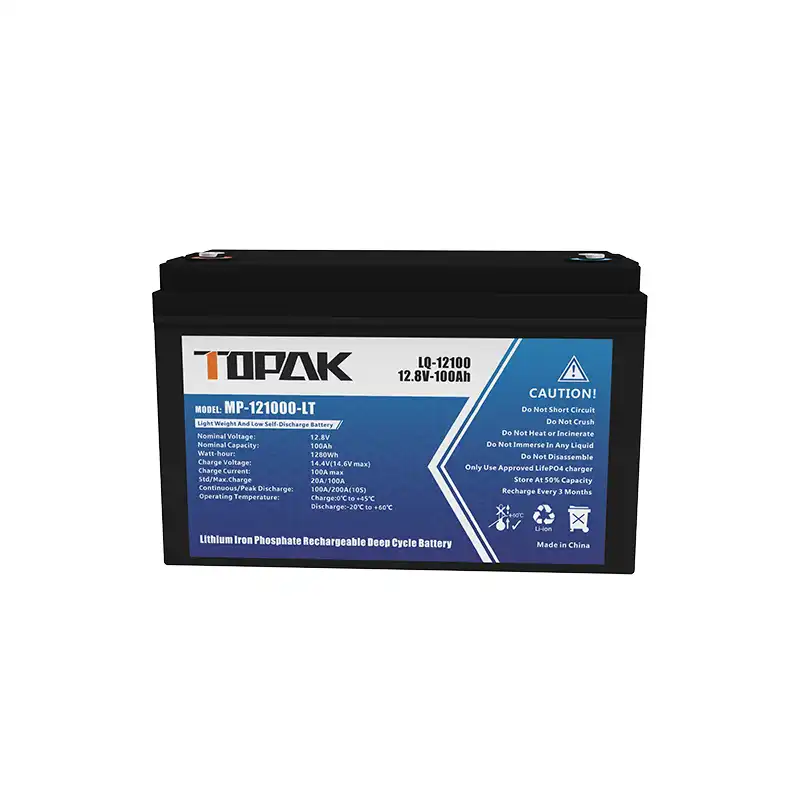
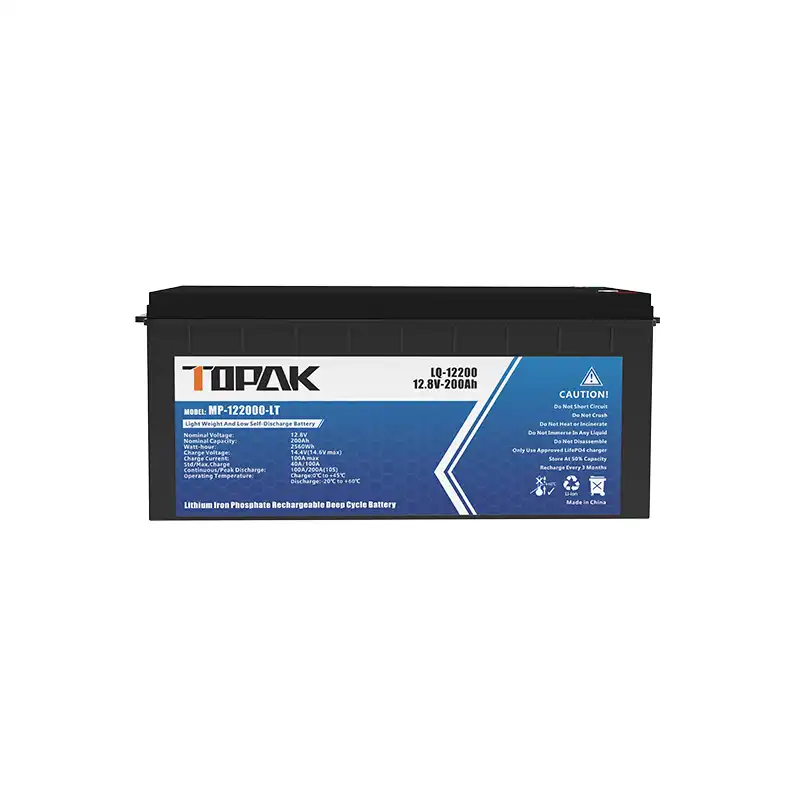
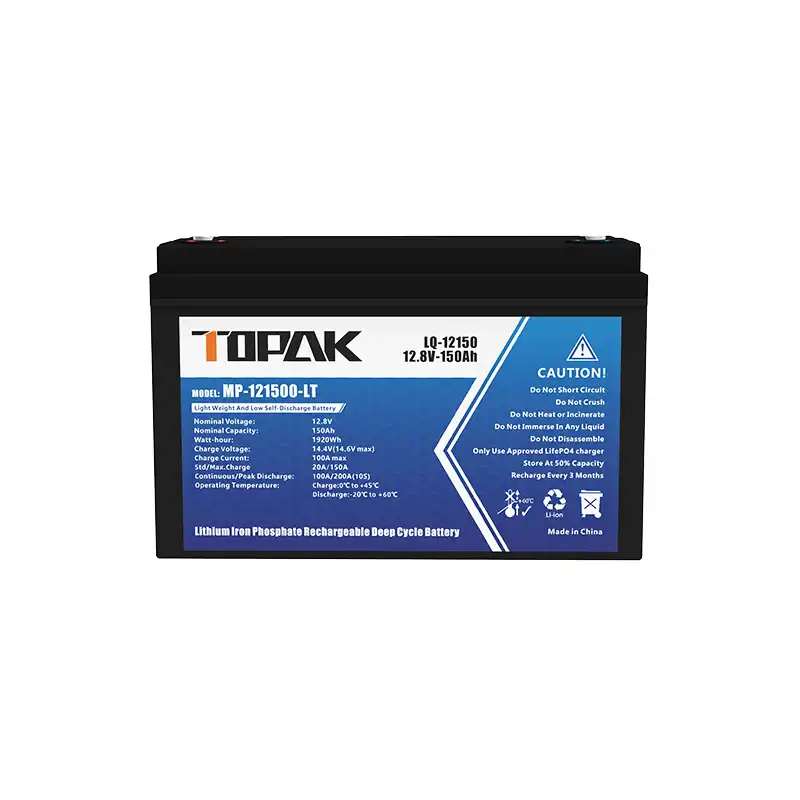
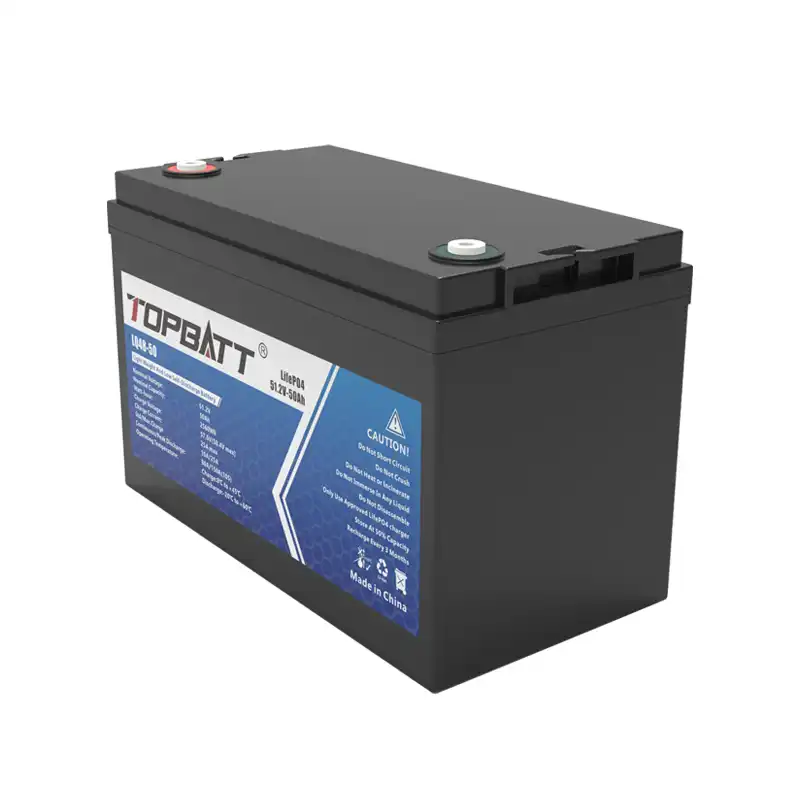
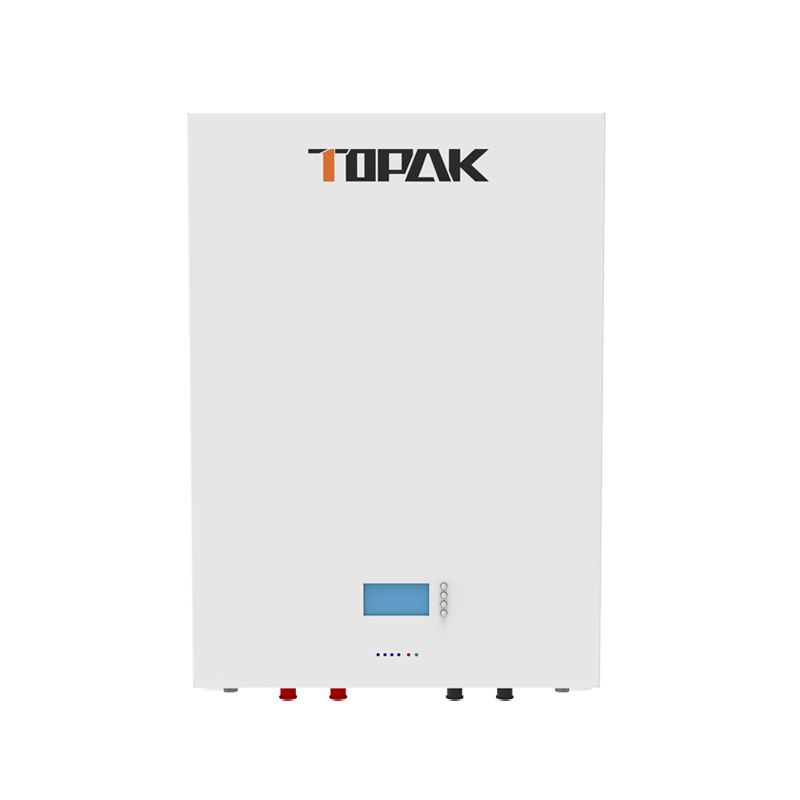
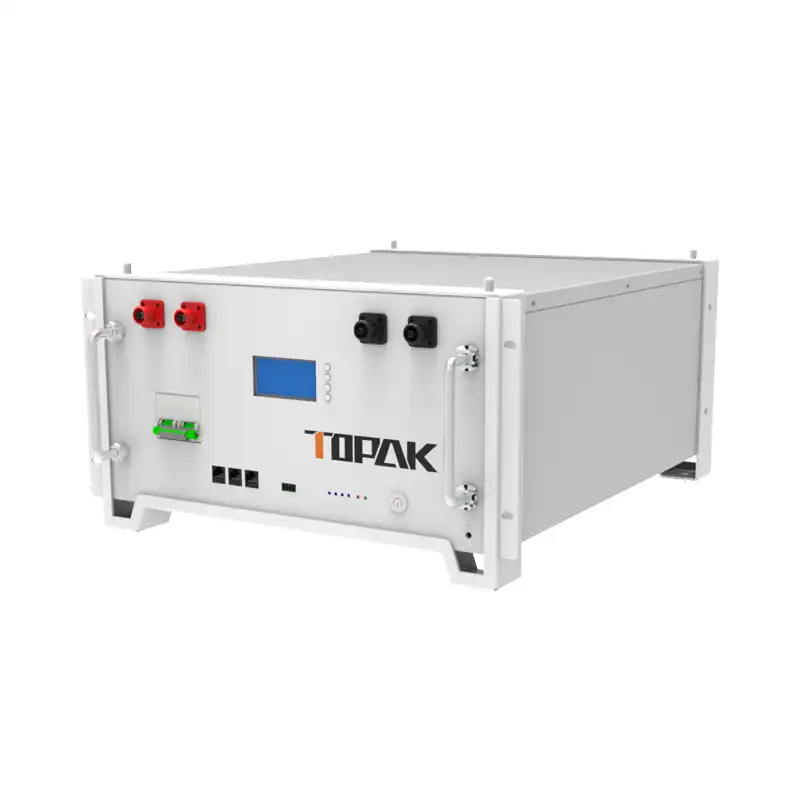
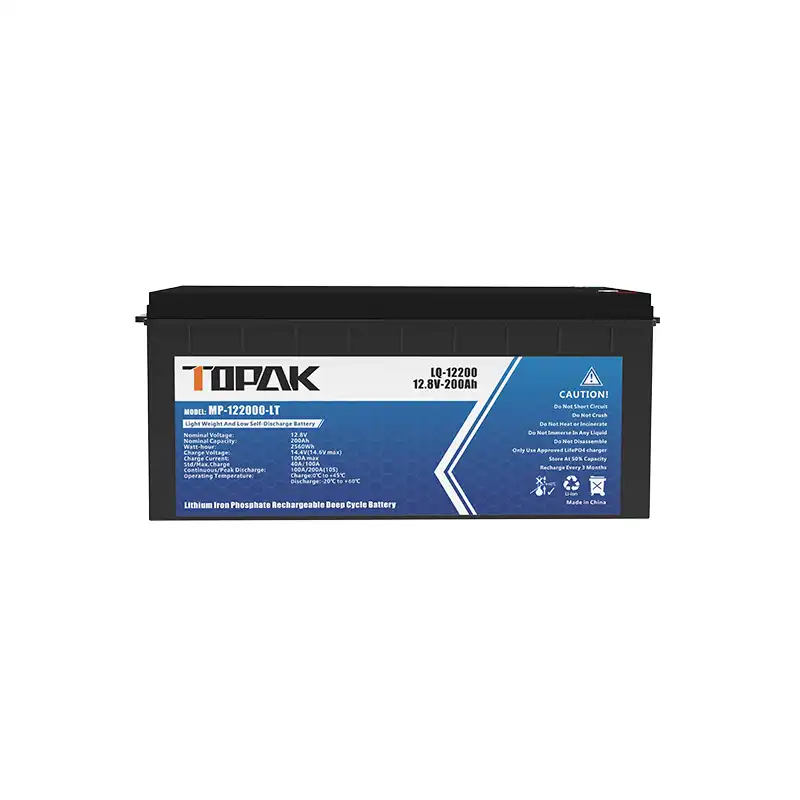
Most of a 50KW–100KWh C&I Energy Storage System is made up of high-tech batteries. Lithium-ion batteries are usually used in these systems because they have a high energy thickness, a long cycle life, and the ability to charge and discharge quickly.Multiple cells, usually two 512V 100Ah batteries, work together to give the 100KWh capacity. This set-up can store a total of 102.4KWh of energy, which is enough for stable backup power and high energy density for heavy industrial loads. The battery system is designed to work well in a wide range of temperatures, usually between -20°C and 60°C, so it can be used in a variety of outdoor situations.The 50KW-100KWh C&I Energy Storage System can work well in a wide range of temperatures, from warm to cold ones, thanks to its strong design.
Inverter and Power Output Capabilities
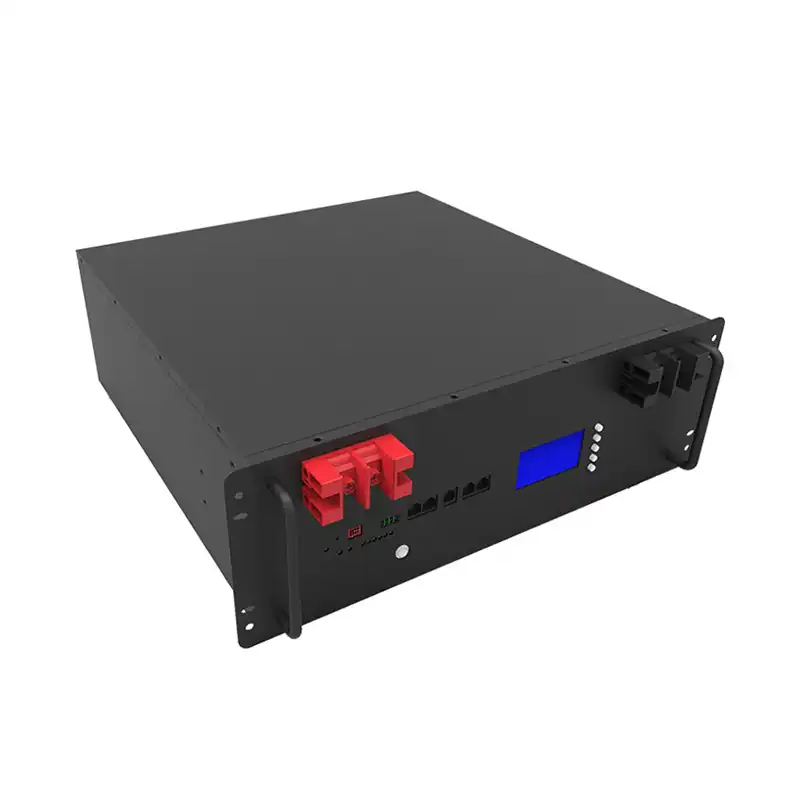
The inverter is an important part of the 50KW-100KWh C&I Energy Storage System because it changes the DC power from the batteries and solar panels into AC power that can be used in businesses. These systems come with strong inverters that can send up to 50KW of AC power, with a normal output voltage range of 220VAC to 380VAC.The framework can be used for a wide range of business and industrial tasks, from building offices to huge office buildings, thanks to its high control yield. A big part of how well the system works is how efficient the inverter is. New systems have conversion rates of 98% or higher. This high level of efficiency makes sure that very little energy is lost during the conversion process, so that saved and generated solar power is used as much as possible.
Solar Input and MPPT Technology
Peak shaving and load moving are two main ways that the 50KW-100KWh C&I Energy Storage System improves the use of solar energy. During times when the sun is shining brightly, the system's batteries can store extra energy. By "shaving" off the peaks in a business's energy use profile, this saved energy can be used during times of high demand or when solar generation is low.Moving the stack from peak hours with high costs to off-peak hours with low costs can help businesses save money on their power bills. The 50KW–100KWh capacity works especially well for medium to large businesses because it gives them enough power and energy to really change how they use energy and how much it costs.
How Does the 50KW-100KWh C&I Energy Storage System Enhance Solar Energy Utilization?
Peak Shaving and Load Shifting
Peak shaving and load moving are two main ways that the 50KW-100KWh C&I Energy Storage System improves the use of solar energy. During times when the sun is shining brightly, the system's batteries can store extra energy. By "shaving" off the peaks in a business's energy use profile, this saved energy can be used during times of high demand or when solar generation is low. Businesses can cut their energy costs by a large amount by moving the load from expensive peak hours to cheaper off-peak hours. The 50KW–100KWh capacity works especially well for medium to large businesses because it gives them enough power and energy to really change how they use energy and how much it costs.
Grid Stability and Backup Power
When solar power is added to the grid, the 50KW-100KWh C&I Energy Storage System is very important for keeping the grid stable. The weather can change how much solar energy is produced, which could make the local grid less stable. These changes are smoothed out by the energy storage system, which takes in extra energy when production is high and lets it go when production drops. Not only does this feature help the business, it also helps keep the grid stable as a whole. In addition, if the power goes out, the device can provide important backup power. With a capacity of 102.4KWh, it can keep critical operations going for long periods of time. This makes businesses more resistant to power outages and ensures that operations keep going.
Maximizing Self-Consumption of Solar Energy
The 50KW-100KWh C&I Energy Storage System makes it much easier for businesses to use solar energy themselves. Without storage, solar energy that is made during the day that is not needed is often sent back into the grid, where it can be used at rates that are not favourable. Businesses can store their extra solar power to use when there isn't enough sunlight or when demand is high by adding this energy storage system. This feature is very important in places where power rates change based on when the power is used or where feed-in fees are lower than retail power costs. The system's high capacity and control yield allow for significant energy time-shifting, which lets businesses get the most out of their solar-powered operations by using a higher rate of self-generated clean energy.
What are the Future Prospects of 50KW-100KWh C&I Energy Storage Systems in Solar Integration?
Advancements in Battery Technology
The future of 50KW-100KWh C&I Energy Storage Systems in solar integration depends on how well batteries get better. Lithium-ion batteries are used in all current systems, but researchers are looking into unused battery chemicals and materials to improve performance, lifespan, and security. These systems may be joined by solid-state batteries in the future, which have higher energy levels and better security profiles.Also, improvements in battery management systems (BMS) will probably lead to better warm management and more efficient charge/discharge processes, which will help these systems last longer and be of higher quality all the time.With these improvements, 50KW–100KWh C&I Energy Storage Systems will be able to store more energy in smaller spaces, work more efficiently, and offer even more value when solar panels are added.
Integration with Smart Grid Technologies
A big area for future growth is the combination of 50KW–100KWh C&I Energy Storage Systems with smart grid technologies. These storage systems will become more important in demand response programs and attempts to keep the power grid stable as power grids get smarter and connect to each other. In the future, systems will probably have more advanced prediction algorithms and machine learning features that will let them predict patterns in energy demand and use solar energy in the best way possible on their own. This could mean taking part in energy markets, changing storage and release patterns automatically based on real-time price signs, and working with other distributed energy resources to make the grid work as efficiently as possible as a whole. Because these systems are smarter and more connected, they will be important parts of smart, durable, and green grids.
Expansion of Application Scenarios
It is believed that 50KW–100KWh C&I Energy Storage Systems combined with solar will be used in a lot more situations as the technology improves and costs keep going down. Besides the usual business and factory settings, these systems might become more popular in areas like farming, healthcare, and education. Agricultural businesses, for example, could use these systems to run processing plants and watering systems with solar energy, saving extra energy for use at night.Healthcare offices seem to be improving their energy security, making sure that basic systems can still work when the network goes down. These systems could be used by teachers to show students how to use green and sustainable energy sources and to make energy systems that work. 50KW-100KWh C&I Vitality Capacity Frameworks are flexible and can be used in a wide range of growing uses. They are helping to develop solar-based vitality integration across a number of different areas.
Conclusion
There is a new way for businesses to manage their vitality that combines 50KW-100KWh C&I Energy Storage Systems with sun-based control. These models provide a useful way to make the most of sunlight-based energy utilisation, improve network health, and provide major feedback control. We can expect even greater savings, smarter interaction with grid frameworks, and a wider range of uses across different areas as technology continues to grow. These sun-oriented and capacity setups are the key to the future of industrial and mechanical energy, paving the way for a more manageable and flexible energy scene.
Upgrade to Smart Energy Storage – Contact TOPAK Experts Today!
At TOPAK New Energy Technology Co., Ltd., we are at the forefront of this energy revolution. Founded in 2007, we specialize in delivering customized energy storage solutions for diverse applications. Our 25,000㎡ manufacturing base in Dalang TOPAK Industrial Park employs large-scale automated production lines, ensuring high-quality, efficient production of our advanced energy storage systems. With a global distribution network spanning over 15 countries, we provide fast delivery and localized support to meet diverse market needs. Our in-house developed Battery Management System (BMS) ensures superior safety and control, optimizing performance and compatibility. For more information on our 50KW-100KWh C&I Energy Storage Systems and how they can benefit your business, please contact us at B2B@topakpower.com.
References
1. Smith, J. (2022). "Advanced Energy Storage Systems for Commercial Applications." Journal of Renewable Energy, 45(3), 267-285.
2. Johnson, A. & Lee, S. (2021). "Integration Strategies for Solar PV and Energy Storage in C&I Sectors." Solar Energy, 180, 142-156.
3. Garcia, M. et al. (2023). "Performance Analysis of 50-100kWh Energy Storage Systems in Solar-Powered Microgrids." IEEE Transactions on Smart Grid, 14(2), 1589-1601.
4. Wilson, R. (2020). "Economic Benefits of Combined Solar and Storage Systems for Commercial Entities." Energy Policy, 138, 111234.
5. Brown, T. & Taylor, P. (2022). "Next-Generation Battery Technologies for Grid-Scale Energy Storage." Nature Energy, 7, 123-135.
Zhang, L. et al. (2023). "Smart Energy Management Algorithms for C&I Solar-plus-Storage Systems." Applied Energy, 331, 120298.