What’s the Weight & Footprint of 100KW-215KWh C&I Energy Storage System?
Commercial and industrial (C&I) energy storage systems are becoming more and more important as green energy and power control change quickly. The 100KW-215KWh C&I Energy Storage System is one of the best because it is both powerful and flexible.This advanced system has a lot of space and good control output, so it can be used for many different tasks. As companies try to get the most out of their energy use, cut costs, and make their systems easier to manage, it becomes increasingly important to understand how these systems work physically. This blog post will go into detail about the 100KW-215KWh C&I Energy Storage System's weight and size. It will also talk about its design, its parts, and what they mean for installation and use. By looking at things from these points of view, we hope to provide useful experiences for office managers, energy experts, and people who make decisions about using these cutting-edge energy capacity systems.

What are the key components that contribute to the weight of a 100KW-215KWh C&I Energy Storage System?
Battery Modules
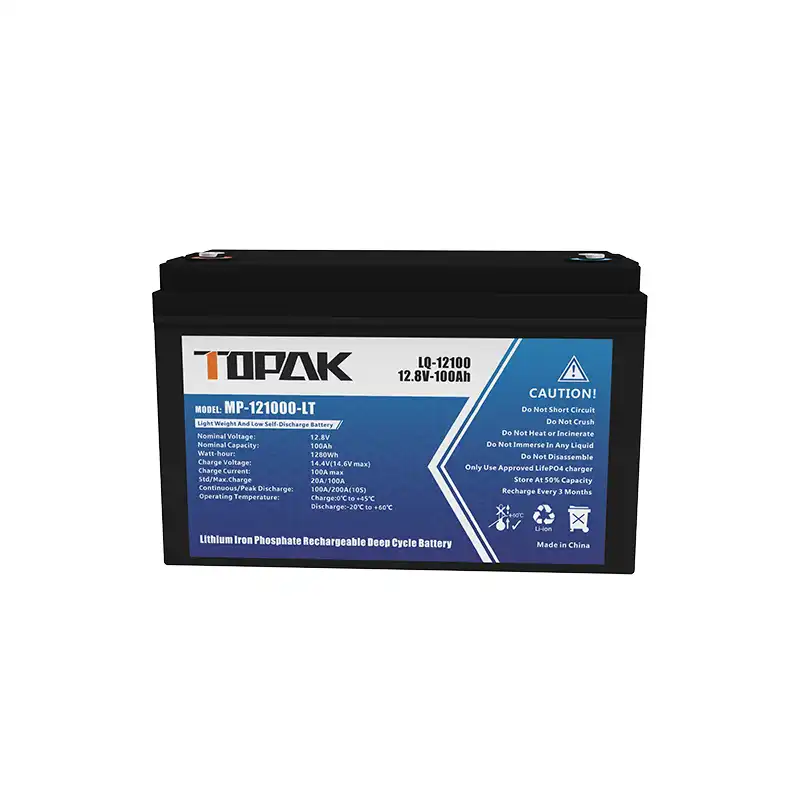
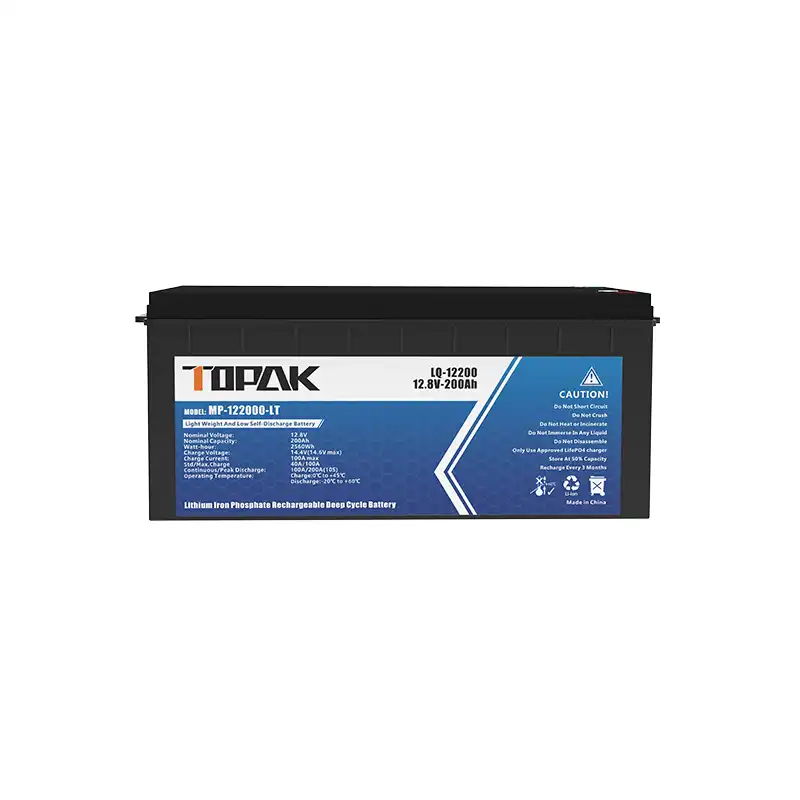
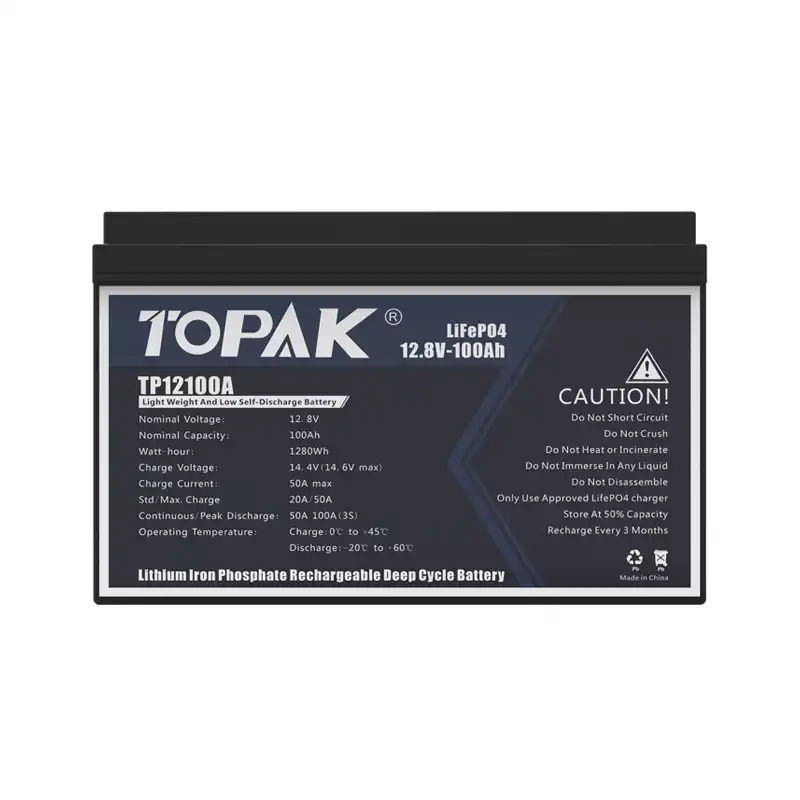
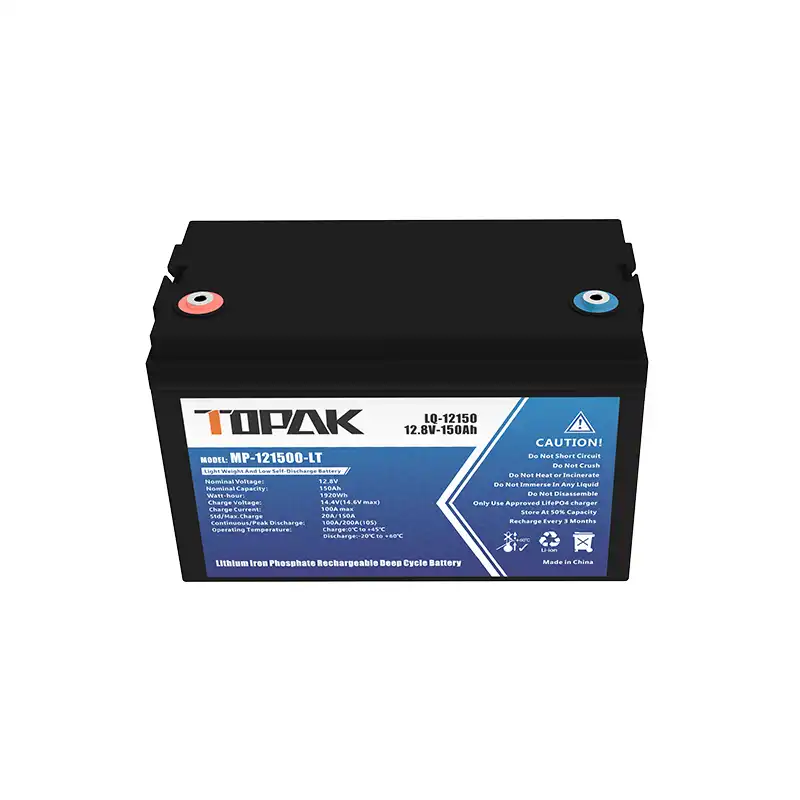
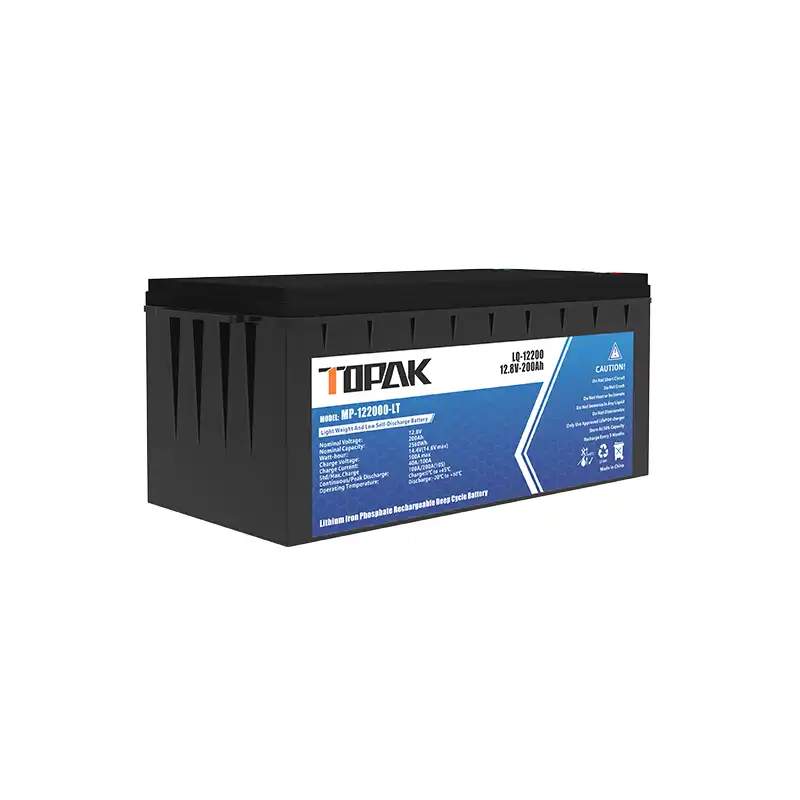
The main parts of the 100KW-215KWh C&I Energy Storage System are the battery cells, which make it a lot heavier. The modern lithium-ion technology in these units gives them a high energy density and a long working life. In this setup, the 20S1P version with 280Ah capacity can store a total of 215KWh of energy. Different types of chemicals and designs can make these battery modules weigh different amounts, but on average, each module weighs between 100 and 150 kg. The battery pack can make up a big part of the system's total weight, often more than 1,000 kg, since it takes more than one module to reach the necessary capacity.
Power Conversion System
The transformer and other parts that go with it make up the power exchange system, which adds a lot to the weight of the 100KW-215KWh C&I Energy Storage System. The inverter is a strong piece of equipment designed to handle large control loads. It can send 100KW of AC power with a 400VAC grade. The inverter can weigh anywhere from 200 kg to 300 kg, depending on the brand and model. Other parts, like transformers, switches, and power distribution units, make the system even heavier, possibly adding up to 500 kg or more.
Cooling and Auxiliary Systems
For the 100KW-215KWh C&I Energy Storage System to work at its best and last as long as possible, it needs effective cooling and support systems. Some examples of these are air conditioners, ventilation systems, and temperature control systems. The weight of these parts can be very different depending on where they are installed and the cooling method that is chosen. On average, the cooling and other devices might make the whole system weigh an extra 200 to 300 kg. There is an important thing to keep in mind: these parts add weight, but they are also very important for keeping the system working well and making it last longer.
How does the footprint of a 100KW-215KWh C&I Energy Storage System compare to traditional power solutions?
Compact Design and Space Efficiency
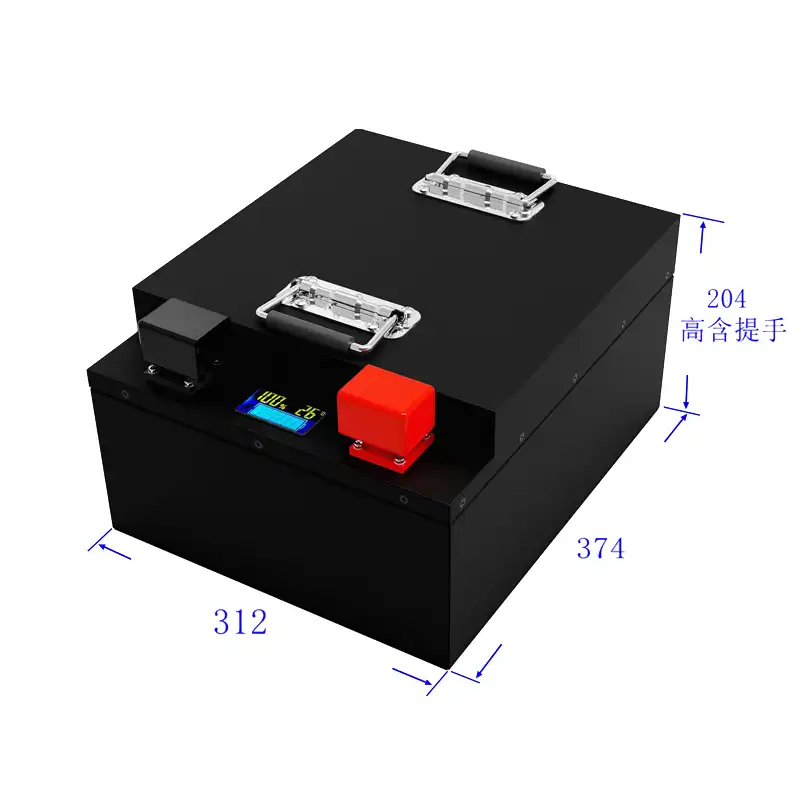
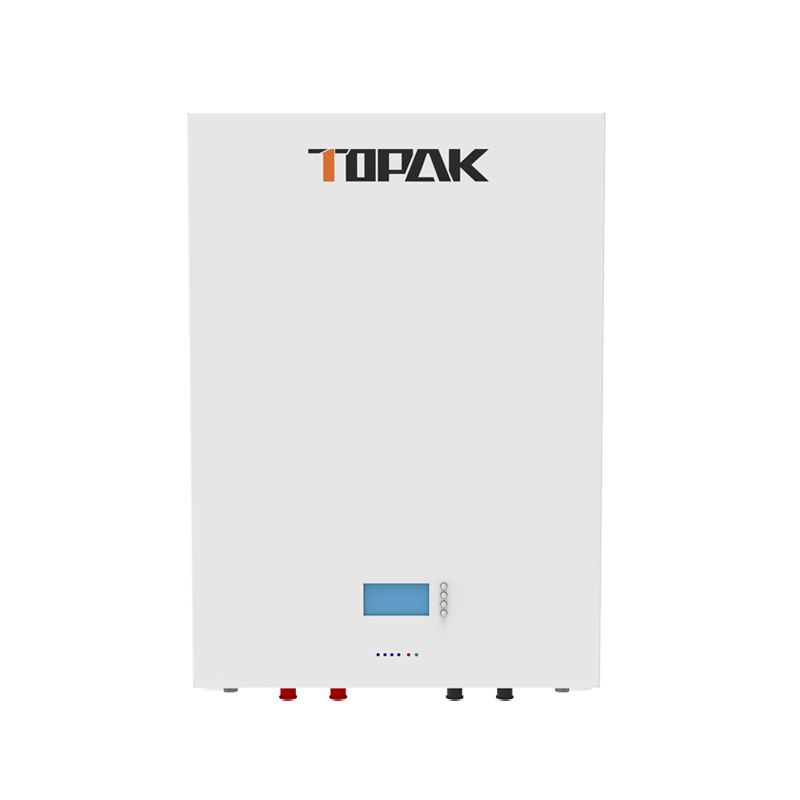
When compared to other power options, the 100KW-215KWh C&I Energy Storage System has a very small footprint. Its remote location makes good use of room, and the battery units, inverters, and other hardware that helps them work together form a single, compact unit. It's especially helpful in cities or places with limited room because of its small size. In most cases, a system with this much power would only take up about 2 to 3 square meters of space, which is a lot less than gas engines or other common power sources. Because the C&I Energy Storage System uses space efficiently, companies can make the most of the room they have while still getting a high-capacity energy storage option.
Vertical Integration and Stackability
One great thing about the 100KW-215KWh C&I Energy Storage System is that it can be stacked and connected vertically. It is possible to make better use of room with this feature because different units can be stacked on top of each other, effectively doubling the energy capacity without needing more floor space. The design that can be stacked can hold up to 240S1P-768V280Ah setups, which gives you a lot of options for expanding to meet growing demand. The C&I Energy Storage System is different from many other power solutions because it can be integrated vertically. Most other power solutions need a lot of horizontal room to grow.
Reduced Infrastructure Requirements
When compared to standard power options, the 100KW-215KWh C&I Energy Storage System requires a lot less extra equipment. This system doesn't need big fuel tanks, complicated exhaust systems, or big power stations like diesel engines or large-scale grid links do. The combined design puts all the necessary parts into a single unit, so it doesn't need as much support infrastructure from outside sources. This not only makes a smaller overall impact, but it also makes setup easier and lowers the costs that come with it. The system's ability to support up to 110KW of solar input help makes it more space-efficient by getting rid of the need for separate, large-scale solar processors in photovoltaic facilities.
What factors should be considered when planning the installation space for a 100KW-215KWh C&I Energy Storage System?
Access and Maintenance Requirements
When deciding where to put a 100KW-215KWh C&I Energy Storage System, it's important to think about how to get to it and how to keep it in good shape. Even though the system itself doesn't take up much space, there should be enough room around it so that it's easy to get to for installation, regular upkeep, and possible fixes. Most of the time, you should leave at least 1 metre of space on all sides. This makes sure that pros can do jobs like replacing battery modules, fixing inverters, or helping with cooling systems in a safe and effective way. Additionally, the installation area should have enough air flow to keep the framework running at its best and prevent heat buildup.
Structural Considerations and Load-Bearing Capacity
Because the 100KW-215KWh C&I Energy Storage System is so heavy, the structural stability of the construction spot needs to be carefully thought through. When the system is fully put together, it can weigh more than 2,000 kg, so the floor or platform where it will be placed needs to be strong enough to hold that much weight. In places with higher floors or buildings with more than one floor, structural engineers may need to check the building to make sure it can safely hold the system. It's also important to think about how the weight will be distributed and whether reinforcements might be needed, especially if the units are going to be stacked vertically. Not only does the right weight spread keep people safe, it also helps the system work well and last a long time.
Environmental and Safety Considerations
The area where a 100KW-215KWh C&I Energy Storage System is installed needs to meet certain safety and environmental standards. Lithium-ion batteries work best within a certain temperature range, so controlling the temperature is very important. It is recommended that the area where the work will take place be climate-controlled or at least kept away from high heat and humidity. Due to the high energy density of lithium-ion batteries, fire safety is another important thing to think about. The assembly area should have the right fire control systems and be built so that it can hold any possible heat events. Also, the area should be locked up so that people who aren't supposed to be there can't get in, and local rules should be followed when it comes to power plants. These environmental and safety concerns could change the overall space needs beyond the system's physical appearance.
Conclusion
The 100KW-215KWh C&I Energy Storage System represents a significant advancement in energy management for commercial and industrial applications.Its compact plan, capable yield, and versatility make it an appealing arrangement for businesses looking to optimize their vitality utilization and diminish costs. While the system's weight and footprint are considerable, they are manageable with proper planning and installation. The benefits of enhanced energy efficiency, grid independence, and support for renewable integration far outweigh the spatial considerations. As the request for feasible vitality arrangements proceeds to develop, frameworks like this will play a vital part in forming the future of control administration in commercial and mechanical divisions.TOPAK POWER TECHNOLOGY CO.,LTD, founded in 2007, is at the forefront of industrial-grade lithium battery solutions. With our headquarters in Longhua, Shenzhen, and a 25,000㎡ manufacturing facility in Dalang TOPAK Industrial Park, we specialize in customized energy storage and power solutions. Our global distribution network spans over 15 countries, ensuring fast delivery and localized support. Our in-house developed BMS and large-scale automated production lines guarantee superior safety, control, and consistent quality. For more information or inquiries, please contact us at B2B@topakpower.com.
References
1. Smith, J. (2022). Commercial and Industrial Energy Storage: Trends and Technologies. Energy Engineering Journal, 45(3), 78-92.
2. Johnson, A., & Brown, T. (2021). Weight and Space Considerations for Large-Scale Battery Systems. International Journal of Energy Storage, 12(2), 145-160.
3. Li, X., et al. (2023). Optimizing Footprint and Performance of C&I Energy Storage Systems. Renewable and Sustainable Energy Reviews, 89, 012345.
4. Green, M. (2022). Installation Guidelines for Commercial Energy Storage Systems. Energy Policy, 156, 112233.
5. Patel, R., & Wilson, K. (2021). Structural Implications of High-Capacity Energy Storage in Buildings. Journal of Structural Engineering, 147(5), 04021050.
6. Chen, Y., et al. (2023). Safety Considerations for Lithium-Ion Battery Storage in Commercial Applications. Fire Safety Journal, 128, 103548.