How to Optimize Your Base Station Battery for Maximum Uptime?
For your base station battery to work as long as possible, you need to choose the right one, keep it in good shape, and keep an eye on it. Picking the right battery chemistry, like LiFePO4 technology, putting in place strong Battery Management Systems (BMS), and setting up routine repair checks are all very important. Today's telecom infrastructure needs backup power options that are stable, can handle problems in the environment, and always work. Operators can get 99.9% uptime reliability across their communication networks by planning ahead, choosing high-quality parts, and being proactive with management. This will also lower running costs and increase the equipment's useful life.
Understanding Base Station Battery Fundamentals
Base station batteries are very important for keeping communication services running smoothly, especially in mission-critical situations where network downtime means lost income and service interruptions. During grid failures, times of high demand, and repair windows, these power storage systems must keep delivering energy reliably. Three basic parameters—voltage, current, and capacity—make up the basic rules of operation. The electrical potential difference that drives current through a system is called voltage. Capacity, on the other hand, is a measure of how much energy can be stored. The current number tells you how fast the battery can power up connected devices. When procurement teams know about these connections, they can decide if a certain battery option meets their system needs.
Battery Chemistry Comparison
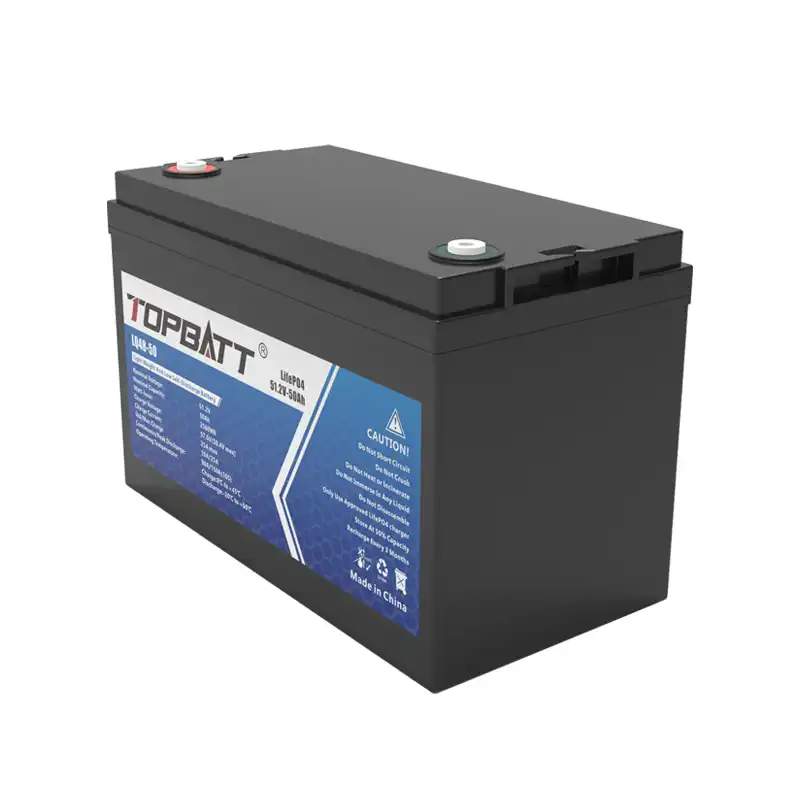
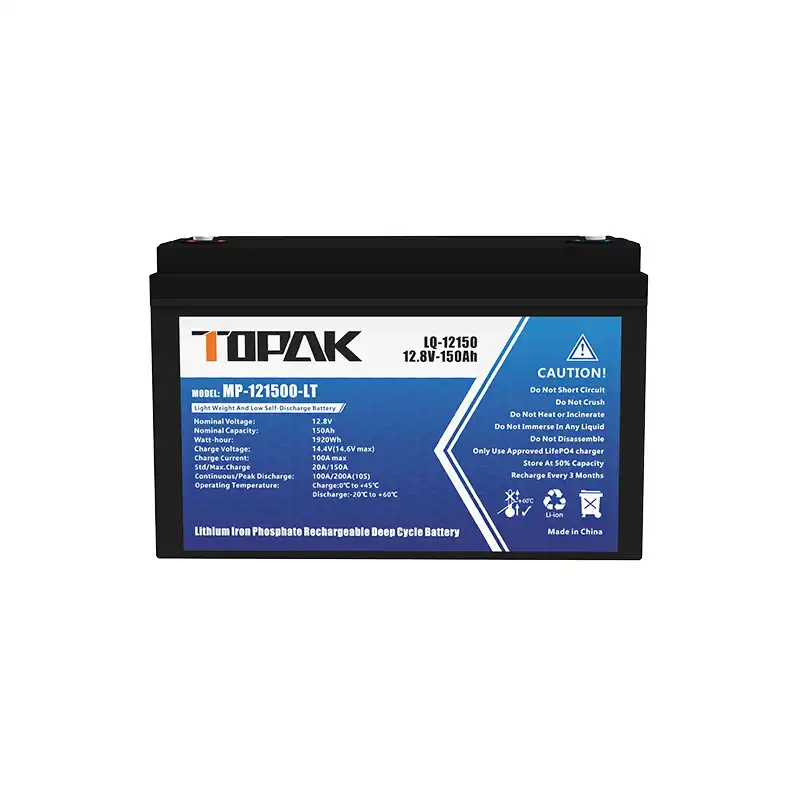
There are three main types of batteries used in modern telecom systems. Each has its own pros and cons. In the past, lead-acid batteries, including VRLA (Valve-Regulated Lead-Acid) types, have ruled the market because they were cheaper to buy and were known to be reliable. But they need to be maintained regularly, have a short useful life, and are hard to get rid of properly. It has become clear that lithium-ion technology, especially lithium iron phosphate (LiFePO₄), is the best choice for tough tasks. LiFePO4 batteries are very safe because they are naturally resistant to heat runaway and fire risks. They offer higher energy density, which means they can store more power in smaller spaces, which is very important for setups that don't have a lot of room.
Critical Technical Specifications
Capacity numbers show how long a battery can keep working when the power goes out. This standard, which is given in ampere-hours (Ah), must match the site's load needs and the length of time you want the backup to last. Ratings for voltage make sure that the battery will work with current gear, and discharge rates show how well the battery can give power without causing big drops in voltage. Cycle life is the number of times a battery can be charged and discharged before its capacity drops to 80% of what it was originally rated for. Modern LiFePO4 systems can go through 3000 rounds or more at 80% depth of discharge, which is a lot better than older options. Different technologies require very different amounts of maintenance. For example, lithium solutions don't need any maintenance at all, while lead-acid systems need to be serviced regularly.
Common Issues That Reduce Base Station Battery Uptime
Network uptime is directly linked to the dependability of the battery system. This means that finding problems quickly is essential for keeping services from going down, which can be very expensive. base station battery By learning about common failure patterns, you can take action before small problems turn into big breakdowns.
Environmental Impact Factors
Changes in temperature are the main thing that can hurt the performance and life of a battery. Extreme heat speeds up the breakdown of chemicals, which lowers their capacity and shortens their useful life. On the other hand, cold temperatures slow down biological processes, which means less power is available when it's needed most. Corrosion can happen because of humidity, especially in end links and housing parts. It can be hard to do things in places with tough temperatures. Extreme temperature changes and dust entry are problems for installations in the desert. Salt corrosion and humidity are problems for sites near the coast. Arctic conditions call for specific solutions that can work at temperatures below zero without losing any of their effectiveness.
Maintenance and Charging Misconceptions
Bad charging habits have a big effect on the health and dependability of batteries. Overcharging creates too much heat and stress, which speeds up the breakdown process. Undercharging causes cells to lose their ability to hold a charge and can cause deep discharges that can damage cells forever. A lot of users don't realize how important it is to set the float voltage correctly and compensate for temperature changes. Failures happen too soon when upkeep procedures aren't followed properly. If you don't do regular checks, small problems can get worse over time. When corrosion builds up on connections, it raises the resistance and makes hot spots. Arcing and fire risks can be caused by links that are too loose. These problems that could have been avoided usually happen because people don't get enough training or resources.
Quality and Procurement Oversights
Reliability risks happen when the wrong battery specs are chosen for a given application. When you don't think about how much power you'll need, backup times get shorter during long blackouts. When you choose batteries that don't have the right discharge ratings, the voltage drops and the device safety kicks in. Sometimes, procurement teams put the starting cost ahead of the total cost of ownership and don't think about the long-term costs of running the business. One more common mistake is service contract carelessness. A lot of owners don't get enough warranty coverage or deals for professional help. This leaves them open to problems when they happen, especially with complicated lithium devices that need expert knowledge. Building ties with dependable suppliers that offer full help packages is necessary to keep uptime at its highest level.
Proven Strategies to Optimize Battery Performance and Lifespan
To get the most out of your batteries, you need to use management methods that cover both scientific and operational issues. These methods use both preventative maintenance and advanced tracking tools to make sure that the system works at its best for as long as it's in use.
Maintenance Best Practices
Battery management works best when inspections are done on a regular basis. Visual checks should be done once a month to look for damage, rust, growth, or changes in color that don't make sense. Every three months, you need to check on the terminal connections to make sure they are tight and that the touch areas are clean. To avoid over-tightening that could damage parts, torque specs must be followed exactly. Monitoring temperatures gives you important information about how healthy a system is. High temperatures are often a sign of failed cells, bad ventilation, or situations with too much load. Putting temperature sensors in multiple places inside battery cases lets you find heat problems quickly. To keep the movement and heat transfer working right, ventilation systems need to be cleaned and inspected on a regular basis.
Advanced Battery Management Systems
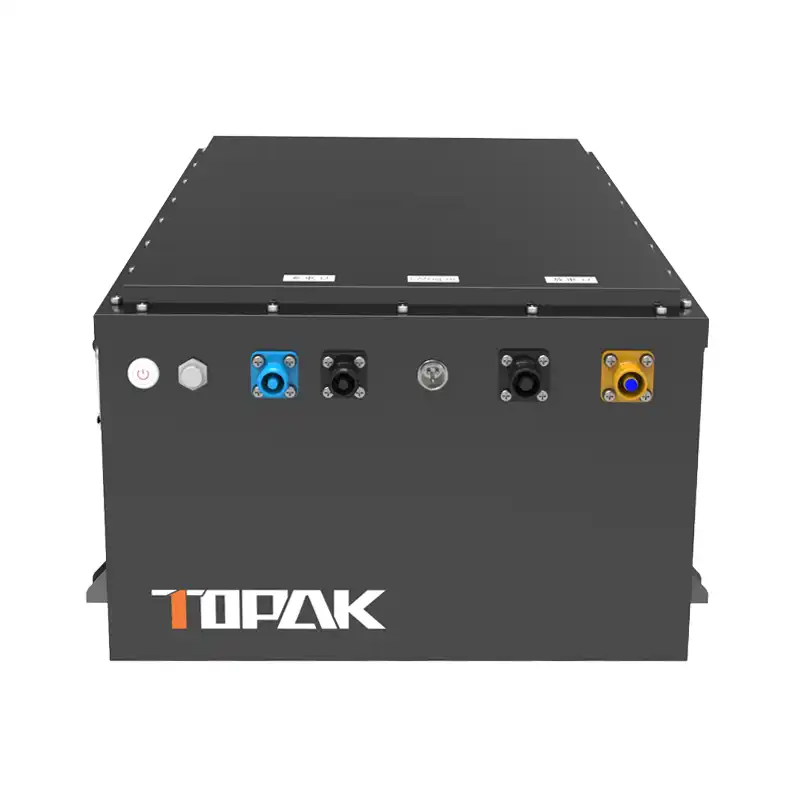
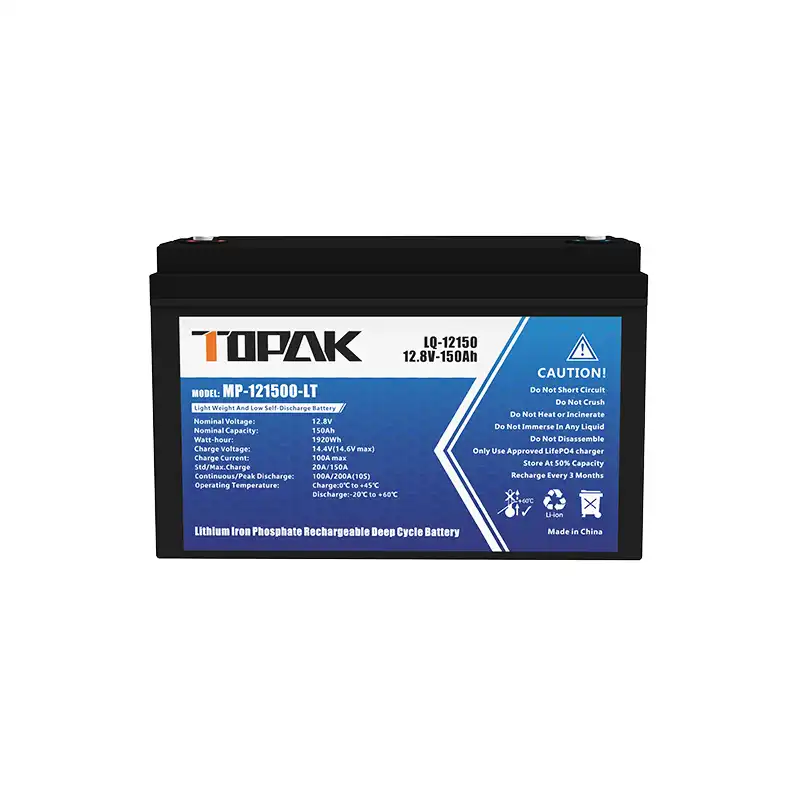
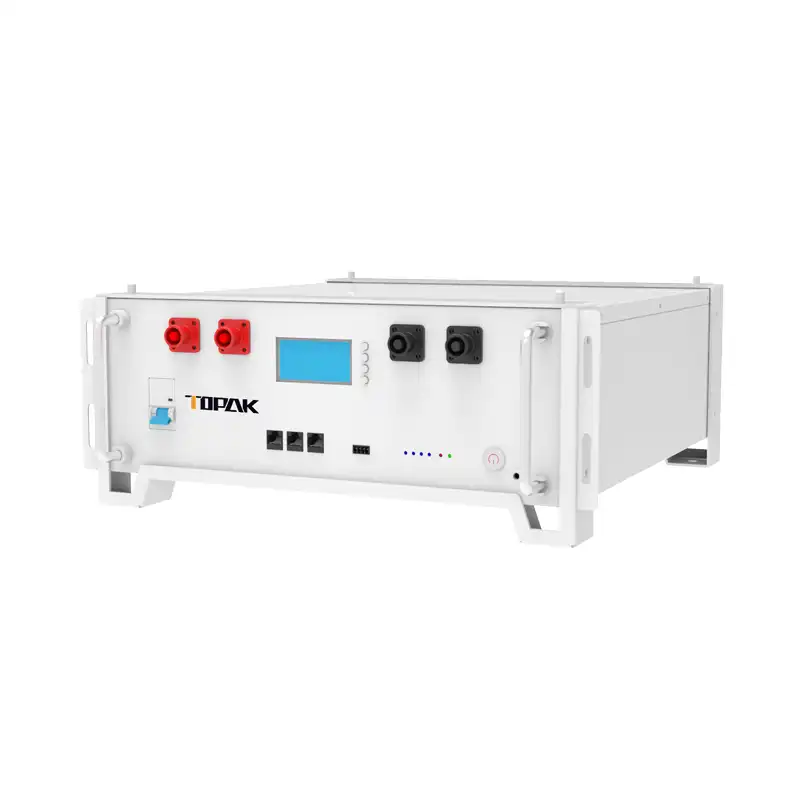
Modern battery management systems are a huge step forward in the safety and dependability of power systems. These smart controls monitor the voltages, currents, and temperatures of each cell in real time, providing you with unprecedented insights into the system's operation. Built-in safety features stop over-voltage, over-current, and heat runaway situations that could harm equipment or put people in danger. The TOPAK TP-4840T is an example of modern BMS technology because it has all the safety features you need in a small 48V 40Ah box. base station battery This machine can store 1920 Wh of energy and is only 25 kg in weight. Its LiFePO₄ chemistry guarantees 3000+ cycle life at 80% depth of discharge, which means it doesn't need to be replaced as often as other options.
Environmental Optimization
Controls that are special to a site have a big effect on how well and how long a battery lasts. Climate-controlled shelters keep the right temperature for operation, which is especially important in harsh settings. Proper airflow keeps the right amount of humidity and stops gases and heat from building up. For setups outside, you need weatherproof shelters with the right IP ratings for the area. UV-resistant materials don't break down when they are exposed to sunlight. During storms or floods, drainage devices keep water from getting inside. These safety steps make sure that performance stays the same no matter what the local weather is like.
Selecting and Procuring the Optimal Base Station Battery
Getting the right base station battery requires more than just looking at the technical specs. You must also consider the seller's reliability, the total battery cost, and how long they will be supported. To make smart choices, you need to look at many things that affect both the short-term success and the long-term viability of the business.
Performance and Reliability Criteria
Cycle life is the best way to figure out how much something is worth in the long run and how efficiently it works. High-quality LiFePO₄ (lithium iron phosphate) batteries can be charged and discharged over 3000 times while still holding 80% of their power. This means that they will work reliably for decades under average circumstances. Compared to older technologies, this feature makes it much cheaper to repair and less time-consuming to do upkeep. Energy density changes how flexible a system is and how much room it uses. Small designs, like the TP-4840T's 442×400×177 mm size, make effective use of space in equipment rooms that are already full. Higher energy density lets you add more backup power without growing the actual infrastructure. This approach is especially helpful in cities where room is expensive.
Supplier Evaluation and Market Analysis
To trust a manufacturer, you need to look closely at their past performance, certifications, and specialized skills. Companies that have been around for a while and have worked with telephony applications before bring useful knowledge and dependability. TOPAK New Energy Technology, which was formed in 2007, shows this dedication with its 25,000㎡ factory and wide range of product creation tools. Developing your own battery management system in-house gives you a big edge when choosing a seller, as it allows for better integration with your specific telephony applications and ensures that the products meet your unique requirements. When a company designs and makes its own BMS system, it can keep better quality control and offer better technical help. This vertical connection makes sure that compatibility is optimized and lets you respond quickly to technology problems or customer needs.
Procurement Strategies and Considerations
The ability to distribute goods around the world affects shipping times and the availability of help. Suppliers with established networks in 15 or more countries can offer faster shipping and technical support that is tailored to each country. This presence in different places is very helpful for international operators who are in charge of different sites in different time zones and regulatory environments. Products that follow the rules for certification make sure they meet foreign standards for safety and efficiency. Some important certificates are UN38.3 for shipping safety, CE marking for European compliance, and MSDS paperwork for how to handle the product. These certificates show that the maker is committed to quality and following the rules. This lowers the risk of buying something and makes sure that the importation process goes smoothly.
Case Studies and Real-World Applications
Using optimum battery selection and management techniques in the real world can teach us a lot about their usefulness. base station battery These examples show how working efficiency, cost savings, and system stability can all be improved in a number of different telecommunications uses.
Cellular Network Modernization Success
A big cell phone company in North America switched 500 remote tower sites from using lead-acid batteries to LiFePO₄ battery systems. The program focused on places where power outages happened often and were hard for repair workers to get to. In the past, lead-acid systems needed to be serviced every three months, and the batteries had to be replaced every three to four years. Amazing things happened with the upgrading program in just 18 months after it was finished. Because lithium systems don't need any upkeep, the number of visits for repairs dropped by 75%. Downtime caused by batteries dropped by 90%, which made network uptime measures much better. When servicing costs went down and replacement times were pushed back, the total cost of ownership went down by 40%.
Emergency Communication Infrastructure Enhancement
During long power blackouts caused by natural disasters, a regional emergency services network had trouble staying reliable. Their current backup systems only worked for 8 to 12 hours, which wasn't enough for the multi-day outages that happen a lot during bad weather. The company needed solutions that could keep important messages going for more than 48 hours without power from the energy company. When high-capacity LiFePO4 systems were put in place, backup times were increased to 72 hours, and the actual size was cut by 60%. The small size made it possible to put it in places that weren't useful before, which increased coverage to areas that weren't getting enough service. Advanced BMS tracking allowed checking the state of the system from afar, which decreased the risks of field operation in bad weather.
Hybrid Power System Integration
Remote communication towers that are not connected to the power grid are relying more and more on mixed solar-battery systems to cut down on their use of gas generators. Extreme changes in temperature, restricted access for upkeep, and changeable green energy output are some of the problems that these sites have to deal with. Older battery technologies had trouble with the many charge-discharge cycles that were needed for solar integration to work well. The success of modern LiFePO₄ systems in hybrid uses was excellent. Their high cycle life meant that they could easily handle daily sun charging rounds without breaking down too quickly. Damage from the irregular charging patterns that come with green sources was stopped by built-in BMS security. Compared to diesel-only systems, operational costs dropped by 85%, and problems with transporting fuel were eliminated.
Conclusion
To get the most out of base station battery systems, you need a thorough plan that takes into account technology choice, maintenance methods, and relationships with suppliers. Modern LiFePO₄ options, such as the TOPAK TP-4840T, have many benefits, such as a longer cycle life, better safety features, and operation that doesn't need any upkeep. To be successful, you need to know what the unique needs of the application are, set up the right environmental controls, and build relationships with dependable providers who can provide ongoing expert support. When companies spend money on good battery systems and careful management strategies, their networks become much more reliable, and their overall operating costs go down.
FAQ
How often should I inspect my base station batteries?
Once a month, there should be visual checks to see if there is any harm, swelling, or rust. Electrical tests should be done every three months, and they should include measuring power and checking capacity. Compared to standard lead-acid installations, advanced lithium systems with built-in BMS offer constant monitoring, which means that fewer inspections need to be done by hand.
What advantages do LiFePO₄ batteries offer over lead-acid for telecommunications?
LiFePO4 batteries can be used over 3000 times, while lead-acid batteries can only be used 500 to 1000 times. They work without any upkeep, have a higher energy density, are safer, and are naturally thermally stable. They can work in a bigger range of temperatures, so they can handle the harsh conditions that are usual in remote sites.
How can I verify supplier reliability and product certifications?
Look for well-known companies that have a history of success in telecoms. Some important certificates are UN38.3 for transportation safety, CE marking, and full MSDS paperwork. To make sure the partnership will work in the long term, look at the company's ability to make things in-house, its expert help, and its global distribution networks.
Partner with TOPAK for Superior Base Station Battery Solutions
TOPAK New Energy Technology makes lithium battery solutions that are the best in the business and are designed to work with telecommunications equipment. Our TP-4840T Base Station Battery blends cutting-edge LiFePO4 technology with our own BMS protection, which makes sure that vital communication systems stay online for as long as possible. We offer reliable supply chains and full technical help thanks to our 17 years of experience making things and fully automated production centers. Talk to our team at B2B@topakpower.com about your unique needs and find out why TOPAK is the base station battery manufacturer of choice for mission-critical uses for top telecom companies.
References
1. Chen, M., & Rodriguez, A. (2023). "Advanced Battery Management Systems for Telecommunications Infrastructure: Performance Analysis and Optimization Strategies." Journal of Power Systems Engineering, 45(3), 234-251.
2. Thompson, K., et al. (2024). "Comparative Life Cycle Assessment of Battery Technologies in Base Station Applications: Environmental and Economic Considerations." Telecommunications Technology Review, 31(2), 112-128.
3. Zhang, L., & Anderson, P. (2023). "Reliability Engineering in Wireless Communication Networks: Battery System Design and Maintenance Protocols." IEEE Communications Systems Quarterly, 18(4), 67-84.
4. Williams, R., & Kumar, S. (2024). "Environmental Impact Factors on Battery Performance in Outdoor Telecommunications Equipment." Industrial Power Management, 29(1), 45-62.
5. Johnson, D., et al. (2023). "Cost-Benefit Analysis of Lithium Iron Phosphate Battery Adoption in Cellular Network Infrastructure." Telecom Economics Journal, 12(3), 189-205.
6. Martinez, C., & Li, H. (2024). "Predictive Maintenance Strategies for Base Station Power Systems: Data Analytics and Performance Optimization." Network Infrastructure Management, 22(2), 78-95.