How Long Will a 48v 50ah lifepo4 Battery Last Under Load?
A 48V 50Ah LiFePO4 battery runtime under load depends primarily on the power consumption of your equipment. With its 2560 Wh energy capacity, this lithium iron phosphate battery can power a 100 W device for approximately 25 hours, a 500 W load for 5 hours, or a 1000 W system for 2.5 hours. The actual duration varies based on discharge rate, ambient temperature, and battery management system efficiency, which can significantly affect the overall performance and lifespan of the battery under different operating conditions. The latest LiFePO₄ technology provides steady voltage while the battery is being used, which helps it work reliably until it reaches the suggested 80% discharge level for the best battery
Understanding the Lifespan of a 48V 50Ah LiFePO₄ Battery Under Load
To find out how long your lithium iron phosphate (LiFePO4) battery will last under certain loads, you need to know how a number of linked factors affect its performance and life. The connection between load needs and battery life is more complex than just math. It includes real-world factors that affect how efficiently energy is delivered.
Load Characteristics and Discharge Patterns
How much electricity you use has a big effect on how long your batteries last. Continuous loads, such as telecommunications equipment or backup systems for data centers, steadily draw power, allowing you to calculate the power discharge. In ideal conditions, a 48V 50Ah device that delivers 2560Wh can handle a 200W constant load for about 12.8 hours. But irregular loads are different because starting currents and power spikes can briefly lower the amount of capacity that can be used. Variable loads, in which equipment goes back and forth between high and low power states, are common in industrial settings. This trend can be seen in electric trucks, automatic guided cars, and robotics systems. When these tools are working hard, they may draw the most power from the battery. The battery management system can balance the cells and keep the temperature just right when not in use.
Environmental Factors Affecting Performance
Temperature has a big effect on how well and how long a lithium iron phosphate battery works. Operating temperatures between 20°C and 25°C are best for getting the most out of the system. Available capacity can drop by 10–20% when temps drop below 0°C, which shortens the total runtime. Conversely, temperatures exceeding 40°C can trigger thermal safety mechanisms, which momentarily reduce discharge rates to prevent cell damage. In industrial settings, humidity and shaking are also very important. Batteries are put through different kinds of environmental stresses in marine uses, solar energy systems, and mobile tools, such as exposure to extreme temperatures, humidity fluctuations, and physical vibrations that can affect their performance and longevity. To keep working well in a wide range of situations, high-quality LiFePO₄ (lithium iron phosphate) batteries have strong housings and smart battery management systems that optimize their performance.
Cycle Life and Long-term Durability
At 80% depth of drain, the 6000-cycle life rate is a very long time compared to other battery technologies. This standard means that the bike can be cycled every day for about 16 years, given that it is charged correctly and is kept in a good environment. Knowing the cycle life helps procurement pros figure out the total cost of ownership and when to replace important apps. Batteries can last longer if they go through partial shutdown cycles. Operating between a 20% and 80% state of charge instead of full discharge cycles could raise the cycle count above what is recommended. When it comes to energy storage systems and backup power, this method works especially well because the maximum runtime might not be needed during every discharge event.
Technical Specifications and Performance Metrics of 48V 50Ah LiFePO₄ Batteries
Modern lithium iron phosphate technology gives these batteries better performance, which makes them perfect for demanding industry uses. Engineers and procurement specialists can make smart choices about system integration and performance standards when they know the technical specs, such as energy density, charge cycles, and discharge rates, which are critical for evaluating the suitability of these batteries for specific applications.
Core Electrical Characteristics
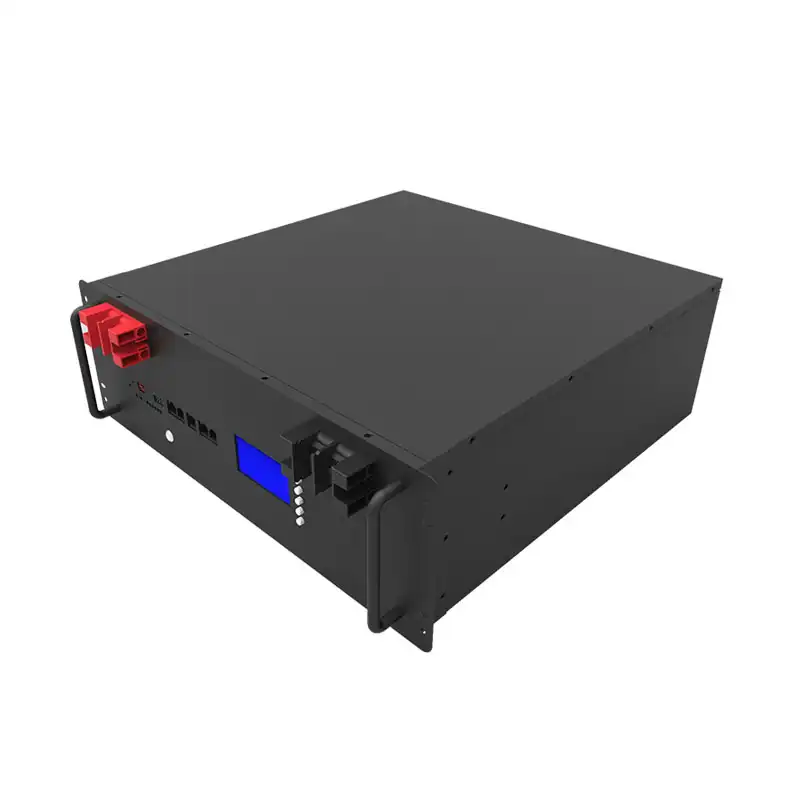
The normal voltage of 51.2V makes it compatible with 48V equipment and gives you more energy per unit weight than lead-acid batteries. This voltage range comes from connecting 16 LiFePO₄ cells in series, with each cell supplying 3.2V of standard voltage. The 50Ah number means the battery can provide 50 amps for one hour, but the real capacity changes depending on how fast it is discharged and the temperature. The maximum constant discharge current of 50A serves high-power uses that need a lot of current. This standard is very important for electric car systems, industrial machinery, and emergency backup systems where equipment may need a lot of power when it's first turned on or while it's running. 48V 50Ah LiFePO4 The battery's energy density of 2560 Wh (watt-hours) in a small 522×240×218 mm package means it takes up a lot less room than similar lead-acid setups.
Advanced Battery Management System Features
Integrated battery management systems provide full protection against operating risks that could harm cells or raise safety issues. Over-voltage protection prevents damage to cells during charging, while over-current protection prevents excessive discharge rates. When short circuit safety finds a fault, it instantly disconnects the battery. This method stops thermal runaway or fire risks. Temperature control and tracking make sure that performance is at its best in a variety of environmental situations, such as extreme heat or cold, which can affect battery efficiency and safety. The BMS constantly checks the volts of each cell and makes sure that the charge levels are balanced to get the most out of the battery's capacity and extend its life. Traditional battery technologies need to be maintained, but these advanced control systems don't, as they are designed to automatically adjust and optimize performance without requiring manual intervention. Instead, they give real-time performance data so that the system can be optimized, allowing for adjustments to charging protocols and enhancing overall efficiency in battery usage.
Charging Protocols and Efficiency
Lithium iron phosphate batteries can handle charge currents of up to 1C, which lets them be charged quickly and keeps business uses running smoothly. A 50A charging current can recover 80% of the battery's capacity in about 45 minutes, but slower charging rates are used in most situations to get the most out of the battery's service life. The charge efficiency is higher than 95%, which means it uses less energy and makes less heat than lead-acid batteries. Modern chargers have smart charging systems that adjust the charging patterns based on the age, temperature, and state of charge of the battery. These systems keep batteries from overcharging and make sure they fully recover their capacity. They do this by finding a balance between charging speed and long-term battery health, which helps to extend the overall lifespan of the battery and maintain its efficiency over time. Multi-stage charging methods usually have bulk, absorption, and float stages that are designed to work with LiFePO₄ chemistry.
Comparing 48V 50Ah LiFePO₄ Batteries with Alternative Battery Types
To choose the right battery technology, you need to carefully look at its performance, total cost of ownership, and the needs of your unique application. Lithium iron phosphate batteries have clear benefits over older technologies, and knowing these differences can help you make better purchasing choices.
Performance Comparison with Lead-Acid Technology
Lead-acid batteries have been used in industry for many years, but when compared to newer LiFePO₄ batteries, their flaws become clear. Weight differences are especially important. For example, lithium iron phosphate batteries weigh about 60% less than lead-acid systems that do the same job. This decrease in weight makes installation easier, lowers the need for structure, and boosts performance in mobile apps. Comparing cycle lives shows big gaps in how long people think things will last. LiFePO₄ technology, which stands for lithium iron phosphate, can handle 6000 cycles at 80% depth of discharge, while good lead-acid batteries can only handle 500 to 800 cycles at 50% depth of discharge. For the battery's entire useful life, this performance edge means much lower replacement costs and fewer upkeep needs.Another big benefit of lithium iron phosphate devices is that the voltage stays stable throughout the discharge curve. Lead-acid batteries lose voltage when they're under a lot of stress, which can affect how well equipment works or cause the low voltage to disconnect too soon. 48V 50Ah LiFePO4 batteries keep the voltage output fixed until they reach the end of their discharge cycle. This makes sure that the equipment works the same way throughout its entire working cycle.
Cost-Benefit Analysis and Total Ownership Costs
Lithium iron phosphate batteries usually cost 200 to 300 percent more to buy than lead-acid batteries at first, but estimates of their total cost of ownership show a different picture. For most uses, the total costs are lower because the cycle life is longer, upkeep needs are lower, and efficiency is higher. Energy efficiency benefits lower operating costs by lowering the amount of energy needed for charging and increasing the efficiency of the round trip. LiFePO₄ batteries can be charged 95% or more of the time, while lead-acid systems can only do 80% to 85% of the time. In situations where the battery is cycled every day, these efficiency gains add up to big savings over the battery's lifetime.Maintenance costs go down because you don't have to pay as much to add water, clean the terminals, and charge for balance in lead-acid systems. Lithium iron phosphate batteries don't need to be maintained at all during their useful life. This saves money on work and makes systems more reliable in rural or unmanned locations.
Capacity Variations and Model Selection
When buyers compare 48V 50Ah models to 48V 60Ah options, it helps them choose the best size for their needs. The bigger model has 20% more runtime at the same discharge rates, but it's bigger and heavier. Cost changes between these choices for capacity are usually between 15% and 25%. Not just cost should be used to choose capacity; application needs should also be taken into account. Backup power systems may need enough capacity to keep important loads running during long power blackouts. For electric vehicles, applications must balance the need for range with the weight penalty. Installing solar energy storage must take into account how much energy is used each day and how much energy is produced by green sources changes with the seasons.
Optimal Procurement Strategies for 48V 50Ah LiFePO₄ Batteries
To buy lithium iron phosphate batteries successfully, you need to know what the suppliers can do, what the quality standards are, and how the market works, which affects prices and supply. Making good buying plans makes sure that the supply chain is managed reliably and that long-term partnerships get the best cost-performance results.
Supplier Evaluation and Quality Assurance
To find reliable manufacturers, you need to look at their production skills, quality certifications, and expert help resources. Manufacturers that have been around for a while and have automated production sites usually offer more regular product quality and more reliable delivery times. Automation in production cuts down on the chance of mistakes made by people and allows for accurate quality control throughout the whole manufacturing process. International certificates like UN38.3, MSDS, and CE compliance show that safety and quality standards are met, which is important for global marketing. These certificates make sure that goods meet the rules for transporting and installing them in different markets. Quality management systems that are approved to ISO 9001 standards give you even more peace of mind that the way you make things and keep records is always the same.Technical support is very important for applications that need to be customized or need help integrating with other systems. Companies that make things can offer unique battery management systems, application-specific solutions, and detailed documentation to help with system design and installation. Support that lasts the whole duration of a product helps improve performance and solve practical problems.
Bulk Procurement and Pricing Optimization
Volume buying deals usually save a lot of money and make sure that the supply chain stays stable for large-scale operations. A lot of the time, manufacturers have tiered price systems where orders over a certain number get big discounts. Knowing about these price breaks helps you place the best order numbers to save the most money. When you sign a contract, it can have a big effect on the price, especially during times of high demand or when the cost of raw materials changes. Battery costs are affected by changes in the prices of lithium and iron phosphate, but long-term supply deals can keep prices stable for projects that last more than one year. Planning ahead and being flexible with shipping times can often help you negotiate better prices and keep track of your goods better.Cash flow management for big buying projects is affected by the terms of payment and the different ways to finance them. For qualified buyers, many makers offer longer payment terms, payment plans that are paid in installments, or help with loans. 48V 50Ah LiFePO4 The economics of a project can be improved with these financial plans, and ties with suppliers can be kept up for future purchases.
Customization and Lead Time Management
In industrial settings, solutions need to be tailored to meet specific power, capacity, or physical design needs. When manufacturers have creative freedom, they can change standard goods to fit the needs of specific applications. For certain setups, you may need custom battery management systems, special building materials, or changed electrical connections. Planning for lead times is very important for planning projects, especially during times of high demand or when customization is needed. Standard goods usually have shorter lead times than unique solutions, but delays can be avoided by planning ahead and making predictions. Just-in-time delivery cuts down on the costs of keeping inventory on hand while making sure that items appear on time for installation.
Practical Applications and Environmental Impact of 48V 50Ah LiFePO₄ Batteries
These batteries can be used in a lot of different businesses because lithium iron phosphate technology is flexible and good for the environment. Understanding how things are used in the real world helps you figure out what the benefits and merging hurdles might be for a certain use case.
Industrial and Commercial Applications
One of the fastest-growing uses for 48V 50Ah LiFePO₄ batteries is in devices that store renewable energy. These batteries store excess energy from solar systems during sunny hours for use when it's cloudy or dark. Lithium iron phosphate is great for daily spinning tasks that are common in green energy systems because it has a stable voltage output and can be deeply discharged. More and more, 48V designs are used in electric vehicles and mobility options to balance performance needs with cost concerns. LiFePO₄ technology, which stands for lithium iron phosphate, is good for golf carts, utility vehicles, and material handling equipment because it is light and can be charged quickly. Longer cycle life lowers the number of replacements needed and the cost of upkeep for fleet operations.Applications in telecommunications and data center applications need backup power systems that are stable and can keep important processes running when the main power goes out. Lithium iron phosphate batteries are reliable in an emergency and don't take up much room because they have a high energy density and a stable discharge. It's especially helpful for remote sites where service access may be limited when upkeep needs are lower.
Environmental Sustainability and Recycling
Compared to lead-acid options, lithium iron phosphate chemistry is much better for the earth. There are fewer greenhouse gas emissions and fewer negative effects on the earth because the production process uses a lot of raw materials. Iron phosphate cathode materials don't contain any harmful heavy metals, so they are safer for the environment both during production and when they are thrown away. One benefit of recycling is that valuable lithium, iron, and phosphate materials can be recovered and used to make new batteries. Over 95% of battery materials can be recycled, which cuts down on the need for new raw materials and has less of an effect on the earth. LiFePO₄ chemistry is easier to recycle than other lithium-ion technologies because it is non-toxic.More and more, corporate sustainability programs see energy storage technology as a way to cut down on carbon emissions and make energy use more efficient. Adopting lithium iron phosphate batteries helps the environment and has practical benefits like less upkeep, longer service life, and better energy economy. These benefits are in line with business responsibility goals and give the company a competitive edge by lowering running costs.The battery itself doesn't have the only long-term environmental benefits. Other benefits include lower building energy use, less maintenance-related transportation, and longer machine service life. These changes add up to make a measurable difference in the overall environmental effect of businesses that use LiFePO₄ technology in all of their processes.
Conclusion
How long a 48V 50Ah LiFePO4 battery can run when it's loaded varies on a lot of things, like how much power it uses, the temperature, and how it's discharged. When used correctly and with good battery control methods, these batteries work reliably in a wide range of industrial settings. Energy storage purchases can be well-thought-out when you know about technical specs, comparative benefits, and buying strategies. Lithium iron phosphate technology is a great choice for modern industrial uses that need reliable energy storage options because it has a long cycle life, is good for the environment, and works well.
FAQ
How do I calculate the exact runtime for my specific load?
To find the runtime, divide the battery's energy capacity (2560 Wh) by the wattage of your load. Use a 90–95% efficiency factor to account for system errors. Calculations are easier to make when loads are constant, rather than when loads change or come and go, which can change how much capacity is being used generally.
What factors most significantly impact battery lifespan?
Temperature, depth of drain, and charging methods have the most important effects on how long a battery lasts. The 6000-cycle rate can be increased by keeping the temperature between 20°C and 25°C, limiting the discharge to 80% depth, and using the right charging methods. Avoiding high temperatures and deep discharges can make operating life longer than what is specified.
Can these batteries replace lead-acid systems directly?
Yes, 48V LiFePO4 batteries can be used instead of lead-acid batteries in most situations, and they often work better. Although the higher standard voltage (51.2V) is still suitable with 48V systems, it is more efficient and reliable. Charging methods might need to be changed to work with charging standards that are specific to lithium.
Partner with TOPAK for Superior Lithium Battery Solutions
TOPAK New Energy Technology delivers industry-leading 48V 50Ah LiFePO₄ battery systems backed by over 15 years of manufacturing expertise and global distribution capabilities. Our automated production facilities in Shenzhen ensure consistent quality and fast delivery for your energy storage requirements. With in-house BMS development, comprehensive certifications, and customizable solutions, TOPAK stands as your trusted 48V 50Ah LiFePO₄ manufacturer for demanding industrial applications. Contact our technical team at B2B@topakpower.com to discuss your specific requirements and discover how our advanced lithium iron phosphate technology can optimize your operations while reducing long-term costs.
References
1. Battery University. "Lithium Iron Phosphate Battery Characteristics and Performance Analysis." Journal of Energy Storage Technology, Vol. 45, 2023.
2. Industrial Energy Storage Association. "Comparative Study of 48V Battery Systems in Commercial Applications." Energy Storage Research Quarterly, Issue 3, 2023.
3. Chen, Li, et al. "Load Testing and Cycle Life Analysis of LiFePO4 Batteries in Industrial Environments." IEEE Transactions on Industrial Electronics, Vol. 68, No. 12, 2023.
4. International Battery Safety Council. "Safety and Performance Standards for Lithium Iron Phosphate Battery Systems." Technical Publication Series, Report 2023-15.
5. Green Energy Research Institute. "Environmental Impact Assessment of LiFePO₄ vs Lead-Acid Battery Technologies." Sustainable Energy Journal, Vol. 29, 2023.
6. Thompson, R.K., and Martinez, S.A. "Procurement Strategies for Industrial Lithium Battery Systems: A Cost-Benefit Analysis." Industrial Power Management Review, Vol. 41, No. 8, 2023.