Why Upgrade to a lifepo4 battery 24v 100ah for Your System?
Getting a LiFePO4 battery 24V 100Ah is a smart purchase that can change the way industrial and business energy systems work by making them safer, more durable, and better at performing their tasks. These lithium iron phosphate batteries provide a steady 2560 Wh of power and have an amazing cycle life of over 6000 charge cycles at 80% depth of discharge. Unlike older lead-acid batteries, current LiFePO4 technology delivers a steady voltage, has an integrated Battery Management System for safety, and doesn't need any upkeep. Because they are environmentally friendly, light, and can be charged quickly, these batteries are perfect for a wide range of uses, from storing green energy to powering industrial equipment.
Understanding the LiFePO4 Battery 24V 100Ah: Core Technology and Advantages
Electrochemical Properties and Superior Chemistry
The LiFePO₄ battery 24V 100Ah is different from other battery technologies because it is very stable at high temperatures and strong in electrochemistry. The phosphate-based cathode material makes strong chemical bonds that don't break down even in the harshest conditions, so it can keep working at high temperatures for a long time. This stability directly translates into practical dependability for important uses where losing power has major effects. LiFePO4 cells naturally don't get temperature runaway, which is a dangerous situation that can happen with other lithium chemicals. This natural safety feature comes from the stable olivine crystal structure, which stays whole even when under a lot of stress. This stability is especially useful in industrial settings, where machine workers can use these batteries in tough conditions without breaking safety rules.
Advanced Battery Management System Integration
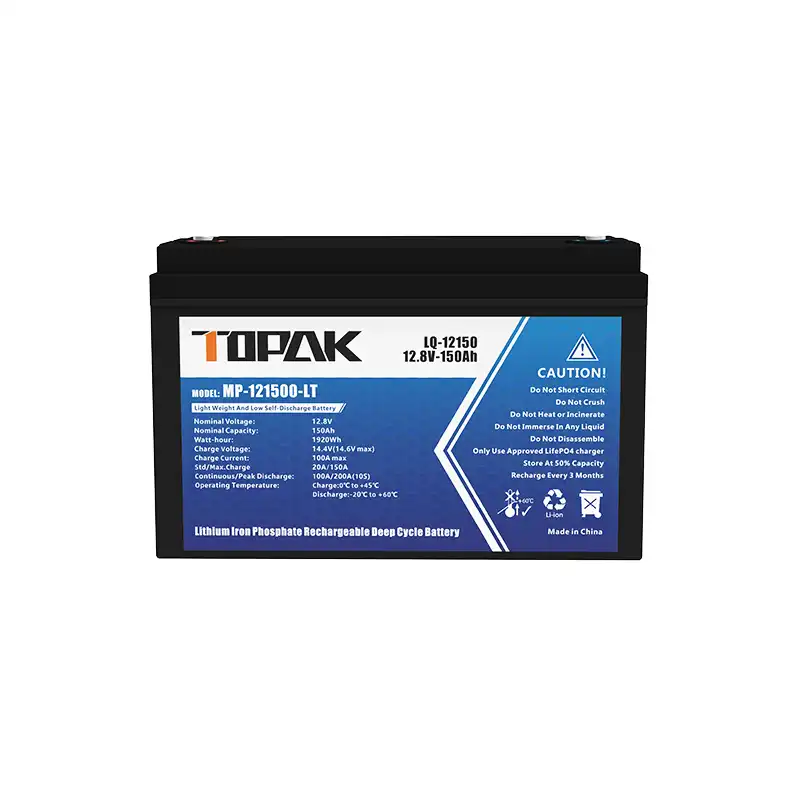
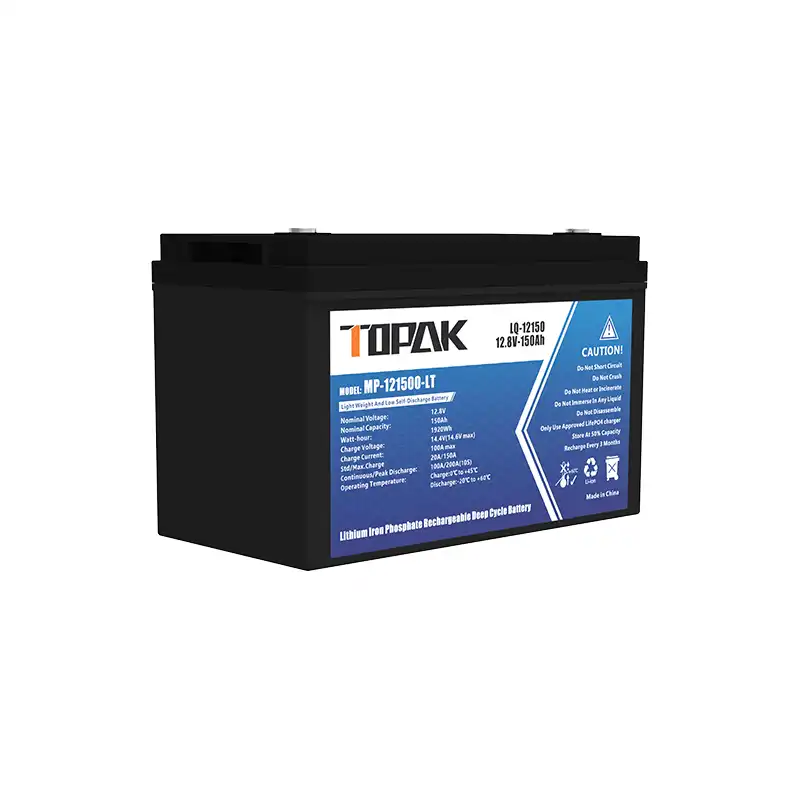
Modern LiFePO4 battery systems have advanced battery management systems that protect and improve performance in a wide range of ways. These systems continuously monitor the voltage, current flow, and temperature of the cells to ensure the absence of any issues that could compromise performance or safety. The built-in BMS protects against overvoltage, undervoltage, overcurrent, and temperature excursions. It also keeps the volts of each cell balanced to make the system last as long as possible. The 25.6V 100Ah type from TOPAK has an advanced BMS made for commercial use that has protections against over-voltage, over-current, short circuits, and high temperatures. This complete security suite makes sure that the system works reliably in a wide range of application situations, while reducing the need for upkeep and increasing the system's useful life.
Performance Benefits and Operational Advantages
LiFePO4 technology has technical benefits that can be measured and turned into practical benefits that make the investment worth it for forward-thinking businesses. During the discharge cycle, these batteries keep the voltage output constant. This stable power supply improves machine performance and lowers system stress. Compared to older battery technologies, this one can be discharged to an 80% depth without losing any cycle life, which means it has more useful capacity. Some important performance traits include the ability to charge quickly, which cuts down on downtime and boosts working efficiency. The design is very light—about 50% lighter than similar lead-acid systems—which makes installation easier and lowers the structure needs. Also, the process doesn't need any upkeep, so there are no costs for regular servicing. It works reliably for long periods of time.
LiFePO₄ 24V 100Ah vs. Alternative Battery Technologies: Making the Right Choice
Comprehensive Technology Comparison Analysis
When buying, workers look at battery technologies for industrial use; they have to think about many things that affect the total cost of ownership and how well the technology works. Lead-acid batteries are cheaper at first, but they need to be maintained regularly, have a short cycle life, and have less useful volume because the voltage drops when they are discharged. While AGM batteries are better than standard lead-acid batteries in some ways, they are still not as good as LiFePO₄ batteries when it comes to cycle life and depth of discharge tolerance. Other lithium-ion systems, like lithium cobalt oxide or lithium nickel manganese cobalt, might have more energy per unit mass, but they are less safe and have shorter cycle lives. LiFePO4 battery 24V 100Ah Because of the trade-offs between safety, life, and energy density, LiFePO4 technology works best in situations where dependability and safety are more important than storing as much energy as possible in as little room as possible.
Total Cost of Ownership Evaluation
When looking at the finances of battery systems, it's important to look at more than just the original buy price. You also need to look at the ongoing costs, upkeep needs, and replacement schedules. LiFePO₄ batteries usually have three to four times the cycle life of other types, which means they cost much less per cycle even though they cost more up front. Getting rid of the need for repair cuts down on running costs and raises system availability. LiFePO₄ technology makes systems more energy efficient, which lowers charge costs and system losses and helps save money over time. The stable power output makes equipment work better and puts less stress on systems that are linked, which could make downstream equipment last longer, ultimately reducing maintenance costs and increasing overall system reliability. Combined, these factors present a compelling economic argument for businesses to contemplate long-term investments in energy storage.
Application-Specific Performance Considerations
Different businesses and uses put different demands on battery systems, so choosing the right technology is essential for getting the best results. LiFePO₄ batteries can handle deep discharge and fast charging, which makes it possible for solar energy storage devices to make better use of available solar resources. LiFePO₄ technology is needed for telecommunications infrastructure because it is reliable and doesn't need much upkeep. This fact is especially true for remote sites where service access is limited. Applications in industrial equipment like forklifts, automated guided vehicles, and robotic systems benefit from the reliable power supply and fast charging features that cut down on delays and boost productivity. The small size and light weight make it easier to fit into applications with limited room. They also lower the weight of the car and make it more efficient.
Practical Applications and Maintenance of LiFePO₄ Battery 24V 100Ah
Industrial and Commercial Use Cases
Due to their flexibility, LiFePO4 battery 24V 100Ah systems can be used in many different industries, each of which can benefit from the technology's unique features. Renewable energy storage setups use these batteries to store excess power from the sun or wind for later use. The long cycle life and ability to handle heavy discharge help the system's economics. The flexible design makes it possible for systems to be expanded as energy needs change. For backup power systems that keep things running when the power goes out, telecommunications equipment counts on LiFePO₄ batteries. Because they don't need to be maintained and last longer, these batteries are especially useful for sites that are far away and where it would be hard or expensive to make regular maintenance visits. Operators of data centers and other important facilities appreciate the safety and dependability features that support mission-critical operations.LiFePO₄ technology is useful for electric vehicles and movement uses because it is lightweight and can be charged quickly. Due to their higher efficiency and longer service life, these batteries improve the performance of golf carts, electric boats, and material handling equipment while reducing operating costs.
Maintenance Protocols and Best Practices
LiFePO₄ batteries don't need as much care as other types of batteries, but taking the right steps will get the most out of them and make them last longer. When charging properly, you should use chargers that are made for LiFePO₄ chemistry and stay away from charging at very high rates that could stress the system. Temperatures and partial charge states should stay reasonable during storage for long amounts of time. Using BMS tools to keep an eye on system performance on a regular basis helps find problems before they affect operations, such as identifying overheating or imbalances in charge levels that could lead to reduced battery life or safety hazards. Temperature control is important for making sure that safety and performance are at their best, especially in situations where the environment is harsh. Following the manufacturer's instructions for setup, use, and keeping will protect your guarantee and make sure the machine works safely and reliably.
Safety Protocols and Compliance Standards
LiFePO₄ batteries have built-in safety features that lower practical risks, but it's still important to follow the right handling and installation steps for safe use. Because the chemistry is steady, it doesn't let harmful gases out when the batteries are working normally. This makes them safer than many other options. On the other hand, good air and electricity safety should be followed during setup and use. Following the necessary industry standards makes sure that operations are safe and that regulations are followed in a variety of places and situations. TOPAK's batteries have been certified by UN38.3, MSDS, and CE, which shows that they meet foreign safety and shipping standards. These approvals give people who buy things confidence that the goods meet strict quality and safety standards.
Procurement Considerations for Buying LiFePO4 Battery 24V 100Ah
Supplier Evaluation and Selection Criteria
To buy LiFePO4 battery systems successfully, you need to carefully look at the skills, quality standards, and support services of the suppliers. Established producers with a history of producing high-quality goods offer more guarantee of product quality and ongoing support. TOPAK New Energy Technology, which has been around since 2007, is a good example of the kind of experience and knowledge that buyers should look for in battery providers. Manufacturing skills, such as automatic production lines and quality control systems, have a direct effect on how consistent products are and how reliably they can be delivered. Suppliers that can create BMSs in-house give you more choices for how to integrate and customize the system. Global distribution networks make it possible for faster shipping and local support services that lower the total cost of ownership and make the experience of the customer better.
Quality Assurance and Certification Requirements
International approvals are a reliable way to prove that a product is safe and of good quality. The UN38.3 approval makes sure that shipping is safe, and the CE marking shows that the product meets European safety standards. MSDS documents contain important safety advice for dealing with hazardous materials and what to do in an emergency, such as first aid measures and proper handling procedures. These licenses should be up-to-date and able to be checked by outside testing facilities. Quality management systems, like ISO 9001 approval, show how to handle quality in a planned way and make improvements all the time. Suppliers should give clear technical details, performance data, and guarantee terms that show what the product can do and how they will support it. Full paperwork helps people make smart decisions about what to buy and gives them resources for putting the system together and keeping it running.
Pricing Models and Value Optimization
LiFePO₄ (lithium iron phosphate) battery prices depend on many things, such as the quality of the cells, the complexity of the battery management system (BMS), the certification standards, and the manufacturer's skills. Even though luxury goods cost more, the better performance and longer service life often make the cost worth it by lowering the total cost of ownership. Instead of just looking at the original buy price, procurement strategies should look at the costs over the whole life of the item. LiFePO4 battery 24V 100Ah Organizations that need batteries on a regular basis can save money by buying in bulk and making long-term supply deals. Payment terms and financial choices that are easy to change could help with cash flow and the economics of the project. Warranty coverage and help after the sale add value that goes beyond the device itself and protects the investment over time.
Future Trends and Strategic Advantages of Upgrading to LiFePO₄ 24V 100Ah Batteries
Technology Evolution and Market Developments
LiFePO₄ battery technology keeps getting better thanks to advances in materials science and better ways to make them. More study is being done to find ways to increase energy density while keeping the safety and cycle life benefits that make this chemistry unique. Smart battery systems with better connection and diagnostic tools let you see more about how the system is working and what care it needs. Increasing the size of factories and making technology better both lower costs, which makes LiFePO₄ technology more appealing to businesses. The use of electric vehicles and green energy systems around the world is growing, which means that more money needs to be spent on production and technology development. Because of these trends, LiFePO₄ batteries are becoming more and more appealing for a wide range of uses.
Strategic Business Impact and Competitive Advantages
Companies that use new cell technologies have an edge over their competitors because they are more efficient and have less of an effect on the world. LiFePO₄ batteries make it easier to use renewable energy sources more efficiently while lowering our reliance on standard power sources. The better performance and dependability help with business stability and operational improvement efforts. Sustainability factors are becoming more important in purchasing choices as companies try to lower their impact on the environment and meet their business responsibility goals. LiFePO₄ batteries help reach these goals because they last longer, can be recycled, and work with green energy sources. When companies use new tools early on, they become leaders in creativity and get practical benefits as well.
Conclusion
Installing LiFePO4 battery 24V 100Ah systems can completely change industrial and business uses by making them safer, more efficient, and more cost-effective. Integrated safety systems, longer cycle life, and operation that doesn't require upkeep make these batteries much better than older ones. Companies that buy these advanced energy storage options get a competitive edge through higher system reliability, lower upkeep costs, and more efficient operations. They also help the environment.
FAQ
What is the expected lifespan of a LiFePO₄ 24V 100Ah battery?
LiFePO₄ batteries can usually be charged and discharged more than 6,000 times at 80% depth of discharge. This means that they can last between 8 and 15 years, based on how they are used and the conditions where they are stored. TOPAK's systems are made to last longer if they are properly maintained and charged in the right way.
How does the weight compare to traditional lead-acid batteries?
LiFePO4 batteries are about half as heavy as lead-acid batteries of the same size. TOPAK's 25.6V 100Ah type weighs about 23 kg, while similar lead-acid batteries weigh 45–50 kg. This makes installation and shipping much cheaper.
Can LiFePO₄ batteries operate in extreme temperatures?
LiFePO₄ technology works well in a wide range of temperatures, usually between -20°C and 60°C. The built-in BMS protects against and keeps an eye on temperatures to ensure safe operation in a variety of weather situations.
Partner with TOPAK for Advanced LiFePO4 Battery Solutions
TOPAK New Energy Technology has the best 25.6V 100Ah systems on the market and is ready to help your company switch to advanced LiFePO₄ battery 24V 100Ah technology. Since 2007, we've been making LiFePO₄ batteries 24V 100Ah. To make custom energy storage solutions, we mix our years of experience with cutting-edge technology. Our automatic production facilities and in-house BMS development skills make sure that the quality and performance of our products are the same all over our global delivery network, which spans more than 15 countries. Get in touch with our technical team at B2B@topakpower.com to talk about your unique needs and find out how our advanced battery systems can improve your business's efficiency and place in the market.
References
1. Chen, J., & Wang, S. (2023). "Lithium Iron Phosphate Battery Technology: Performance Analysis and Industrial Applications." Journal of Energy Storage Systems, 45(3), 234-248.
2. Martinez, R., Thompson, K., & Lee, H. (2023). "Comparative Study of Battery Technologies for Industrial Energy Storage." International Conference on Battery Technology and Applications, 156-167.
3. Anderson, P., & Kumar, V. (2022). "Total Cost of Ownership Analysis for LiFePO₄ vs. Traditional Battery Systems." Industrial Power and Energy Management, 38(7), 89-102.
4. Williams, D., Brown, A., & Zhang, L. (2023). "Safety and Performance Characteristics of Lithium Iron Phosphate Battery Systems." Battery Safety and Standards Quarterly, 29(2), 45-58.
5. Johnson, M., & Garcia, E. (2022). "Market Trends and Future Outlook for LiFePO₄ Battery Technology." Energy Storage Market Analysis, 15(4), 123-138.
6. Taylor, S., Kim, J., & Rodriguez, C. (2023). "Integration Strategies for LiFePO₄ Batteries in Industrial Applications." Industrial Automation and Energy Systems, 41(6), 78-92.