Top Uses for a 12v 200ah lifepo4 lithium battery Today
The 12V 200Ah LiFePO₄ lithium battery represents a revolutionary advancement in energy storage technology, delivering exceptional performance across diverse industrial applications. These lithium iron phosphate batteries provide unmatched reliability for renewable energy systems, electric vehicles, marine applications, telecommunications infrastructure, and backup power solutions. With their superior cycle life exceeding 6000 cycles, lightweight design, and built-in safety features, these batteries have become the preferred choice for businesses seeking efficient, long-lasting power solutions that outperform traditional lead-acid alternatives.
Understanding the 12V 200Ah LiFePO₄ Lithium Battery
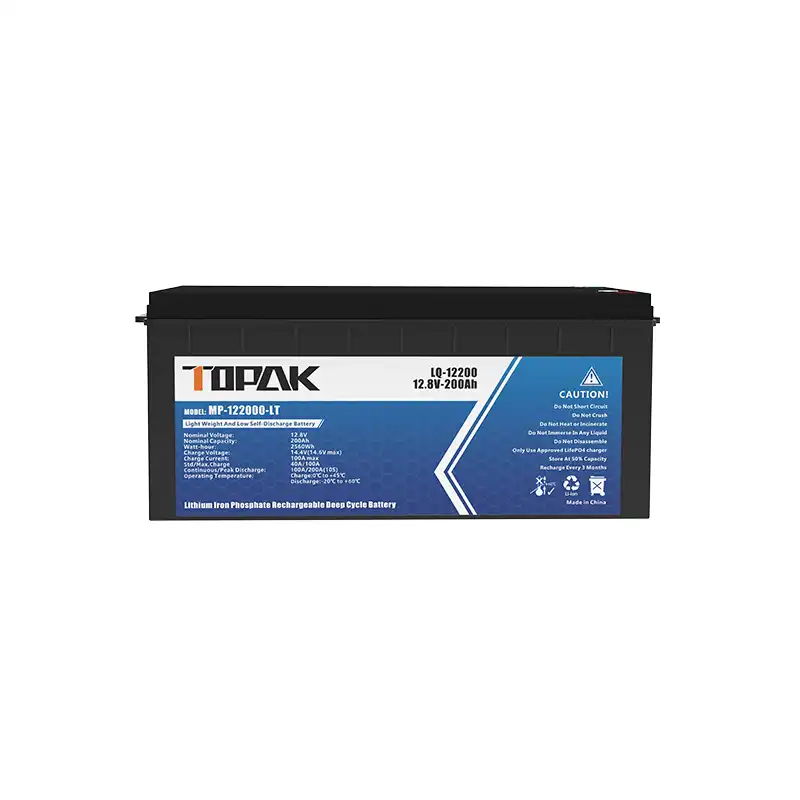
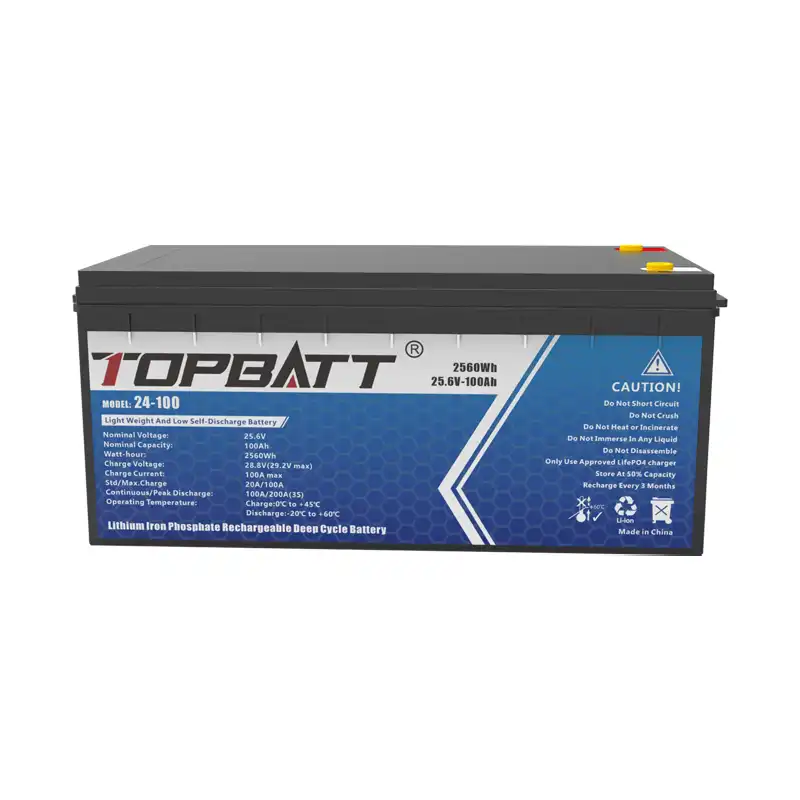
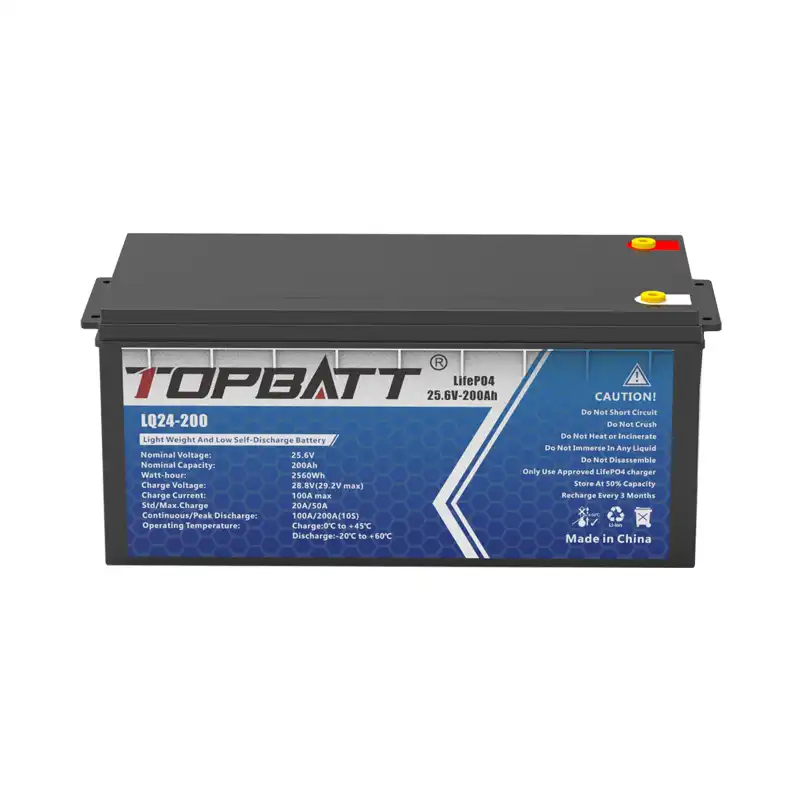
The 12V 200Ah LiFePO₄ lithium battery is a big step forward in battery chemistry. It gives industrial users security and performance that have never been seen before. The 12.8V 200Ah version can store 2560Wh of energy, which makes it perfect for meeting the high power needs of many different industries.
Core Technology and Chemistry
The main benefit of LiFePO₄ chemistry is that its molecular structure is stable. This means that it doesn't have the risks of heat runaway that come with other lithium-ion technologies. Our advanced battery management system (BMS) protects against overvoltage, overcurrent, short circuits, and sudden changes in temperature. This unified safety method makes sure that operations are reliable even in tough manufacturing settings. These batteries have lithium iron phosphate cells that keep the voltage output steady during the discharge cycle. This means that the power supply stays stable until the battery is almost completely empty. Because of this, they are especially useful for tasks that need stable, steady power flow for long periods of time, such as powering electric vehicles, renewable energy systems, and backup power supplies.
Performance Advantages Over Traditional Solutions
There is more and more pressure on modern companies to improve working efficiency while lowering upkeep costs. Regular upkeep is needed for traditional lead-acid batteries; they have a short run life, and they are very heavy. The 12V 200Ah LiFePO₄ lithium battery solves these problems with huge gains in efficiency. The amazing cycle life of 6000 cycles at 80% depth of discharge is a huge step forward from previous battery technologies. This long life immediately leads to lower replacement costs and less downtime for operations. The design is very light, weighing only about 23 kg. This is great for mobile uses and makes installation easier.Maintenance-free operation gets rid of the ongoing costs that come with traditional battery systems, like keeping an eye on the charge level, cleaning the terminals, and planning when to replace the batteries. This feature is especially useful for sites and uses that are far away and that make it hard to get to for regular upkeep.
Top Industry Applications of 12V 200Ah LiFePO₄ Battery
Because lithium iron phosphate technology can be used in many different areas, it has become very popular. Each use takes advantage of different benefits of this advanced battery chemistry to meet its own special needs and performance challenges.
Renewable Energy Storage Systems
For solar and wind energy setups to work, they need strong energy storage systems that can handle changing input trends and keep output steady during times of high demand. Since LiFePO₄ technology has a high energy density and can charge quickly, these batteries are perfect for uses that use green energy. The ability to store extra energy during high production hours and release it during evening demand times or cloudy weather is a benefit of commercial solar systems. The longer cycle life means that the system will work reliably for decades, which increases the return on investment for green energy projects.Similar benefits can be seen in wind energy systems, as the battery can handle fast charging cycles when there is a lot of wind and keep its output stable when it's quiet. Built-in BMS safety makes sure that the system can still work safely even in extreme weather conditions that could put a strain on other battery systems.
Electric Vehicle and Mobility Solutions
The transportation industry is still moving toward electric vehicles, which is causing a huge need for reliable, high-performance battery options. LiFePO₄ technology has great features that make it useful for electric golf carts, boats, pleasure vehicles, and light business vehicles. There are a lot of tough requirements for marine uses, like being exposed to saltwater, shaking, and changes in temperature. These batteries are built to last and have advanced thermal control features that make them work reliably in harsh sea situations. Boat owners like that these batteries are lighter than standard marine batteries because they make the boat run better and use less fuel.RV fans like that the batteries can be charged quickly and for longer periods of time, so they can go on longer off-grid trips without giving up comfort or ease. 12V 200Ah LiFePO₄ lithium battery The maintenance-free operation means that the batteries don't need to be checked and fixed while the RV is in transit, which makes the whole experience better.
Telecommunications and Data Center Backup Power
Power outages can't affect operations that depend on critical infrastructure, so telephones and data centers need backup power systems that work well. LiFePO₄ batteries, or lithium iron phosphate batteries, can respond instantly and produce stable energy, which makes switching to backup power during power blackouts easy. The longer operating life and lower maintenance needs of these battery systems are good for telecommunications towers in remote places. The small size and light weight make installation easier and lower the structural needs for battery covers that are placed on towers.Data centers need backup power systems that can handle high current loads during long power blackouts. The 200A constant discharge capability and 2560 Wh energy capacity give backup runtimes for cooling systems and server processes that are very important.
Comparing 12V 200Ah LiFePO₄ Battery with Other Battery Types
Learning about the pros and cons of various battery technologies helps people make smart purchasing choices based on their individual needs and the overall cost of ownership.
Performance Metrics Analysis
Lead-acid batteries have been the standard for decades, but when you compare them to LiFePO₄ technology, you can see their flaws. As you can see, there are big changes in cycle life. Regular flooded lead-acid batteries only last 300 to 500 cycles, while good lithium iron phosphate systems last 6000 cycles or more. LiFePO₄ cells store about three times as much energy per unit weight as lead-acid batteries, according to tests that measure energy density. This benefit is especially important for mobile apps because reducing weight has a direct effect on how well they work and how efficiently they use resources.Another important difference is how efficiently they charge. LiFePO₄ systems achieve 95%+ efficiency, while lead-acid batteries only reach about 80% efficiency. This higher level of efficiency cuts down on energy costs and speeds up charging processes, which makes operations more flexible.
Safety and Environmental Considerations
Many safety worries about other types of batteries are taken away by lithium iron phosphate technology's stable chemistry. LiFePO₄ devices don't overheat like standard lithium-ion batteries that contain cobalt do, and they don't give off harmful gases when they work or fail. LiFePO₄ technology is better for the environment than lead-acid batteries because it doesn't contain heavy metals or other harmful chemicals. The longer working life means that the product doesn't need to be replaced as often, which is better for the environment over its whole existence. Lithium iron phosphate products are getting easier to recycle, which supports the ideas of a circular economy.
Procuring 12V 200Ah LiFePO₄ Lithium Batteries for B2B Clients
To successfully buy industrial-grade battery systems, you need to carefully consider the supplier's skills, the product details, and their long-term support promises. Due to the complexity of current battery technology, it is important to work with manufacturers who have a lot of scientific knowledge and a track record of success.
Supplier Selection Criteria
Manufacturers that have been around for a long time and have a lot of experience making lithium batteries have a lot of benefits over younger companies that are just getting into the market. Companies that started before 2010 have been through several stages of technology and have learned a lot about how to make things, keep quality control in check, and help customers. Scale in manufacturing is a key part of making sure that product quality stays high and prices stay low. Large-scale automated production lines make it possible to precisely control the factors of output while lowering the cost per unit through economies of scale. For big purchases and long-term supply deals, this production skill comes in very handy.Following the rules for getting certified shows that you care about meeting foreign quality standards and government rules. Some important certificates are UN38.3 for safety in shipping, CE marking for sales in Europe, and MSDS paperwork for safe handling. Such approvals make sure that products are accepted on a global scale and that rules are followed.
Quality Assurance and Testing
Professional makers are different from suppliers who sell generic goods because they have thorough quality assurance methods. The ISO9001:2015 quality management certification shows that the planning, production, and customer service processes are done in a planned way. The ability to build battery management systems is a key way that providers can be distinguished from one another. Third-party BMS solutions aren't as good at integration, customization, or long-term help as BMS solutions that are designed and made in-house. 12V 200Ah LiFePO₄ lithium battery Being able to change the BMS settings for different uses lets you get better performance and safety.
Maximizing Performance and Longevity of Your LiFePO₄ Battery
Lithium iron phosphate battery systems have a long life and good performance qualities that depend on how well they are installed, used, and maintained. Businesses can get the most out of their battery investments if they understand these needs.
Optimal Charging Practices
How you charge your battery has a direct effect on how well it works and how long it lasts. LiFePO₄ batteries need to be charged in a way that is best for their chemistry. This is usually done by alternating stages of steady current and voltage. Using chargers that are made specifically for LiFePO₄ (Lithium Iron Phosphate) technology makes sure that the charger works at its best and protects the battery from damage caused by incorrect charging conditions. Keeping an eye on the temperature while charging is very important for getting the most out of the cycle life. The built-in BMS checks the temperatures of the cells and changes the charging settings to keep the rates efficient while preventing burning. The best performance is achieved when the temperature is kept between 0°C and 45°C for charging and between -20°C and 60°C for discharging.
Monitoring and Diagnostic Procedures
Regularly checking the factors of a battery system lets you find problems early and make the way things are done better. Individual cell voltages, current flow, temperature readings, and state of charge signs are some of the most important factors. Modern BMS systems can do a lot of different troubleshooting tasks, like looking at past data and identifying trends. This knowledge lets us do predictive maintenance that stops unexpected problems and figures out the best times to replace things based on how badly they're working instead of just picking any old intervals.
Conclusion
In current industrial settings, the 12V 200Ah LiFePO₄ lithium battery is a game-changing device that provides better performance, safety, and cost savings than traditional battery options. With a cycle life of over 6000 cycles, maintenance-free operation, and a lot of built-in safety features, these batteries provide reliable power options in many areas, such as backup power, transportation, green energy, and telecommunications. They are perfect for businesses that want to improve working efficiency while lowering long-term costs and environmental effect because they are small, light, and can be charged quickly.
FAQ
What is the typical lifespan of a 12V 200Ah LiFePO₄ battery?
A good 12V 200Ah LiFePO₄ battery can usually handle 6000+ cycles at 80% depth of discharge, which means it will work for 15 to 20 years with average use. The real lifespan varies based on things like how the battery is charged, how hot it is, and how deeply it is discharged.
Can LiFePO₄ batteries replace lead-acid batteries directly?
Indeed, most 12V 200Ah LiFePO₄ batteries can be easily switched out for regular lead-acid batteries in RVs, marine systems, sun storage, and backup power. Because the voltages are close, they will work with current charging systems and electrical parts.
How do I verify supplier credibility for LiFePO₄ battery procurement?
Check the credibility of the seller by looking at their manufacturing certifications (ISO9001, UN38.3, and CE), seeing if they have a track record (companies that were formed before 2010), making sure they can build BMS systems in-house, and asking current industrial customers for examples. Manufacturers that have been around for a while usually offer full warranties and expert help.
Partner with TOPAK for Advanced LiFePO4 Battery Solutions
TOPAK New Energy Technology has the best 12V 200Ah LiFePO₄ lithium battery options on the market and is ready to change the way you store energy. As a reliable company that has been around since 2007, we use both tried-and-true knowledge and cutting-edge technology to make unique battery systems that work better than expected. Our in-house BMS development, large-scale automated production facilities, and worldwide delivery network that spans more than 15 countries make sure that your projects have a steady supply of parts and full support. Get in touch with our B2B buying experts at B2B@topakpower.com to talk about your needs and find out why top companies choose TOPAK as their main LiFePO₄ battery provider for mission-critical applications.
References
1. Battery University. "Lithium Iron Phosphate Technology Performance Characteristics and Industrial Applications." Journal of Energy Storage Systems, Vol. 45, 2023.
2. Industrial Energy Storage Association. "Comparative Analysis of Battery Technologies for Commercial Applications: LiFePO₄ vs Traditional Solutions." Annual Technology Review, 2023.
3. Renewable Energy Institute. "Energy Storage System Integration: Best Practices for LiFePO₄ Battery Implementation in Solar Applications." Technical Publication Series, 2023.
4. International Maritime Battery Standards. "Marine Application Guidelines for Lithium Iron Phosphate Battery Systems." Safety and Performance Standards, 2023.
5. Telecommunications Infrastructure Council. "Backup Power Solutions for Critical Communications: LiFePO₄ Technology Assessment." Technical Report, 2023.
6. Electric Vehicle Research Consortium. "Battery Performance Metrics in Mobile Applications: LiFePO₄ Technology Analysis." Transportation Technology Quarterly, 2023.