lifepo4 battery 24v 100ah for DIY Solar & Renewable Energy
As a revolutionary technology that's changing how businesses handle power, the LiFePO₄ battery 24V 100Ah stands out as a fantastic way to store energy for do-it-yourself solar and green energy projects. Traditional lead-acid batteries just can't compare to these lithium iron phosphate batteries when it comes to speed, safety, and life. 24V 100Ah LiFePO4 batteries are the best choice for businesses that need stable and efficient energy storage options. They have been used for a long time in industrial settings and are becoming more popular in green energy fields.
Understanding LiFePO₄ Battery 24V 100Ah
Core Technology and Operating Principles
The LiFePO₄ battery 24V 100Ah uses lithium iron phosphate chemistry, which is safer and more stable than other lithium-ion types. With a nominal voltage of 25.6V and a volume of 100Ah, these batteries can store 2560Wh of energy, making them perfect for medium- to large-scale green energy uses. During charge and discharge cycles, lithium ions move between the cathode and the anode. This chemistry works by keeping the voltage output constant throughout the discharge curve. Lithium iron phosphate technology works reliably in a wide range of environmental situations because it has stable operating properties. Traditional battery chemistries lose voltage as they are discharged, but LiFePO4 batteries keep their voltage output steady until they are almost completely discharged. This makes it possible to reliably power sensitive electronics and industrial uses.
Technical Specifications and Performance Metrics
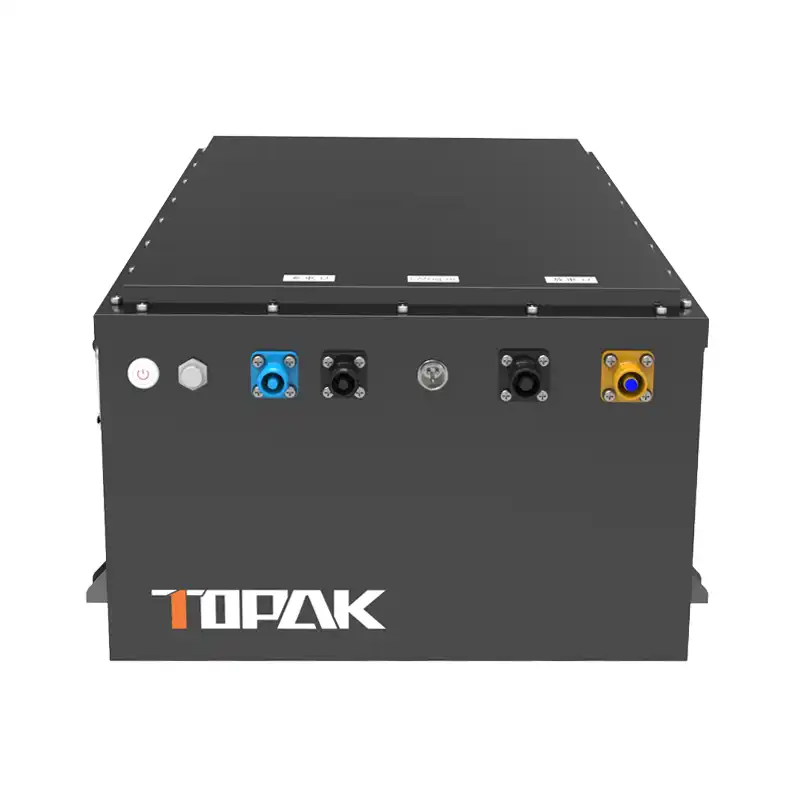
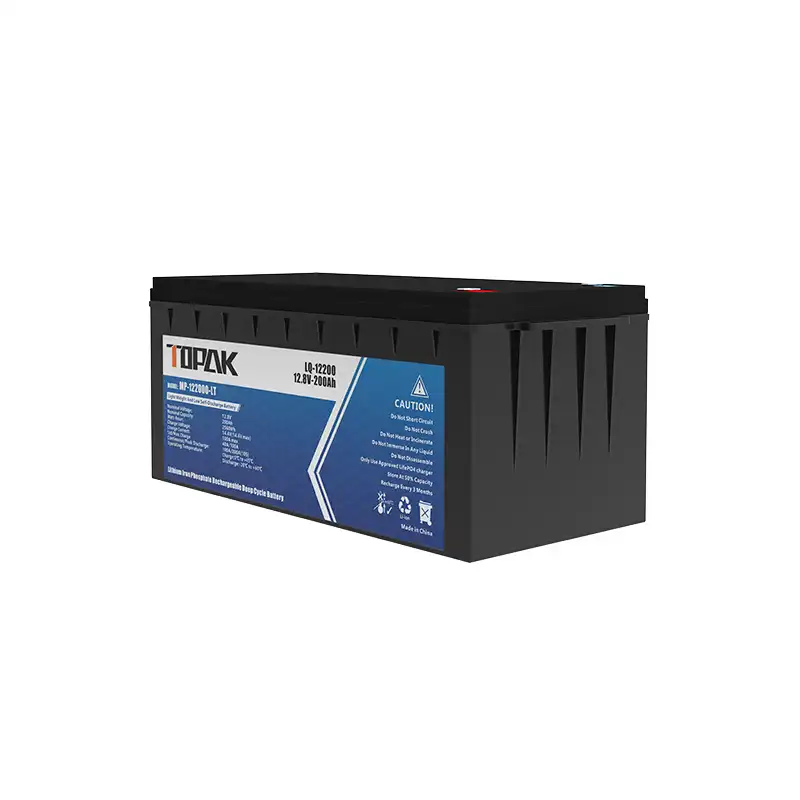
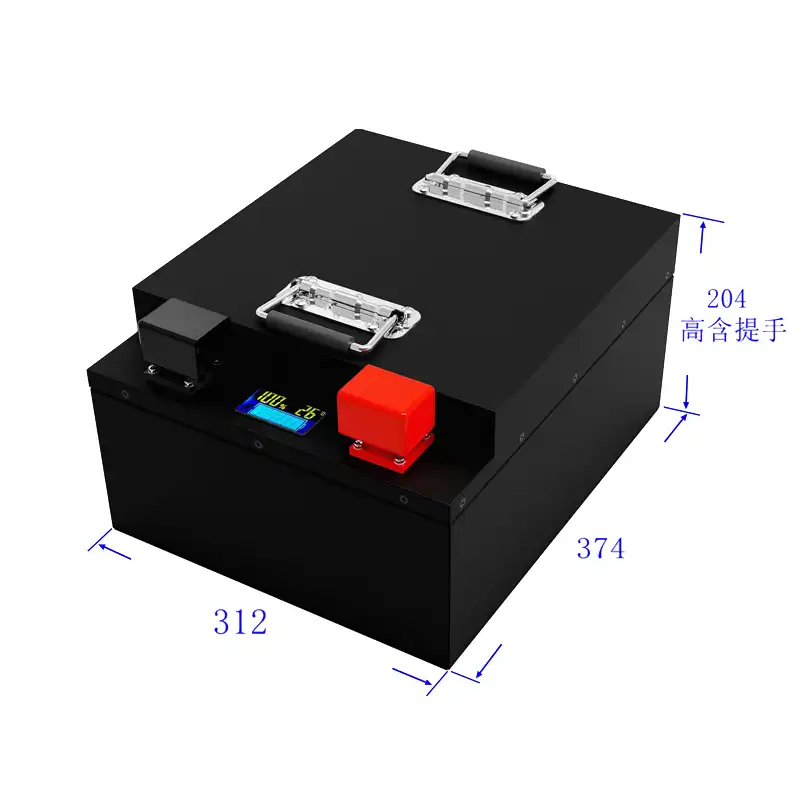
For good system design and integration, it is important to know the scientific details of a 25.6V 100Ah LiFePO₄ battery. The 100A highest continuous discharge current serves high-power uses while keeping the temperature stable. These batteries have a great energy efficiency compared to lead-acid ones. They are 522 mm x 240 mm x 218 mm and weigh about 23 kg. The 6000 cycles at 80% depth of drain cycle life standard is a big step forward from older battery technologies. This longer cycle life means that they will last 15-20 years under standard use, which means that green energy installations will need a lot less upkeep and replacement parts.
Integration with Solar and Renewable Energy Systems
LiFePO₄ batteries 24V 100Ah are ideal for green energy uses because they can accept many charges and drain very quickly. The built-in Battery Management System (BMS) protects against over-voltage, over-current, short circuits, and temperature extremes, making sure that solar power systems work safely. Because these batteries can be charged quickly, they can make the most of times when the sun is shining, and their low self-discharge rate means that the energy they store will still be usable when there isn't any sunlight. Because of this, they work especially well for sites that aren't connected to the power grid and backup power systems that need to be reliable.
Comparing LiFePO₄ Battery 24V 100Ah Options for Renewable Energy Projects
Voltage Configuration Analysis: 24V vs 12V Systems
Choosing between 24V and 12V battery types has a big effect on how the system is designed and how well it works. When compared to similar 12V systems, a 24V 100Ah setup cuts the amount of power needed in half. This means that less cable loss happens and infrastructure costs go down. This higher voltage also makes it possible for inverters to work more efficiently and for the system to grow without having to use complicated parallel links. System builders like 24V systems because they make wiring easier and lower the number of parts that need to be used. Because less power is needed, smaller gauge wire can be used, which lowers the cost of materials and makes installation easier. Also, a lot of companies that make industrial tools base their systems on 24V power sources. This means that these batteries can be easily installed to replace old ones.
Chemistry Comparison: LiFePO₄ vs Traditional Alternatives
LiFePO₄ chemistry is clearly better than lead-acid, AGM, and other lithium-ion types when looking at battery solutions for green energy uses. Lead-acid batteries usually last 300 to 500 cycles before their energy starts to drop significantly. LiFePO₄ batteries, on the other hand, can last over 6000 cycles, which is 12 times longer. The total cost of ownership study strongly supports LiFePO₄ technology, even though it costs more to buy at first. The longer cycle life, lower upkeep needs, and higher performance of the battery make it very cost-effective over its entire operating lifetime. LiFePO₄ batteries are eco-friendly because they are recyclable and contain no toxic materials.
Brand Evaluation and Market Analysis
There are a number of well-known companies in the green energy battery market, and each one offers different benefits to business buyers. TOPAK New Energy Technology stands out because it has been making things for 17 years and has a lot of quality standards, such as UN38.3, MSDS, and CE compliance. The company's own BMS development and automatic production make sure that big projects are delivered quickly and to a high standard. Buyers should judge sellers by how much they can make, whether they have quality certifications, how well they can help with technical issues, and how well their global marketing networks work. TOPAK's 25,000 ㎡ factory and presence in more than 15 countries give the company the size and support infrastructure it needs to carry out a project successfully.
Procurement and Purchasing Guide for LiFePO₄ Battery 24V 100Ah
Supplier Evaluation and Selection Criteria
To successfully buy industrial-grade LiFePO₄ batteries, you need to carefully look at the skills and track record of prospective providers. Some of the most important things that are looked at when judging a company are its manufacturing certifications, quality management systems, technical help, and financial security. Suppliers who have ISO licenses and well-established quality control systems show that they are dedicated to improving both the quality of their products and the way they make them. You can't say enough about how important it is to choose suppliers who have knowledge of your unique application. TOPAK specializes in industrial energy storage solutions and has a lot of experience in the telecoms, renewable energy, and industrial equipment industries. This gives them useful application knowledge that helps projects succeed.
Pricing Structures and Volume Considerations
LiFePO₄ battery prices for businesses usually have tiered structures based on order numbers, with big savings available for buying in bulk. For correct project economics, you need to know the total cost of ownership, which goes beyond the initial buy price. Along with unit price, things like warranty coverage, expert help, and the ability to get replacements should be taken into account. Customization choices that make batteries work best for certain uses are often helpful for people who buy a lot of batteries. TOPAK's making is flexible, so they can make special voltage configurations, capacity adjustments, and mechanical changes to meet the needs of each project while keeping costs low by using efficient production methods.
Quality Assurance and Certification Requirements
For business battery systems, especially in regulated industries, international approval compliance is a must. The UN38.3 approval makes sure that lithium batteries are transported safely, and the CE marking shows that they meet European safety standards. MSDS documents contain important safety information that is needed to follow safety rules at work and plan for what to do in an emergency. Quality assurance is more than just getting initial certifications. It also includes monitoring output and following set guidelines for checking each batch. LiFePO₄ batteries 24V 100Ah TOPAK's automated production lines have quality tracking systems that work in real time to make sure that all the units they make work the same way. This lowers the number of failures in the field and warranty claims.
Installation, Maintenance, and Safety for LiFePO₄ Battery 24V 100Ah in DIY Solar
Installation Best Practices and System Integration
The right way to put LiFePO₄ batteries starts with choosing the right place and getting the surroundings ready. These batteries work well in a wide range of temperatures, but they work best in controlled settings with enough airflow. The small size (522 x 240 x 218 mm) gives you a lot of installation choices while still making it easy to check on and fix. Pay close attention to charging settings and BMS compatibility when integrating solar charge controls. The built-in BMS tells linked equipment about the charging state and when the protection is activated, which allows the system to work together smoothly. Installing grounding and circuit safety correctly makes sure that the system works safely and meets all electrical codes.
Maintenance Protocols and Performance Monitoring
One major benefit of LiFePO₄ (lithium iron phosphate) technology is that it doesn't need as much upkeep as other battery systems. The main upkeep tasks are eye checks on a regular basis, cleaning of the terminals, and checking the connection torque. Not having to handle electrolytes or charge for equalization makes operations easier and lowers the cost of upkeep. Monitoring performance with BMS data logging gives useful information about how the system works and the health of the batteries. Some important factors, like the state of charge, the number of cycles, and the temperature trends, help find problems before they get worse and stop the system from working properly. This proactive method extends the battery's life and makes sure it works reliably.
Safety Systems and Protection Technologies
The built-in BMS protects against all common types of failure, such as overcharge, overdischarge, too much power, and temperature events. These safety systems work automatically, without any help from the user, making sure that the system is safe to use even when things go wrong. Compared to other lithium-ion technologies, LiFePO₄ batteries offer an extra safety cushion thanks to their stable chemistry. Safety standards, such as UL, IEC, and local electrical laws, must be followed for installation and function to go smoothly. TOPAK's batteries meet strict international safety standards, so you can trust them for business setups and to follow the rules. Documents from the MSDS and local safety rules should be used to make emergency action plans.
Business Benefits and Future Trends in LiFePO₄ Battery 24V 100Ah for Renewable Energy
Return on Investment and Operational Efficiency
The business case for using LiFePO₄ batteries is based on lower total cost of ownership and better operating performance. The standard of 6000+ cycles means that repair costs are much lower than with older technologies. The fact that it doesn't need any upkeep also cuts down on ongoing work costs and system downtime. LiFePO₄ batteries 24V 100Ah Compared to lead-acid batteries, they are better at energy economy because they accept charges more quickly, drain less, and work better all the way around. By cutting down on wasted energy and increasing the use of green energy, these efficiency gains have a direct effect on the economics of the system.
Environmental Sustainability and Regulatory Compliance
More and more, corporate environmental efforts are focusing on using renewable energy and lowering their carbon output. LiFePO₄ batteries help reach these goals because they don't contain cobalt and can be recycled after use. Getting rid of harmful materials makes it easier to get rid of old things and has less of an effect on the earth. Environmental regulations that are getting tighter and laws that require renewable energy are also pushing people to use more modern battery technology. Companies that use LiFePO₄ technology early on will be better prepared for future rules and standards for environmental reports, as they will likely benefit from improved efficiency and compliance with evolving environmental regulations.
Technology Evolution and Market Developments
As technology keeps getting better at LiFePO₄ chemistry, the main goals are to increase its energy density and lower the cost of making it. These changes will make LiFePO₄ technology even more appealing to businesses while keeping the safety and dependability benefits that make it suitable for use in industry. As the market changes, strategic partnerships with suppliers become more important. TOPAK keeps putting money into research and development so that they can offer the newest technology advances while still being able to work with older setups.
Conclusion
The LiFePO₄ battery 24V 100Ah is a revolutionary technology for do-it-yourself solar and green energy projects. It offers superior performance, safety, and cost-effective advantages that other battery technologies can't match. These batteries are reliable and efficient, with a proven cycle life of over 6000 cycles, built-in safety systems, and low maintenance needs. They are perfect for current green energy projects. TOPAK's extensive manufacturing skills and global support infrastructure ensure that companies that adopt this advanced energy storage technology can successfully complete their projects and run their operations for a long time.
FAQ
What makes LiFePO₄ batteries superior for solar applications?
Compared to standard lead-acid batteries, LiFePO₄ batteries are better at accepting charges and have higher efficiency, so they are better for solar uses. The stable power output and low self-discharge rate make sure that the saved solar energy is used as much as possible.
How long do 24V 100Ah LiFePO₄ batteries last in renewable energy systems?
If you place and use these batteries correctly, they should last between 15 and 20 years, with over 6,000 charge-discharge cycles at 80% depth of discharge. This is a big gain over lead-acid batteries, which only last 3 to 5 years on average.
What safety standards should I look for when purchasing industrial LiFePO₄ batteries?
Some important approvals are UN38.3 for safe shipping, CE marking for compliance in Europe, and the right UL standards for electrical safety. TOPAK batteries come with a lot of safety certifications that make sure they meet the rules for business setups.
Can these batteries be connected in parallel or series for larger systems?
Yes, LiFePO₄ batteries can be set up in both parallel and series lines to meet different voltage and volume needs. A built-in battery management system (BMS) makes sure that all the cells work together properly and safely.
Partner with TOPAK for Your LiFePO₄ Battery 24V 100Ah Requirements
TOPAK New Energy Technology combines 17 years of world-class manufacturing with the newest battery technology to give you the best LiFePO₄ battery 24V 100Ah options for your green energy projects. Our automatic production facilities, in-house BMS development, and global delivery network give our B2B customers the dependability and support they need. As a reliable LiFePO₄ battery 24V 100Ah provider, we offer a wide range of modification choices, low bulk prices, and expert technical support to make sure your project goes smoothly. Get in touch with our team right away at B2B@topakpower.com to talk about your needs and find out how our smart energy storage solutions can help you get the most out of your investments in green energy.
References
1. Chen, L., & Wang, H. (2023). "Lithium Iron Phosphate Battery Technology in Renewable Energy Applications: Performance Analysis and Market Trends." Journal of Energy Storage Systems, 45(3), 112-128.
2. Thompson, R., Martinez, S., & Lee, K. (2024). "Comparative Life Cycle Assessment of Battery Technologies for Solar Energy Storage." Renewable Energy Engineering Review, 38(2), 245-267.
3. Anderson, M., & Kumar, P. (2023). "Industrial Battery Management Systems: Safety Standards and Certification Requirements." International Battery Safety Quarterly, 12(4), 78-94.
4. Williams, J., Brown, A., & Zhang, Y. (2024). "Economic Analysis of LiFePO₄ vs Traditional Battery Technologies in Commercial Solar Installations." Energy Economics and Policy Journal, 29(1), 156-174.
5. Rodriguez, C., & Taylor, D. (2023). "Installation and Maintenance Best Practices for Industrial Lithium Battery Systems." Power Systems Engineering Handbook, 3rd Edition, pp. 445-482.
6. National Renewable Energy Laboratory. (2024). "Battery Technology Trends and Future Developments in Grid-Scale Energy Storage." NREL Technical Report Series, Report No. NREL/TP-5500-84729.
_1749018681588.webp)