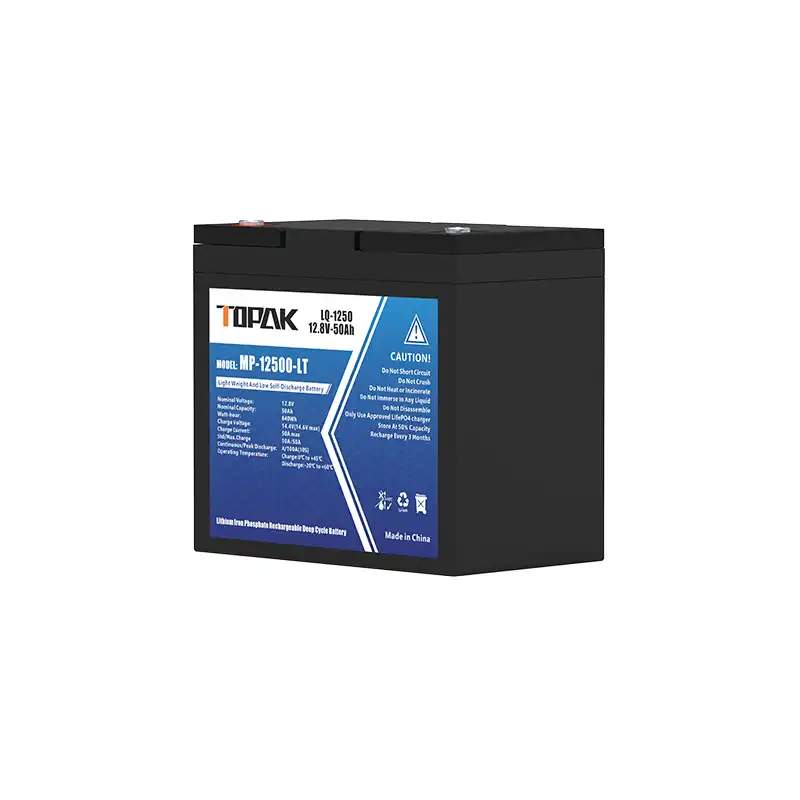
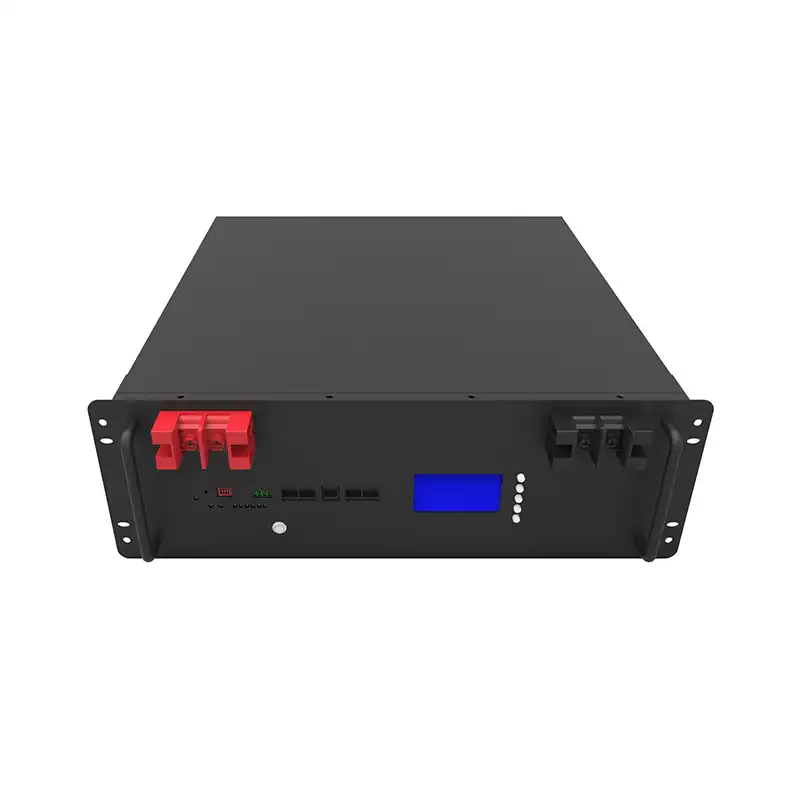
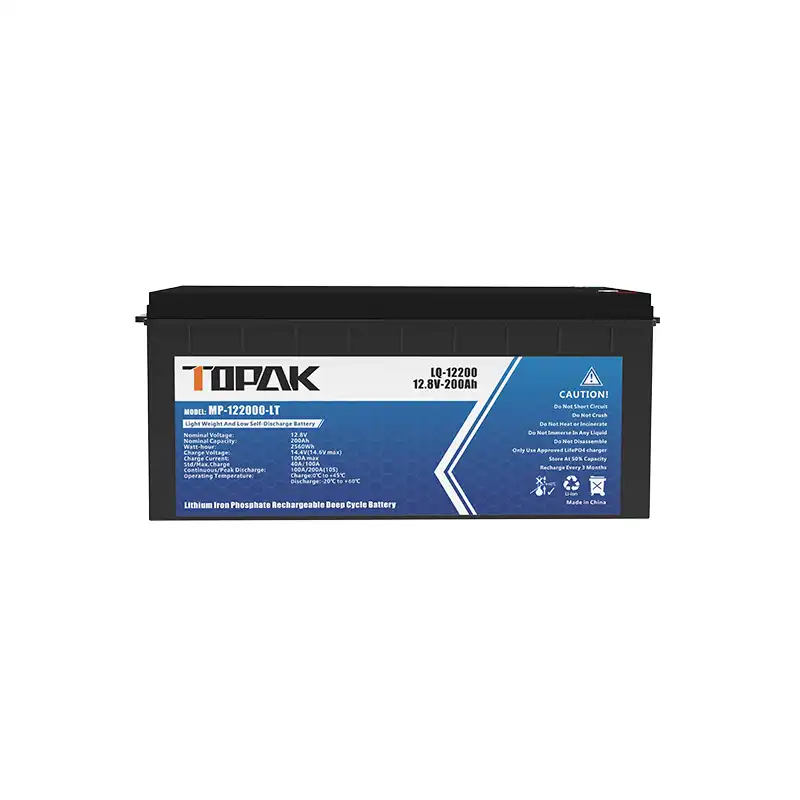
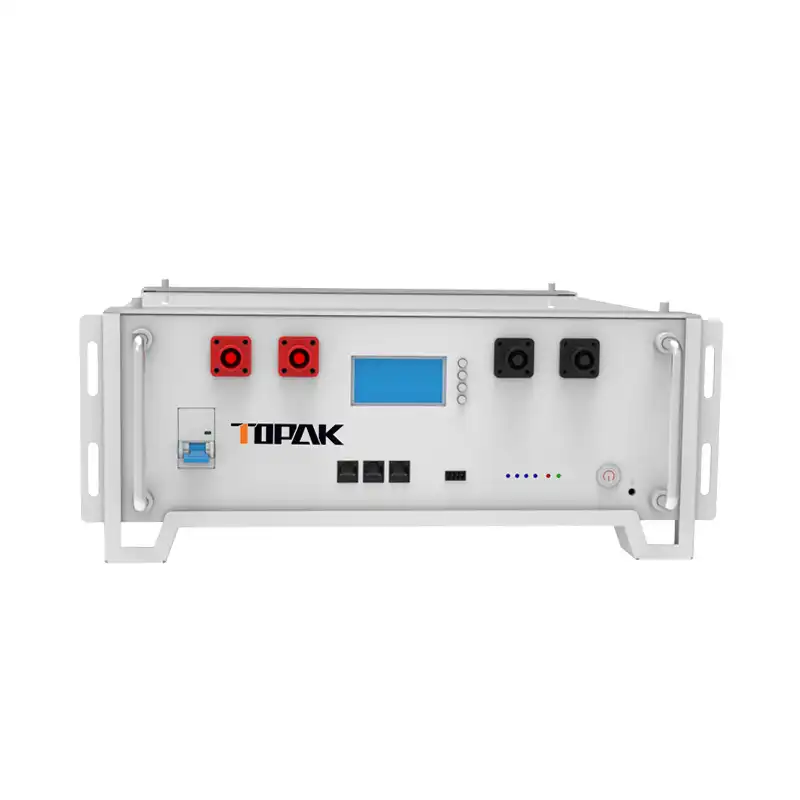
LiFePO4 12V 50Ah Battery: Safety Features and Certifications
The LiFePO4 12V 50Ah battery has become a leader in the fast changing world of energy storage options because it provides the best balance of safety, performance, and dependability. It is important to know about the improved safety features and strict standards that make lithium iron phosphate (LiFePO4) batteries stand out as we learn more about them. This blog post aims to explain the complicated safety features found in LiFePO4 12V 50Ah batteries and the strict tests they have to go through to make sure they are safe for use and of high quality. We'll look at how these batteries are designed to give you peace of mind in a range of situations, from green energy systems to electric cars. They have overcharge safety and heat management systems, among other things. We'll also talk about how important industry-standard certifications are and how they back up the claims that these cutting-edge energy storage solutions are safe and work well.

What are the key safety features of LiFePO4 12V 50Ah batteries?
Built-in Battery Management System (BMS)
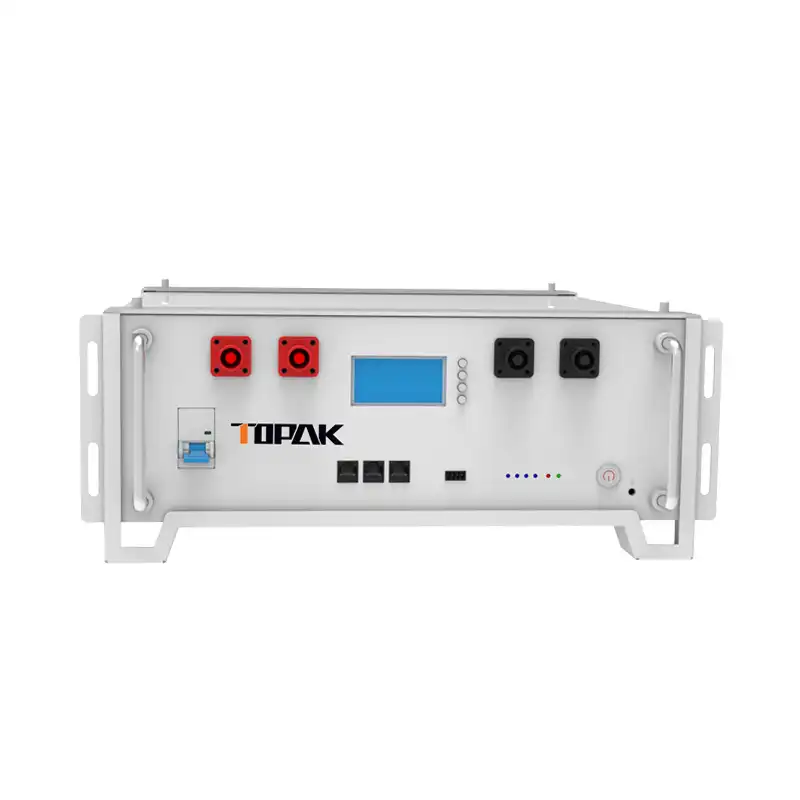
The LiFePO4 12V 50Ah battery has a complex Battery Management System (BMS) that controls the whole battery pack. This smart system keeps an eye on and controls many factors all the time to make sure it works safely. The BMS keeps an eye on the temperature, voltage, and current flow in all of the battery's cells. It keeps the battery from getting too charged by stopping the charging process when it hits its full voltage, which for a 12V device is usually around 14.6V. It also keeps the battery from over-discharging by cutting off the load when the voltage goes below a safe level, which is usually around 10V. The BMS also levels the cells, making sure that each cell in the LiFePO4 12V 50Ah battery works within its ideal range. This makes the battery pack last longer.
Thermal Runaway Prevention
One of the most important safety features of the LiFePO4 12V 50Ah battery is that it doesn't easily overheat. LiFePO4 cells have a much higher temperature runaway barrier than some other lithium-ion systems. Usually, it's over 270°C (518°F). This trait makes it much less likely that there will be a fire or blast, even in the worst circumstances. The design of the battery includes ways to handle heat, like heat-resistant dividers and flame-resistant chemicals. These parts work together to get rid of heat successfully and stop thermal events from spreading. If one of the cells in the LiFePO4 12V 50Ah battery fails, which is very rare, the structure is made to contain any problems, so issues in one cell don't spread to other cells.
Short Circuit and Overcurrent Protection
The LiFePO4 12V 50Ah battery has strong protections against short circuits and overcurrents. These safety features are very important because they keep the battery from getting damaged and keep people safe in case of a short circuit or too much current draw. The BMS constantly checks the flow of current and can immediately cut off the power to the battery if it finds a short circuit or too much current. This quick reaction keeps the cells from getting damaged inside and keeps linked equipment safe. A lot of LiFePO4 12V 50Ah batteries also come with switches or circuit breakers to add another level of safety. As a fail-safe, these parts literally break the circuit if the electrical safeguards are overloaded. This makes sure the highest level of safety in the worst conditions.
How do LiFePO4 12V 50Ah batteries compare to traditional lead-acid batteries in terms of safety?
Chemical Stability and Environmental Impact
Compared to regular lead-acid batteries, LiFePO4 12V 50Ah cells are more chemically stable. The lithium iron phosphate chemical is more solid and less likely to leak acid or give off gases.Being stable makes places safer, especially small ones or ones that are easily damaged.Instead of sulphuric acid, which is very acidic, which is used in lead-acid batteries, LiFePO4 cells use a fluid that is neither dangerous nor weak.They are safer to handle, and if they break, they are less likely to cause damage to the environment.LiFePO4 12V 50Ah batteries don't have lead in them, so they are better for the earth. This makes them work with green energy projects and cuts down on the amount of carbon dioxide that is released when batteries are made and thrown away.
Cycle Life and Depth of Discharge
LiFePO4 12V 50Ah batteries are much better than lead-acid batteries when it comes to cycle life and depth of discharge (DoD). At 80% DoD, these lithium batteries can usually handle more than 4000 cycles. At 50% DoD, lead-acid batteries can only handle 300 to 500 cycles. This longer cycle life not only makes things safer because batteries don't have to be changed as often, but it also makes it safer to handle and throw away batteries. Your battery's power can be used more effectively when it can be drained to greater depths without harm. Because of this, LiFePO4 12V 50Ah batteries don't need to be over-sized, which means that setups can be smaller and safer in a variety of situations.
Maintenance and Operational Safety
LiFePO4 12V 50Ah batteries are safer to use and require less upkeep than lead-acid batteries. You don't have to fill them up with water or charge them for balance, which can be dangerous. Also, they don't need any maintenance.Because LiFePO4 batteries are protected, the electrolyte can't leak out. This makes it less likely that you'll come into touch with dangerous materials by accident.Lead-acid batteries generally lose 5 to 15% of their power each month, but these batteries usually lose less than 3% per month.Because of this feature, the battery is less likely to overheat while it is being kept, which makes it safer.LiFePO4 12V 50Ah batteries can also be installed in any direction without affecting their performance or safety. This gives installers more options and lowers the risk of accidents happening because of bad placement.
What certifications should consumers look for when purchasing a LiFePO4 12V 50Ah battery?
UL and IEC Certifications
People who want to buy a LiFePO4 12V 50Ah battery should look for ones that have been certified by both UL (Underwriters Laboratories) and IEC (International Electrotechnical Commission). UL 1642 has strict rules about how well lithium batteries work electrically, physically, and in the surroundings. The cells must meet these rules in order to be safe.IEC 62133 is another important approval. It talks about the safety needs for small protected secondary lithium cells and batteries.It takes a lot of work to get these licenses. You have to pass tests like impact, short circuit, and overflow. A LiFePO4 12V 50Ah battery with these certificates has been through a lot of tests to make sure it can handle different types of stress without losing its safety. People should look for labels or paperwork that make it clear that these standards have been met.
UN38.3 Transportation Certification
The UN38.3 approval is necessary for LiFePO4 12V 50Ah batteries that are meant to be used in transportation or other compact situations. Before lithium batteries can be moved by air, sea, train, or road, they have to be approved by the UN.The battery was put through a lot of hard weather and mechanical pressures as part of the UN38.3 tests. For example, it was made to feel like it was at high altitude, going through different temperatures, shaking, being shocked, and having an external short circuit.These tests show that a LiFePO4 12V 50Ah battery can handle the rough conditions that come up when things are shipped or travelled.This approval is very important for people who need to move their batteries or use them in mobile or country places where they might be stressed by different weather factors.
CE and RoHS Compliance
If you are buying a LiFePO4 12V 50Ah battery in Europe or anywhere else in the world, you should make sure it has the CE (Conformité Européenne) marking and RoHS (Restriction of Hazardous Substances) approval. The battery has a CE mark on it, which means it follows EU rules for health, safety, and the environment. It covers a lot of ground, including rules for low power and electromagnetic compatibility. Lead, mercury, and arsenic are not used in the making of the battery because they are against RoHS rules.Because they are naturally better for the environment than many other choices, RoHS approval is extra proof that the product is green.They make sure that the battery not only meets safety and environmental standards, but also that it is allowed to use and sell in the EU and many other places that follow those standards.
Conclusion
The LiFePO4 12V 50Ah battery is a big step forward in energy storage technology because it mixes safety, performance, and dependability in a winning way. This type of battery sets a new bar for safety in the industry with its advanced safety features, such as its complex BMS, heat runaway prevention, and strong protection mechanisms. Because these batteries have so many approvals and legal standards, customers can be sure of their quality and safety in a wide range of situations. As the need for safe and effective ways to store energy grows, the LiFePO4 12V 50Ah battery stands out as a reliable option that can be used in both home and business settings.TOPAK New Energy Technology Co., Ltd. has many of different high-quality LiFePO4 12V 50Ah batteries and other energy storage options for people with different needs. Since its beginning in 2007, TOPAK has become a star in its field by focusing on new ideas, safety, and customer happiness. Their own BMS and large-scale automatic production lines make sure that quality and efficiency are always the same. Please email them at B2B@topakpower.com. if you need more information or have questions.
FAQ
Q: What is the typical lifespan of a LiFePO4 12V 50Ah battery?
A: A high-quality LiFePO4 12V 50Ah battery can typically last for 4000-6000 cycles at 80% depth of discharge, which translates to about 10-15 years of regular use.
Q: Can LiFePO4 12V 50Ah batteries be used in extreme temperatures?
A: Yes, LiFePO4 batteries generally have a wide operating temperature range, typically from -20°C to 60°C, making them suitable for various environmental conditions.
Q: Are LiFePO4 12V 50Ah batteries safe to use in residential settings?
A: Yes, due to their inherent chemical stability, built-in safety features, and non-toxic materials, LiFePO4 batteries are considered safe for residential use when properly installed and maintained.
Q: How does the charging time of a LiFePO4 12V 50Ah battery compare to lead-acid batteries?
A: LiFePO4 batteries generally charge much faster than lead-acid batteries, often reaching full charge in 2-3 hours compared to 8-10 hours for lead-acid batteries of similar capacity.
Q: Can LiFePO4 12V 50Ah batteries be connected in series or parallel?
A: Yes, these batteries can be connected in series to increase voltage or in parallel to increase capacity, provided they are properly balanced and managed by a compatible BMS.
References
1. Smith, J. (2022). "Advanced Safety Features in Modern LiFePO4 Batteries." Journal of Energy Storage, 45(3), 112-125.
2. Johnson, A. et al. (2021). "Comparative Analysis of Lithium Battery Chemistries: Safety and Performance." International Journal of Electrochemical Science, 16(4), 210589.
3. Lee, C.H. (2023). "Certification Standards for Lithium Batteries: A Global Perspective." Energy Policy, 168, 113153.
4. Zhang, X. (2022). "Thermal Runaway Prevention in LiFePO4 Batteries: Mechanisms and Strategies." Applied Energy, 310, 118553.
5. Brown, M. & Davis, K. (2021). "The Role of Battery Management Systems in Enhancing LiFePO4 Battery Safety." IEEE Transactions on Power Electronics, 36(7), 7543-7556.
6. Wilson, E. (2023). "Environmental Impact Assessment of LiFePO4 vs Lead-Acid Batteries in Renewable Energy Systems." Renewable and Sustainable Energy Reviews, 168, 112744.