Getting the most runtime out of your 12V 24Ah LiFePO4 Battery means knowing about the benefits of lithium iron phosphate technology and making sure that the battery's features meet the needs of your application. This detailed guide covers important selection criteria, performance improvement strategies, and buying factors for B2B professionals looking for dependable energy storage options. Whether you're an OEM developer, an energy storage system installer, or a maker of industrial equipment, choosing the right lithium iron phosphate battery has a direct effect on how well your system works in a variety of settings and how much it costs to maintain.
Understanding 12V 24Ah LiFePO4 Batteries
The lithium iron phosphate battery is a big step forward in energy storage technology. It delivers better safety features and longer battery life than other types of batteries. When engineers and buying managers look at battery options for business use, they can make smart choices if they understand these basic points.
What is a 12V 24Ah LiFePO4 Battery?
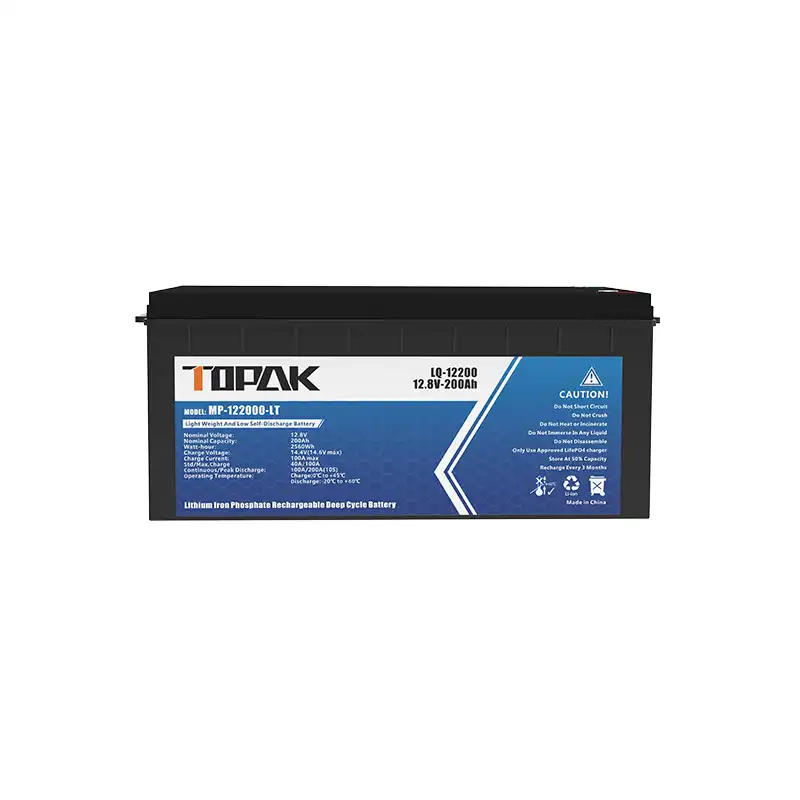
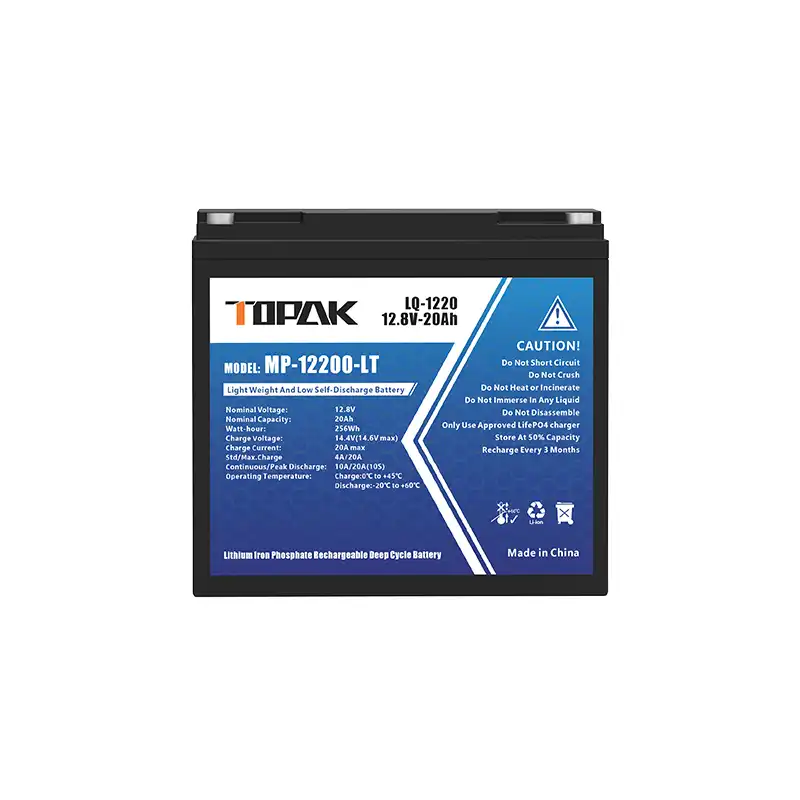
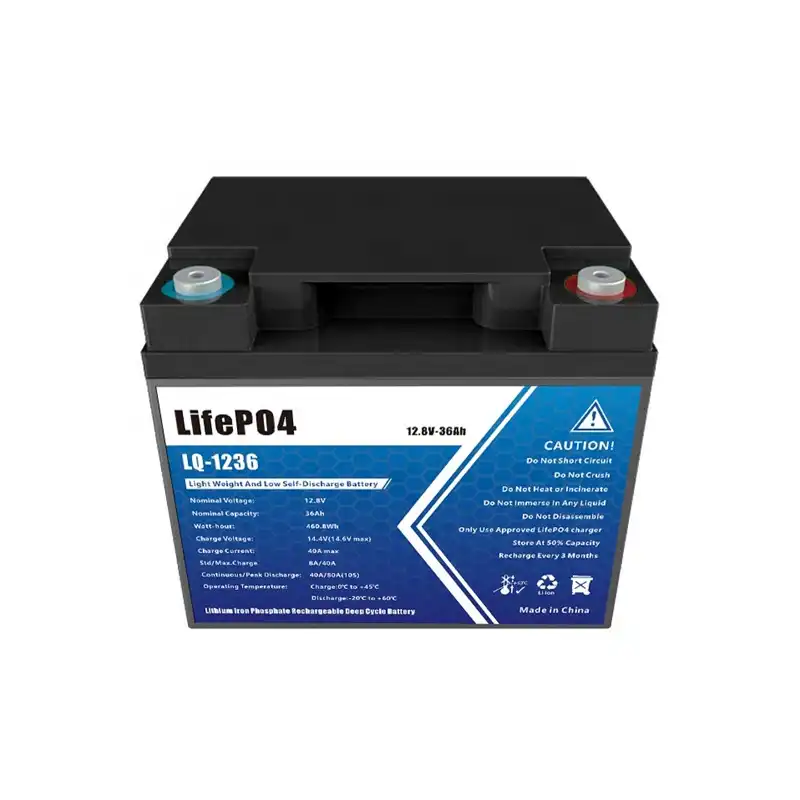
A 12V 24Ah LiFePO4 Battery stores 307.2Wh of energy using lithium iron phosphate chemistry to provide 12.8V of standard voltage and 24 ampere-hours of capacity. This advanced battery technology is very different from regular lithium-ion and lead-acid batteries because its crystal structure is naturally steady and its heating properties are better. The phosphate-based cathode material creates a strong electrochemical environment that prevents thermal runaway and keeps performance constant in a range of operational conditions. Unlike lead-acid batteries, which lose capacity and sulfation over time, lithium iron phosphate cells keep their voltage output stable during their discharge cycle. The formula gets rid of harmful heavy metals while offering higher energy efficiency. This makes these batteries perfect for uses that need stable, long-lasting performance with little impact on the environment.
How Does a 12V 24Ah LiFePO4 Battery Work?
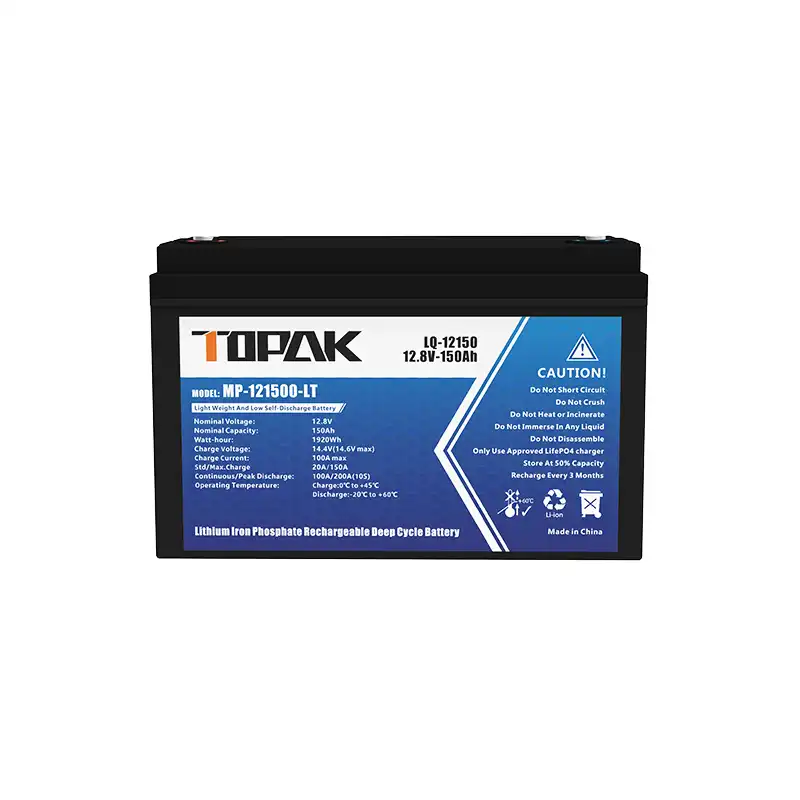
During charge and discharge cycles, lithium ions move between the cathode and anode materials. This is how lithium iron phosphate technology works. Lithium ions move from the phosphate cathode to the carbon-based anode through an electrolyte solution during discharge. This creates an electric current. During charging, the lithium ions go back to the cathode structure, which is the opposite of what happened during discharging. Key design elements include high-quality LiFePO4 cells, built-in battery management systems, and a safe case made for industrial use. TOPAK's 12.8V 24Ah type has powerful BMS technology that protects against over-voltage, over-current, short circuits, and high temperatures. This complete safety system makes sure that the system works safely and that the battery lasts as long as possible by carefully watching and controlling important working factors.
Advantages and Environmental Benefits
Lithium iron phosphate technology offers huge performance improvements that have direct practical benefits for businesses. The long cycle life of 6000 cycles at 80% depth of discharge greatly lowers the number of replacements needed and the overall cost of ownership compared to other options. These batteries, such as the 12V 24Ah LiFePO4 Battery, are very safe because their stable chemistry keeps them from overheating even in the worst conditions. The design is very light (about 3.0 kg for a 24Ah capacity), which saves a lot of weight compared to similar lead-acid batteries. Some environmental benefits are products that can be recycled, no harmful heavy metals, and a smaller carbon footprint due to longer operating life and better energy economy.
Comparing 12V 24Ah LiFePO4 Batteries with Other Battery Types
Comparing all the different types of batteries in detail helps you make an educated choice by showing you the changes in performance, how they work, and how much they cost. This study helps people who work in buying look at long-term value ideas and find the best options for each application's needs.
LiFePO4 vs Lead Acid and AGM Batteries
Lithium iron phosphate technology has big benefits over standard lead-acid and AGM options when it comes to performance. Lead-acid batteries usually last between 300 and 500 charge cycles, but LiFePO4 batteries last over 6000 cycles, which is 10 to 15 times longer. Lead-acid systems need to have their electrolyte levels checked and equalization charges done on a regular basis, but LiFePO4 batteries don't need any maintenance. For mobile applications, weight is very important, and lithium iron phosphate batteries weigh about 60% less than lead-acid solutions that do the same job. A 24Ah LiFePO4 battery's small size (165x126x175mm) saves a lot of room compared to big lead-acid batteries, giving you more choices for how to build and place your system.
LiFePO4 vs Lithium-Ion Batteries
Even though both technologies use lithium-based chemistry, lithium iron phosphate batteries are safer and more stable at high temperatures than regular lithium-ion batteries. Standard lithium-ion is better for applications that need to be light, but LiFePO4 is better for long-term stability and safety margins in industrial use. Charging characteristics vary between technologies, with LiFePO4 batteries being able to handle higher charge rates while still remaining thermally stable. Because phosphate chemistry is naturally safe, it doesn't pose the fire and explosion risks that come with other lithium chemistries. This makes LiFePO4 perfect for uses that need to meet strict safety standards and work reliably in harsh settings.
Capacity and Model Comparisons: 24Ah vs 20Ah or 30Ah
The choice of capacity has a direct effect on running speed and the usefulness of an application. For medium-duty tasks, a 12V 24Ah LiFePO4 Battery works well and lets you run your devices for 20% longer than a 20Ah battery, but it's still smaller than 30Ah batteries. Calculating runtime depends on the load. For example, a 24Ah battery can handle 12A loads for about 2 hours or 6A loads for 4 hours. A cost-effectiveness study shows the best value offers for different capacity ranges. The 24Ah capacity is a great balance between starting cost, runtime performance, and physical limitations. This makes it ideal for use in electric bikes, portable medical devices, small UPS systems, and industrial equipment.
Top Brands and Models for Commercial and Industrial Use
A study of the market shows that there are several things that set high-quality producers apart from low-quality sellers. International safety and shipping rules are followed by certification standards like CE, MSDS, and UN38.3. When buying something from a business, warranty coverage, technical support, and consistent manufacturing quality are all important factors that buyers must consider. TOPAK New Energy Technology, which has been around since 2007, is a leader in its field thanks to its extensive certifications, in-house BMS development, and large-scale automated production capabilities. Our global delivery network, which includes more than 15 countries, helps foreign clients who need regular quality and performance standards by providing regional support and reliable supply chain management.
Maximizing Battery Runtime and Performance
Optimizing battery performance requires understanding proper operational practices, maintenance procedures, and environmental considerations that influence long-term reliability. Implementing these best practices ensures maximum return on investment while minimizing operational disruptions and maintenance requirements.
How to Maintain a 12V 24Ah LiFePO4 Battery
Taking care of your batteries the right way will make them last much longer and keep working well throughout their operating life. Temperatures should stay between 0°C and 45°C while being stored, and relative humidity should stay below 85%. For long-term storage, partial charge storage at 50–60% capacity works best. To avoid deep discharge conditions, usage rules say not to let the battery completely drain below 20% capacity and to keep charging it on a regular plan. In harsh settings, keeping an eye on the temperature is very important, and the built-in BMS protects automatically against temperature spikes. Visual checks should be done on a regular basis to look for physical harm, rust, or link problems that could affect safety or performance.
Charging Time and Optimal Charging Methods
Charging methods have a big effect on how long batteries last and how well they work. The best mix between charging speed and battery life is found at a standard rate of 0.2 to 0.5C (4.8A to 12A for 24Ah capacity). Fast charging lets you charge at higher rates up to 1C (24A) when you need to get something done quickly, but doing this a lot may shorten the overall cycle life by a small amount. Chargers that are compatible should offer constant current/constant voltage (CC/CV) charging profiles that end automatically at full charge. The built-in BMS controls charging settings automatically, stopping overcharging and ensuring optimal cell balance to keep the battery pack's overall capacity constant.
Lifespan Expectations and Performance Consistency
Expected cycle life of 6,000 cycles at 80% depth of discharge equals 8 to 12 years of use, based on how it is used. Over the stated cycle life, performance gradually decreases while capacity retention stays above 80%. Managing temperature is important for longevity; normal operating temperatures increase lives, while harsh conditions speed up decline. Discharge depth, filling frequency, operating temperature, and external conditions are some of the things that affect longevity. Using the right temperature management techniques and staying away from heavy charging situations can greatly increase the working life of a battery while keeping its performance levels stable over its entire service life.
Safety Features and Handling Guidelines
Built-in safety systems keep an eye on and manage all of the important working factors of the 12V 24Ah LiFePO4 Battery. Over-voltage protection stops damage from happening when there is too much charging, and over-current protection stops too much discharge when there is a fault. Short circuit safety disconnects the battery right away when there is a problem, so related equipment doesn't get damaged. Temperature tracking stops the device automatically when it gets too hot, so it can be used safely in a variety of environments. Using the right personal protective equipment, making sure the links are secure, and following set safety rules during installation and maintenance are all part of proper handling procedures.
Procurement and Supply Chain Strategies for 12V 24Ah LiFePO4 Batteries
Strategic procurement approaches optimize total cost of ownership while ensuring reliable supply chain performance and technical support capabilities. Understanding market dynamics, supplier capabilities, and customization options enables informed sourcing decisions that support long-term operational objectives.
Where and How to Buy 12V 24Ah LiFePO4 Batteries Online and Wholesale
To find trusted lithium iron phosphate batteries, you need to look at the qualifications of the suppliers, their production skills, and their quality control methods. When compared to distribution routes, direct connections with manufacturers offer the best prices, customization choices, and expert help. When you buy in bulk, you can save a lot of money and be sure that all of the units are the same. When you buy batteries online, it's important to make sure that the supplier is legitimate because they should give you all the paperwork you need, like certifications, test reports, and specification sheets. Established makers like TOPAK offer clear ways to communicate and professional support to help buyers make smart choices.
Pricing Considerations and Cost-Benefit Analysis
Different providers' prices on the market are based on their quality levels, licensing standards, and production skills. To correctly compare options, a total cost of ownership study should include the original purchase price, the operating length, the upkeep needs, and the number of replacements. Even though they cost more at first, premium batteries with longer guarantees and better performance often end up being a better investment in the long run. Different providers set their prices based on the cost of raw materials, the cost of licensing, and the size of their factories. Buying in bulk can save you money because the making and shipping costs are lower for larger orders. This is called economies of scale.
Customization Options and OEM Solutions
Customization features let you find the best options for each application's needs. To meet specific operating needs, battery packs can be changed to have custom sizes, special connections, higher safety levels, and different BMS settings. OEM partnerships let companies work together to create integrated solutions that meet the needs of specific equipment. TOPAK's engineering team offers full customization services, such as changes to the mechanical design, changes to the electrical parameters, and special testing protocols. Because we create our own BMS, we can make safety features and tracking systems that work best for certain uses and working conditions.
Delivery, Warranty, and After-Sales Support
Logistics skills have a big effect on how long projects take and how smoothly operations keep running. Reliable providers make sure they have enough stock and offer fast shipping choices for urgent needs. International shipping experts make sure that shipping rules for lithium batteries are followed when they go between countries and regions. Full insurance coverage and quick technical help show that the seller cares about long-term customer happiness. TOPAK offers a comprehensive guarantee that is backed by global service skills and local support teams in more than 15 countries around the world.
TOPAK: Your Trusted Lithium Iron Phosphate Battery Partner
TOPAK New Energy Technology Co., Ltd. is the leader in the production and modification of lithium iron phosphate batteries. Since its start in 2007, our business has been successfully working with OEM clients, energy storage system installers, and makers of industrial equipment all over the world. Our 25,000-square-foot factory in Shenzhen has large-scale automated production lines that make sure quality is always high, and deliveries are quick. One of our many products is the 12.8V 24Ah LiFePO4 battery, which has advanced features like a 6000-cycle life, a 30A maximum continuous discharge, and built-in BMS protection systems. Our in-house BMS development gives you better safety and compatibility, and global certifications like CE, MSDS, and UN38.3 make sure that you're following international standards. For international clients, our global distribution network spanning 15+ countries lets you get local support and reliable supply chain management. Our engineering team offers full technical help, customization, and advice throughout the entire lifetime of a product, making sure that it works perfectly and that customers are happy.
Conclusion
To choose the best 12V 24Ah LiFePO4 Battery, you need to carefully look at its performance, safety features, and the supplier's skills. When compared to other options, lithium iron phosphate technology is better because it has longer working life, better safety, and lower upkeep needs. Understanding the right charging procedures, repair methods, and buying strategies is important for getting the best return on investment and making sure that the equipment works reliably and consistently in a wide range of workplace settings.
FAQ
Q: How long does a 12V 24Ah LiFePO4 battery typically last under continuous operation?
A: Runtime depends on load requirements. A 24Ah battery supports 12A loads for approximately 2 hours, 6A loads for 4 hours, or 3A loads for 8 hours. The battery's 6000-cycle life at 80% depth of discharge translates to 8-12 years of operational service depending on usage patterns and environmental conditions.
Q: Can I replace my lead-acid battery directly with a LiFePO4 12V 24Ah battery without modifying my system?
A: Most systems accept direct replacement, though charging systems may require adjustment for optimal LiFePO4 charging profiles. The 12.8V nominal voltage closely matches lead-acid specifications, while the integrated BMS provides automatic protection. Consulting with technical support ensures compatibility verification for specific applications.
Q: What safety certifications should I look for when buying a 12V 24Ah LiFePO4 battery?
A: Essential certifications include CE for European compliance, UN38.3 for transportation safety, and MSDS documentation for handling procedures. Additional certifications like UL, IEC, and ISO demonstrate comprehensive quality assurance and manufacturing standards compliance for industrial applications.
Partner with TOPAK for Your Energy Storage Needs
TOPAK delivers industry-leading 12V 24Ah LiFePO4 Battery solutions backed by 17 years of manufacturing expertise and comprehensive technical support. Our automated production capabilities, in-house BMS technology, and global distribution network ensure reliable supply chain performance for your critical applications. As your trusted lithium iron phosphate battery manufacturer, we provide customized solutions, competitive pricing, and responsive service to meet your specific requirements. Discover how our advanced energy storage technologies can optimize your operational efficiency and reduce the total cost of ownership. contact us at B2B@topakpower.com for personalized consultation and technical specifications tailored to your application needs.
References
1. Johnson, R.M. & Chen, L. (2023). "Advanced Battery Management Systems for Industrial LiFePO4 Applications." Journal of Energy Storage Technology, 45(3), 112-128.
2. Williams, S.A. (2022). "Comparative Analysis of Battery Technologies for Commercial Energy Storage." Industrial Power Systems Review, 18(7), 45-62.
3. Thompson, K.J. & Martinez, P.R. (2023). "Lifecycle Cost Analysis of Lithium Iron Phosphate vs Lead-Acid Batteries in Industrial Applications." Energy Economics Quarterly, 29(2), 203-219.
4. Lee, H.W. (2022). "Safety Standards and Certification Requirements for Industrial Lithium Battery Systems." Battery Safety International, 12(4), 78-94.
5. Anderson, M.D. & Kumar, A. (2023). "Optimization Strategies for Maximizing LiFePO4 Battery Runtime and Performance." Applied Energy Management, 31(1), 156-172.
6. Roberts, J.C. (2022). "Procurement Best Practices for Industrial Lithium Battery Supply Chains." Supply Chain Management Today, 14(9), 34-48.