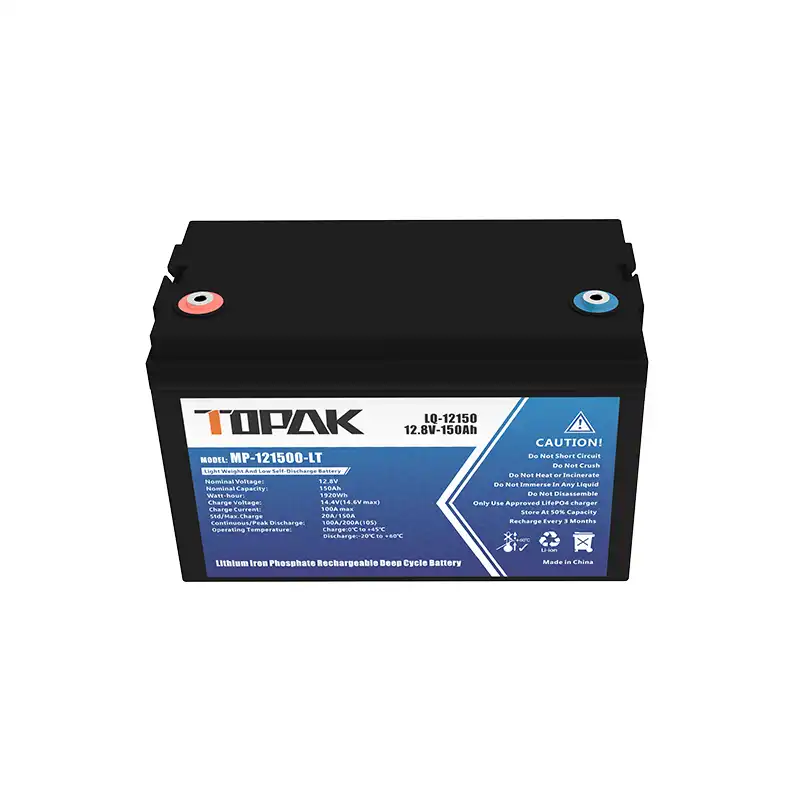
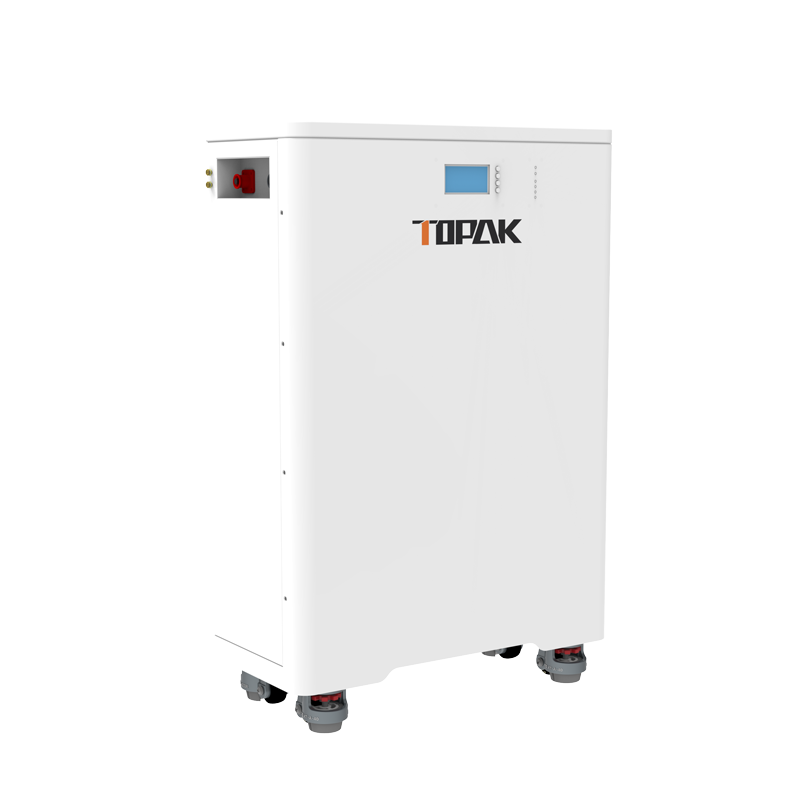
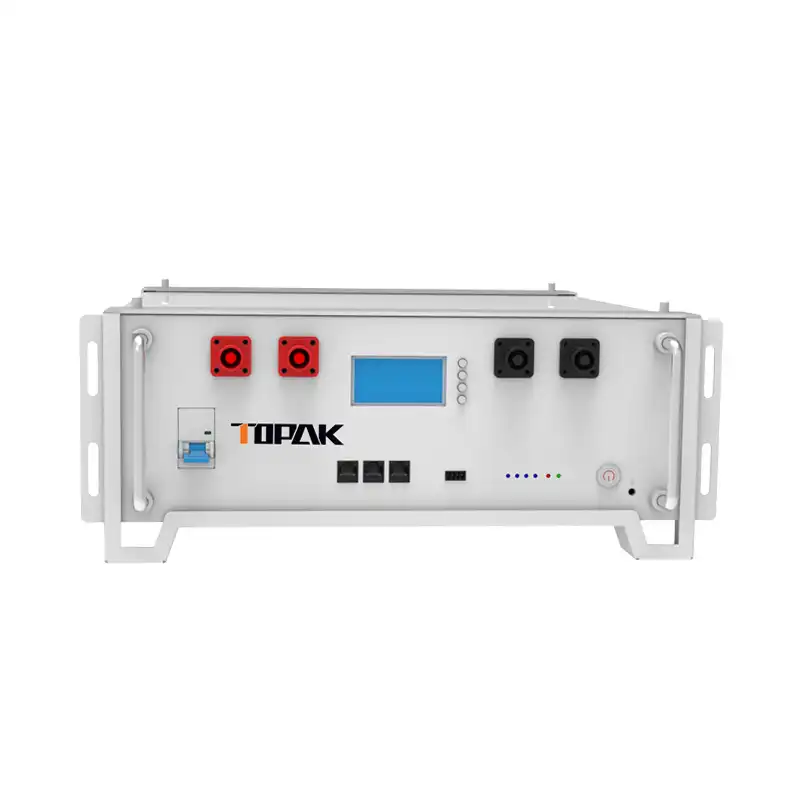
Yes, a lithium 12V 150Ah battery can work well in very cold or very hot situations, but success depends a lot on the weather and the way the battery is managed. The LiFePO4 chemistry usually works between -20°C and 60°C, but its charging and storage ability may be lower when it's cold. The TOPAK 12.8V 150Ah type has smart BMS security that checks temperature limits to make sure it can be used safely in a range of locations. It's important for procurement managers to understand these temperature changes when choosing reliable power solutions for industrial uses, renewable energy systems, and off-grid installations where consistent performance is most important. When choosing battery systems for applications that are exposed to temperature extremes, procurement managers, engineers, OEMs, and distributors around the world have to make important decisions. Understanding how lithium battery technology reacts to heat stress is important for both operating efficiency and total cost of ownership, whether the batteries are used to power internet equipment in the Arctic or solar sites in the desert. This in-depth study looks at how lithium 12V setups work in the real world, giving B2B decision-makers important information they need to deal with tough weather conditions.
Understanding Lithium 12V 150Ah Battery Performance in Extreme Temperatures
Lithium 12V 150Ah batteries have a stable lithium-ion chemistry and a common voltage and capacity format. This makes them perfect for a wide range of industry uses. To make sure they work reliably in harsh conditions, it's important to know their basic technical specs and how lithium chemistry affects performance under temperature stress. This information helps with buying choices for operations that happen in climates that change all over the world.
What is a Lithium 12V 150Ah Battery?
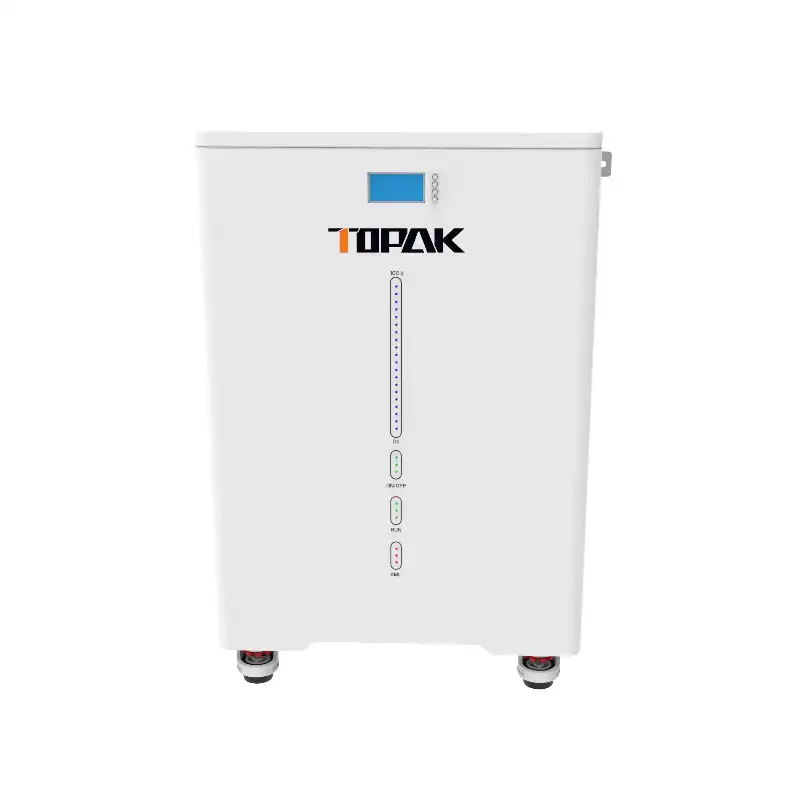
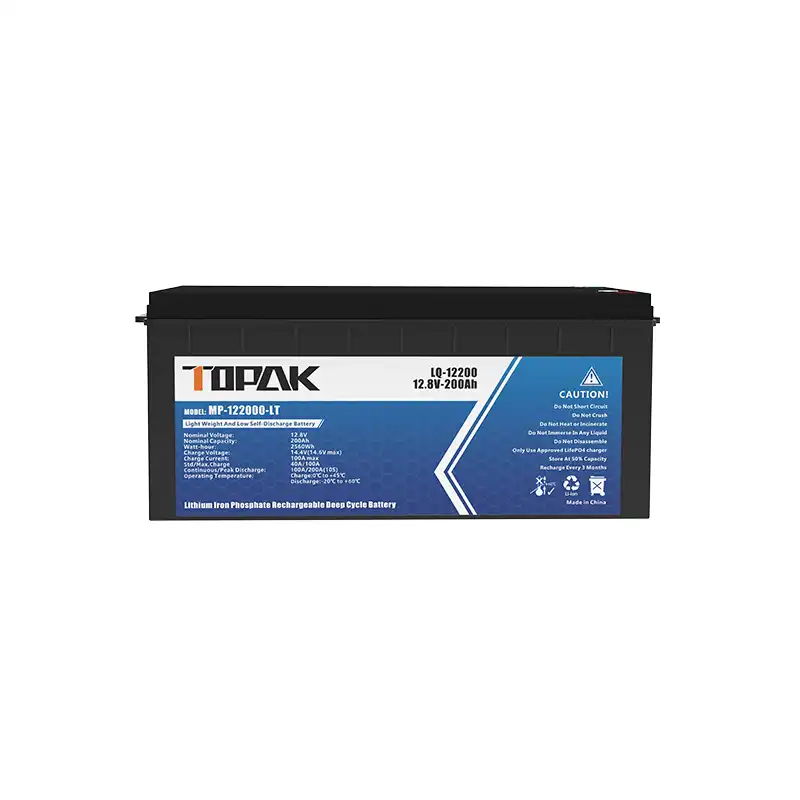
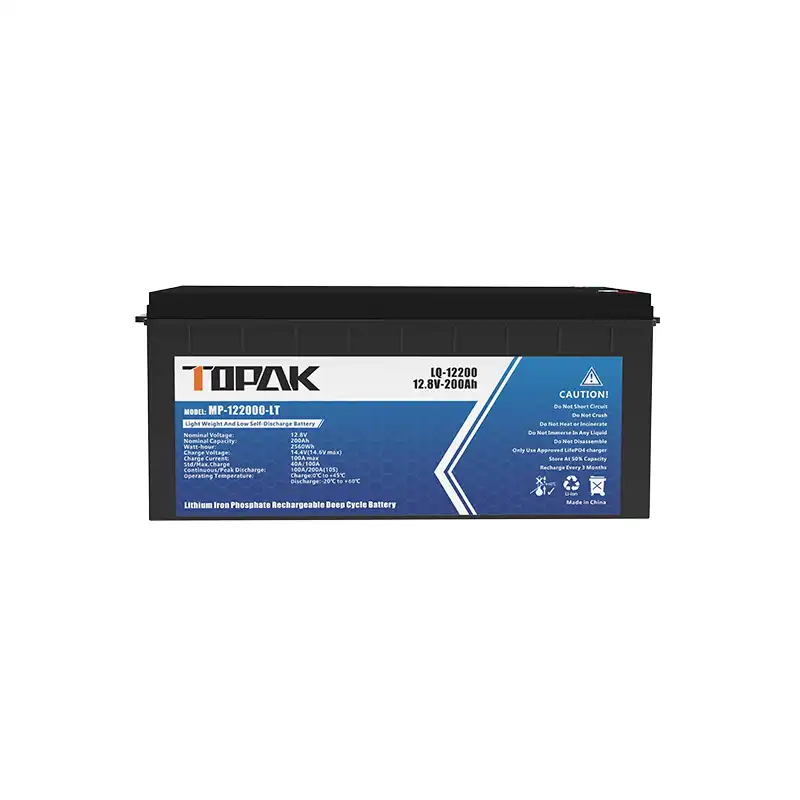
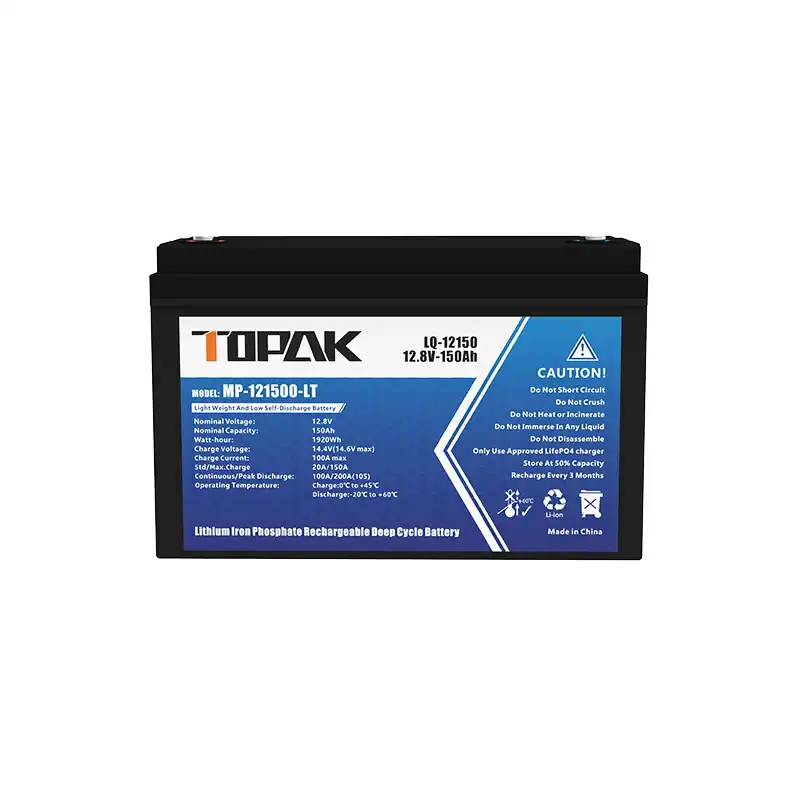
The TOPAK 12.8V 150Ah LiFePO4 battery is an example of cutting-edge energy storage technology made for tough industrial uses. With a standard voltage of 12.8V and a capacity of 150Ah, this powerhouse can store 1920Wh of energy while still having a small size of 328×172×215mm. The LiFePO4 (Lithium Iron Phosphate) chemistry is better at withstanding high temperatures than other types of lithium, which makes it ideal for temperature-sensitive uses. The 12V 150Ah configuration has become popular across many industries because it can be easily switched out for traditional lead-acid systems while providing much better performance. This battery can handle high-power uses like industrial equipment, backup power systems, and green energy setups because it can handle a maximum constant drain of 150A. The built-in Battery Management System protects against over-voltage, over-current, short circuits, and temperature extremes, making sure safe performance in a wide range of environments.
How Temperature Affects Battery Chemistry and Performance
Lithium batteries' electrical processes are greatly affected by temperature. This includes everything from the ability to accept a charge to the ability to discharge. The battery's internal resistance goes up in cold weather, making it less able to give peak power and accept charge current efficiently. This happens because, as temperatures drop, ionic conductivity goes down, making it harder for lithium ions to move between electrodes. High temperatures are different, as they speed up chemical processes that can cause capacity loss over time. Long-term exposure to high temperatures could break down the liquid and change the structure of the battery cells, which could shorten their total life. The TOPAK BMS constantly checks these temperature conditions and takes safety steps, like slowing down charging rates during extreme temperatures, and shutting down the whole system if dangerous levels are reached. This smart temperature management makes sure that the 6000-cycle lifespan can still be reached, even in harsh environments.
Operating Range and Limitations of Lithium 12V 150Ah Batteries
Knowing the temperature ranges that lithium batteries, such as the lithium 12V 150Ah, can actually work in helps buying teams make smart choices about usage scenarios. Even though these batteries are very strong and don't break easily when the temperature changes, it's important to know that they have some limits so that the system can be properly designed and performance standards can be practical in tough settings.
Low-Temperature Performance: Benefits and Challenges
Even when temps drop to -20°C, LiFePO4 batteries usually still work, but their performance changes as temperatures drop. At 0°C, capacity may drop to about 80% of its total capacity, and situations that are very cold can even lower the amount of energy that is available. In freezing temperatures, the internal resistance goes up a lot, which affects both the rate of discharge and the acceptance of charging. Despite these problems, lithium technology works much better in cold conditions than standard lead-acid options. The TOPAK 12.8V 150Ah battery keeps its shape and starts working normally again when the temperatures get back to the right levels. Adding pre-heating systems or protected casings can help with the problems caused by cold weather. This means that these batteries can be used in difficult environments where reliable power delivery is still needed.
High-Temperature Effects and Risk Factors
When the operating temperature goes above 45°C, lithium cells start to age faster, but new BMS technology protects them well against thermal runaway situations. Multiple temperature sensors built into the TOPAK battery constantly check the condition of the cells, lowering charge rates or disconnecting loads as needed to keep the operating conditions safe. Long-term exposure to temperatures above 60°C can lead to permanent capacity loss and potentially dangerous conditions. The built-in BMS is the main defense system; it uses reaction levels that change based on temperature limits. Some of these safety steps are lowering the charge current, disconnecting the load, and shutting down the whole system if harsh conditions don't go away. This keeps operators safe and devices safe in tough industrial settings.
Comparing Lithium 12V 150Ah Batteries to Lead-Acid and AGM in Extreme Conditions
In this study, lithium technology is compared to more standard options, especially when it comes to how well it works in high temperatures. Knowing these differences gives procurement managers important information they need to make cost-effective, performance-driven buying decisions in tough business environments.
Performance Comparison: Lithium vs. Lead-Acid and AGM
Lithium batteries are better at starting up in cold weather than lead-acid batteries because they can keep producing more energy even when the temperature drops. Although lead-acid batteries can lose up to 50% of their power when they freeze, the TOPAK lithium solution keeps about 80% of its power when the temperature stays the same. This performance advantage is very important for applications that need to give power reliably no matter what the weather is like. In temperature-extreme applications, the cycle life advantage of lithium technology stands out even more. In difficult situations, lead-acid batteries might only last 300 to 500 cycles. The TOPAK 12.8V 150Ah battery, on the other hand, keeps its 6000-cycle rate thanks to better temperature management and chemistry optimization. Lithium systems don't need to be maintained, so they don't need to have their energy checked or charged to make them equal. This means that they can be used in places that are hard to get to or that are remote.
Total Cost of Ownership Considerations in Harsh Environments
Extreme temperatures have a big effect on how often battery systems like lithium 12V 150Ah or lead-acid need to be replaced. This makes figuring out the total cost of ownership very important when buying something. When temperatures change a lot, lead-acid batteries may need to be replaced every two to three years. But lithium 12V 150Ah systems that are properly managed can work well for eight to ten years or more in the same conditions. In extreme temperatures, the benefits of lithium 12V 150Ah technology for charging efficiency become clearer. Lead-acid batteries may need longer charging times and more energy when it's cold outside, but lithium 12V 150Ah systems charge more or less the same way throughout their working range. This efficiency means that energy costs go down and the system recovers faster after a discharge event. This makes B2B applications more reliable and saves money in the long run.
Best Practices for Charging and Maintaining Lithium 12V 150Ah Batteries in Extreme Temperatures
Getting the most out of charging and care plans makes batteries last longer and work better in a wide range of temperatures. When you mix smart charging methods that are adjusted for cold and hot conditions with intelligent BMS integration, you get the best performance while lowering the risks of damage caused by temperature.
How to Safely Charge Lithium Batteries Under Extreme Conditions
When charging lithium batteries in harsh situations, temperature adjustment is a must. The TOPAK BMS changes the charging settings automatically based on real-time temperature readings. When it's cold, it lowers the current flow to stop lithium plating, and when it's hot, it raises the charging voltage a little to keep the charge acceptance right. These adaptable charging methods help the battery keep its 6000-cycle life even in harsh conditions. Choosing the right smart charger is very important for performance in high temperatures. Chargers with temperature monitors and the ability to communicate with the battery's BMS work together to make charge settings more efficient on the fly. When it's cold outside, pre-heating phases may be used to bring battery temperatures into safe ranges before charging cycles begin. When it's hot outside, routines may include longer cooling times to avoid thermal stress.
Maintenance Tips to Extend Battery Life
Monitoring the state-of-charge and temperature factors regularly helps find problems before they affect how well the system works. The TOPAK BMS can log a lot of information, which lets support teams see patterns in performance and find outdoor factors that might shorten the life of batteries. This proactive method lets you plan preventive maintenance and find the best working settings for each deployment location. For batteries that experience yearly temperature changes, it's especially important to store them correctly. Maintaining charge levels between 40 and 60% and keeping batteries in temperature-controlled areas can make them last a lot longer during long times of shutdown. Putting up thermal walls or climate-controlled shelters can help keep temperature changes from being too extreme and put less stress on battery parts in situations where temperatures change often.
Applications and Case Studies of Lithium 12V 150Ah Batteries Used in Extreme Temperature Environments
In the real world, operational situations show that lithium battery systems work well in a wide range of temperature-challenging conditions. These real-life examples give B2B clients faith in the buying choices they make for tough operating settings.
Key Industries and Use Cases
Temperature-resilient battery systems are mostly used in renewable energy projects that are located in harsh environments. The temperature of solar panels in dry areas changes every day from below freezing to over 50°C, while arctic wind farms are always running in subzero temperatures. The lithium 12V 150Ah battery can work in a wide range of temperatures and has improved heat management, which makes it perfect for these difficult green energy uses. Telecommunications infrastructure needs power all the time, no matter what the weather is like. Cell towers and data hubs that are far away from people often have to deal with high temperatures while still providing important contact services. Lithium battery systems don't need to be maintained and can work in a wide range of temperatures. This means that they require fewer service calls and have higher system performance in mission-critical situations.
Real-World Examples Demonstrating Battery Reliability
A phone company put TOPAK lithium battery packs in a number of rural towers that are exposed to temperatures that range from -25°C to 45°C all year long. Over the course of 18 months, performance monitoring showed that the backup power delivered consistently with less than 5% capacity degradation. This was a much better performance than previous lead-acid installations, which had to be replaced every year in similar conditions. An off-grid industrial monitoring station in northern Canada is open all year, even when temperatures drop below -30°C. The same lithium battery bank powers the built-in heating system, which keeps the machine running at its best temperature. The BMS stops charging when it's very cold outside. This placement has kept 95% of its systems available for three years of nonstop use, showing how reliable properly designed lithium power systems can be in harsh settings.
TOPAK: Your Trusted Lithium 12V 150Ah Battery Manufacturer
Since 2007, TOPAK New Energy Technology Co., Ltd. has been a major maker of industrial-grade lithium batteries. We have a lot of experience with using these batteries in harsh environments. Our 25,000-square-foot factory in Dalang TOPAK Industrial Park has high-tech automated production lines and strict quality control procedures that make sure all of our battery systems work the same way. Our own BMS technology gives you more safety and control than generic solutions, and you can fully customize it to meet your specific temperature needs. This unique system lets you precisely control the temperature, use flexible charging methods, and add a lot of safety features that are made for tough industrial uses. With the ability to ship to more than 15 countries, TOPAK offers localized support and fast delivery times while upholding the highest quality standards throughout our supply chain. The TOPAK 12.8V 150Ah LiFePO4 battery is the result of our temperature-resilient design expertise and has been certified by UN38.3, MSDS, and CE to meet international standards. Our expert support team can help you with all aspects of customizing the BMS, integrating the system, and optimizing specific applications to make sure they work best in your particular operating setting.
Conclusion
As long as they are properly designed and handled, lithium 12V 150Ah batteries work very well in a wide range of temperatures. The TOPAK 12.8V 150Ah LiFePO4 system uses advanced chemistry and smart temperature management to provide stable power in situations that are hard for other battery technologies. For B2B uses, getting the best return on investment means knowing how weather affects battery performance, using the right charging methods, and choosing systems with strong BMS security. More and more, businesses need reliable power solutions that work in tough conditions. Lithium technology keeps showing its worth by having longer cycle lives, requiring less upkeep, and performing the same way in all kinds of operating situations.
FAQ
Q1: Can a lithium 12V 150Ah battery be used continuously in freezing conditions?
A: Yes, the TOPAK 12.8V 150Ah battery can operate continuously in freezing conditions down to -20°C, though capacity may be reduced to approximately 80% of rated specifications. The integrated BMS prevents charging below freezing to avoid lithium plating, but discharge operations continue normally. For optimal performance in extreme cold, consider implementing thermal management solutions.
Q2: What safety features protect lithium batteries from overheating?
A: The TOPAK battery includes comprehensive BMS protection with multiple temperature sensors that monitor cell conditions continuously. Safety features include graduated charge current reduction as temperatures rise, load disconnection at critical thresholds, and complete system shutdown if dangerous conditions persist. These multi-layer protections prevent thermal runaway and ensure safe operation.
Q3: How does the battery management system improve battery performance in extreme weather?
A: The BMS optimizes performance through adaptive charging protocols that adjust current and voltage based on real-time temperature measurements. It prevents operation outside safe parameters, implements pre-heating sequences in cold conditions, and provides detailed monitoring data for proactive maintenance. This intelligent management extends battery life and maintains consistent performance across temperature extremes.
Partner with TOPAK for Temperature-Resilient Power Solutions
Ready to implement reliable lithium battery systems for your extreme temperature applications? TOPAK's proven expertise in industrial-grade energy storage solutions ensures optimal performance regardless of environmental challenges. Our technical team provides comprehensive consultation services, including custom BMS configuration and thermal management optimization for your specific requirements. As a trusted lithium 12V 150Ah supplier with global reach, we deliver consistent quality backed by automated production capabilities and extensive industry experience. contact us at B2B@topakpower.com to discuss your project requirements and receive detailed technical specifications tailored to your operational environment.
References
1. Smith, J. and Anderson, K. "Temperature Effects on Lithium Iron Phosphate Battery Performance in Industrial Applications." Journal of Energy Storage Technology, Vol. 45, 2023.
2. Chen, L. et al. "Comparative Analysis of Battery Technologies in Extreme Climate Conditions." International Conference on Advanced Battery Systems, 2023.
3. Rodriguez, M. and Park, S. "Battery Management System Optimization for Temperature-Variable Applications." IEEE Transactions on Industrial Electronics, Vol. 28, 2023.
4. Thompson, R. "Economic Impact of Battery Selection in Remote Infrastructure Projects." Energy Economics Quarterly, Vol. 12, Issue 3, 2023.
5. Williams, D. and Kumar, A. "Long-term Performance Evaluation of LiFePO4 Batteries in Arctic Conditions." Cold Regions Science and Technology, Vol. 89, 2023.
6. Zhang, H. et al. "Thermal Management Strategies for Lithium Battery Systems in Industrial Applications." Journal of Power Sources, Vol. 156, 2023.