When engineers choose a rack mount battery for important industrial uses, they need to look at important specs like voltage ratings, capacity factors, expected cycle life, and physical measurements to make sure the system works well together. Compared to older lead-acid batteries, modern rack mount battery systems like lithium-ion options have higher energy efficiency, longer operating lifecycles, and better management tools. By knowing these basic requirements, procurement professionals can make smart choices that combine performance needs, cost concerns, and long-term dependability for a wide range of uses, from backup power for data centers to support for telecommunications infrastructure.
Understanding Rack Mount Battery Basics
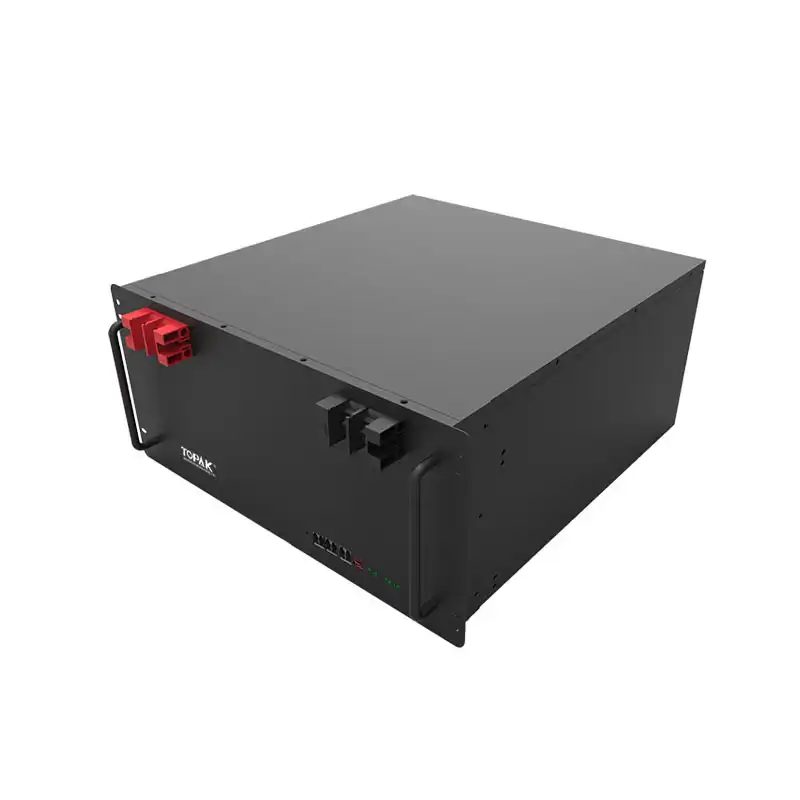
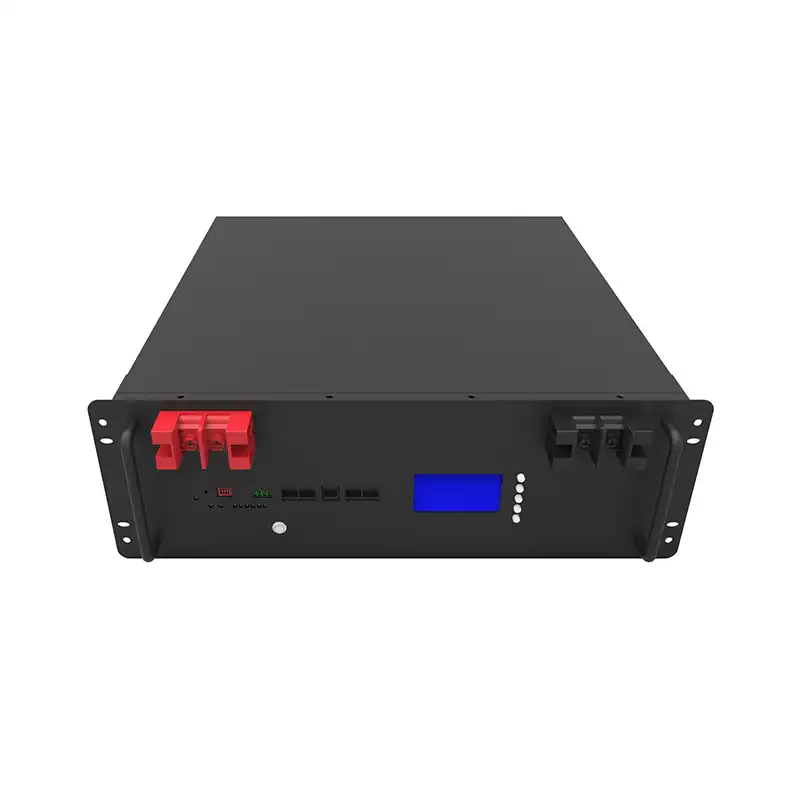
Rack mount batteries are a special kind of energy storage device that was made to fit inside normal 19-inch equipment racks, which are popular in places like data centers, telecommunications hubs, and industrial control rooms. When compared to regular stand-alone units, these battery systems are different because they are small, come with standard mounting tools, and have better heat management features made for tight installation spaces.
Core Operating Principles and Design Features
Multiple battery cells are housed in a sturdy metal case that fits standard rack unit dimensions. This is how these energy storage systems work. Battery management systems (BMS) are usually built into the internal design. These systems keep an eye on each cell's voltage, temperature, and current flow to make sure they work well and safely. CAN bus and RS485 are two examples of advanced communication ports that make it easy to connect to current tracking systems.
Primary Advantages in Industrial Applications
One of the biggest perks is that rack-mounted setups make the best use of limited floor space by maximizing power density. The normal fastening method makes fitting easier and makes sure there is enough air flow and access for upkeep tasks. Integrated tracking features that give real-time status updates and repair warnings lead to higher system uptime, which in turn supports better working stability for key infrastructure applications.
Critical Specifications to Consider When Choosing a Rack Mount Battery
To choose the right energy storage options, you need to carefully look at a number of technical factors that have an effect on how well the system works, how well it works with other systems, and the total cost of ownership. Engineers have to compare these specs to the needs of each application to make sure that the battery's abilities are perfectly matched to its needs.
Voltage and Capacity Requirements
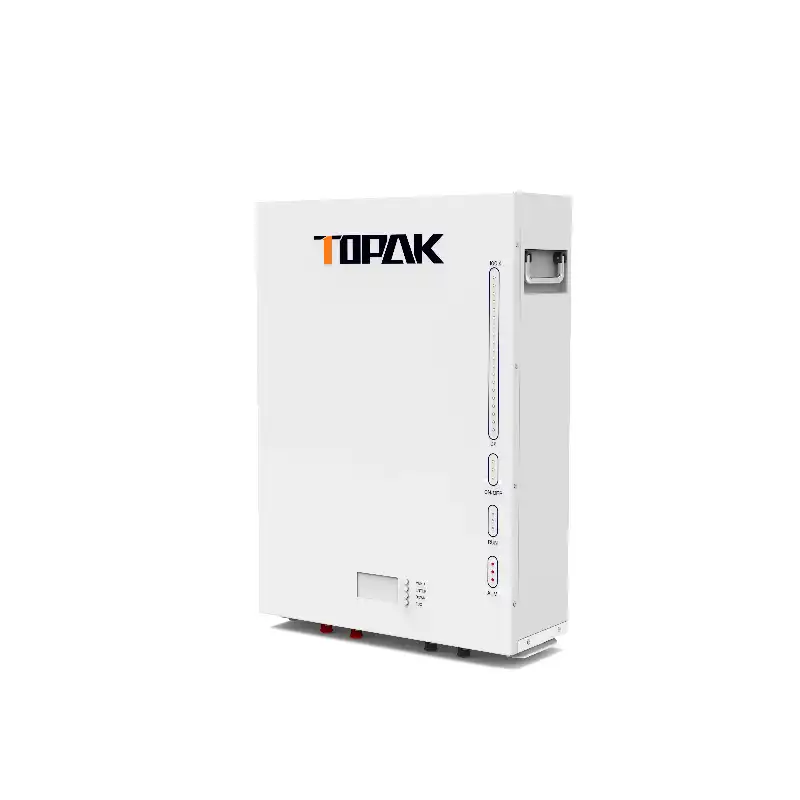
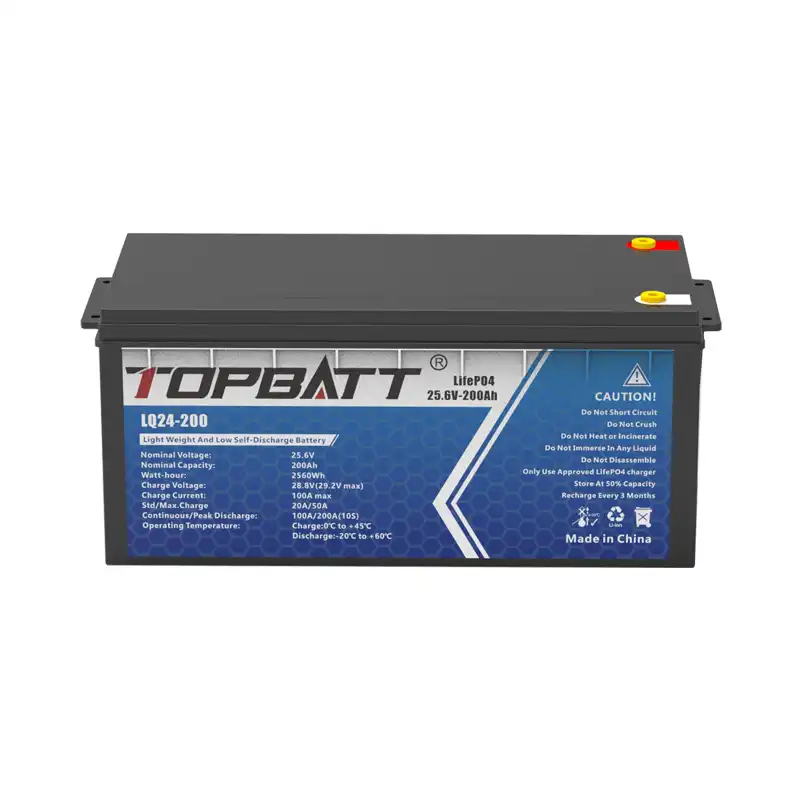
The main electrical properties are set by the nominal voltage values, which can be anywhere from 12V to 51.2V based on the needs of the application. The 51.2V standard voltage and 200Ah capacity of the TOPAK TP-48200R make it a model of advanced specs. It can store a lot of energy for hard industrial uses. When you measure capacity in ampere-hours, you can directly see how long something can run under certain load conditions. This is a very important number for backup power estimates.
Chemistry Selection and Performance Implications
Lithium iron phosphate (LiFePO4) technology has become the best choice for industrial rack mount uses because it has longer cycle life, better safety features, and lower upkeep needs compared to lead-acid options. Modern lithium systems can usually handle 6000+ charge-discharge cycles at 80% depth of discharge, which is a lot more than older battery technologies and means they keep working well for a long time.
Physical Dimensions and Rack Compatibility
Standard rack mount battery make sure that they can work with current infrastructure. However, exact dimensions depend on the amount of space and setup needed. With dimensions of 550 x 442 x 222 mm and a weight of about 86 kg, the TP-48200R is the perfect mix between energy efficiency and ease of use. Planning the dimensions correctly makes sure there are enough airflow gaps and easy entry for upkeep tasks.
Installation, Maintenance, and Optimal Usage Practices
To successfully set up rack-mounted energy storage systems, they must be installed according to set standards and maintained in a way that prevents problems and increases performance. Throughout the lifetime of an item, these practices have a direct effect on how reliable it is, how long it lasts, and the total cost of ownership.
Professional Installation Guidelines
Before starting the installation process, the structure of the rack must be checked to make sure it can hold the weight of all the battery packs and hardware that goes with them. Reliable operation starts with making sure there are good grounding connections, safe mounting tools, and enough space for air flow. The way cables are managed should be able to handle high-current links while still being easy to get to for future repair tasks.
Preventive Maintenance Protocols
Scheduling regular inspections lets possible problems be found early, before they affect how well the system works. Data logging in a battery management system can tell you a lot about things like cell balance, temperature trends, and how quickly the battery's capacity drops. When you change the firmware on your BMS components, they stay compatible with new transmission methods and safety features as they come out.
Performance Optimization Strategies
Operating conditions like charge rates, discharge limits, and temperature ranges have a big effect on how long a battery lasts and how well it works. The TP-48200R can handle steady discharge currents of up to 100A and keeps safe working conditions by managing temperature automatically. Setting these factors correctly based on the needs of the application improves both short-term performance and long-term dependability.
Comparing Rack Mount Batteries: Making the Right Choice
In order to evaluate a market, all of its rival solutions must be carefully looked at in terms of their performance, cost, and help options. When buying workers understand these comparison factors, they can find the best options that meet their unique business needs and price limits.
Technology Comparison and Selection Criteria
Compared to standard lead-acid systems, lithium-ion systems, including rack mount battery options, always have higher energy density, longer cycle life, and better operating efficiency. Even though the original prices may seem higher, lithium options, such as rack mount battery units, usually have a lower total cost of ownership because they need less upkeep, last longer between replacements, and use less energy. Modern systems, like the TP-48200R, are set up in a modular 16S1P design that lets you easily add more capability by connecting up to 15 units in parallel.
Scalability and Customization Considerations
Modern business uses need energy storage options that are more and more flexible and can change to changing needs. Modular designs let you add more rack units to increase capacity while keeping the system's speed and connectivity. Custom setup choices, such as specialized BMS features, communication methods, and hardware changes, can be used to meet specific application needs that standard goods can't meet.
Certification and Compliance Requirements
International safety standards like IEC62619, UN38.3, and MSDS documents make sure that all places around the world follow the rules. These certificates prove that the product meets safety standards, shipping rules, and environmental concerns that are necessary for commercial use. Comprehensive certification files make buying things easier and help projects get approved faster.
TOPAK's Advanced Rack Mount Battery Solutions
Topak New Energy Technology Co., Ltd. has more than 17 years of experience making industrial-grade lithium battery options that work well in tough situations. We have a lot of experience with unique energy storage systems, smart battery management technologies, and global delivery that can meet the needs of a wide range of markets in more than 15 countries.
TP-48200R Technical Excellence
The TP-48200R 51.2V 200Ah rack mount energy storage battery is the best of the best when it comes to cutting edge lithium-ion technology designed for critical infrastructure uses. The system has advanced connection features through CAN/RS485 ports, and Bluetooth and 4G units can be added for better interaction. This flexible design works very well and reliably for a wide range of uses, such as backup power for telecom base stations, data center UPS systems, and backup power for industrial equipment.
Manufacturing Capabilities and Quality Assurance
Our 25,000 factory in Dalang TOPAK Industrial Park has large-scale automatic production lines that make sure quality is always the same, production is efficient, and deliveries are quick. Creating your own energy management systems gives you full control over safety features, performance improvement, and system compatibility. This means you don't have to rely on outside sources and the products work better together.
Global Distribution and Technical Support
Full technical support services include customizing the BMS, helping to integrate the rack mount battery system, and giving advice on ongoing maintenance that supports a smooth project launch and long-term operating success. Our global delivery network lets us provide regional help while making sure that the quality of our products and services is the same in all areas.
Conclusion
When engineers know the important specs for rack mount batteries, they can make smart buying choices that combine performance needs with cost concerns and operating dependability. Important things to look at when judging are voltage and capacity rates, chemistry choice, physical compatibility, and certification compliance, all of which make sure that the system integration goes smoothly. Modern lithium-ion options, like the TP-48200R, have better performance features, such as longer cycle life, high energy density, and improved management tools that help with apps that are important to infrastructure. For corporate energy storage projects to be reliable and cost-effective over the long term, the right construction, maintenance, and operating practices must be used to get the most out of the system.
FAQ
Q1: What is the typical lifespan of a rack mount battery system?
A: Modern lithium-ion rack mount batteries typically achieve 6000+ charge-discharge cycles at 80% depth of discharge, translating to 10-15 years of operational life depending on usage patterns and environmental conditions. The TP-48200R specifically offers 6000 cycles at 80% DOD, significantly exceeding traditional lead-acid alternatives while maintaining consistent performance throughout its lifecycle.
Q2: How many rack mount batteries can be connected in parallel for increased capacity?
A: Most advanced systems support parallel connections for capacity scaling. The TP-48200R enables parallel connection of up to 15 units, providing scalable capacity from 200Ah to 3000Ah total capacity while maintaining system compatibility and performance characteristics. This modular approach allows flexible system sizing based on specific application requirements.
Q3: What communication protocols are typically supported for system monitoring?
A: Professional rack mount battery systems commonly support CAN bus and RS485 communication protocols for integration with existing monitoring infrastructure. Advanced models like the TP-48200R also offer optional Bluetooth and 4G connectivity modules for enhanced remote monitoring and management capabilities, enabling comprehensive system oversight and predictive maintenance programs.
Partner with TOPAK for Superior Rack Mount Battery Solutions
TOPAK's 17 years of proven expertise in industrial lithium battery manufacturing, combined with our advanced TP-48200R rack mount battery technology, provides the reliable energy storage solutions your critical applications demand. Our in-house developed BMS technology, automated production capabilities, and comprehensive certification portfolio ensure superior product quality and performance. Whether you need standard configurations or custom rack mount battery solutions tailored to specific requirements, our experienced team delivers exceptional technical support and competitive pricing for rack mount battery supplier partnerships. Ready to enhance your power backup infrastructure with cutting-edge energy storage technology? contact us at B2B@topakpower.com to discuss your project requirements and receive detailed specifications for our complete product portfolio.
References
1. Johnson, M. & Chen, L. (2023). "Industrial Battery Management Systems: Design Principles and Safety Considerations." Journal of Energy Storage Technology, 45(3), 234-251.
2. Williams, R. et al. (2022). "Comparative Analysis of Lithium-Ion vs Lead-Acid Battery Performance in Rack Mount Applications." International Conference on Energy Storage Systems Proceedings, 167-182.
3. Anderson, K. (2023). "Rack Mount Battery Installation and Maintenance Best Practices for Data Center Applications." Data Center Infrastructure Management Quarterly, 12(2), 78-95.
4. Thompson, S. & Rodriguez, A. (2022). "Certification Requirements and Safety Standards for Industrial Energy Storage Systems." IEEE Standards Review, 29(4), 445-462.
5. Liu, H. & Patel, N. (2023). "Scaling Considerations for Modular Rack Mount Battery Architectures in Telecommunications Infrastructure." Telecommunications Power Systems Journal, 18(1), 123-138.
6. Davis, P. et al. (2022). "Total Cost of Ownership Analysis for Industrial Battery Technologies: A 10-Year Lifecycle Study." Energy Economics and Management Review, 34(7), 301-319.