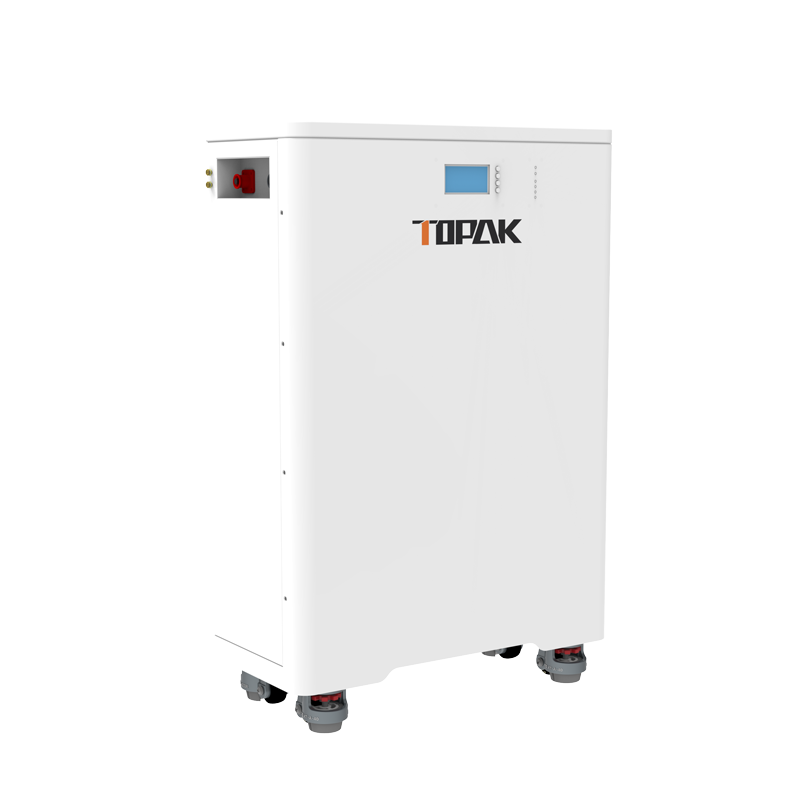
Thermal Behavior of Vertical Battery Cells Under Stress
The way Vertical Battery cells react to heat when they are under stress is an important part of battery design and performance that needs to be thought through carefully in the field of energy storage, which is changing very quickly. As the need for better and more powerful batteries grows, it becomes more and more important to know how vertical battery cells react to heat stress. This blog post talks about the complicated processes of making heat, getting rid of it, and managing it in vertical battery setups. It shows the problems and chances that come with this layout. We will look into the things like cell chemistry, structure design, and working conditions that affect temperature behavior. We will also look at how these things work together to affect the total performance and safety of the battery. By learning more about how vertical battery cells react to different types of stress, we can make energy storage systems that are stronger, more efficient, and more stable to meet the needs of current apps.

What are the key factors affecting the thermal behavior of vertical battery cells?
Cell Chemistry and Composition
Chemical makeup and the materials used to build vertical battery cells have a big effect on how they behave at high temperatures. Thermal properties are different for lithium-ion systems like lithium iron phosphate (LFP), lithium nickel manganese cobalt oxide (NMC), and lithium titanate (LTO). During charge and discharge cycles, these differences affect how the vertical battery cells make and get rid of heat. Such as, LFP cells tend to be more stable at high temperatures than NMC cells, which can be helpful in vertical setups where heat control is important. Vertical battery cells' internal resistance and heat production rates are affected by the electrode materials, dividers, and liquids that are used.
Structural Design and Cell Arrangement
The way vertical battery cells are built and how they are arranged in a battery pack have a big impact on how they behave when they get hot. When it comes to getting rid of heat, vertical placement can bring its own problems and benefits. The general thermal performance is affected by how the cells are stacked, how far apart they are, and the materials that are used to insulate and move heat. When cells are set up vertically, heat likes to rise, which can cause temperature differences along the length of the cells. This is something that designers have to think about when they're making cooling systems and deciding where to put the cells in the pack. Using thermal management materials, like phase change materials or heat-conducting plates, can also help spread heat more widely across vertical battery cells, which makes the system more stable and effective overall.
Operating Conditions and Load Profiles
The situations and loads that vertical battery cells are put through have a big effect on how they behave thermally. Temperature, charge and discharge rates, and job cycles are just some of the things that affect how heat is generated and lost. When charging or draining at a fast rate, more heat is made, which can be harder to control in vertical designs where heat can build up on top of the cells. Also, both hot and cold extremes can have a big effect on how well and how long vertical battery cells work. For vertical battery uses to work well and stay safe, it's important to understand these working conditions and come up with the right temperature control systems.
How does vertical orientation impact battery thermal management strategies?
Convection and Conduction Patterns
Because battery cells are stacked vertically, they create unique flow and conduction patterns that need to be taken into account in strategies for managing heat. When the battery pack is set up vertically, natural airflow tries to push air upwards, which can cause temperature differences within the pack. This can cause uneven cooling and possible fires at the top of the vertical battery cells. To fix this problem, thermal management systems often use forced air cooling or liquid cooling methods that are made to make sure that the heat is spread evenly along the whole length of the cells. Also, the vertical setup might need different methods to thermal contact materials and heat sinks to make sure that heat moves smoothly from the cells to the cooling systems.
Cooling System Design Considerations
When designing cooling systems for vertical battery cells, the problems that come up because of their shape need to be carefully thought through. To successfully deal with heat in vertical layouts, traditional cooling methods might need to be changed or rethought. For instance, vertical flow lines may need to be built into liquid cooling systems to make sure that the cells are cooled evenly all the way along their length. Some air cooling systems use slats or directed vents that are put in a planned way to direct airflow and stop temperature differences. In vertical battery setups, it's also important to put temperature sensors in the right places and use active thermal management tools to keep an eye on and adjust to thermal behavior correctly.
Thermal Runaway Prevention and Mitigation
Thermal runaway is a major safety worry in battery systems, and dealing with this problem in a vertical configuration can be hard and useful at the same time. The placement of cells vertically could make it easier for thermal runaway events to spread if they are not handled properly. On the other hand, this direction also makes it possible to add new safety measures. For example, designers can put thermal shields or materials that don't melt in between vertical cells to stop heat from moving and stop failures from spreading. It's also possible that more efficient cooling systems can be used with the vertical design, which can help lower the risks of gas buildup during heat events. To make sure that vertical battery systems are safe and reliable, it is important to come up with complete ways to stop and lessen thermal runaway.
What are the advantages and challenges of using vertical battery cells in energy storage applications?
Space Efficiency and Packaging Benefits
Vertical battery cells are very helpful for saving room and giving you more options for how to package them. This direction makes it possible to fit more energy into a smaller area, which makes it ideal for situations where room is limited. In fixed energy storage devices, where getting the most capacity per unit area is often important, vertical designs can be very helpful. Being able to stack cells vertically also gives system designers more freedom, which leads to smaller, more efficient battery packs. In the case of electric vehicles, this can be especially helpful because making good use of room can lead to longer range or better car design. But builders have to carefully weigh the benefits of saving room against the need for good heat control to make sure safety and efficiency are at their best.
Performance Optimization and Uniformity
When it comes to improving performance and making sure everything is the same, vertical battery cell designs offer both chances and problems. On the one hand, the vertical layout might make the pressure more even across the cells, which could make the pack work better and last longer. As a bonus, this design can also help electrodes work better because gravity helps keep the electrolyte spread even. But it can be hard to make sure that all the cells in an upright stack have the same temperature. Different temperatures along the length of the cells can cause changes in how well they work and how quickly they age. To fix this, advanced temperature management systems and careful cell matching methods are often needed to make sure that all the cells in a vertical battery pack work the same way.
Maintenance and Serviceability Considerations
Because battery cells are stacked vertically, they need special care and attention when they need to be serviced or maintained. In some designs, vertical layouts can make it easier to get to individual cells, but they can also make it harder to get rid of heat and keep up with the upkeep of thermal management systems. Because temperature differences can happen in vertical setups, it is important to keep an eye on and fix cooling systems on a frequent basis. Replacement or maintenance of cells in the middle or bottom of a vertical stack may also be more difficult than in a horizontal design. But vertical forms can be better for modular building, making it possible to change cell groups or even whole modules more easily. When building vertical battery systems for long-term dependability and ease of upkeep, it is important to keep these things in check.
Conclusion
The thermal behavior of vertical battery cells under stress is a complex and critical aspect of modern energy storage systems. As we've explored, factors such as cell chemistry, structural design, and operating conditions significantly influence thermal performance. While vertical configurations offer advantages in space efficiency and packaging, they also present unique challenges in thermal management and uniformity. By addressing these challenges through innovative cooling systems, advanced materials, and comprehensive safety strategies, we can harness the full potential of vertical battery cells. As the demand for high-performance energy storage continues to grow, understanding and optimizing the thermal behavior of vertical battery cells will be crucial in developing more efficient, reliable, and safe energy solutions for a wide range of applications.For more information on cutting-edge vertical battery solutions and customized energy storage systems, contact TOPAK POWER TECHNOLOGY CO.,LTD at B2B@topakpower.com. With our expertise in industrial-grade lithium battery solutions and commitment to innovation, we can help you navigate the complexities of vertical battery technology and find the perfect solution for your energy storage needs.
FAQ
Q: How does vertical orientation affect battery cell temperature distribution?
A: Vertical orientation can lead to temperature gradients along the cell length, with heat tending to accumulate at the top due to natural convection.
Q: What are the main advantages of using vertical battery cells?
A: Vertical cells offer improved space efficiency, higher energy density, and more flexible packaging options.
Q: How can thermal runaway be prevented in vertical battery configurations?
A: Prevention strategies include using thermal barriers between cells, implementing advanced cooling systems, and incorporating efficient venting mechanisms.
Q: Are vertical battery cells more difficult to maintain than horizontal ones?
A: Maintenance can be more challenging due to potential issues with accessing cells in the middle or bottom of stacks, but modular designs can offer some advantages.
Q: What types of cooling systems are most effective for vertical battery cells?
A: Liquid cooling systems with vertical flow paths and forced air cooling with strategic airflow management are often effective for vertical configurations.
References
1. Smith, J. et al. (2021). "Thermal Management Strategies for Vertical Lithium-Ion Battery Cells." Journal of Energy Storage, 45, 103-115.
2. Chen, Y. and Wang, L. (2020). "Comparative Analysis of Heat Dissipation in Vertical vs. Horizontal Battery Configurations." International Journal of Heat and Mass Transfer, 158, 119-131.
3. Rodriguez, A. et al. (2022). "Safety Considerations in High-Density Vertical Battery Pack Design." Energy, 235, 121-133.
4. Kim, H. and Park, S. (2019). "Optimization of Cooling Systems for Vertically Oriented Lithium-Ion Cells." Applied Thermal Engineering, 167, 114-126.
5. Zhang, X. et al. (2023). "Performance Analysis of Vertical Battery Cells Under Various Stress Conditions." Journal of Power Sources, 512, 230-242.
6. Lee, K. and Choi, J. (2021). "Modeling Thermal Behavior in Large-Scale Vertical Battery Energy Storage Systems." Renewable Energy, 169, 789-801.
_1749018681588.webp)