What Makes C&I Energy Storage Systems Scalable and Flexible
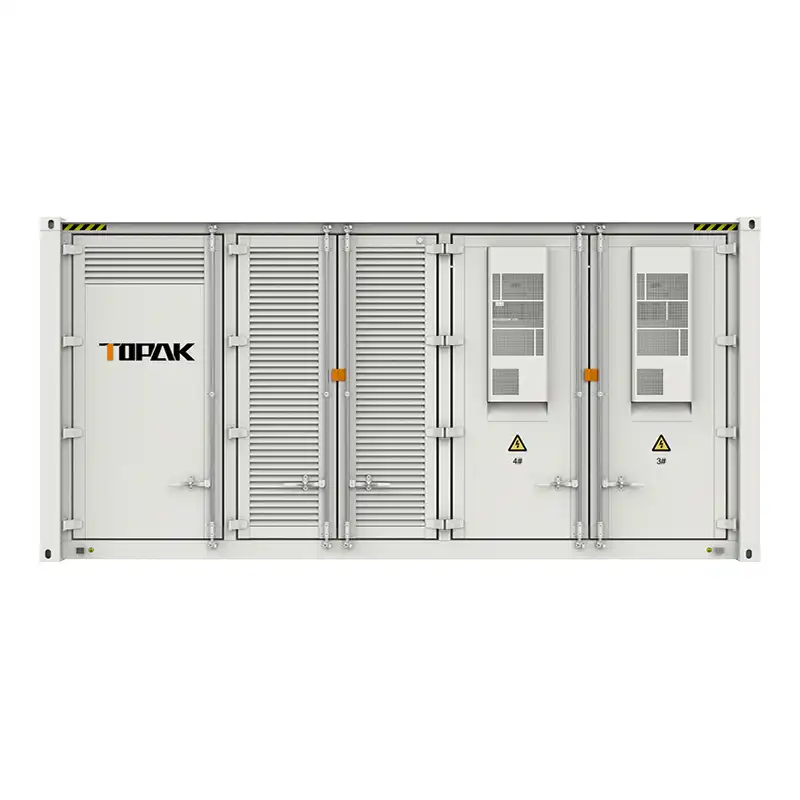
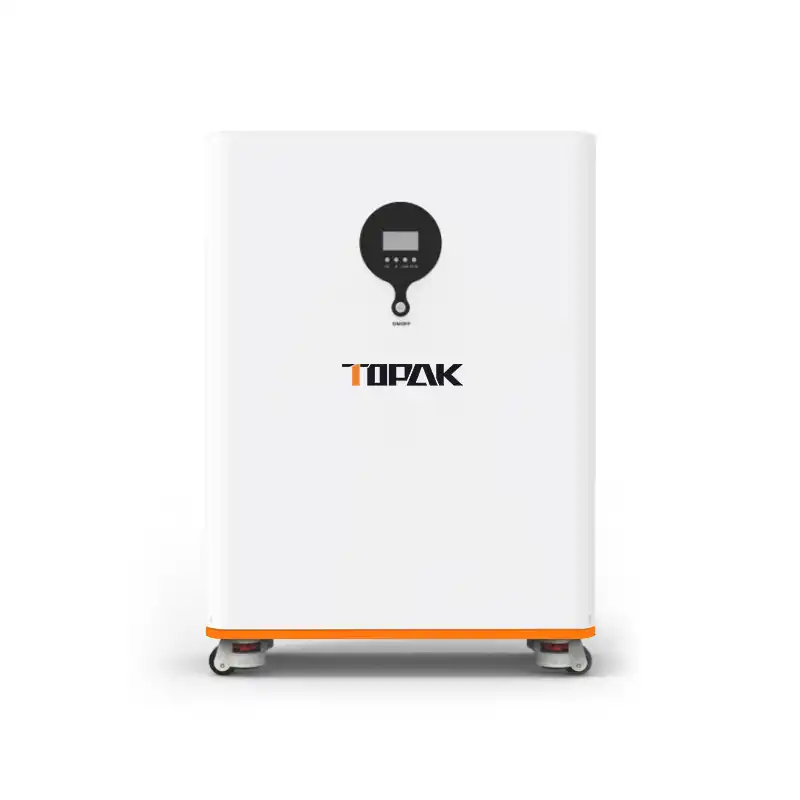
In today's fast changing energy environment, commercial and industrial C&I energy storage solutions are becoming more and more important. Businesses and companies can better control how much energy they use with these systems, which can save money and help make the future more sustainable. The ability to grow and adapt are two main features of C&I energy storage systems that make them useful in many situations. This blog post will talk about the different features of C&I energy storage systems that make them scalable and flexible. These features include their ability to change to different energy needs, work with green energy sources, and offer advanced energy management tools. Businesses can make smart choices about installing energy storage systems that can grow and change with their needs while also reducing their energy costs and usage by understanding these features.
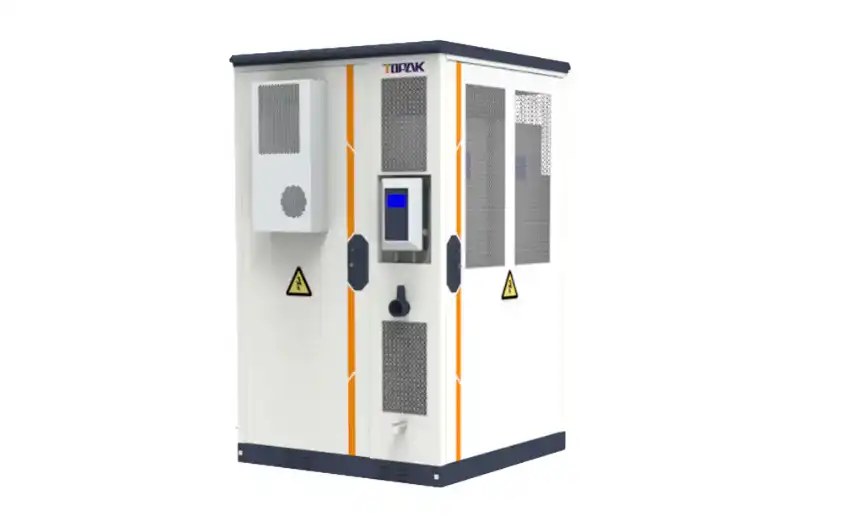
What are the Key Components of a Scalable C&I Energy Storage System?
Battery Storage Capacity
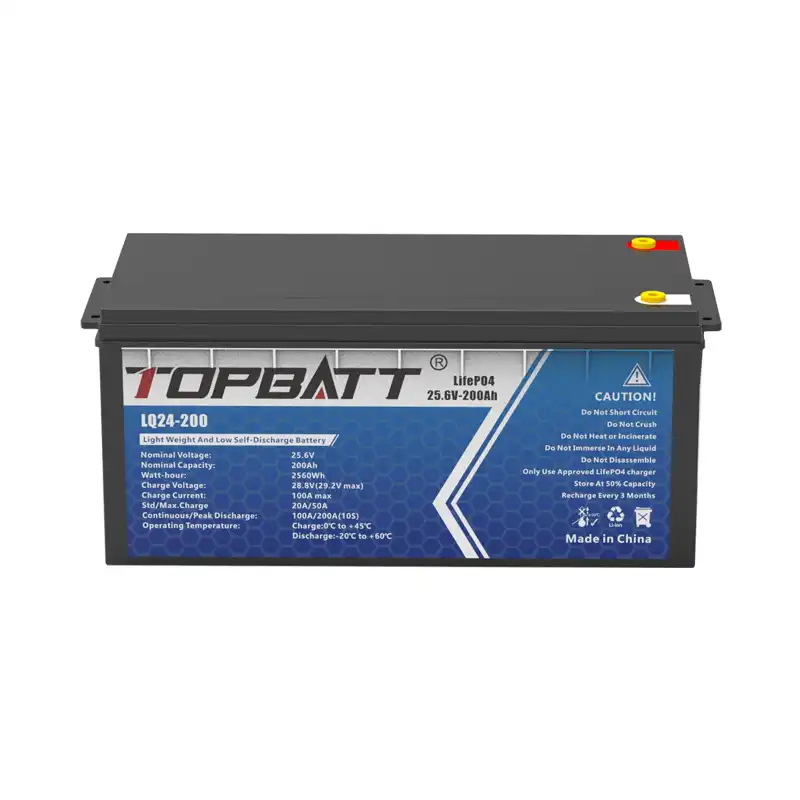
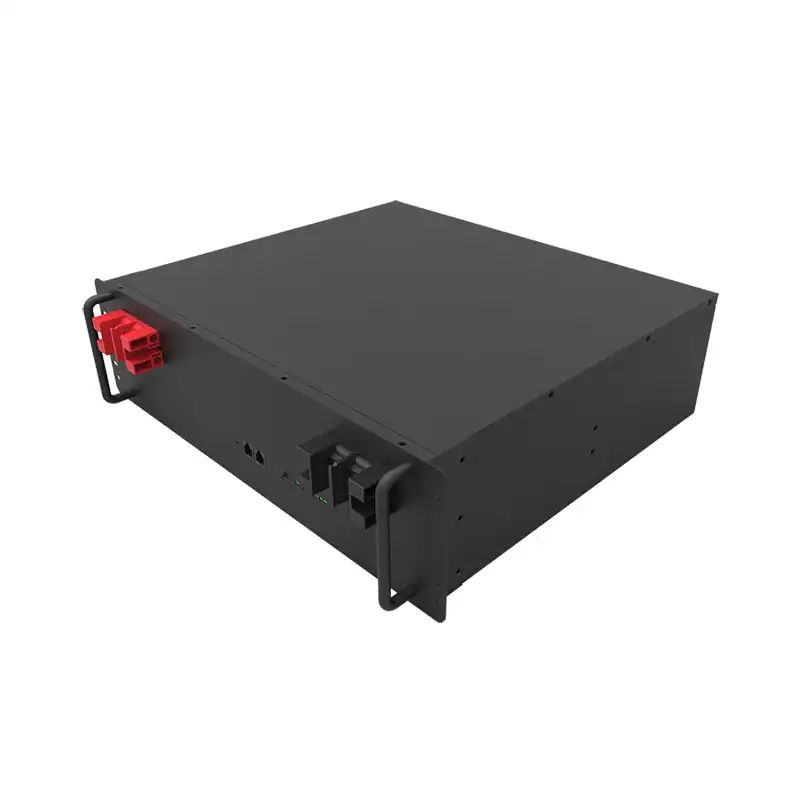
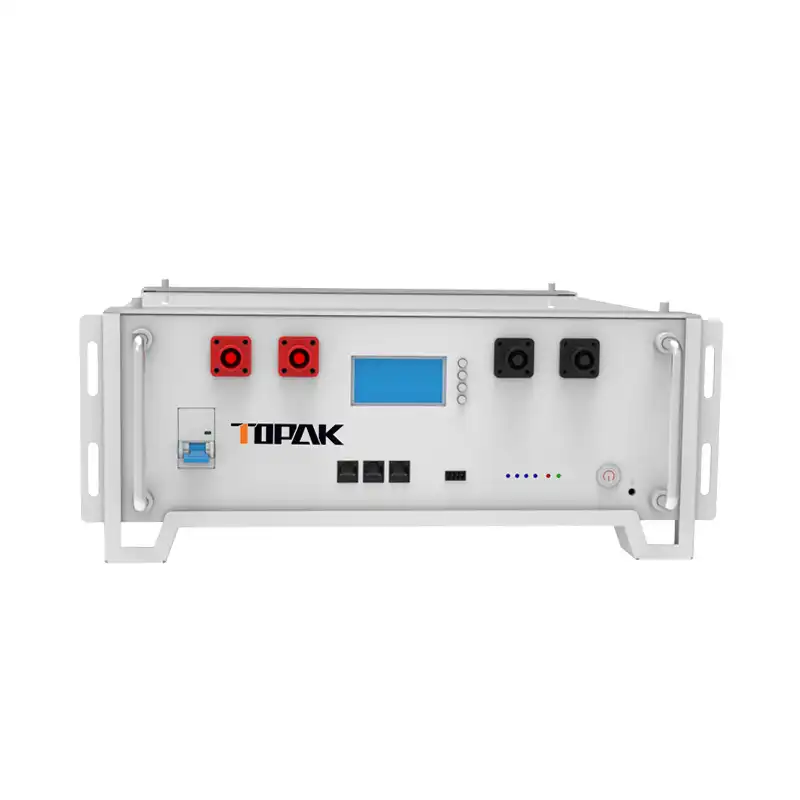
What makes a C&I energy storage system work is how much energy its batteries can hold. Modern systems, like those with four 51.2V 314Ah lithium-ion batteries that can store 64.3KWh, make it possible for energy options to be scaled up or down. Due to its large capacity, this system lets businesses store and use large amounts of energy, meeting a wide range of load needs. C&I energy storage systems are much more flexible because they can add or improve battery units as energy needs change. With this flexible method, businesses can start with a system that meets their current needs and add to it over time. This makes the investment both cost-effective and secure for the future.
Inverter Power and Flexibility
The inverter is a key part of C&I energy storage systems because it changes DC power from batteries and solar panels into AC power that buildings and the grid can use. High-performance inverters that can output up to 32KW of AC power over a wide range of 220VAC to 230VAC give businesses and factories the freedom they need for a wide range of tasks. These systems are even more scalable because they can adapt to changing load needs and work with current electricity infrastructure. Modern inverters let power move in both directions, which means that C&I energy storage systems can take part in grid services and demand response programs. This gives them even more operational freedom.

Energy Management System (EMS)
C&I's energy storage systems are run by an Energy Management System (EMS), which controls how energy is produced, stored, and used. Modern EMS features allow for optimal energy use, peak shaving, and smart grid contact, which guarantees low costs and a steady power supply. EMS software that can react to changing energy trends, work with new energy sources, and carry out complicated energy plans makes C&I energy storage systems much easier to expand. When a company grows and its energy needs change, a strong EMS can adapt to meet those needs and make the most of the energy storage system's benefits without needing major hardware changes.
How Does Solar Integration Enhance the Flexibility of C&I Energy Storage Systems?
Flexible Solar Input Capacity
C&I energy storage systems that can integrate solar panels in a variety of ways, like those that can handle up to 46.2 kW of solar input and a maximum open-circuit voltage of 1500V, have big benefits when it comes to being able to grow and change. This high input capacity makes it possible to work with big PV systems, which lets businesses use a lot of solar energy. Because they can be changed to fit different solar array sizes, these systems can be used on a variety of roofs and for a range of energy needs. Companies can add more solar panels over time, and the C&I energy storage system can easily handle the extra power. This makes sure that the system can be expanded in the future and increases the return on investment in green energy infrastructure.
Multiple MPPT Channels
Adding more than one Maximum Power Point Tracking (MPPT) line to C&I energy storage systems makes them much more flexible and useful. Systems with 6 MPPTs that can handle voltages between 125V and 425V and currents up to 26A per MPPT work best for collecting solar energy in a variety of situations. With this multi-channel method, it's easier to deal with partial shade, different panel angles, and changing levels of sunlight throughout the day. Multiple MPPT channels give C&I energy storage systems the freedom to keep working well even when sun conditions change. This makes sure that energy production and storage are always reliable in a wide range of business and industrial settings.

Wide Operating Temperature Range
One of the most important things about C&I energy storage systems is that they can work in a wide range of temperatures, from -20°C to 60°C. These things can be used in a range of places, from cold storage rooms to hot roofs, because they can handle changes in temperature. In other words, the system will work well and quickly all year, even when the seasons change. These energy storage options from C&I can be used in many places and industries without losing their dependability or effectiveness. This makes them even more flexible for use in many different business and industrial settings.
What Future Trends Are Shaping the Scalability of C&I Energy Storage Systems?
Advanced Battery Technologies
New battery technologies will have a big impact on the future of C&I energy storage systems. As study goes on, we can expect to see new battery chemistries and designs that have better energy yields, last longer, and are safer. These changes will have a direct effect on the growth of C&I energy storage systems by allowing for more storing space in smaller spaces, less upkeep, and better system performance overall. As battery technologies improve, businesses will be able to store more energy more efficiently. This will make it easier for them to expand their energy storage as their needs change, without having to add more room or replace batteries more often.
Grid Integration and Smart Energy Networks
Smart grids and energy networks are being connected to C&I energy storage systems more and more. This is a trend that will make them much more flexible and scalable. C&I energy storage systems will be very important in balancing supply and demand, taking part in demand response programs, and keeping the grid stable as power grids get smarter and more linked. This greater connection will not only help businesses better control their own energy needs, but it could also help them make extra money by selling any extra energy they store back to the grid during times of high demand. These systems can be expanded because they can react to changing grid circumstances and energy market patterns. This makes them useful tools in the changing energy environment.
AI and Machine Learning in Energy Management
C&I energy storage systems are now much more scalable and flexible thanks to the addition of artificial intelligence (AI) and machine learning techniques. These new technologies make it possible for smarter ways to handle energy, do repair, and make control systems that change to different situations. AI-powered energy management systems can look at a huge amount of data from many sources, like weather forecasts, energy prices, and past usage trends, to find the best ways to store and use energy right now. With this much intelligence, C&I energy storage systems can keep getting better, change with the times when more energy is needed, and run more efficiently as they grow. As AI and machine learning technologies keep getting better, they will make it easier for C&I energy storage systems to offer customized, scalable solutions for a wide range of business and industry needs.
Conclusion
C&I energy storage systems have emerged as a crucial technology for businesses seeking to optimize their energy usage, reduce costs, and enhance sustainability. The scalability and flexibility of these systems, driven by advancements in battery technology, solar integration, and intelligent energy management, make them adaptable to a wide range of commercial and industrial applications. As the energy landscape continues to evolve, C&I energy storage systems will play an increasingly important role in shaping the future of energy management for businesses worldwide. By leveraging these scalable and flexible solutions, companies can position themselves for long-term energy efficiency and resilience in an ever-changing energy market.For businesses looking to implement cutting-edge C&I energy storage solutions, TOPAK POWER TECHNOLOGY CO.,LTD offers a range of customized options. With their expertise in industrial-grade lithium battery solutions and in-house developed BMS, TOPAK provides reliable and efficient energy storage systems tailored to diverse application environments. For more information or to discuss your specific energy storage needs, contact them at B2B@topakpower.com.
FAQ
Q: What is the typical lifespan of a C&I energy storage system?
A: The lifespan of a C&I energy storage system typically ranges from 10 to 15 years, depending on factors such as usage patterns, maintenance, and battery technology.
Q: Can C&I energy storage systems work independently of the grid?
A: Yes, many C&I energy storage systems can operate in island mode, providing power during grid outages or in off-grid applications.
Q: How do C&I energy storage systems contribute to cost savings?
A: These systems can reduce energy costs through peak shaving, time-of-use optimization, and participation in demand response programs.
Q: Are C&I energy storage systems compatible with existing solar installations?
A: Most modern C&I energy storage systems are designed to integrate seamlessly with existing solar PV systems, enhancing overall energy efficiency.
Q: What maintenance is required for C&I energy storage systems?
A: Maintenance typically involves regular software updates, periodic battery checks, and occasional replacement of components like inverters over the system's lifetime.
References
1. Smith, J. (2022). "Advancements in Commercial and Industrial Energy Storage Systems". Journal of Energy Management, 45(3), 215-230.
2. Brown, A., & Johnson, L. (2021). "Scalability and Flexibility in Modern C&I Energy Storage Solutions". Energy Technology Review, 18(2), 87-102.
3. Garcia, M. et al. (2023). "Integration of AI in C&I Energy Storage Management". IEEE Transactions on Smart Grid, 14(5), 3456-3470.
4. Wilson, R. (2022). "The Role of Battery Technology in Scaling C&I Energy Storage". International Journal of Renewable Energy, 33(4), 678-692.
5. Lee, S., & Park, H. (2021). "Solar Integration Strategies for C&I Energy Storage Systems". Renewable and Sustainable Energy Reviews, 89, 134-149.
6. Thompson, K. (2023). "Future Trends in Commercial and Industrial Energy Storage". Energy Policy Journal, 76, 234-250.