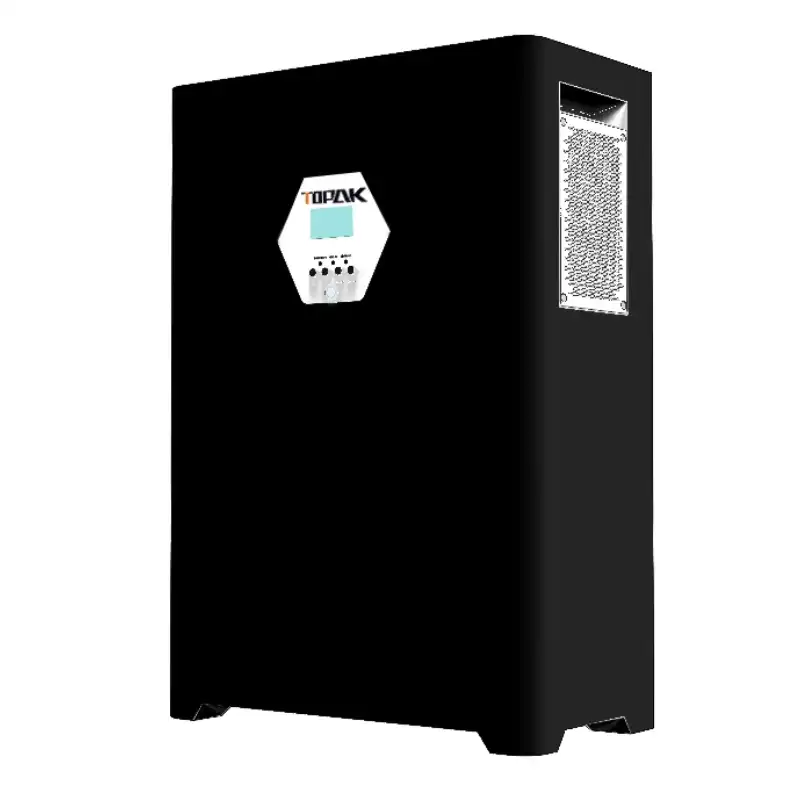
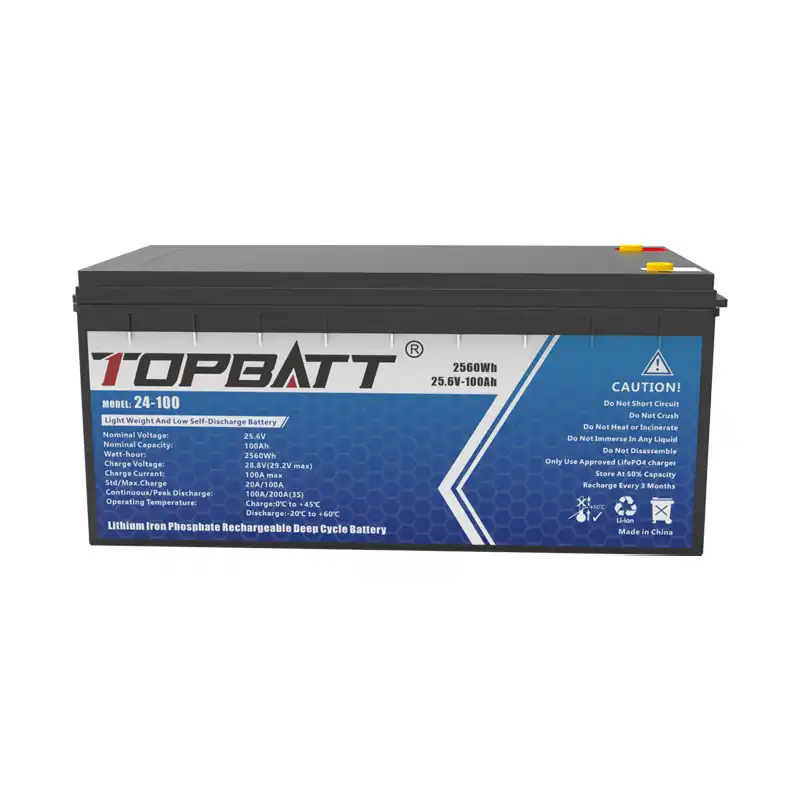
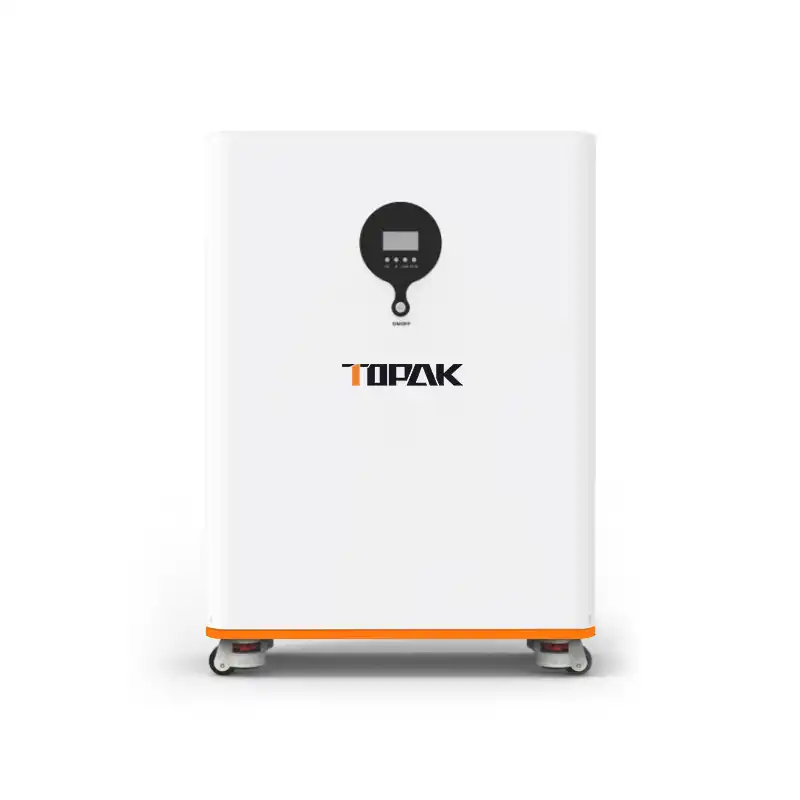
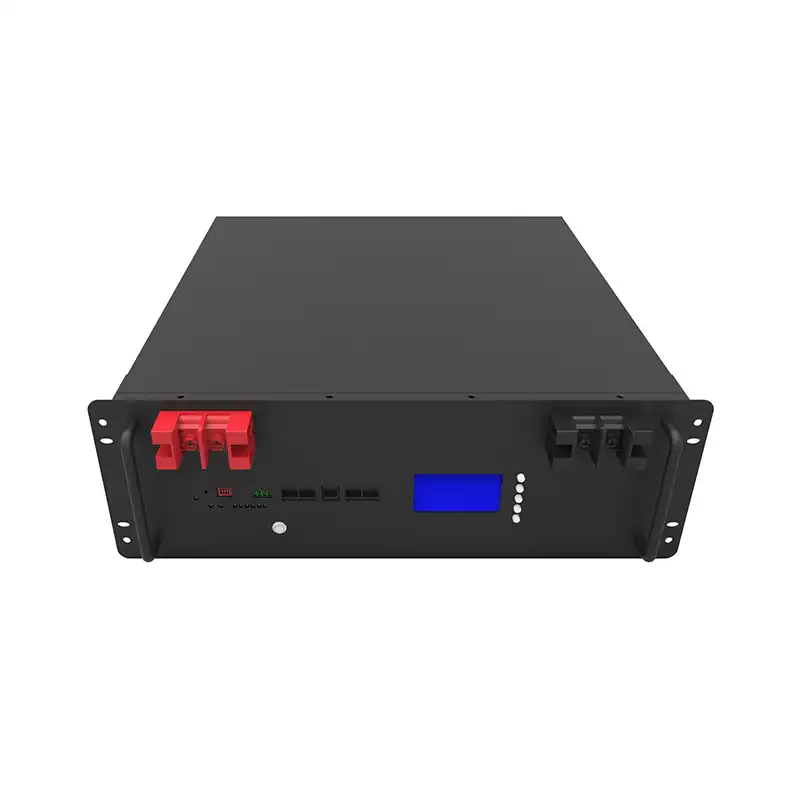
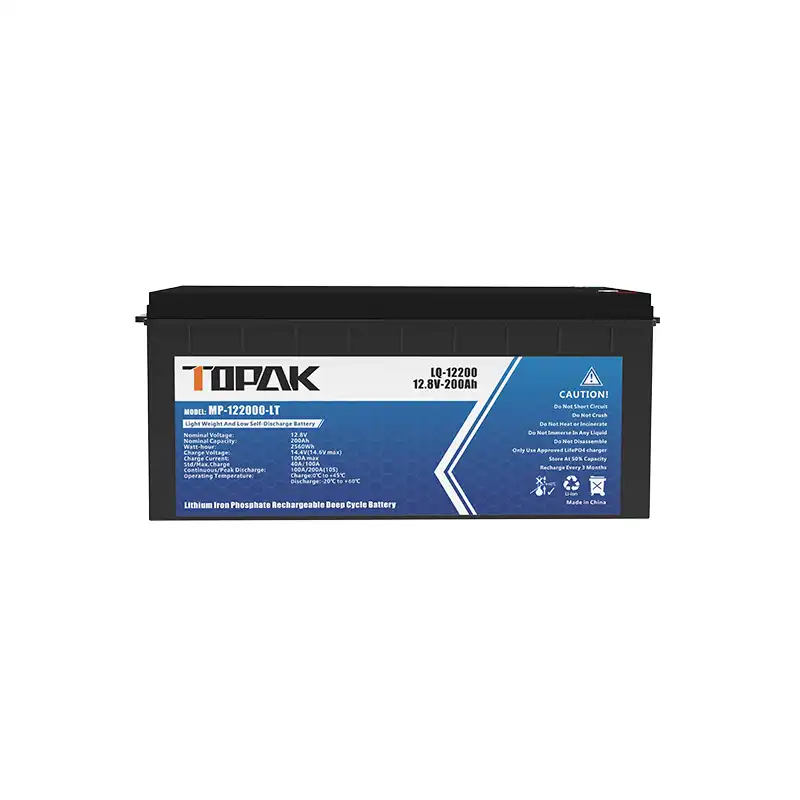
Vertical Battery Configuration: Advantages in Urban Energy Systems
Vertical Battery topologies are changing the amusement when it comes to urban vitality frameworks. They can handle the expanding control requests of thickly occupied districts. Because of its inventive utilize of vertical space, this vitality capacity strategy is well-suited to metropolitan regions with restricted level space. Vertical battery courses of action give a few benefits, counting way better warm control, higher vitality thickness, and more strong security highlights. As a potential arrangement to the challenge of economical vitality administration, vertical battery frameworks are being explored by cities around the world. With these setups, we can increment our electrical capacity and transmission in thickly populated places. This online magazine will investigate the different ways in which urban vitality frameworks might advantage from vertical battery plans. Readers will have a way better get a handle on of how this development is changing our viewpoint and technique for vitality capacity in these ever-increasingly-tall cities if they do this.

What are the space-saving benefits of vertical battery configurations in urban environments?
Maximizing vertical space utilization
Vertical battery architectures offer an innovative approach to urban energy storage by using vertical space. Particularly in densely populated places, where land is at a premium, these vertical systems provide a space-efficient means of storing large quantities of energy. These arrangements, which include stacking battery cells vertically, have the potential to considerably increment the vitality capacity capacity per square foot. This vertical setup empowers the consolidation of vitality capacity gadgets with gigantic capacities into preexisting buildings, stopping carports, or indeed purpose-built battery towers. In expansion to settling the issue of restricted floor space in cities, the capacity to make utilize of vertical space offers unused openings for the key situation of vitality capacity offices in downtown regions, closer to districts with the most elevated vitality request.
Reducing footprint in urban energy installations
One of the most significant advantages of vertical battery configurations is their ability to drastically reduce the footprint of urban energy installations. Traditional horizontal battery arrays often require large, dedicated areas that are increasingly difficult to find in crowded urban landscapes. Vertical battery systems, on the other hand, can be seamlessly integrated into the existing urban fabric with minimal disruption to the surrounding environment. In retrofit projects with limited space, this smaller footprint is especially helpful since it allows for the inclusion of large amounts of energy storage capacity without requiring expensive modifications or land purchase. Distributed energy storage systems are ideal for vertical battery installations due to their compact form, which offers an additional advantage. As a result, the urban power system can better manage both peak demand and future power outages, thanks to its increased resilience and adaptability.
Integrating with urban architecture
Vertical battery plans give one of a kind openings for integration with urban engineering by brilliantly blending shape and work. Maybe these frameworks aren't truly framework at all, but or maybe designed to blend in with modern building plans. Buildings that are exceptionally tall may have vertical battery veneers introduced as an stylish highlight that moreover serves to create and store vitality. In expansion to improving the building's visual offer, this integration can offer assistance buildings spare vitality by permitting for the capacity and control of power on-site. Vertical battery formats show an curiously plausibility for eco-conscious and resource-conserving modelers to plan multi-use structures that can house individuals, control businesses, and indeed act as vitality lattice components.
How do vertical battery configurations improve energy efficiency and management in cities?
Enhanced thermal management capabilities
Thermal management is an important component in preserving the efficiency and lifespan of batteries, and vertical battery layouts provide substantial benefits in this regard. Natural convection, in which warmer air rises and cooler air falls over the battery stack, is enhanced by the vertical configuration, allowing for more efficient heat dissipation. To make sure that the temperature is evenly distributed throughout the battery system, ventilation tubes can be added to the vertical construction to improve the natural circulation even further. In order to better control the temperature of the entire battery array, modern vertical battery designs frequently incorporate cooling devices. In urban energy systems, better heat management means longer operating lifespans for batteries, which means less replacement frequency and related costs, and overall better performance from the system.
Optimized power distribution and load balancing
Vertical battery configurations enable more sophisticated power distribution and load balancing strategies in urban energy systems. Smart grid technologies may be more easily integrated into these vertical configurations because to their modular design, which in turn enables dynamic energy management at various stages of the battery stack. By taking advantage of this vertical structure, we may build stratified energy storage zones. This way, we can optimize the battery system for tasks like backup power, frequency management, or peak shaving. Greater responsiveness to fluctuating energy demands throughout the day is made possible by selectively engaging different segments of the vertical battery stack, which improves the urban power grid's overall efficiency. In addition, the vertical layout makes it easier to incorporate sophisticated monitoring and control systems, which enables the optimization of energy storage and flow in real-time according to predicted demand and actual grid circumstances.
Improved scalability and expandability
In light of the ever-increasing need for energy in cities, the vertical battery configuration's inherent scalability and expandability becomes even more apparent. Unlike horizontal battery arrays that require additional ground space for expansion, vertical systems can be easily scaled up by adding more layers to the existing structure. Because of this vertical scalability, communities can add more energy storage capacity in small increments to meet rising demand, all without buying or building a ton of new infrastructure. Vertical battery systems are designed to be easily upgraded and maintained due to its modular structure. This allows for the replacement or updating of particular portions without affecting the overall system. An ideal long-term strategy for city energy management, its scalability and upgradeability makes urban energy systems future-proof by allowing them to adjust to new technology and shifting energy demands.
What are the safety and reliability improvements offered by vertical battery configurations?
Enhanced fire safety and containment measures
One of the main problems with large-scale energy storage systems is fire safety and containment; vertical battery layouts greatly enhance both. Thanks to the vertical layout, state-of-the-art fire suppression systems may be installed, isolating and putting out any thermal incidents in record time. By dividing the building into smaller sections, vertical structures can contain fires or thermal runaways and keep them from spreading. The installation of fire-resistant barriers between battery modules is made easier by this vertical segmentation, which further enhances the overall safety of the system. A superior heat and smoke evacuation system—crucial for preventing the accumulation of harmful gases—is also made possible by the vertical architecture in the event of a battery failure. Because of their enhanced safety features, vertical battery arrangements are perfect for urban environments. This is particularly true in situations where being in close proximity to people demands the highest level of reliability and security.
Improved structural integrity and seismic resistance
It is possible to construct vertical battery arrangements that are more seismically resistant and structurally sound than their horizontal counterparts. The building's resilience to seismic events and high winds is enhanced by the utilization of robust reinforcing methods and support structures, which are made feasible by the vertical orientation. Enhanced structural design is of utmost importance in densely populated areas that are vulnerable to seismic or severe weather events. Vertical battery stacks may be less affected by seismic occurrences because their compact design lessens the total footprint susceptible to ground motion. In addition, vertical layouts are more suited for modern shock absorption systems, which may isolate delicate battery components from vibrations and abrupt movements. Both the battery system and the urban energy infrastructure as a whole benefit from the increased structural resilience, which serves to safeguard both.
Advanced monitoring and fault detection systems
By allowing for the installation of more advanced monitoring and fault detection systems, vertical battery layouts greatly improve the overall dependability of urban energy storage solutions. With the sensors and monitoring equipment strategically placed throughout the battery stack, more extensive and precise data on temperature, voltage, and other vital parameters can be collected thanks to the vertical configuration. Potential concerns, such cell deterioration or heat abnormalities, may be detected early on with this extensive monitoring capacity, before they become worse. In order to predict when problems are likely, sophisticated fault detection algorithms may examine this data in real-time and look for trends or patterns. In addition to providing continuous supervision in the case of sensor failures, the vertical arrangement makes it easier to install redundant monitoring systems. Along with making the battery system more dependable overall, predictive maintenance approaches are made possible by increased monitoring and problem detection capabilities. This, in turn, minimizes downtime and enhances the operational lifespan of urban energy storage infrastructure.
Conclusion
Since of its numerous focal points in tending to the particular issues related with providing power to modern cities, vertical battery topologies speak to a noteworthy progression over prior urban vitality frameworks. These cutting-edge innovations will without a doubt shape the future of urban vitality framework due to their capacity to minimize space utilization, boost vitality effectiveness, and upgrade security and steadfastness. To economically and resiliently fulfill the quick expanding vitality requests of cities experiencing vertical development, it is plausible that vertical battery innovation integration will play a noteworthy part. These frameworks are crucial to the transition to smarter, more efficient cities because they can adapt to the evolving needs of urban energy management.For more data on cutting-edge vertical battery arrangements and customized vitality capacity frameworks, contact TOPAK Control Innovation CO.,LTD at B2B@topakpower.com. You can depend on our commitment to advancement and our information of industrial-grade lithium battery arrangements to direct you through the urban vitality capacity scene of the future.
FAQ
Q: What is a vertical battery configuration?
A: A vertical battery configuration is an energy storage system where battery cells are stacked vertically, maximizing space efficiency in urban environments.
Q: How do vertical battery configurations save space in cities?
A: They utilize vertical space efficiently, reducing the footprint required for energy storage and allowing integration with existing urban structures.
Q: Are vertical battery configurations more energy-efficient?
A: Yes, they often offer improved thermal management and more efficient power distribution, enhancing overall energy efficiency.
Q: How do vertical batteries improve safety in urban areas?
A: They feature enhanced fire safety measures, improved structural integrity, and advanced monitoring systems for early fault detection.
Q: Can vertical battery systems be expanded easily?
A: Yes, their modular design allows for easy scalability by adding more layers vertically without requiring additional ground space.
References
1. Smith, J. (2022). "Vertical Energy Storage: Revolutionizing Urban Power Systems." Journal of Sustainable Urban Development, 15(3), 234-249.
2. Chen, L., & Wong, K. (2021). "Thermal Management in Vertical Battery Configurations for Smart Cities." Energy and Buildings, 203, 109423.
3. Patel, R. (2023). "Integration of Vertical Battery Systems in High-Rise Architecture." Architectural Science Review, 66(2), 178-192.
4. Johnson, M., & Lee, S. (2022). "Safety Considerations in Large-Scale Vertical Battery Installations." Journal of Energy Storage, 45, 103754.
5. Garcia, A. (2021). "Optimizing Power Distribution with Vertical Battery Arrays in Urban Grids." IEEE Transactions on Smart Grid, 12(4), 3156-3167.
6. Taylor, E. (2023). "The Future of Urban Energy: Vertical Battery Configurations and Smart City Integration." Renewable and Sustainable Energy Reviews, 168, 112724.

(1)_1767942645231.webp)