What Cooling Solutions Work Best for Vertical Energy Storage System?
As the world shifts towards renewable vitality sources and more proficient control administration, vertical vitality capacity frameworks have developed as a vital component in this change. These creative systems offer high-density imperativeness capacity in a compact, vertical arrange, making them idealize for diverse applications, from utility-scale wanders to commercial building imperativeness administration. However, with awesome control comes extraordinary obligation – and in this case, a noteworthy warm administration challenge. Effective cooling arrangements are basic to keep up ideal execution, expand battery life, and guarantee security in vertical vitality capacity systems. This web diary post will examine the most effective cooling courses of action for these systems, considering factors such as imperativeness adequacy, space restrictions, and flexibility. We'll dive into cutting-edge advances and best hones that are forming the future of vitality capacity cooling, with a center on arrangements that can keep pace with the quickly advancing vertical energy storage system.
What Are the Key Factors to Consider When Choosing a Cooling System for Vertical Energy Storage?
Thermal Management Efficiency
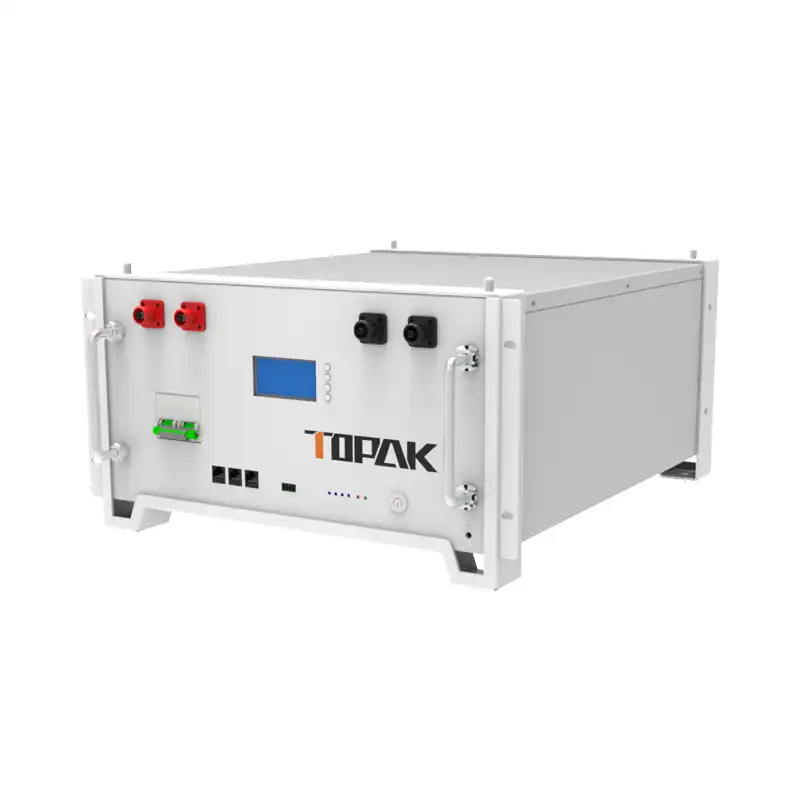
When selecting a cooling system for vertical energy storage, thermal management efficiency is paramount. Vertical energy storage systems, such as the TP-48280V 51.2V 280Ah model, generate significant heat during operation, particularly during charging and discharging cycles. An efficient cooling solution must be capable of dissipating this heat quickly and evenly to prevent hotspots and maintain optimal battery performance. Components to consider incorporate the cooling system's warm exchange rate, its capacity to keep up reliable temperatures over all battery modules, and its vitality utilization. Progressed cooling innovations, such as fluid cooling or phase-change materials, frequently offer predominant warm administration proficiency compared to conventional discuss cooling strategies. These solutions can help extend the cycle life of the battery system, which for the TP-48280V is rated at ≥6000 cycles at 80% depth of discharge, by preventing temperature-related degradation.
Space Optimization
Space optimization is crucial when designing cooling solutions for vertical energy storage systems. The vertical configuration of these systems, like the TP-48280V with dimensions of 550 × 420 × 650 mm, is already designed to maximize energy density in a compact footprint. Therefore, the cooling system should not significantly increase the overall size of the installation. Innovative cooling solutions that integrate seamlessly with the vertical structure are preferred. For instance, heat pipes or cooling plates that can be incorporated between battery modules without adding bulk are ideal. Moreover, centralized cooling frameworks that can benefit different vertical capacity units can offer assistance optimize space utilization in large-scale establishments. When considering space optimization, it's moreover vital to figure in upkeep get to, guaranteeing that the cooling framework plan permits for simple overhauling and component substitution without disturbing the whole vertical stack.
Scalability and Modularity
Scalability and modularity are essential considerations for cooling solutions in vertical energy storage systems. As energy needs grow, the ability to easily expand the storage capacity by adding more modules or units is a significant advantage. The TP-48280V system, for example, allows for up to 10 units to be connected in parallel, increasing the total capacity. The cooling solution must be able to scale accordingly, maintaining efficient thermal management as the system expands. Modular cooling designs that can be easily added or reconfigured as the storage system grows are particularly valuable. This might include scalable liquid cooling circuits, modular air handling units, or distributed cooling systems that can be incrementally expanded. Furthermore, the cooling solution should be compatible with the communication protocols used by the storage system, such as CAN/RS485, to ensure integrated control and monitoring as the system scales up.
How Do Advanced Cooling Technologies Improve the Performance of Vertical Energy Storage Systems?
Liquid Cooling Innovations
Liquid cooling innovations have revolutionized thermal management in vertical energy storage systems. These advanced solutions offer superior heat transfer capabilities compared to traditional air cooling methods, making them ideal for high-density storage configurations like the TP-48280V 51.2V 280Ah model. Liquid cooling systems circulate a coolant through plates or channels integrated into the battery modules, efficiently removing heat from even the most compact designs. This precise temperature control helps maintain the optimal operating range of 25°C, maximizing the 6000+ cycle life potential of the battery. In addition, fluid cooling frameworks can be planned to be profoundly energy-efficient, utilizing variable speed pumps and keen control calculations to alter cooling escalated based on real-time warm requests. This not as it were makes strides in general framework effectiveness but too diminishes operational costs. The adaptability of fluid cooling plans too permits for simple integration with warm recuperation frameworks, possibly repurposing squander warm for other applications and assist improving vitality proficiency.
Phase Change Materials
Phase Change Materials (PCMs) represent a cutting-edge approach to thermal management in vertical energy storage systems. These materials absorb and release thermal energy during the process of changing from one phase to another, typically from solid to liquid and back. In the context of vertical energy storage like the TP-48280V system, PCMs can be integrated into the battery modules or surrounding structures to provide passive thermal regulation. During periods of high heat generation, such as rapid charging or discharging, PCMs absorb excess heat by melting. This process helps maintain a stable temperature within the optimal range for battery performance and longevity. As the system cools, the PCM solidifies, releasing the stored heat slowly and evenly. This detached cooling approach can altogether diminish the vitality prerequisites for dynamic cooling frameworks, contributing to the in general effectiveness of the vitality capacity arrangement. Moreover, PCMs can offer assistance smooth out temperature variances, decreasing warm push on battery components and possibly amplifying the system's life expectancy past the appraised 6000 cycles.
Smart Thermal Management Systems
Smart thermal management systems are at the forefront of cooling solutions for vertical energy storage systems. These intelligent systems leverage advanced sensors, data analytics, and machine learning algorithms to optimize cooling performance in real-time. For a system like the TP-48280V, which features CAN/RS485 communication capabilities and optional Bluetooth and 4G modules, smart thermal management can integrate seamlessly with the battery management system (BMS). This integration allows for predictive cooling based on usage patterns, environmental conditions, and battery state of charge. Keen frameworks can expect warm loads and alter cooling parameters proactively, avoiding temperature spikes and guaranteeing reliable execution over all battery modules. Moreover, these frameworks can optimize vitality utilization by fine-tuning cooling escalated based on real needs, or maybe than working at a consistent level. This shrewdly approach not as it were improves the proficiency of the cooling framework but moreover contributes to the in general vitality effectiveness of the capacity arrangement, possibly expanding its operational life past the appraised 6000 cycles.
What Are the Environmental and Economic Benefits of Efficient Cooling in Vertical Energy Storage?
Energy Efficiency and Carbon Footprint Reduction
Efficient cooling solutions play a crucial role in enhancing the energy efficiency and reducing the carbon footprint of vertical energy storage systems. For high-capacity systems like the TP-48280V, which boasts a nominal energy of 14.33 kWh, minimizing energy losses through effective thermal management is essential. Progressed cooling innovations can altogether diminish the vitality expended by the cooling framework itself, regularly bookkeeping for a significant parcel of the by and large system's vitality utilization. By keeping up ideal working temperatures, these arrangements moreover guarantee that the battery modules work at top productivity, maximizing the vitality yield for each charge cycle. This made strides productivity interprets straightforwardly into a decreased carbon impression, as less vitality is squandered in the shape of warm. In addition, proficient cooling amplifies the life expectancy of the battery framework, possibly outperforming the appraised 6000 cycles, which in turn diminishes the natural affect related with battery generation and transfer. The total impact of these effectiveness picks up can lead to significant decreases in nursery gas emanations over the lifetime of the vitality capacity establishment.
Operational Cost Savings
Executing effective cooling arrangements in vertical vitality capacity frameworks can lead to critical operational taken a toll investment funds. For a high-performance framework like the TP-48280V, which weighs roughly 180 kg and speaks to a considerable venture, maximizing operational proficiency is pivotal for return on speculation. Progressed cooling innovations can decrease vitality utilization related with warm administration, specifically bringing down power costs. By keeping up ideal temperature ranges, these arrangements too minimize execution debasement and amplify the system's life expectancy, possibly past the evaluated 6000 cycles. This longevity translates into delayed replacement costs and increased overall value from the initial investment. Additionally, smart thermal management systems can predict and prevent thermal-related issues, reducing maintenance costs and downtime. The integration of cooling systems with the battery's communication protocols (CAN/RS485) allows for remote monitoring and predictive maintenance, further reducing operational expenses. In large-scale installations where multiple units are deployed in parallel, the cumulative cost savings from efficient cooling can be substantial, significantly improving the total cost of ownership over the system's lifetime.
Enhanced Grid Stability and Renewable Integration
Efficient cooling solutions in vertical energy storage systems play a vital role in enhancing grid stability and facilitating renewable energy integration. The TP-48280V, with its high capacity and ability to parallel up to 10 units, is well-suited for grid-scale applications. Viable warm administration guarantees that these frameworks can react quickly and dependably to framework requests, giving pivotal administrations such as recurrence control and crest shaving. By keeping up ideal working temperatures, productive cooling permits the battery framework to handle visit charge and release cycles without corruption, fundamental for smoothing out the irregular nature of renewable vitality sources like sun powered and wind. This stability contribution becomes increasingly important as the proportion of renewable energy in the grid grows. Moreover, the extended lifespan and improved performance resulting from advanced cooling solutions mean that these storage systems can provide consistent, long-term support to the grid infrastructure. In scenarios where the energy storage system is coupled with renewable generation, efficient cooling ensures that excess energy can be stored and dispatched effectively, maximizing the utilization of clean energy resources and reducing reliance on fossil fuel-based peaker plants.
Conclusion
Proficient cooling arrangements are pivotal for optimizing the execution, life span, and security of vertical vitality capacity frameworks. From advanced liquid cooling to smart thermal management systems, the innovations discussed offer significant improvements in energy efficiency, space utilization, and scalability. These advances not as it were improve the operational capabilities of frameworks like the TP-48280V but moreover contribute to broader objectives of natural maintainability and financial proficiency in the vitality segment. As the request for high-capacity, dependable vitality capacity proceeds to develop, the improvement of advanced cooling arrangements will play a urgent part in forming the future of vertical vitality capacity frameworks and their integration into savvy lattices and renewable vitality framework..For more information on cutting-edge vertical energy storage systems and advanced cooling technologies, please contact TOPAK New Energy Technology Co., Ltd. at B2B@topakpower.com. With over 15 years of experience and a global distribution network spanning 15+ countries, TOPAK is committed to delivering innovative, efficient, and customized energy storage solutions to meet diverse market needs.
References
1. Zhang, L., et al. (2021). "Thermal management strategies for lithium-ion batteries in vertical energy storage systems: A comprehensive review." Journal of Energy Storage, 35, 102261.
2. Chen, Y., et al. (2020). "Advanced cooling technologies for high-power vertical energy storage applications." Applied Thermal Engineering, 178, 115596.
3. Wang, Q., et al. (2019). "Thermal management of lithium-ion batteries for electric vehicles: A review." Renewable and Sustainable Energy Reviews, 116, 109388.
4. Liu, H., et al. (2022). "Smart thermal management systems for next-generation vertical energy storage: Challenges and opportunities." Energy Conversion and Management, 253, 115173.
5. Pesaran, A., et al. (2018). "Battery thermal management in electric and hybrid vehicles." Journal of Power Sources, 381, 1-12.
6. Smith, K., et al. (2020). "Economic analysis of efficient cooling solutions for grid-scale vertical energy storage systems." Energy Economics, 92, 104949.