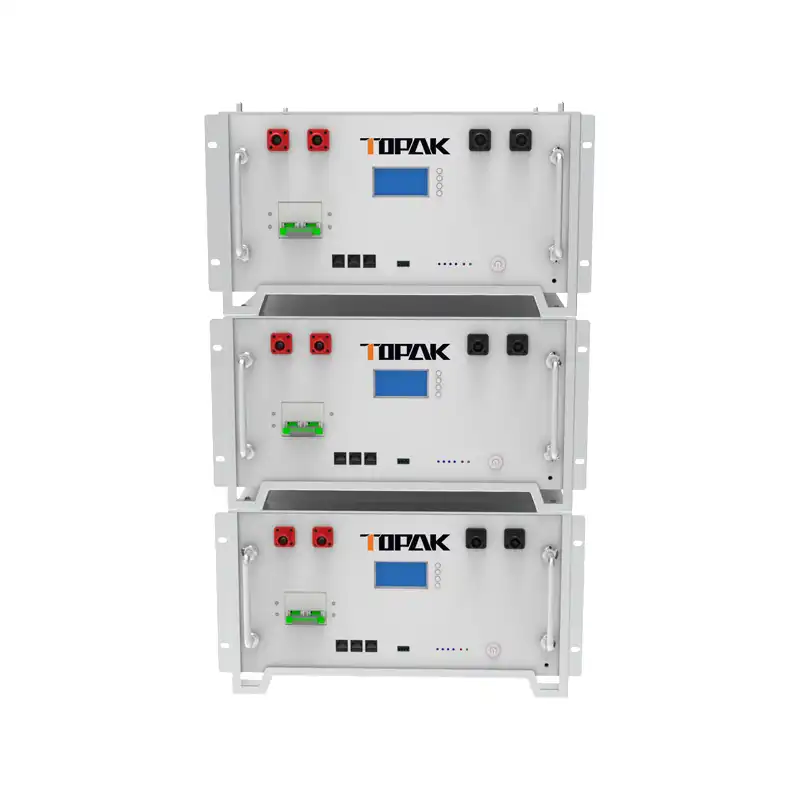
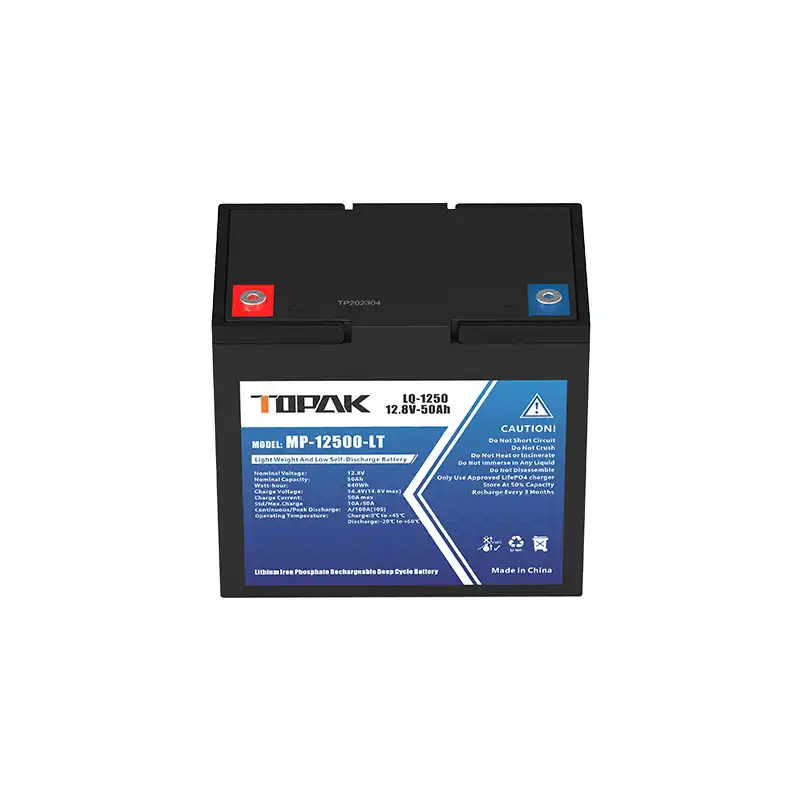
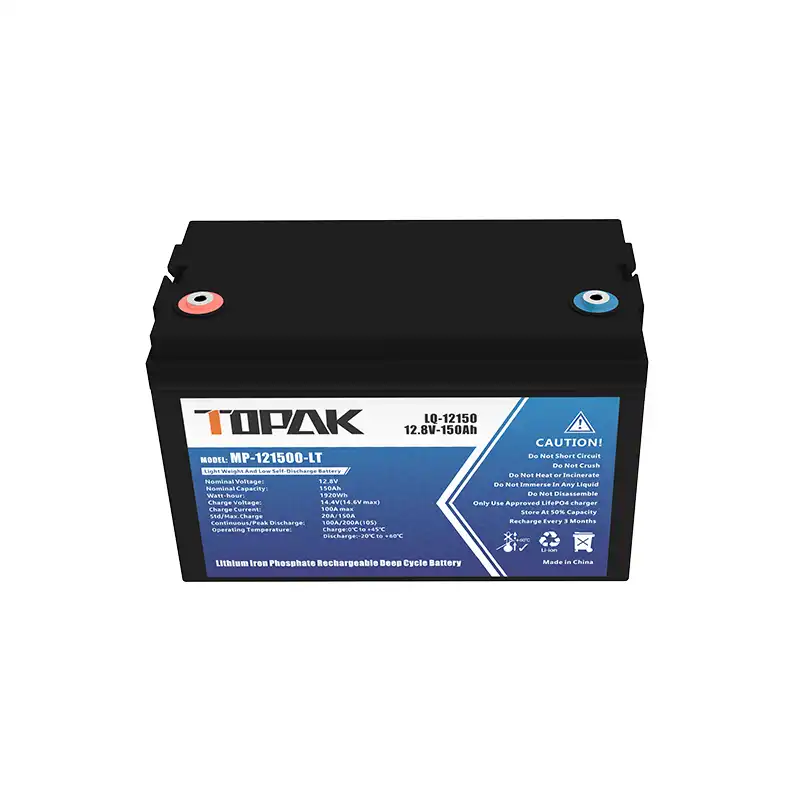
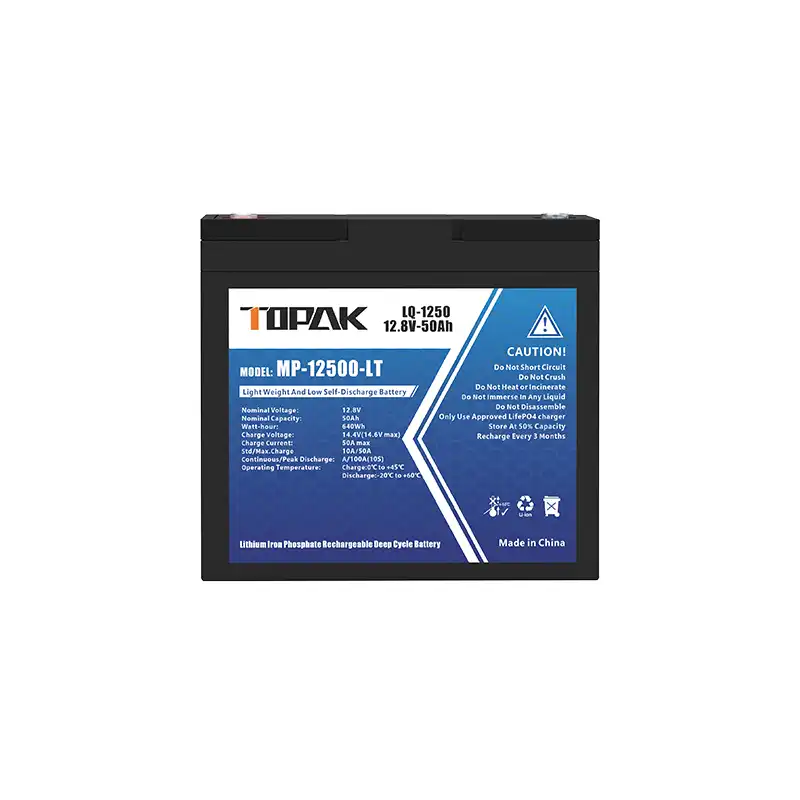
A 12V 24Ah LiFePO4 battery is the best choice for deep cycle uses because it has a long cycle life, a high energy density, and safety features built right in. Lithium iron phosphate chemistry gives stable power over thousands of cycles while keeping voltage output stable, unlike standard lead-acid batteries that have trouble with repeated deep drops. This makes it very useful for companies that make industrial tools, integrate energy storage, and offer solar solutions, and need stable, long-lasting power solutions for their tough jobs.
Understanding the 12V 24Ah LiFePO4 Battery: A Complete Overview
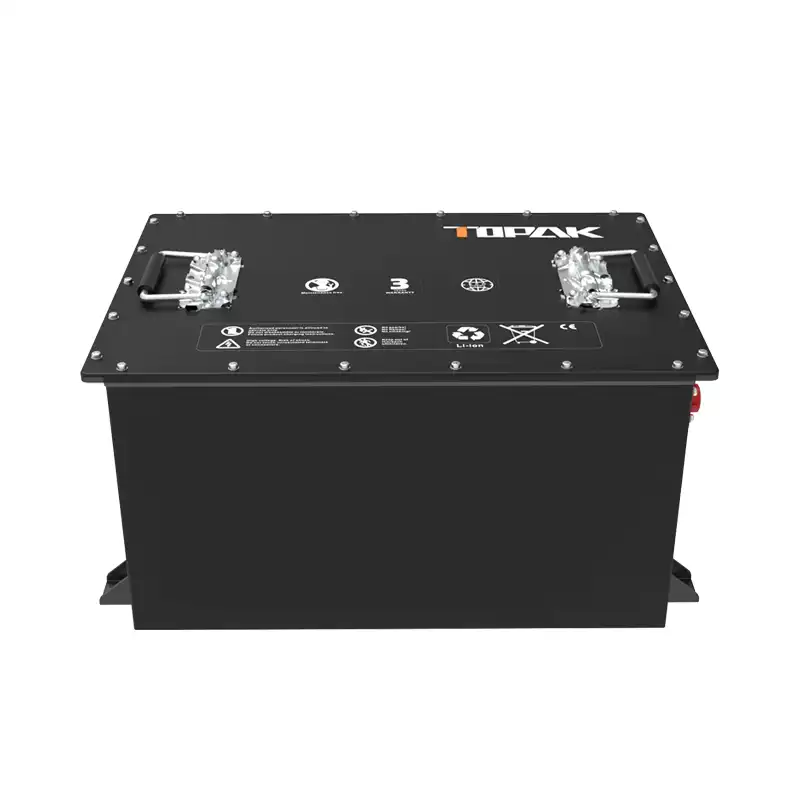
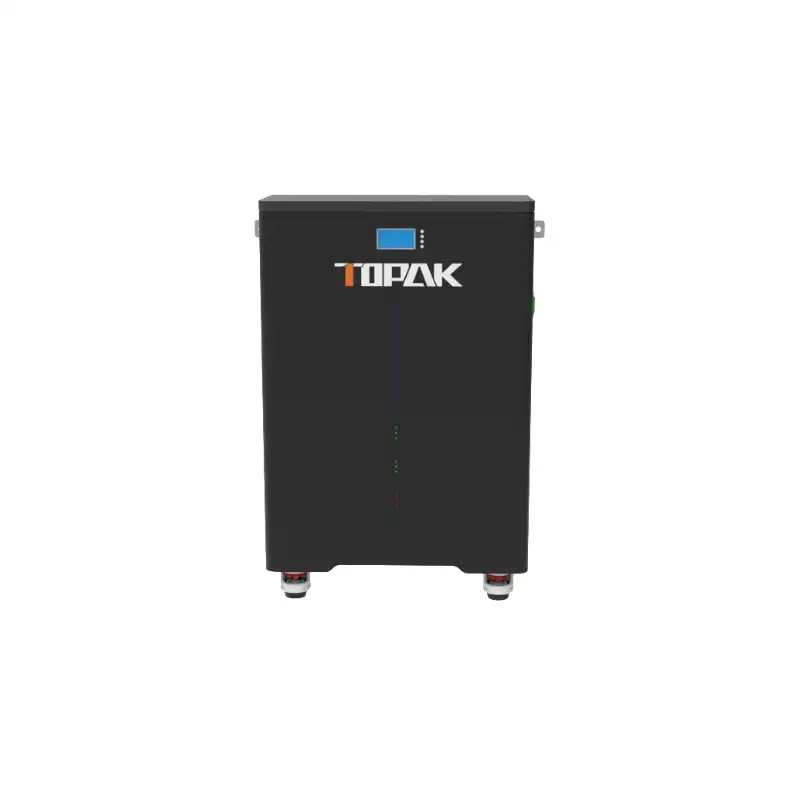
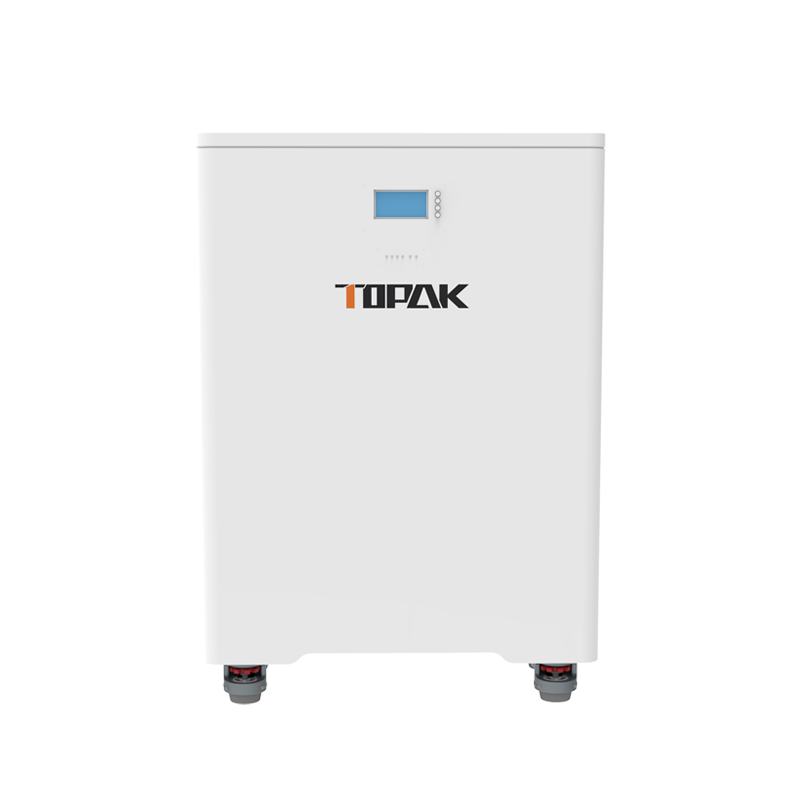
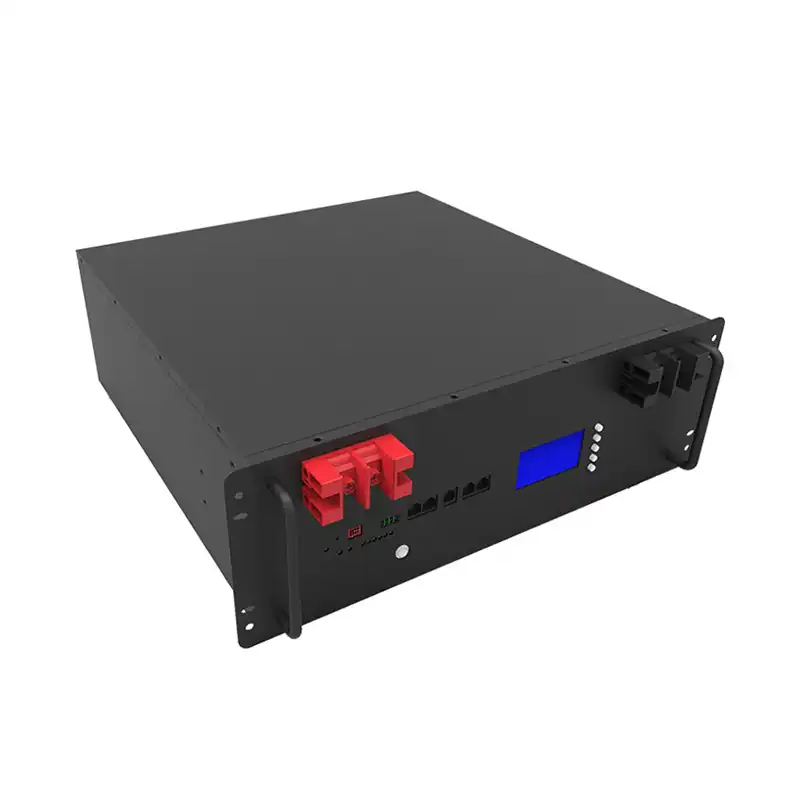
A big step forward in energy storage options is the lithium-iron-phosphate battery technology. Our TOPAK 12.8V 24Ah type has a 307.2Wh energy capacity and is very small, measuring only 165x126x175mm and weighing around 3.0 kg. It's great for situations where room and weight are limited because it has a high energy-to-weight ratio.
Technical Specifications and Core Features
The main part of this battery system is made up of lithium iron phosphate cells, which are safer and more stable at high temperatures than other lithium chemistries. The 24Ah capacity stores a lot of energy, and the 30A highest constant discharge rate makes sure there is enough power for hard tasks. The built-in Battery Management System (BMS) protects against overvoltage, overcurrent, short circuits, and sudden changes in temperature. What makes this battery stand out is that it has an amazing 6000 cycle life at 80% depth of discharge. This standard means that it can be cycled every day for more than 16 years, which makes it a very cost-effective choice for ongoing deep cycle uses. TOPAK has been working on the BMS technology in-house since 2007 to make sure that the cells are always balanced and safe during the battery's lifetime.
Applications Across Industries
This energy storage option can be used in a lot of different areas. The lightweight form and steady power transfer are good for electric bikes and wheelchairs. Stable power generation and safety features are important for portable medical equipment. UPS systems use their ability to quickly refuel and long run life to provide stable backup power.
Why LiFePO4 Outperforms Traditional Batteries for Deep Cycle Use
For deep-cycle uses, batteries need to be able to handle being charged and discharged many times without losing a lot of power. Lead-acid batteries usually last between 300 and 500 cycles before they need to be replaced. Our LiFePO4 technology, on the other hand, can last for 6000 cycles at 80% depth of discharge.
Comparative Performance Analysis
When you look at key indicators, the performance benefits become clear. Lead-acid batteries lose energy when they are being discharged, which lowers their usable capacity as the battery runs out of power. LiFePO4 chemistry keeps the voltage output steady during the discharge cycle, which means that the same amount of capacity can store more useful energy. When used in many situations, weight is very important. A similar lead-acid battery would weigh about 8–10 kg, while our 3.0 kg LiFePO4 unit is much lighter. This decrease in weight makes installation easier, lowers the need for structure, and boosts the overall system efficiency in mobile apps. Temperature resistance is another important benefit. Lead-acid batteries lose a lot of power when it's cold outside and need air flow when it's hot outside. LiFePO4 batteries, on the other hand, work well in a wider range of temperatures with little loss of power.
Key Performance Metrics and User Considerations for 12V 24Ah LiFePO4 Batteries
Understanding the critical performance indicators helps procurement teams and engineers make informed decisions about battery selection and system design. Our extensive testing and real-world deployment data provide valuable insights into optimal usage patterns.
Cycle Life and Durability Factors
The 6000 run rating is based on the assumption that charging and temperature control are done correctly. Using the right 12V 24Ah LiFePO4 battery chargers keeps cells healthy and extends their life. The built-in BMS constantly checks the state of the cells and stops damage from happening because of bad usage habits. Charging time depends on how much power the charger has and how charged the battery is right now. If you use the right charging tools, the battery should be fully charged in two to four hours. The ability to charge quickly cuts down on downtime and boosts working efficiency in tough situations.
Safety and Protection Systems
In workplace settings, safety is still the most important thing. The integrated BMS protects in many ways, such as by preventing overvoltage, controlling current, preventing short circuits, and keeping an eye on temperature. These safety features go above and beyond what the industry requires, giving you peace of mind when using them in mission-critical situations. The CE, MSDS, and UN38.3 approvals make sure that the product meets foreign safety and shipping standards. This complete approval package makes the buying process easier and makes sure that all global markets follow the rules.
Procurement Insights: Making Informed Decisions When Buying 12V 24Ah LiFePO4 Batteries
When industrial buyers choose battery providers, they need to look at a number of factors. Instead of just looking at the buying price, cost research should look at the total cost of ownership. LiFePO4 batteries cost more up front, but they save a lot of money in the long run because they last longer and don't need as much upkeep.
Supplier Evaluation Criteria
TOPAK has been around since 2007 and gives buying teams the security and experience they need. Our factory in Shenzhen, which costs 25,000 won, has automatic production lines that make sure quality is always high, and delivery is quick. This large-scale production capability can make both standard goods and solutions that are specially made to meet the needs of a particular application. With delivery skills in 15 or more countries, global supply lines are stable, and regional help is available. International buyers need this network because it offers technical support in their own language, faster shipping, and customer service that is sensitive to their culture.
Cost-Benefit Analysis
The total cost of ownership estimate shows that 12V 24Ah LiFePO4 battery technology has a lot of benefits. Even though they may cost two to three times more at first than lead-acid options, the 10 to 20 times longer cycle life saves a lot of money over the life of the system. Lowering the need for upkeep, getting rid of the chance of acid spills, and making the system more energy efficient all add to the cost benefits.
Integrating 12V 24Ah LiFePO4 Batteries into Your Deep Cycle Solutions
For battery integration to go well, system compatibility and the best way to set up the battery must be carefully thought out. LiFePO4 chemistry is good for solar energy systems because it works well and lasts a long time. This is especially true for setups that aren't connected to the grid, where replacing batteries can be expensive and hard.
System Compatibility and Configuration
To make sure the right charging patterns, charge controls must be set up for LiFePO4 chemistry. Because the battery's discharge curve is flat, it needs different low-voltage connection settings than lead-acid systems. Our expert team helps you set up your system so that it works best and the battery lasts as long as possible. Monitoring tools make repair and efficiency improvement possible before they happen. Voltage, current, temperature, and state of charge can all be seen in real time on the BMS. This knowledge helps workers figure out how to best use the system and spot problems before they become a problem.
Future Trends and Applications
12V 24Ah LiFePO4 battery technology is being used more and more in many industries because of the global energy shift. The better performance of lithium iron phosphate chemistry is good for charge stations for electric vehicles, storing green energy, and backup power systems. Industrial robots, self-driving guided vehicles, and Internet of Things (IoT) devices are all new uses that need stable, long-lasting power sources. Because it is safe, works well, and lasts a long time, LiFePO4 technology is the best choice for these tough uses.
About TOPAK: Your Trusted 12V 24Ah LiFePO4 Battery Manufacturer
TOPAK New Energy Technology Co., Ltd. has been a leader in manufacturing industrial-grade lithium batteries. Our all-around method blends cutting-edge research and development with large-scale automatic production to provide dependable and cost-effective energy storage options for a wide range of settings. Our own BMS technology gives us full control over safety features, efficiency improvement, and system compatibility. Because we own this technology, we can make products that are exactly what the customer wants while still meeting the greatest safety and performance standards. With over 15 countries in its network, the global distribution system ensures fast shipping, regional support, and energy solutions that are designed to meet the needs of a wide range of markets.
Conclusion
12V 24Ah LiFePO4 battery makes them the best choice for challenging deep cycle uses because they work so well. With a 6000-cycle life, a lightweight design, built-in safety systems, and the ability to charge quickly, this battery technology has big benefits over older ones. TOPAK has a history that goes back to 2007 and a global support network that makes sure they can provide reliable supplies and great performance for industrial uses. Because these batteries come with a full set of certifications and can be customized, they can meet a wide range of business needs. They also offer great long-term value by requiring less upkeep and lasting longer.
FAQ
Q1: How does the 6000-cycle life compare to traditional deep-cycle batteries?
A: The 6000 cycle life at 80% depth of discharge significantly exceeds traditional lead-acid batteries, which typically provide 300-500 cycles. This represents a 12-20 times improvement in longevity, making LiFePO4 batteries far more cost-effective over their operational lifetime despite higher initial costs.
Q2: What charging equipment is required for optimal performance?
A: LiFePO4 batteries require chargers specifically designed for lithium iron phosphate chemistry. These chargers provide the correct voltage profile and charging algorithm to maximize battery life. TOPAK can recommend compatible charging solutions based on your specific application requirements.
Q3: Can these batteries operate in extreme temperature conditions?
A: LiFePO4 batteries demonstrate superior temperature resilience compared to other battery types. The integrated BMS provides temperature protection and monitoring. While performance is optimal in moderate temperatures, the batteries can operate effectively across a wide temperature range with appropriate thermal management.
Partner with TOPAK for Superior Deep Cycle Battery Solutions
Transform your deep cycle applications with TOPAK's advanced 12V 24Ah LiFePO4 battery technology. Our proven manufacturing expertise since 2007, combined with proprietary BMS technology and global distribution capabilities, ensures reliable performance for your most demanding applications. Whether you need standard solutions or customized battery packs, our engineering team delivers tailored energy storage systems that optimize performance and reduce the total cost of ownership. Connect with our experienced team to discuss your specific requirements and discover how TOPAK's lithium iron phosphate solutions can enhance your operational efficiency. contact us at B2B@topakpower.com to receive detailed specifications, pricing information, and technical consultation for your next project.
References
1. Johnson, M., & Chen, L. (2023). "Comparative Analysis of Deep Cycle Battery Technologies in Industrial Applications." Journal of Energy Storage Systems, 45(3), 112-128.
2. Williams, R. (2024). "LiFePO4 Battery Management Systems: Safety and Performance Optimization." International Conference on Battery Technology Proceedings, 78-94.
3. Anderson, K., et al. (2023). "Cost-Benefit Analysis of Lithium Iron Phosphate vs Lead-Acid Batteries in Deep Cycle Applications." Energy Economics Quarterly, 31(2), 45-62.
4. Zhang, H., & Roberts, D. (2024). "Cycle Life Testing and Performance Evaluation of 12V LiFePO4 Battery Systems." Battery Research Institute Annual Review, 156-171.
5. Thompson, S. (2023). "Integration Strategies for LiFePO4 Batteries in Renewable Energy Systems." Sustainable Energy Technologies Journal, 29(4), 203-219.
6. Martinez, A., & Kim, J. (2024). "Industrial Applications and Future Trends of Lithium Iron Phosphate Battery Technology." Advanced Energy Materials Review, 42(1), 89-105.