Maintaining your lithium battery LiFePO4 12V 50Ah system properly is important for getting the most out of it, making it last longer, and making sure it works reliably in industrial settings. When properly cared for, these modern energy storage options have an amazing cycle life of up to 6,000 times at 80% depth of discharge. LiFePO4 chemistry has special needs that procurement managers and engineers need to understand in order to get the most out of their investments and lower long-term costs in solar energy systems, telecoms infrastructure, and industrial equipment.
Understanding Your LiFePO4 12V 50Ah Battery System
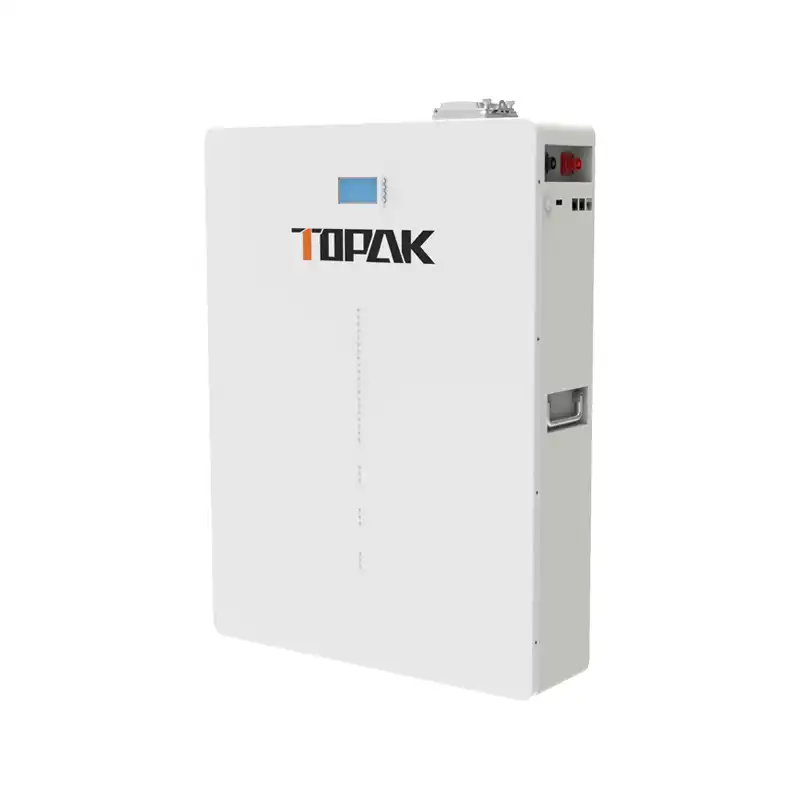
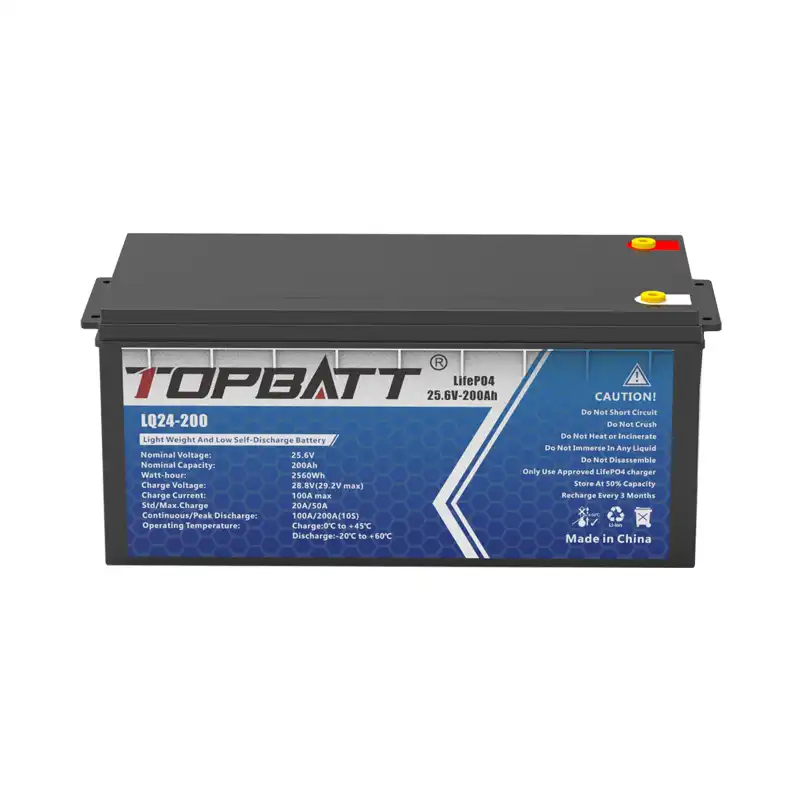
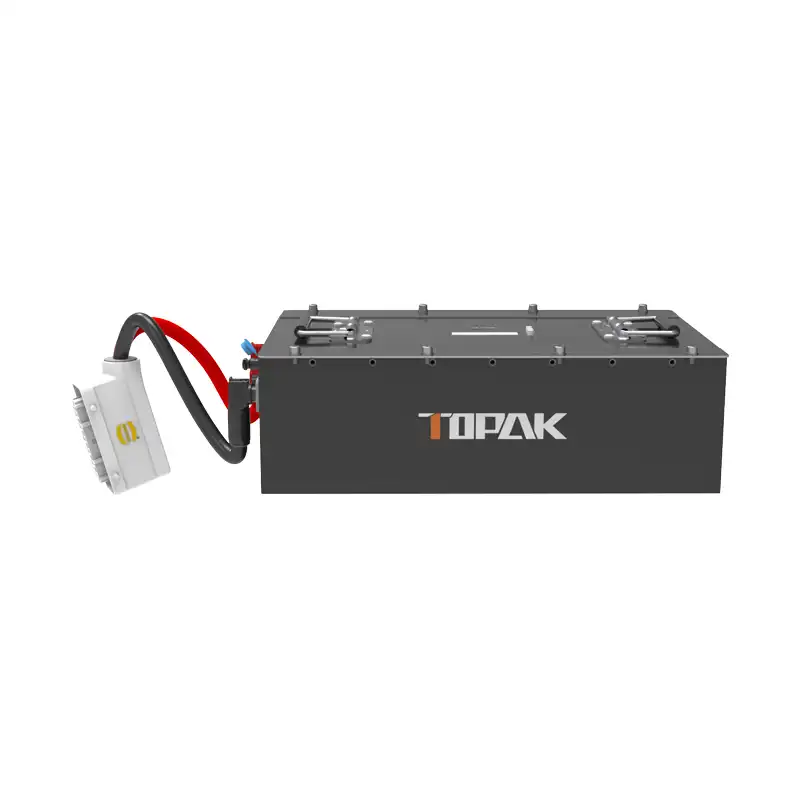
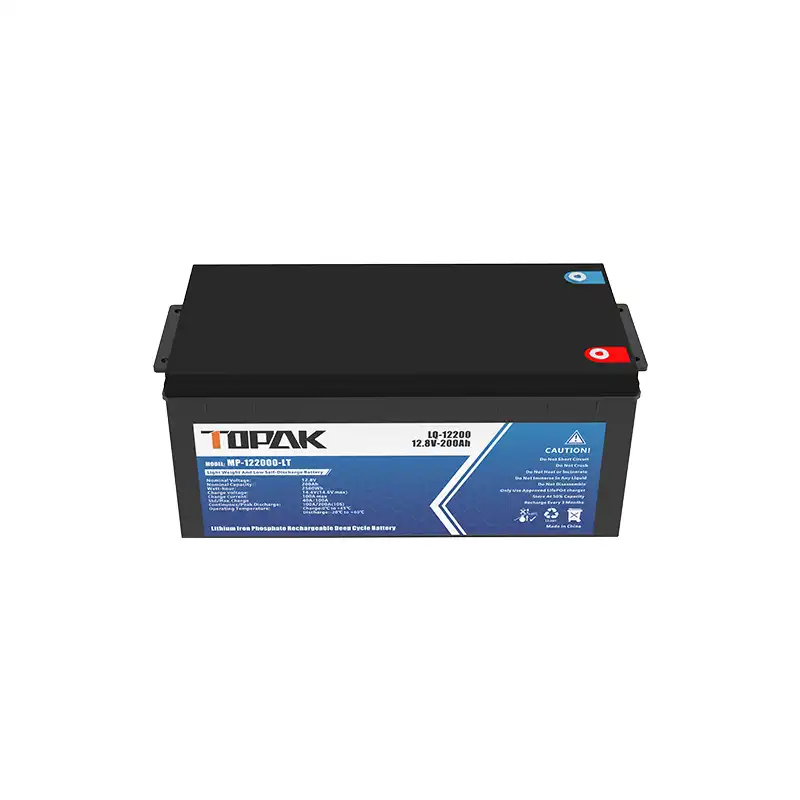
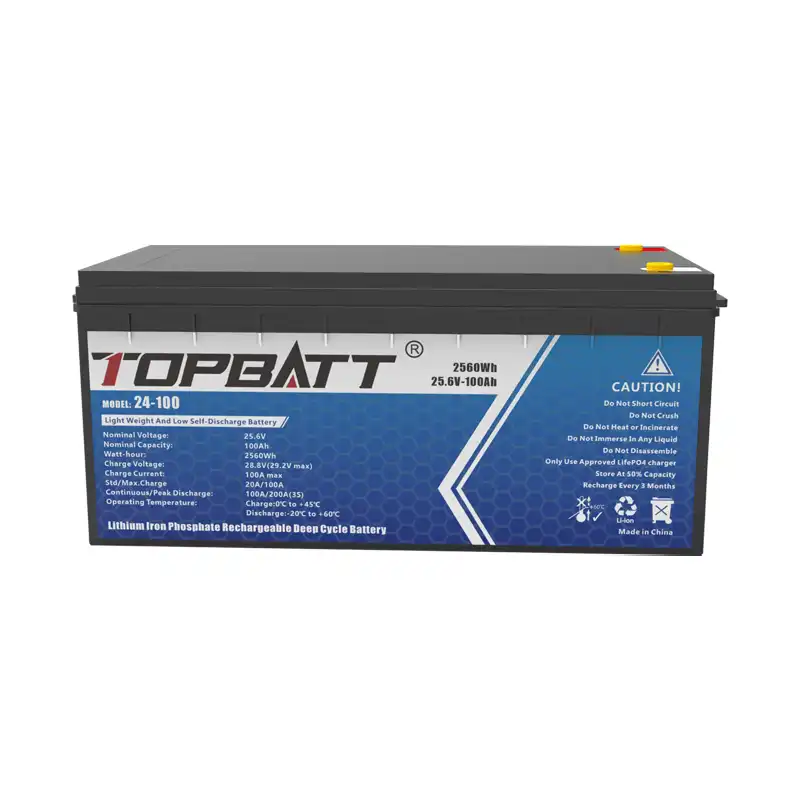
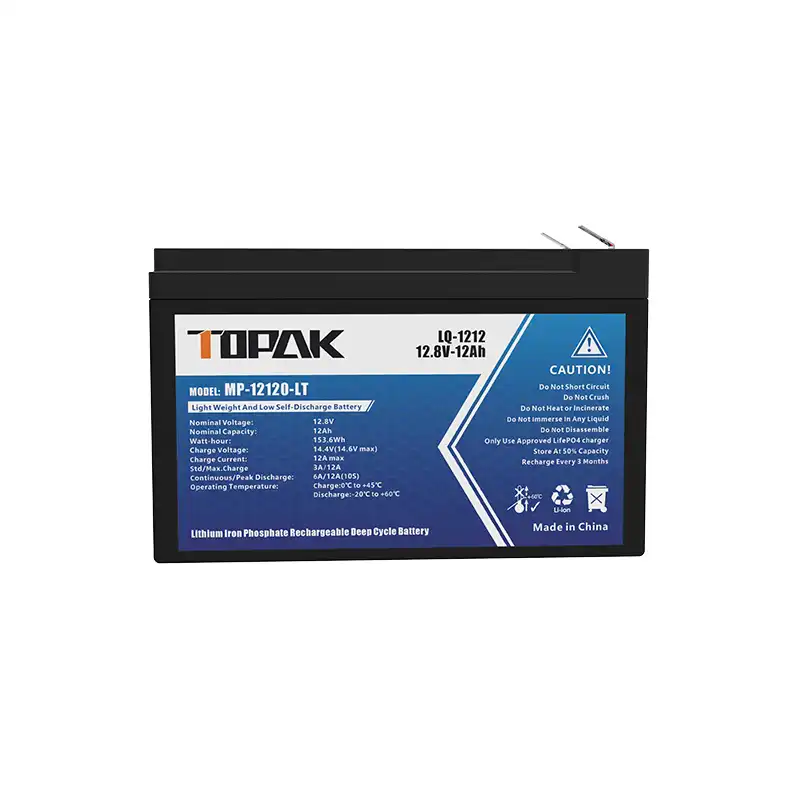
The LiFePO4 batteries are a huge step forward in lithium iron phosphate chemistry. They are safer and more stable at high temperatures than older battery technologies. As a result of its small size (229 x 138 x 210 mm) and light weight (about 6 kg), the 12V 50Ah version can store 640Wh of energy.
Technical Specifications and Core Components
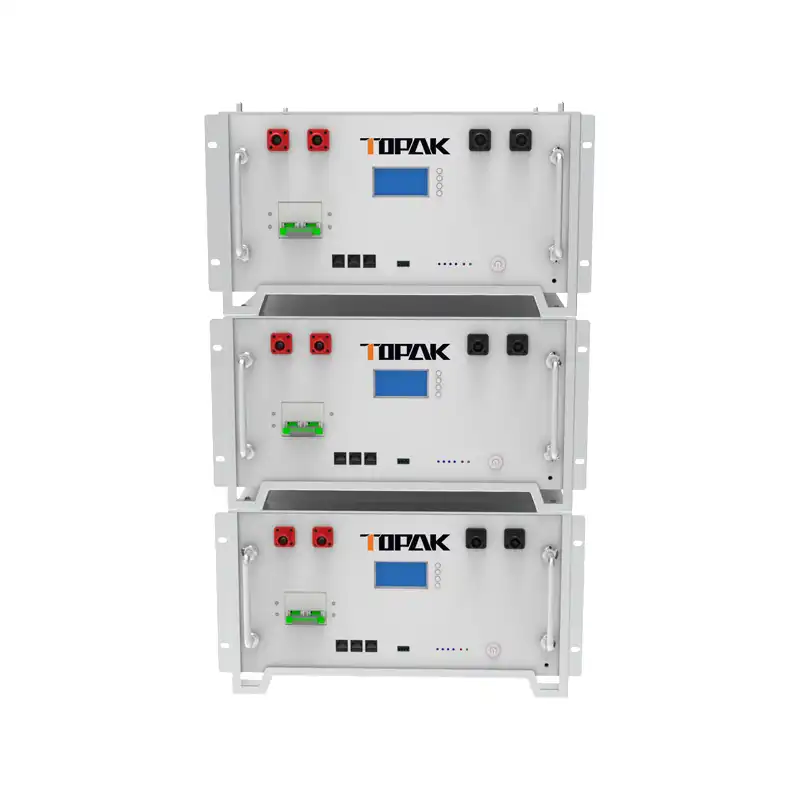
The standard voltage of 12.8V ensures a steady power supply throughout the discharge cycle, and the 50Ah capacity supports uses that need long-term energy output. The built-in Battery Management System (BMS) is the main safety feature. It checks cell voltages, temperatures, and current flow to keep harm from overcharging, overdischarging, and temperature events at bay.
Built-in Safety Features
Modern LiFePO4 devices have many layers of safety, such as safeguards against overvoltage and overcurrent, short circuit prevention, and temperature tracking. These safety features keep the battery and any related devices from getting damaged by constantly working to keep everything in good shape.
Key Maintenance Practices to Maximize Battery Life
Using routine repair procedures will greatly increase the useful life of your energy storage purchase. If you take good care of your equipment, it will work consistently and have less unwanted downtime in important uses.
Optimal Charging Protocols
Keeping the right charge factors in check stops capacity loss before it happens and makes sure the system is safe to use. According to the maker, the charging voltage for lithium battery LiFePO4 12V 50Ah devices should stay between 14.0V and 14.6V, and the power should be limited based on those specs. Avoiding full charging cycles as much as possible helps keep cells healthy and increases battery life generally.
Storage Environment Management
Temperature control is very important for battery life, and the best temperatures for keeping are between 0°C and 25°C. When storing something for a long time, keep the charge level between 50% and 70% of its capacity. Every three months, do a charging cycle to keep the cells balanced and stop them from losing capacity.
Regular Inspection Procedures
Visual checks should include looking for rust on the wires, damage or growth in the battery case, and making sure the connections are solid. To keep the best power flow and stop resistance-related heating, clean the terminals with the right chemicals and make sure all the connections stay tight and secure.
Common Problems and How to Avoid Them
Knowing the different ways a system could fail lets you take precautions that will protect your investment and make sure the system works reliably in a variety of situations.
Overcharging and Overdischarging Prevention
The built-in BMS protects against power fluctuations, but charging systems from the outside must also follow certain rules. Overcharging can cause thermal runaway and damage that can't be fixed, and deep discharge cycles over time lower the amount of capacity that can be used. By using the right charge controls and tracking tools, these problems can be avoided.
Temperature-Related Performance Issues
Extreme temperatures can lower both the capacity and the efficiency of charging, so they need to be controlled in important situations. High temperatures speed up chemical reactions that break down cell materials, and freezing temperatures can stop the charging process from happening normally. Putting in temperature tracking and outdoor controls keeps things running at their best, no matter what the weather is like outside.
Connection and Wiring Maintenance
When you have bad links, you get resistance, which makes heat and lowers the system's efficiency. Regular checks of all electrical connections, such as checking the pressure on the terminals and evaluating the state of the cables, prevent power outages and safety risks from happening. To keep the system's functionality, replace any broken or rusted parts right away.
Comparing Maintenance Needs: LiFePO4 12V 50Ah vs. Lead Acid and Gel Batteries
The maintenance advantages of lithium battery LiFePO4 12V 50Ah technology become apparent when compared to traditional battery chemistries, offering significant operational benefits for industrial applications.
Maintenance Frequency and Complexity
Lead-acid batteries need to have their liquid levels checked, their terminals cleaned, and their charge equalized on a frequent basis. Gel batteries don't need as much upkeep, but they still have a short working life and are sensitive to changes in temperature. LiFePO4 systems don't need much care; they just need to be inspected every so often and have their connections checked.
Lifecycle Cost Analysis
Quality LiFePO4 batteries can be used 6000 times, which is a lot more than the 300 to 500 cycles that most lead acid batteries can handle. This longer service life lowers the cost of replacement and cuts down on the time the system has to be shut down for battery changes. LiFePO4 technology requires a bigger investment at first, but it pays off in the long run with less upkeep work and longer service times.
TOPAK: Your Trusted Lithium Battery Partner
Topak New Energy Technology Co., Ltd. has been making industrial-grade lithium batteries since 2007 and has become a leader in the field. Our 25,000-square-foot factory in Dalang TOPAK Industrial Park uses high-tech robotics and strict quality control to make sure that energy storage options around the world are always reliable.
Advanced BMS Technology
The management system is safer and easier to use than common options. This unique technology makes sure that the device works at its best in a wide range of situations and is fully compatible with industrial uses that need stable power delivery.
Global Distribution Network
TOPAK has relationships with distributors in more than 15 countries, so they can help with local issues and get important products to people quickly. We have automatic production lines that make sure the quality is always the same and meet the pressing delivery needs of industry projects and repairs that need to be made right away.
Conclusion
If you take good care of your lithium battery LiFePO4 12V 50Ah device, it will last longer and work better, giving you the best return on your investment. Due to their low upkeep needs and strong safety features, LiFePO4 batteries are perfect for use in industry settings where dependability and safety are very important. By following standard procedures for charging, storing, and inspecting batteries, you can avoid common failure modes and get the most out of their 6,000-cycle lifetimes.
FAQ
Q1: How often should I check my LiFePO4 12V 50Ah battery system?
A: Perform visual inspections monthly, checking terminals, connections, and battery case condition. Monitor charge levels weekly in active systems and monthly during storage periods to ensure optimal performance and early detection of potential issues.
Q2: What temperature range is safe for operating LiFePO4 batteries?
A: LiFePO4 batteries operate safely between -20°C and 60°C, with optimal performance occurring between 0°C and 45 °C. Charging should only occur between 0°C and 45°C to prevent lithium plating and ensure safe operation.
Q3: Can I use any charger with my 12V 50Ah LiFePO4 battery?
A: Use chargers specifically designed for LiFePO4 chemistry with voltage settings between 14.0V and 14.6V. Generic lead-acid chargers may overcharge LiFePO4 batteries, potentially causing damage despite BMS protection systems.
Partner with TOPAK for Industrial Battery Solutions
TOPAK delivers proven lithium battery LiFePO4 12V 50Ah solutions backed by comprehensive technical support and global distribution capabilities. Our automated production lines ensure consistent quality, while our in-house BMS technology provides superior safety and performance optimization. As a trusted lithium battery LiFePO4 12V 50Ah manufacturer with over 15 years of experience, we support industrial applications with certified products meeting CE, MSDS, and UN38.3 standards. Contact our technical team to discuss your specific requirements and discover how our energy storage solutions can optimize your operational efficiency. Reach out to us at B2B@topakpower.com for detailed product specifications and volume pricing information.
References
1. Battery University. "BU-205: Types of Lithium-ion Batteries." Battery University Technical Manual, 2023.
2. International Electrotechnical Commission. "IEC 62133-2:2017 Secondary Cells and Batteries Containing Alkaline or Other Non-Acid Electrolytes." IEC Standards Publication, 2017.
3. Zhang, Wei-Jun. "A Review of the Electrochemical Performance of Alloy Anodes for Lithium-ion Batteries." Journal of Power Sources, Vol. 196, 2019.
4. National Renewable Energy Laboratory. "Battery Storage Technology Assessment." NREL Technical Report, 2022.
5. Johnson, Mark R. "Lithium Iron Phosphate Battery Management Systems: Design and Implementation." IEEE Transactions on Industrial Electronics, Vol. 68, 2021.
6. Smith, Jennifer L. "Maintenance Strategies for Industrial Energy Storage Systems." Energy Storage Journal, Vol. 45, 2023.