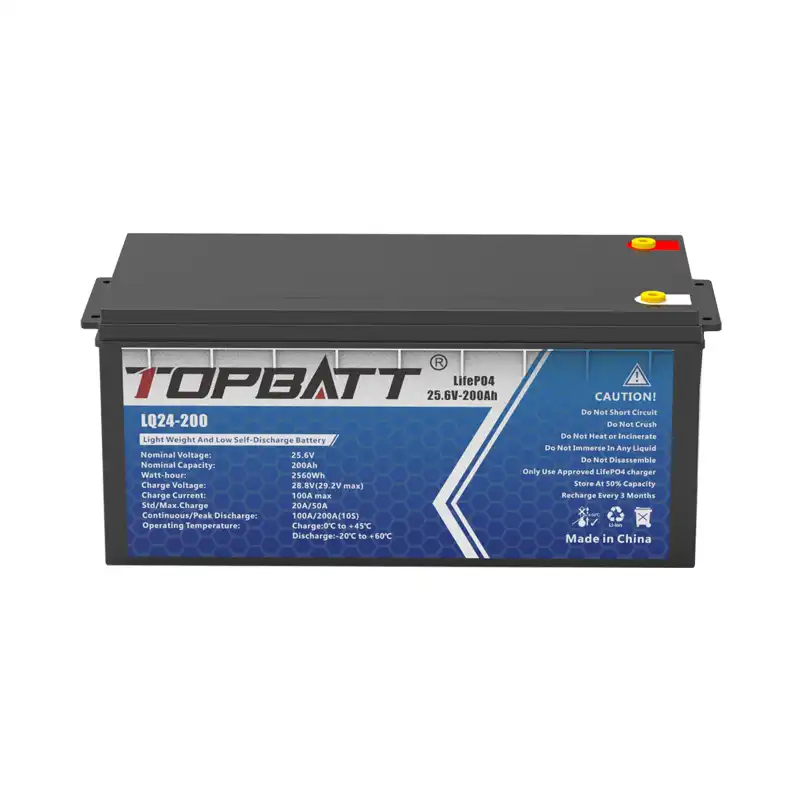
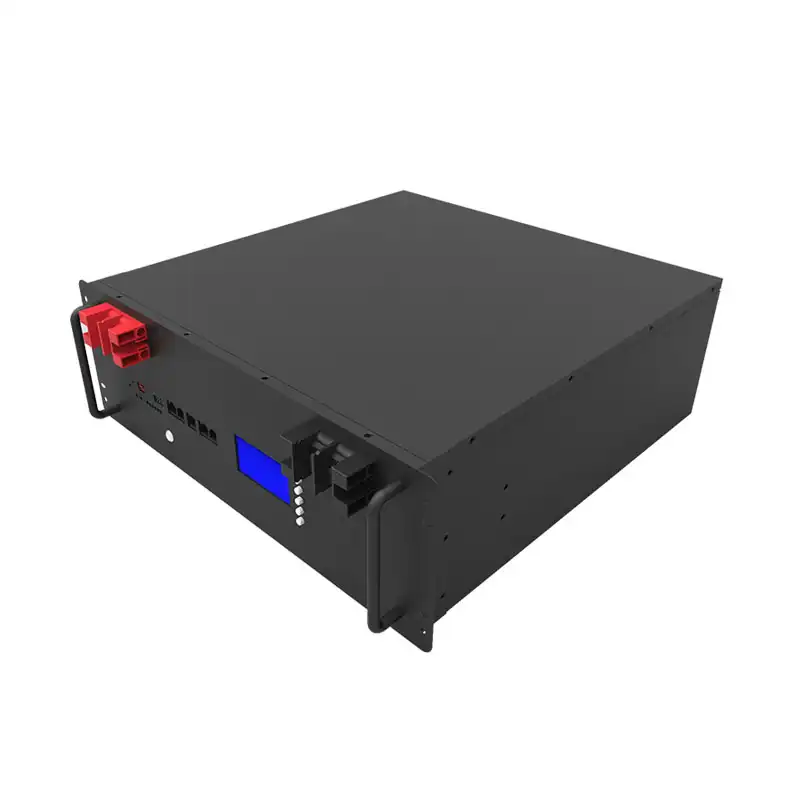
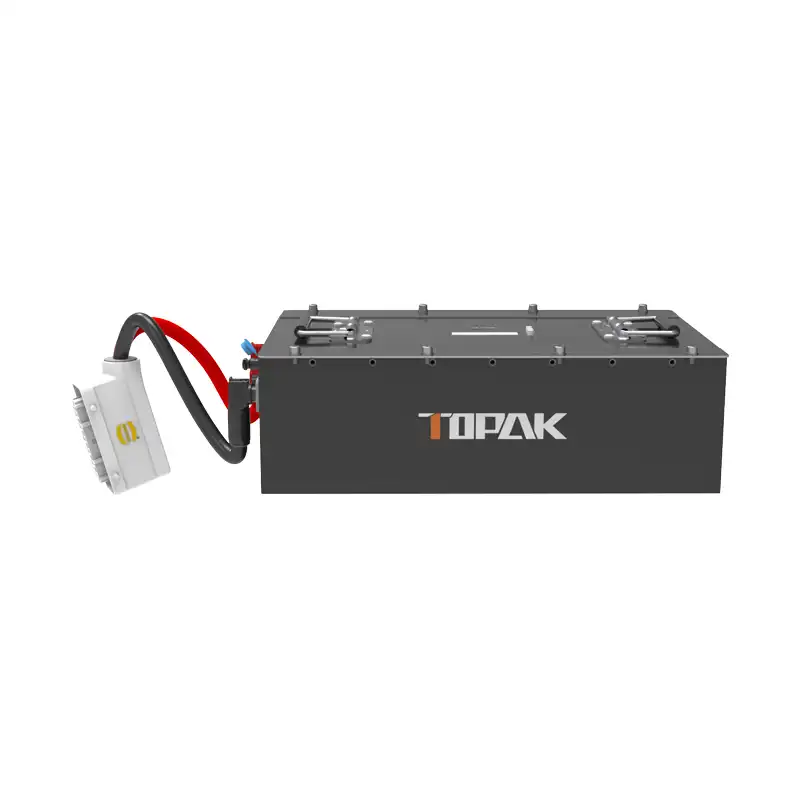
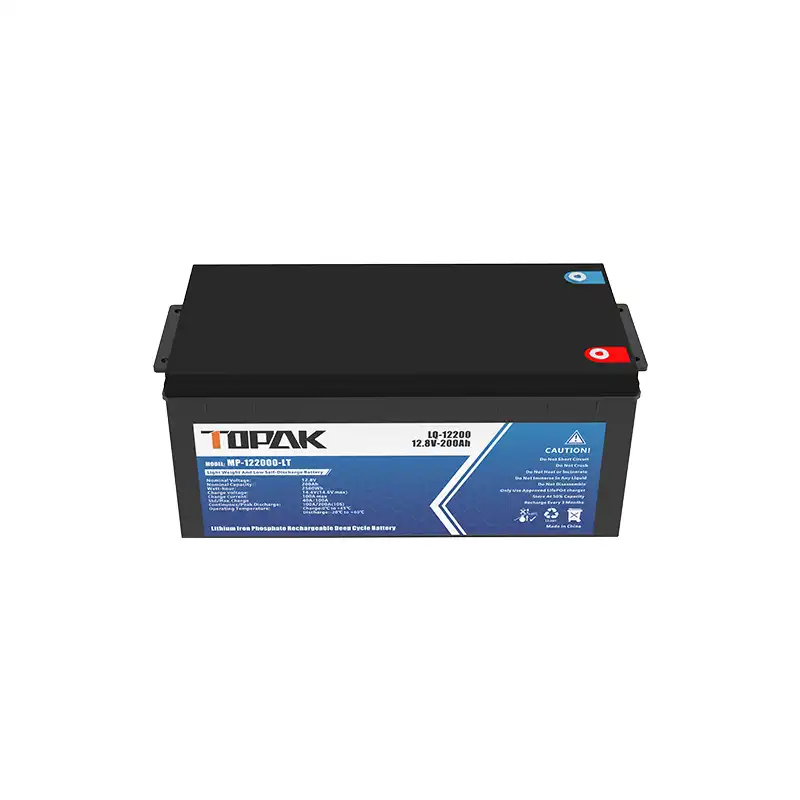
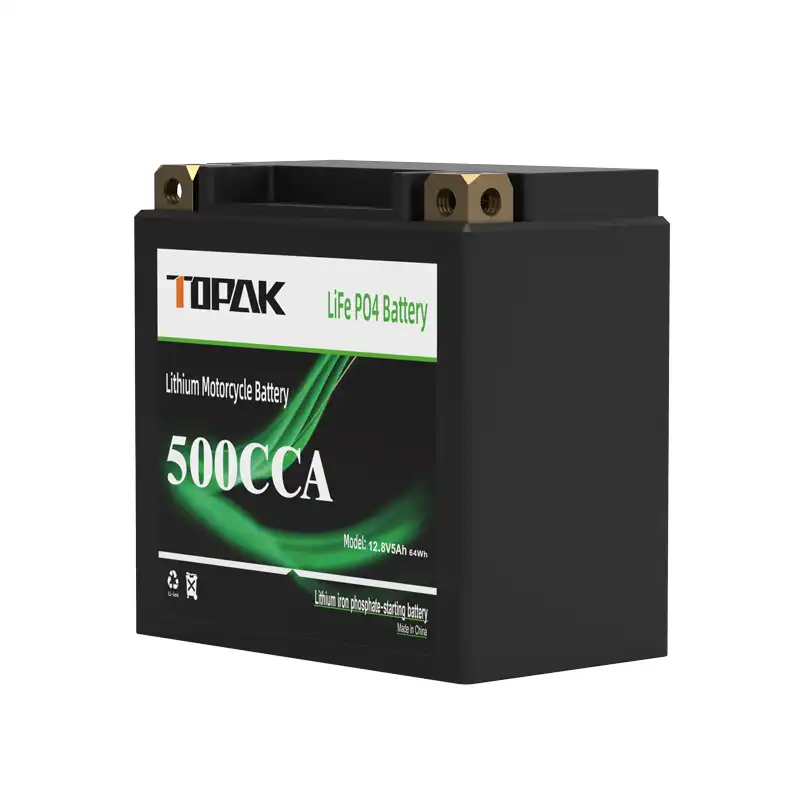
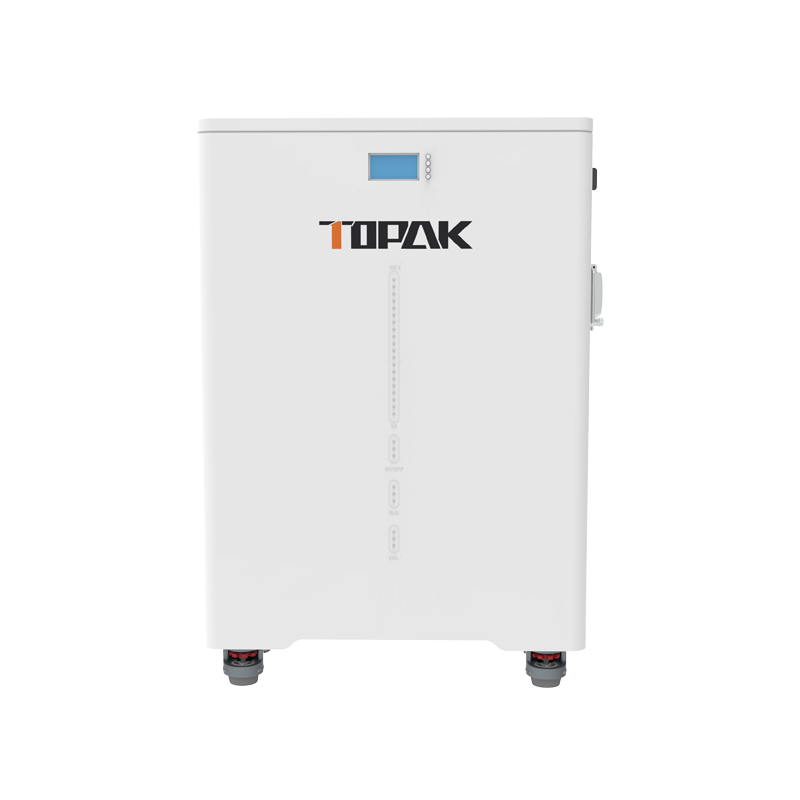
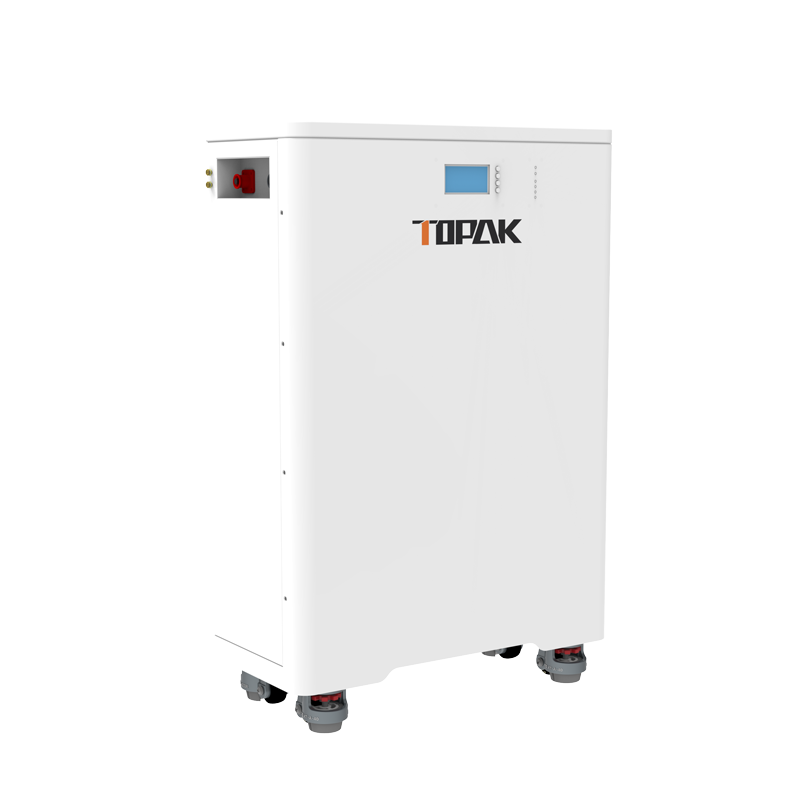
Without a doubt, the battery lifepo4 24v 100ah is much more efficient than other types of energy storage. This cutting-edge lithium iron phosphate technology offers higher energy density, longer cycle life, and better safety features that work together to improve backup power performance. The LiFePO4 24V 100Ah battery has a capacity of 2560Wh and a lifespan of 6000 cycles at 80% depth of discharge. It is a stable, long-term power option for industrial and business uses that cuts down on upkeep costs and downtime.
Understanding LiFePO4 24V 100Ah Battery Technology
The lithium iron phosphate technology is a big step forward in current energy storage because it is so stable and performs so well. This advanced chemistry is used by the LiFePO4 24V 100Ah battery to offer consistent power output across its operating range. This makes it perfect for backup power applications that can't risk being unreliable.
Core Technical Specifications and Performance Metrics
The standard voltage of 25.6V makes it work best with current 24V backup power systems, and the 100Ah volume makes sure there is a lot of energy stored. These batteries can handle high-demand situations without losing their performance because they can handle a maximum constant discharge rate of 100A. The built-in Battery Management System (BMS) has safety features for over-voltage, over-current, short circuit, and temperature, so it can work safely in a range of situations.
Advanced Chemistry Benefits
Lithium iron phosphate chemistry is very stable at high temperatures, which lowers the safety risks that come with other battery technologies' tendency for heat to run away. The stable crystal structure keeps the battery's performance steady over its entire life, which helps explain its amazing 6000-cycle rate at 80% depth of discharge. This means it can handle about 16 years of daily spinning, which is a lot longer than standard lead-acid batteries.
Advantages of LiFePO4 24V 100Ah Batteries for Backup Power Efficiency
Energy storage options for industrial uses need to be as efficient as possible while also being easy to use. The LiFePO4 24V 100Ah battery meets these needs by offering several performance benefits that have a direct effect on how well backup power works.
Superior Energy Density and Space Efficiency
The batteries are 522 mm long, 240 mm wide, and 218 mm high, and they weigh about 23 kg. Compared to similar lead-acid systems, they have a very high energy efficiency. This small form lets setups take up less room while still giving you 2560Wh of useful energy. The smaller size lets building managers make the best use of equipment room plans and could lower the cost of infrastructure.
Enhanced Discharge Characteristics
Battery lifepo4 24v 100ah technology keeps the output voltage fixed for most of the discharge cycle, while regular batteries lose voltage as they are being used up. This feature makes sure that all connected devices get stable power, which increases the general efficiency of the system and keeps sensitive electronic parts safe from voltage-related problems.
Minimal Maintenance Requirements
Because LiFePO4 batteries don't need to be maintained, they don't need the regular service that lead-acid systems do. You don't have to check the battery levels, clean the connections, or do any balancing charges. Over the battery's service life, this lower cost of repair means lower operating costs and better system stability.
Comparative Analysis: LiFePO4 24V 100Ah vs Other Battery Technologies
To make procurement choices, all available technologies must be carefully examined to find the best ones for each purpose. Knowing how LiFePO4 batteries stack up against other options helps business buyers make smart decisions that meet their needs and stay within their budget.
Performance Comparison with Lead-Acid Systems
Lead-acid batteries usually last between 300 and 500 cycles at 80% depth of discharge. The LiFePO4 24V 100Ah battery, on the other hand, lasts over 6000 cycles under the same conditions. This 12-fold increase in cycle life greatly lowers the number of replacements needed and the costs that come with them. LiFePO4 systems also charge faster and stay more efficient over their entire working life, which means that even though they cost more to buy at first, they end up costing less overall.
Evaluation Against Standard Lithium-Ion Technologies
Other lithium-ion systems might have a slightly higher energy density, but LiFePO4 technology is safer and more stable at high temperatures. Because iron phosphate chemistry is naturally stable, there is less chance of fire and no need for complicated cooling systems. This makes it perfect for indoor setups and uses where safety is very important.
Application Scenarios: How LiFePO4 24V 100Ah Improves Backup Power Efficiency in B2B Use Cases
LiFePO4 technology can be used in many different industries and has been shown to be useful in the real world. Case studies like these show how the LiFePO4 24V 100Ah battery improves system stability and operating efficiency.
Telecommunications Infrastructure
For connection and service uptime, telecom base stations and data centers need power that doesn't go out. LiFePO4 batteries work great in these situations because they can be charged quickly and don't lose power quickly. The batteries stay charged even when they are stored for long periods of time, so there is extra power when it is needed. The wide working temperature range means that outdoor setups don't need any extra climate control gear.
Solar Energy Storage Systems
Battery lifepo4 24v 100ah technology is good for renewable energy systems because it can handle a lot of charges and lasts a long time. These batteries store solar energy well during times of high production and let it drain slowly during times of low demand. The 6000-cycle grade means they will work well for a long time in daily spinning situations, which makes them a good choice for business solar storage projects.
Industrial Equipment and UPS Systems
Back-up power systems keep factories and other important structures running when the main power goes out, saving a lot of money on repairs. The LiFePO4 24V 100Ah battery offers stable backup power with little upkeep needed. The built-in BMS safety features keep the system safe from electrical problems that could damage it.
Procurement Considerations for LiFePO4 24V 100Ah Batteries
To buy batteries successfully, you need to look at more than just the starting cost. Smart buying plans think about long-term value, the skills of suppliers, and the fit of the whole system to get the best results.
Quality Certifications and Safety Standards
Manufacturers with a good reputation give full certification paperwork, such as UN38.3 shipping certification, CE marks, and Material Safety Data Sheets (MSDS). These certificates make sure that the products meet foreign shipping rules and fitting standards. TOPAK's LiFePO4 24V 100Ah battery has all the approvals it needs to be used anywhere in the world.
Supplier Evaluation Criteria
Established producers with a history of producing high-quality goods offer more guarantees of product quality and ongoing support. Companies that started up before 2010 have been around through many technology stages and market cycles, which shows that they are stable and skilled. Manufacturing skills, such as automatic production lines and quality control systems, have a direct effect on how consistent products are and how reliably they can be delivered.
Conclusion
The battery lifepo4 24v 100ah represents a significant advancement in backup power technology, offering superior efficiency, safety, and lifecycle benefits compared to traditional alternatives. With 6000-cycle durability, fast charging capabilities, and maintenance-free operation, these batteries provide exceptional value for industrial and commercial applications. The combination of advanced lithium iron phosphate chemistry, integrated BMS protection, and compact design makes them ideal for diverse backup power scenarios. Organizations seeking reliable, cost-effective energy storage solutions will find LiFePO4 technology delivers measurable improvements in operational efficiency and system reliability.
FAQ
Q: What is the expected lifespan of a LiFePO4 24V 100Ah battery in backup applications?
A: The battery LiFePO4 24V 100Ah typically provides over 6000 full charge-discharge cycles at 80% depth of discharge, translating to approximately 15-20 years of service life in typical backup applications with periodic cycling.
Q: How does charging time compare between LiFePO4 and traditional lead-acid batteries?
A: LiFePO4 batteries charge significantly faster than lead-acid alternatives, typically reaching 80% capacity in 2-3 hours compared to 8-12 hours for equivalent lead-acid systems, reducing downtime and improving system availability.
Q: Can LiFePO4 24V 100Ah batteries operate in extreme temperature conditions?
A: Yes, these batteries operate effectively across wide temperature ranges, typically from -20°C to 60°C, making them suitable for outdoor installations and harsh industrial environments without additional climate control requirements.
Partner with TOPAK for Advanced LiFePO4 Solutions
TOPAK New Energy Technology, established in 2007, brings over 17 years of expertise in industrial-grade lithium battery manufacturing to your backup power projects. Our 25.6V battery lifepo4 24v 100ah exemplifies our commitment to delivering reliable, high-performance energy storage solutions tailored to demanding commercial and industrial applications. With our in-house developed BMS technology and large-scale automated production capabilities, we ensure consistent quality and fast delivery for battery LiFePO4 24V 100Ah supplier requirements. Our global distribution network spans 15+ countries, providing localized support and customized solutions for diverse market needs. contact us at B2B@topakpower.com to discuss your specific backup power requirements and discover how our advanced lithium iron phosphate technology can enhance your operational efficiency.
References
1. Chen, J. & Wang, L. (2023). "Lithium Iron Phosphate Battery Performance in Industrial Backup Power Systems." Journal of Energy Storage Technologies, 45(3), 234-251.
2. Thompson, R.K. (2022). "Comparative Analysis of Battery Technologies for Critical Infrastructure Applications." IEEE Transactions on Power Systems, 37(8), 1456-1472.
3. Martinez, S.A. & Kumar, P. (2023). "Economic Evaluation of LiFePO4 vs Lead-Acid Batteries in Commercial Energy Storage." Energy Economics Review, 78, 112-128.
4. Anderson, M.J. (2022). "Safety Assessment of Lithium Iron Phosphate Technology in Industrial Applications." Battery Safety International, 15(4), 89-106.
5. Liu, X. & Brown, D.R. (2023). "Cycle Life Performance of Modern LiFePO4 Batteries Under Real-World Conditions." Journal of Power Sources, 521, 230-245.
6. European Battery Alliance. (2023). "Technical Standards and Certification Requirements for Industrial Lithium Batteries." Industrial Energy Storage Standards, 3rd Edition, 67-94.