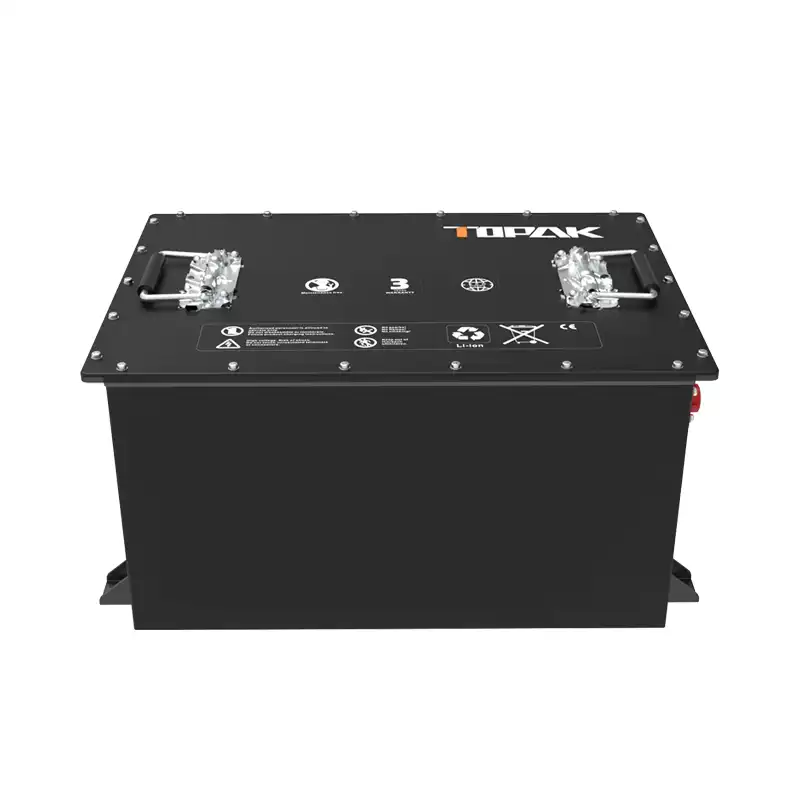
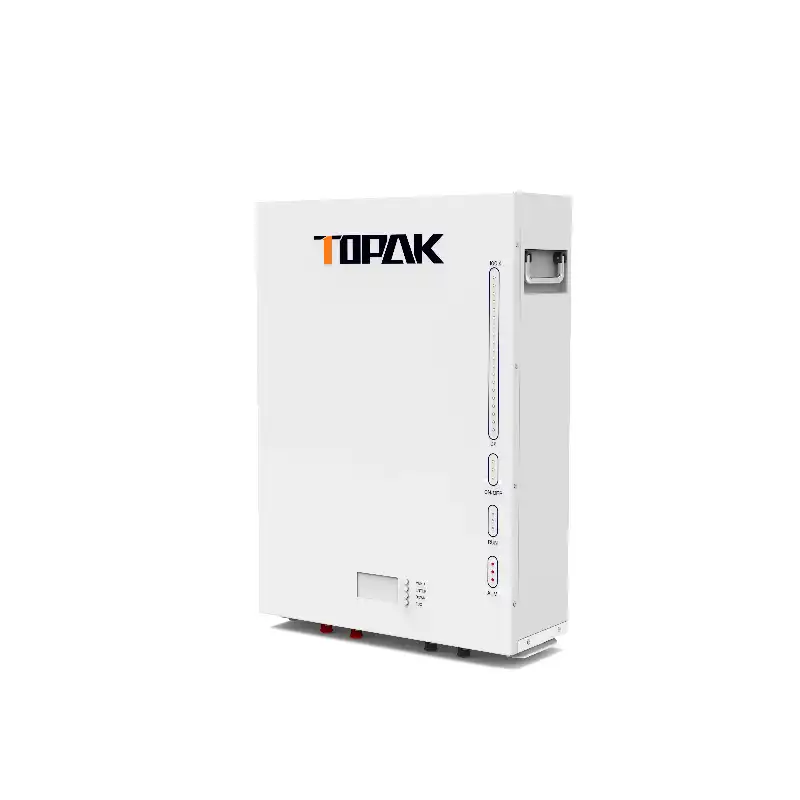
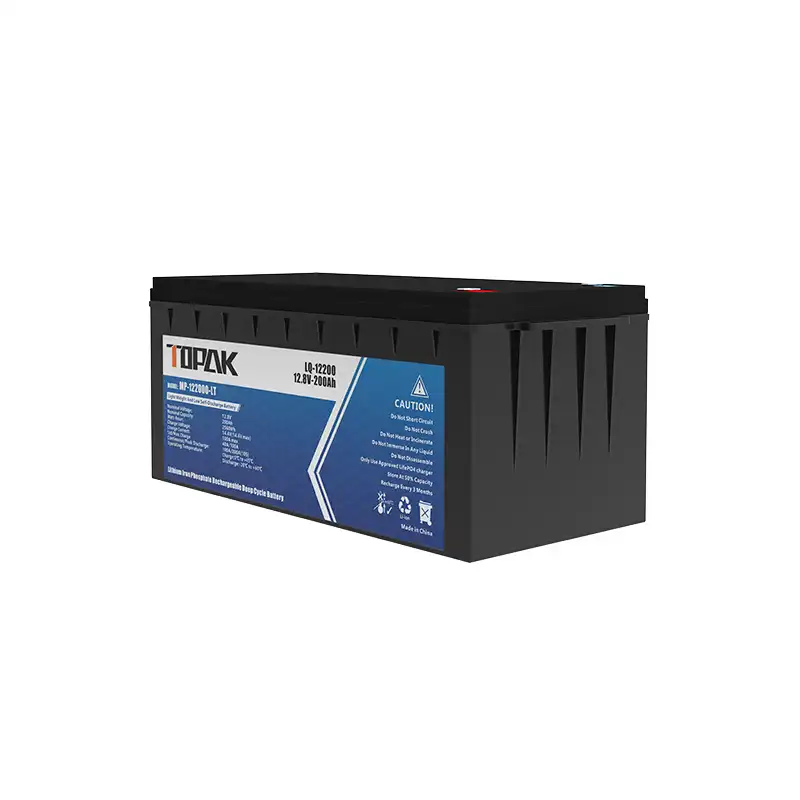
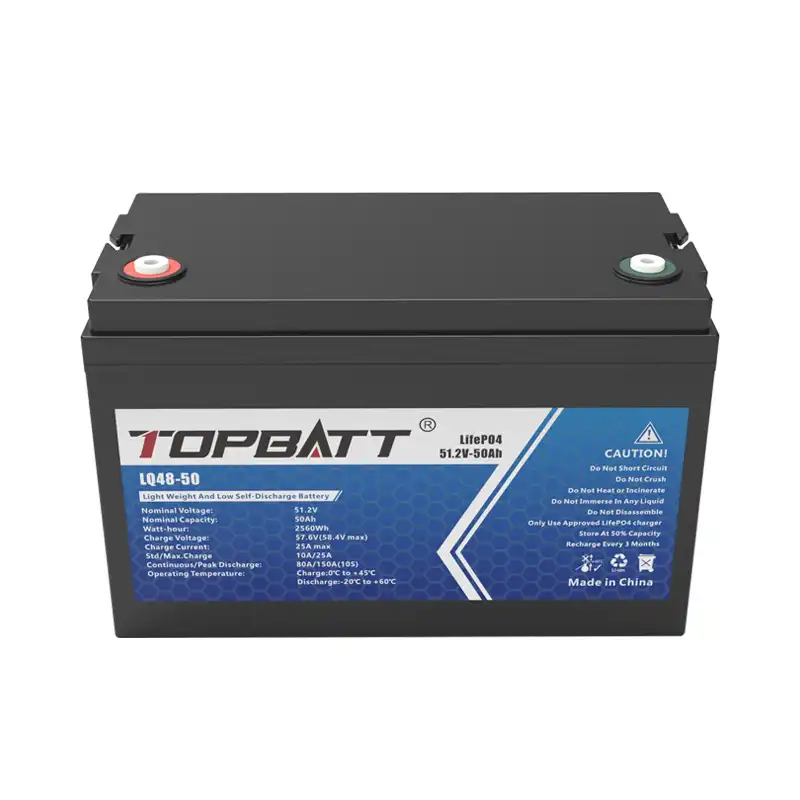
Compared to standard lead-acid systems, the 51.2V 100Ah battery backup rack mount is a huge step forward, providing better performance, longer life, and lower running costs. Modern lithium-ion rack mount options offer more energy per unit space, require little upkeep, and can be easily integrated, which makes them the best choice for commercial uses. Traditional lead-acid batteries have short run lives and need to be serviced often. These modern lithium systems, on the other hand, offer stable backup power at a much lower total cost of ownership.
Introduction
Battery backup solutions are now an important part of modern business-to-business purchasing strategies. They keep important businesses like data centers, telephones, and green energy running smoothly. Choosing the right battery technology has a direct effect on how reliable the whole system is, how efficiently it works, and how well it manages long-term costs. This in-depth study looks at the strong benefits of lithium-based rack mount systems over standard lead-acid battery banks. More and more, procurement workers are under pressure to find energy storage options that work consistently, cost little to maintain, and give a good return on investment. The change from lead-acid to lithium technology is more than just an improvement; it's a basic move toward better, more sustainable power backup infrastructure that fits with modern business goals and standards for environmental responsibility.
Understanding 51.2V 100Ah Battery Backup Rack Mount Technology
Core Technology and Design Features
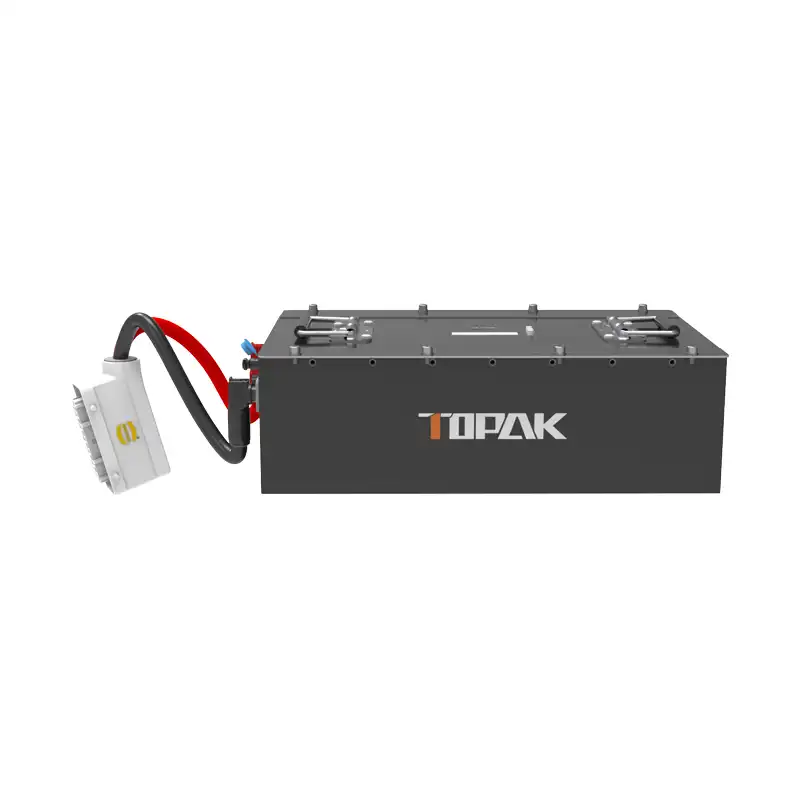
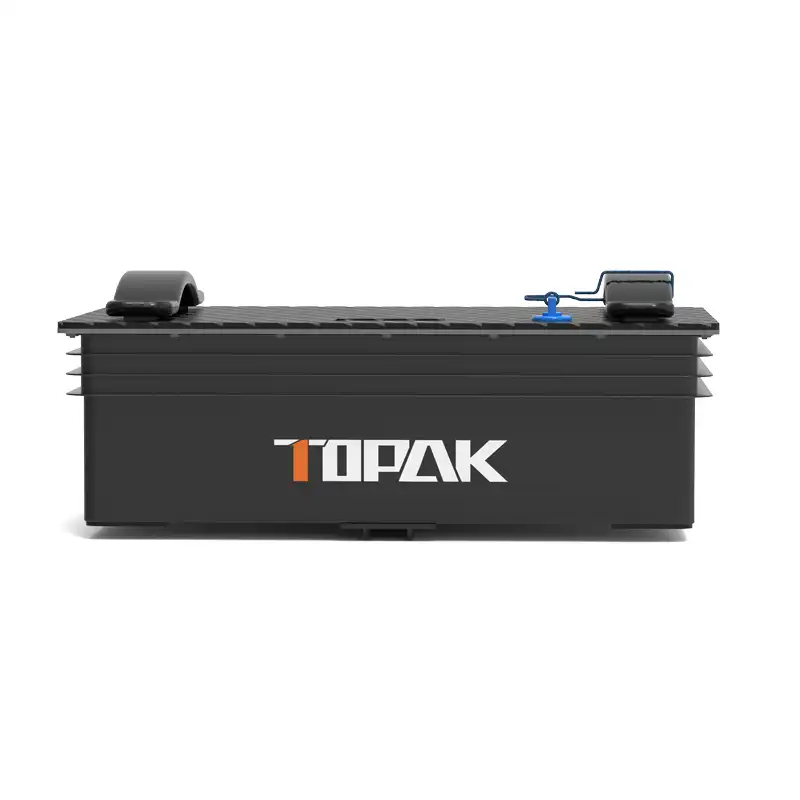
The TP-48100R rack-mount energy storage system is an example of cutting-edge lithium-ion technology that was made to work in harsh industrial settings. This advanced approach uses a 16S1P module setup to provide a steady 51.2V output and 100Ah capacity in a small 430x442x177mm package. The clever design of the system allows for scalable operation with up to 15 parallel units, which lets the capacity grow flexibly as power needs change.These units have advanced battery management systems built in that perform a wide range of tracking and safety tasks, such as protecting against overcharging, controlling temperature, and balancing cells. The CAN/RS485 connection methods make it easy to connect to existing infrastructure, and the available Bluetooth and 4G units let you do troubleshooting and distant tracking, which improves practical sight and control.
Performance Specifications and Reliability
Modern lithium rack mount technology is very durable, as shown by its amazing 6,000-cycle lifespan at 80% depth of discharge. This longer operating life means that they don't need to be replaced as often and cost less to maintain over time than standard options. The system's highest continuous discharge and charging rates of 100A each make it a reliable power source for high-demand uses like telecom base stations, data center UPS systems, and backup power for industrial equipment.
Limitations of Lead-Acid Battery Banks in Modern B2B Applications
Operational Constraints and Maintenance Challenges
There are a lot of problems with using traditional lead-acid battery systems that make them less reliable and less efficient overall. Under ideal conditions, these older technologies only last between 500 and 1,200 cycles, so they need to be replaced often, which adds to both direct costs and operating downtime. When the depth of discharge is limited, which is usually to 50% to keep the lifespan acceptable, the useful capacity is cut in half compared to the stated specs. Electrolyte level tracking, terminal cleaning, and equalization charging are just a few of the regular maintenance tasks that need to be done. These tasks take up technicians' time and increase safety risks. Lead-acid chemistry is sensitive to changes in temperature, which makes it harder to use in places where the temperature isn't always stable. This could cause performance to drop and decay to speed up.
Space and Weight Considerations
Because lead-acid technology has a lower energy density, its structures are much bigger and heavier than those of current technologies, such as a 51.2V 100Ah battery backup rack mount. In rack-mounted setups, where valuable floor space is at a premium, this waste of space is especially noticeable. Because of the extra support needed for bigger lead-acid banks, facilities often need to be changed, which makes adoption projects more difficult and expensive.
Advantages of 51.2V 100Ah Battery Backup Rack Mount Over Lead-Acid Banks
Superior Performance and Efficiency
Modern lithium rack-mount systems deliver exceptional advantages that address the fundamental limitations of lead-acid technology. Here are the core performance benefits that distinguish these advanced solutions:
- Extended cycle life exceeding 6,000 cycles provides 5-10 times longer operational lifespan than comparable lead-acid systems, dramatically reducing replacement frequency and associated costs.
- Higher energy density enables compact installations that maximize usable rack space while delivering equivalent or superior power capacity in significantly smaller footprints.
- Maintenance-free operation eliminates routine service requirements, reducing operational overhead and minimizing safety risks associated with battery handling and chemical exposure.
- Consistent voltage output throughout discharge cycles ensures stable power delivery to connected equipment, preventing performance degradation associated with voltage sag in traditional systems.
These performance advantages translate directly into improved operational efficiency and reduced total cost of ownership across diverse industrial applications. The elimination of routine maintenance tasks allows technical staff to focus on value-added activities while the extended lifespan provides predictable budget planning advantages.
Integration and Scalability Benefits
Modern battery rack mount technology is based on the idea of modular design, which makes it easy to connect to current infrastructure and allows for flexible growth. Compared to standard battery bank setups, the plug-and-play installation method simplifies deployment and speeds up execution times. Advanced connection features let you connect to building management systems and online tracking platforms, which improves your ability to see and control operations.
Real-World Applications and Use Cases
Critical Infrastructure Applications
When it comes to major applications, telecommunications infrastructure is one area where 51.2V 100Ah battery backup rack mount systems really shine. Base station locations benefit from the small size and long operating life, which lowers the need for site trips and the cost of upkeep. The high energy density and steady performance properties help data centers make the most of limited room to increase backup power capacity while keeping the power quality stable for sensitive electronics. Industrial equipment backup uses show how flexible these high-tech systems are in a variety of factory settings. The strong construction and wide working temperature range make it possible for it to work reliably in harsh conditions. The scalable design can adapt to the different power needs of different types of equipment and operational situations.
Emerging Market Opportunities
Utilizing lithium technology for solar energy storage is a rapidly growing market niche that offers big benefits over traditional options. These systems are perfect for projects that use green energy because they can handle many charge-discharge cycles without breaking down. Microgrid uses benefit from the high efficiency and quick reaction times that make them perfect for managing energy and keeping the grid stable.
Buying Guide and Procurement Tips for 51.2V 100Ah Battery Backup Rack Mount
Key Selection Criteria
To buy rack-mount battery systems successfully, you need to carefully look at the technical specs, the supplier's skills, and the options for long-term support. Aligning capacity with real power needs stops over-specification and makes sure there is enough spare capacity for future growth. Checking to see if it works with current UPS systems, inverters, and charging equipment makes sure that the integration goes smoothly and doesn't require any expensive changes.When evaluating a supplier, you should look at their industrial skills, safety certifications, and global support infrastructure. Product stability and ongoing expert help are more likely to come from well-known makers with a track record of success. Customization choices make it possible to optimize for specific application needs, and common components make upkeep and growth easier in the future.
Certification and Compliance Considerations
International safety standards, such as IEC62619, UN38.3, and MSDS paperwork, make sure that local rules and shipping needs are met. These approvals make sure that the products are safe and make it easier for foreign packages to go through customs. Knowing about guarantee terms, service level agreements, and the availability of new parts can help you set reasonable goals for long-term operating support.
TOPAK: Your Trusted Partner for Advanced Energy Storage Solutions
TOPAK New Energy Technology Co., Ltd. is a leader in industrial-grade lithium battery creation. We have been making high-quality batteries since 2007 and have 17 years of experience. Our complete approach to energy storage includes the ability to create products just the way you want them, the use of cutting-edge production techniques, and global delivery networks that serve a wide range of commercial uses in more than 15 countries around the world.Our 25,000 state-of-the-art factory in Dalang TOPAK Industrial Park has large-scale automatic production lines that make sure quality is always the same and delivery times are met quickly. Our Battery Management System technology was created by us, so we have full control over safety features, speed improvement, and system compatibility. This lets us make solutions that are tailored to each application's needs.
Conclusion
Switching from lead-acid to a 51.2V 100Ah battery backup rack mount is a smart move that will save money, make operations more efficient, and protect the environment. With its long cycle life, small size, and many safety features, the TP-48100R system is a great example of the benefits of current energy storage technology. The scalable design, maintenance-free operation, and 6,000-cycle lifespan lower the total cost of ownership while providing stable power backup for important applications. Companies that want to update their energy systems will find that lithium rack mount options have many benefits that make the switch from older battery technologies worthwhile.
FAQ
Q1: How does the lifespan of a 51.2V 100Ah lithium rack mount compare to lead-acid alternatives?
A: The TP-48100R lithium system delivers 6,000 cycles at 80% depth of discharge, representing 5-10 times the lifespan of typical lead-acid systems that achieve 500-1,200 cycles. This extended operational life significantly reduces replacement frequency and associated costs while providing predictable maintenance scheduling advantages.
Q2: What integration capabilities does the system provide for existing infrastructure?
A: The system supports CAN/RS485 communication protocols for seamless integration with existing UPS systems and building management platforms. Optional Bluetooth and 4G modules enable remote monitoring capabilities, while the standard 19" rack mount design ensures compatibility with existing server rack infrastructure.
Q3: What safety certifications and protection features are included?
A: The TP-48100R system includes comprehensive safety certifications, including IEC62619, UN38.3, and MSDS documentation. The integrated Battery Management System provides overcharge protection, temperature monitoring, short-circuit protection, and cell balancing functions that ensure safe operation in demanding industrial environments.
Partner with TOPAK for Your Energy Storage Needs
Transform your power backup infrastructure with TOPAK's industry-leading 51.2V 100Ah battery backup rack mount solutions. Our proven manufacturing expertise, comprehensive customization capabilities, and global support network ensurethe successful implementation of advanced energy storage systems tailored to your specific requirements. As a trusted manufacturer with automated production capabilities and in-house BMS technology, we deliver consistent quality and reliable performance across diverse industrial applications. contact us at B2B@topakpower.com to discuss your energy storage requirements and discover how our solutions can optimize your operational efficiency while reducing the total cost of ownership.
References
1. International Energy Agency. "Energy Storage Systems in Industrial Applications: Technology Assessment and Market Analysis." IEA Publications, 2023.
2. Battery University Research Institute. "Comparative Study of Lithium-ion versus Lead-acid Battery Technologies in Stationary Applications." Journal of Energy Storage Technology, Vol. 45, 2023.
3. IEEE Standards Association. "IEEE Standard for Stationary Battery Systems in Telecommunications and Data Centers." IEEE Std 1491-2022, Institute of Electrical and Electronics Engineers, 2022.
4. National Institute of Standards and Technology. "Performance Evaluation of Rack-mounted Battery Systems for Critical Infrastructure Applications." NIST Technical Publication 1800-33, 2023.
5. Energy Storage Association. "Industrial Battery Technology Trends and Market Outlook 2024." ESA Market Research Report, Energy Storage Association, 2024.
6. Telecommunications Industry Association. "Best Practices for Battery Backup Systems in Telecommunications Infrastructure." TIA-942-B Standard, Telecommunications Industry Association, 2023.