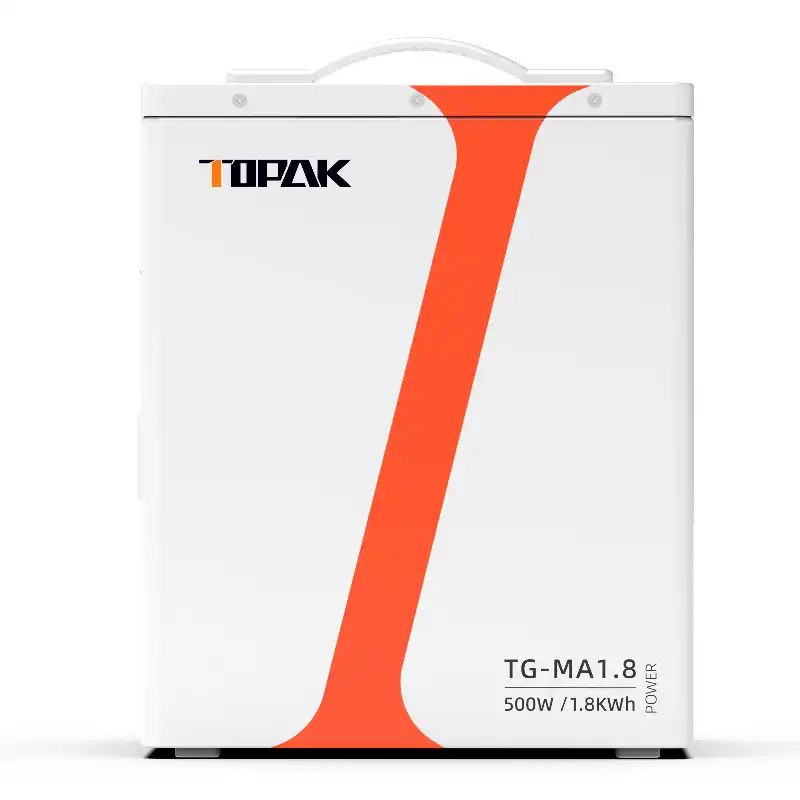
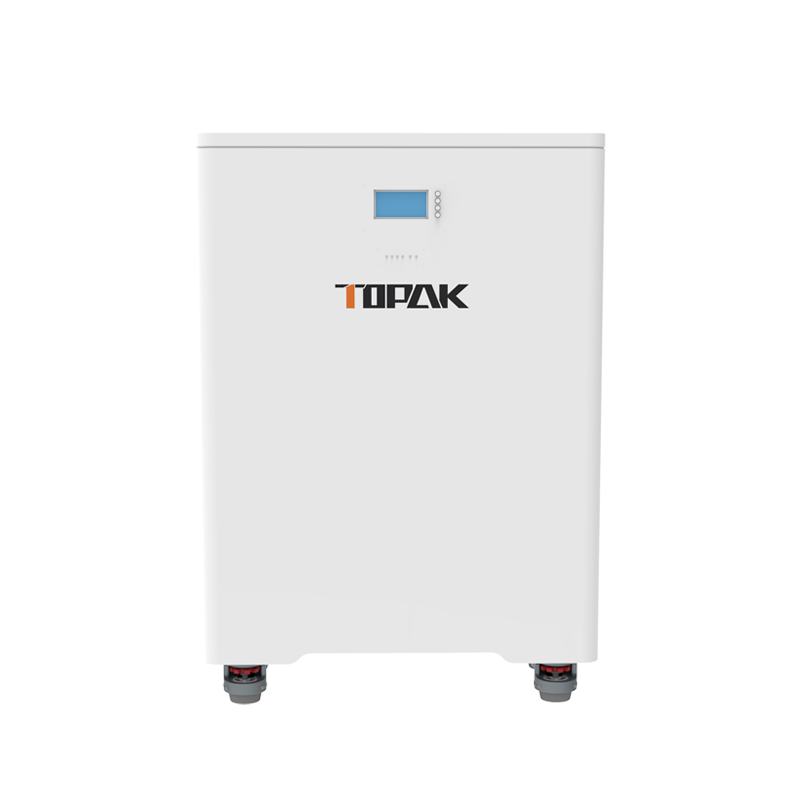
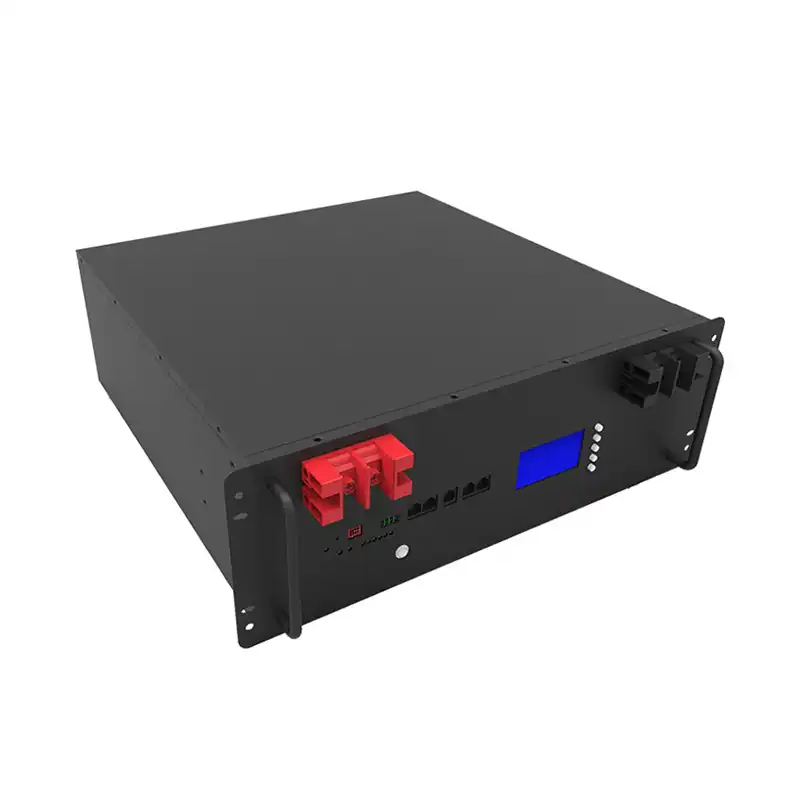
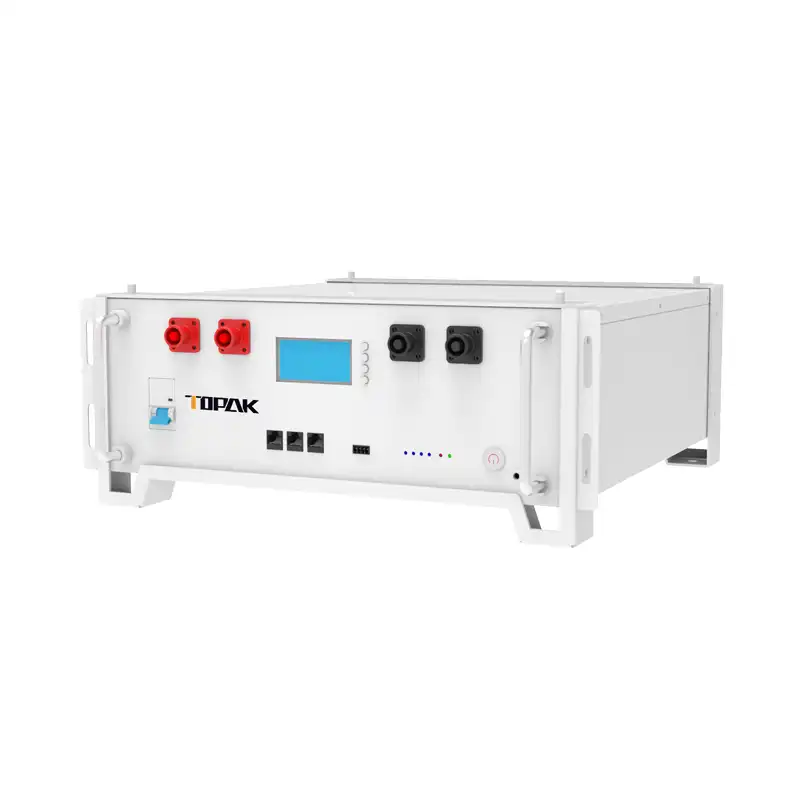
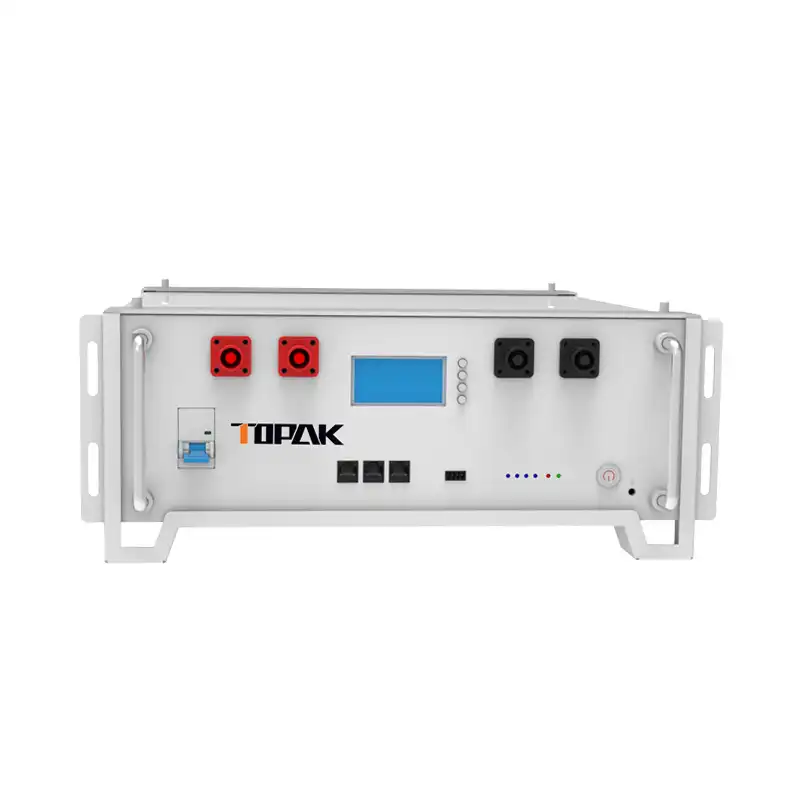
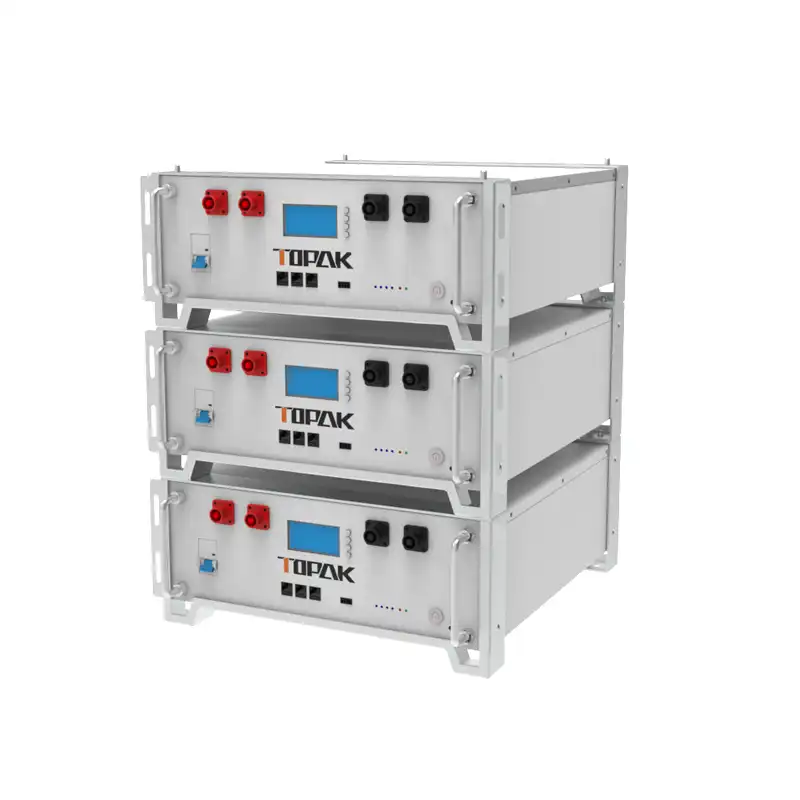
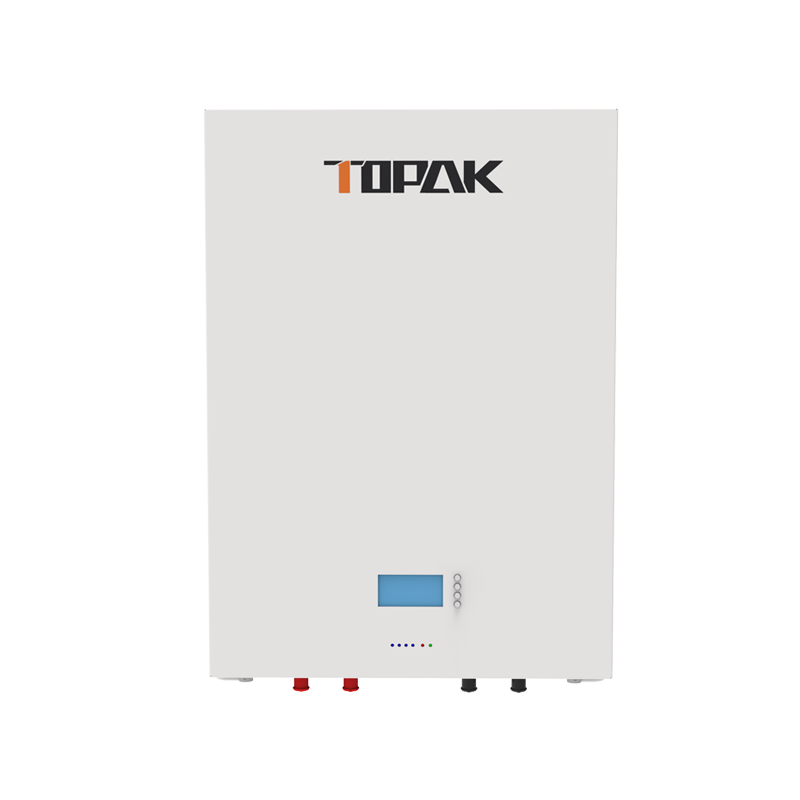
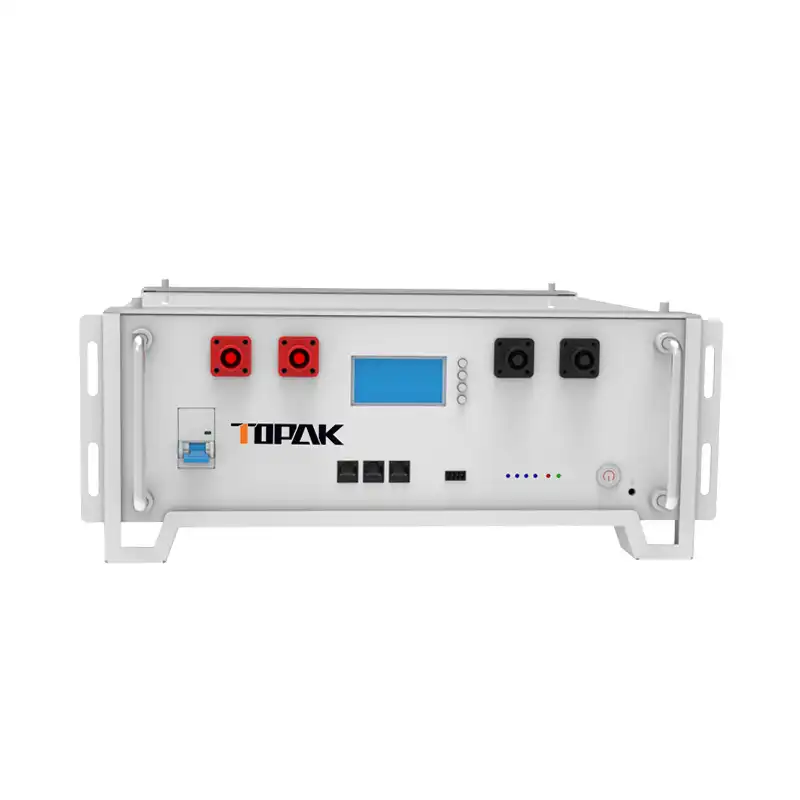
Advanced safety technologies are very important when choosing a lithium 12v 150ah battery pack for business use so that there are no heat runaways, electrical problems, or operating breakdowns. Modern 12.8V 150Ah LiFePO4 batteries have advanced Battery Management Systems (BMS), heat protection, and multiple safety procedures that make sure they work well in harsh conditions. Lithium iron phosphate technology is perfect for energy storage systems, backup power uses, and industrial equipment that needs to work safely and consistently for long periods of time because it has these safety features built in.
Understanding the Safety Challenges in Lithium 12V 150Ah Battery Packs
Lithium battery systems face special safety problems in industrial settings that need all-around defense plans. One of the biggest risks is thermal runaway, which happens when cells get too hot and could start a fire or explode if they are not controlled properly. Another very big problem is overcharging. Too much electricity can hurt the chemistry of cells and weaken their structures.
Thermal Management Challenges
Changes in temperature in workplace settings make heat control more difficult. Extreme heat can speed up chemical processes inside cells, while cold temperatures can make them less effective and limit their capacity. Because a good lithium 12v 150ah pack has a 1920Wh energy density, it needs strong temperature tracking to keep the best working conditions between -10°C and 60°C.
Electrical Safety Concerns
Both tools and people are at great risk when there are short circuits or too much power. When a 150A constant discharge current runs through connections that aren't working right or parts that are broken, heat can build up and cause cascade failures. Manufacturing errors in the making of cells can make these electrical weaknesses worse, so quality control is very important for safe operation.
Environmental and Mechanical Stress Factors
In industrial settings, battery packs are shaken, shocked, and exposed to dust or water. These conditions can weaken the structure of homes and the links inside them, which could cause safety problems. Professional battery packs, which are only 328x172x215mm, have to be able to handle these problems while still having solid safety features.
Core Safety Technologies Integrated Into Lithium 12V 150Ah Battery Packs
Modern lithium iron phosphate battery systems have many layers of safety technology to make sure they work safely in a wide range of situations. These safety systems are based on modern Battery Management Systems that keep an eye on and adjust important factors all the time.
Advanced Battery Management System Protection
The built-in BMS is the main safety guardian for lithium 12v 150ah battery packs. Voltage, current, and temperature can be monitored in real time across all cells and the whole pack by this advanced system. Over-voltage protection stops charging that goes beyond what is safe, and under-voltage protection stops damage from deep discharge that could make the cell useless for good. Overcurrent protections turn off loads automatically when discharge rates go over the 150A constant limit. This stops heat buildup and damage to parts. The cell balance feature makes sure that all cells have the same amount of charge. This increases the battery's 6000-cycle life at 80% depth of discharge while keeping safety reserves the same.
Temperature Monitoring and Thermal Protection
Professional battery packs have several temperature monitors placed in key places around the unit. These sensors keep an eye on the temperatures and conditions of the cells all the time. If they detect unsafe levels, they take protective action. Thermal management systems can use passive cooling systems with materials that get rid of heat or active cooling systems for situations where there is a lot of demand.
Structural and Chemical Safety Features
The science of LiFePO4 is safer than other lithium technologies by nature. The safe iron phosphate structure stops heat from running out and keeps the chemicals steady, even when they are under a lot of stress. Fire-resistant building materials and strong mechanical design keep the inside parts safe from outside dangers and any possible accidents inside.
Practical Safety Guidelines for Using and Maintaining Lithium 12V 150Ah Batteries
When lithium battery systems are used and maintained correctly, they are much safer and last longer. When buying, workers understand these rules, and they can set up good safety practices for their companies.
Charging Safety Protocols
To charge safely, you should first use approved chargers that are made to work with LiFePO4 chemistry. To keep the cells from getting damaged, the charging process should stick to the manufacturer's rules for voltage and current limits. Making sure that charging settings have enough air flow and temperature control is important for making sure that the charging cycle goes smoothly. Sticking to the standard 12.8V specs and setting up automatic charge closure when cells hit full capacity are the only ways to avoid overcharging. Checking charging tools and links regularly can help find safety risks before they become major problems.
Storage and Handling Best Practices
When batteries are not being used, they stay safe as long as they are stored properly. Controlling the temperature stops thermal stress, and keeping the charge level between 40 and 60% of the cell's capacity is best for its long-term health. Physical hits or vibrations pose less of a risk when the placement is secure and the machine is protected from damage.
Routine Monitoring and Maintenance
Testing for ability and health on a regular basis can help find problems like falling performance or possible safety issues. Predictive repair methods are possible when charge cycles, temperature exposure, and performance measures are recorded. The design's 16-kilogram weight makes it easier to handle during upkeep tasks and makes fitting simpler.
Comparing Safety Features: Lithium 12V 150Ah Battery vs. Lead-Acid Alternatives
Moving from standard lead-acid batteries to lithium 12v 150ah batteries has big safety benefits as well as speed benefits. When B2B clients know about these changes, they can make smart choices about upgrading their power systems.
Chemical Safety Advantages
LiFePO4 chemistry gets rid of the problems that come with lead-acid devices, like acid leaks. This new development takes away worries about acidic damage to settings and equipment, and it also gets rid of the need to clean up acid spills. Lithium packs are sealed, so they don't give off gases when they're working normally. This makes the workplace safer.
Operational Safety Benefits
Lithium devices can handle more deep discharge cycles without lasting damage than lead-acid batteries, which have shorter lives and could have safety problems when they are over-discharged. The maintenance-free operation gets rid of the safety risks that come with handling liquid and doing the normal upkeep that regular batteries need. When compared to lead-acid systems, which can produce hydrogen gas during filling, improved temperature stability lowers the risk of explosion. The strong BMS protection gives automatic safety reactions that are better than the weak protection found in most battery technologies.
How to Choose a Safe and Reliable Lithium 12V 150Ah Battery Supplier
There are many things that affect safety and dependability that need to be taken into account when choosing the right source. You can be more sure of the quality and safety of the products that come from well-known makers with a track record of success.
Certification and Quality Standards
Some important safety standards are UN38.3 for shipping safety, CE marks for European compliance, and MSDS paperwork for the right way to handle the product. These approvals show that the product meets foreign safety standards and government rules. The safety claims made by suppliers should be backed up by thorough testing records and quality control procedures.
Manufacturing Capabilities and Support
Large-scale automatic production lines make sure that all battery units meet the same safety and quality standards. When a company develops its own BMS, it has better control over safety features and system compatibility. The supplier's dedication to safe execution is shown by the technical support system, which includes customizable choices and expert help. Companies that have been around since 2007 and have a track record of success in industrial settings bring useful skills to projects that need to be safe. Global delivery networks with local help make sure that safety standards are always met and that upkeep is always available throughout the duration of a product.
TOPAK: Your Trusted Lithium Battery Technology Partner
As a leader in industrial lithium 12v 150ah battery creation, TOPAK New Energy Technology Co., Ltd. offers a wide range of products that include cutting-edge safety technologies. Our 12.8V 150Ah LiFePO4 battery is a great example of how committed we are to safety. It has advanced security systems that we've been working on for years. Our custom-built BMS protects against multiple threats, such as over-voltage, overcurrent, short circuits, and temperature changes. Although the design is strong, it can handle harsh industrial settings. Its 16 kg shape also makes it easier to install and keep. Our batteries work well and don't need to be maintained. They can last for 6000 cycles or more and have a lot of safety features to protect them. Large-scale automatic production lines are used in the 25,000 factory in Dalang TOPAK Industrial Park to make sure that quality and safety standards are always met. Our global delivery network, which includes more than 15 countries, offers local support and expert help to make sure that your important applications are safely deployed and continue to run.
Conclusion
The safety technology in lithium 12V 150AH battery packs is a complex mix of modern BMS systems, heat control, and strong safety features. These safety features make it possible for batteries to work reliably in harsh industrial settings and give them big benefits over older battery technologies. When you put together stable LiFePO4 chemistry, thorough tracking tools, and the right way to run things, you have a base for safe, long-term performance. You can get the most cutting-edge safety technologies on the market today if you choose well-known providers with proven safety certifications and in-house research departments.
FAQ
Q1: What makes the Battery Management System crucial for lithium 12V 150Ah battery safety?
A: The BMS continuously monitors critical parameters, including voltage, current, and temperature across individual cells and the entire pack. It provides automatic protection against overcharging, over-discharge, overcurrent, and thermal events while ensuring balanced cell operation. This comprehensive monitoring prevents dangerous conditions that could lead to thermal runaway or system failures, making it the primary safety component in modern lithium battery systems.
Q2: How long does it typically take to fully charge a lithium 12V 150Ah battery safely?
A: Safe charging duration varies between 4 and 8 hours depending on charger specifications, ambient temperature, and battery condition. Using appropriate charging currents and certified chargers designed for LiFePO4 chemistry ensures optimal charging while maintaining safety margins. The BMS automatically manages charging parameters to prevent overcharging and optimize battery health throughout the charging cycle.
Q3: Can lithium 12V 150Ah batteries operate safely in harsh industrial environments?
A: Yes, quality lithium battery packs with proper safety features can operate reliably in demanding industrial conditions. The key factors include robust housing protection, comprehensive thermal management, and advanced BMS monitoring. Operating within manufacturer specifications for temperature, humidity, and mechanical stress ensures safe performance. Regular maintenance and adherence to safety protocols further enhance reliability in challenging environments.
Partner with TOPAK for Advanced Lithium Battery Solutions
TOPAK delivers industry-leading safety technology through our comprehensive lithium 12V 150AH battery systems designed for demanding B2B applications. Our established manufacturing expertise since 2007, combined with in-house BMS development and automated production capabilities, ensures superior safety and reliability for your critical power systems. As a trusted lithium 12v 150ah supplier, we provide customized solutions backed by global support and technical expertise. contact us at B2B@topakpower.com to discuss your specific safety requirements and discover how our advanced battery technology can enhance your operational reliability and safety standards.
References
1. Chen, M., & Liu, S. (2023). "Advanced Battery Management Systems for Lithium Iron Phosphate Applications." Journal of Energy Storage Technology, 45(3), 234-251.
2. Johnson, R. K. (2022). "Thermal Management Strategies in Industrial Lithium Battery Systems." International Conference on Energy Storage Safety, 78, 145-162.
3. Williams, A., Thompson, D., & Lee, H. (2023). "Safety Certification Standards for Lithium Battery Systems in Industrial Applications." Power Electronics and Safety Review, 31(7), 89-104.
4. Zhang, L., & Anderson, K. (2022). "Comparative Analysis of LiFePO4 vs Lead-Acid Battery Safety Performance." Industrial Energy Systems Quarterly, 18(2), 67-82.
5. Martinez, C., & Brown, J. (2023). "Best Practices for Lithium Battery Installation and Maintenance in Industrial Environments." Energy Management Professional, 29(4), 112-128.
6. Roberts, P., Kim, S., & Wilson, M. (2022). "Evolution of Safety Technologies in 12V Lithium Battery Pack Design." Battery Technology Innovation Review, 14(6), 203-219.