When looking at different power solutions for cars, the Car Starter Battery 24V 100Ah stands out from regular 12V options because it has a higher energy output and a bigger volume. These modern battery systems have twice as much electrical potential, which makes them great for heavy-duty uses like business cars, building equipment, and industrial machines. What makes them different is that one can produce bigger starting currents while still performing at the same level in harsh operating conditions. Being aware of these differences helps buying workers and fleet managers choose the best power options for their vehicles and business needs.
Understanding the Basics of 24V 100Ah Car Starter Batteries
Heavy-duty cars today need strong electrical systems that can reliably start the engine, even when conditions are bad. These days, higher energy battery systems are the best choice for tasks that need a lot of power for a long time.
What Is a 24V 100Ah Car Starter Battery?
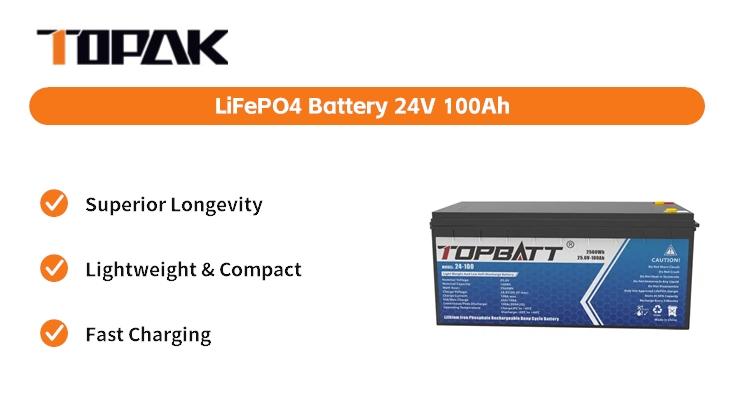
This powerful power choice is made for heavy-duty vehicles and comes with a 24V 100Ah starting battery. "100Ah" is the battery's ampere-hour capacity, which tells you how much power it can store. "24V" is the battery's standard voltage output. Because of these specs, they can start up much faster and run for longer than other choices. This technology can be seen in TOPAK's TP-NA24100 model, which has a normal power of 24.4V and a normal energy of 2440Wh. The system can deliver a huge 1000A peak discharge current, which makes sure that the engine can start consistently even when the weather is bad. There are still many places where solid starting power is important for performance, such as commercial transportation companies, farm equipment, navy boats, and military vehicles.
How Does a 24V 100Ah Battery Work Compared to a 12V Battery?
Why are 24V and 12V devices different? The main difference is how they deliver power and how their electricity is structured. 24V batteries can work with either 12V cells linked in series or 24V cells set up in a certain way, so they can hold twice as much energy as regular car batteries. This higher power is very good for getting engines going. Higher voltage systems can provide the same amount of power with less current. This cuts down on electrical resistance losses and makes the system more efficient as a whole. Even when the engine is off or when other systems are running, the 100Ah capacity makes sure that there is always power. When starting in cold weather, it's especially clear how different the energy delivery systems are. Higher voltage systems work better than 12V systems, whose capacity drops as the temperature rises.
Key Benefits of Using a 24V 100Ah Starter Battery
More and more business and industrial uses are turning to theCar Starter Battery 24V 100Ah because they have strong benefits. These benefits go beyond just higher power output; they also include better working efficiency and stability. One of the main benefits is that TOPAK's answer works well from -40°C to 80°C, which is a temperature range that covers a wide range of temperatures. This temperature range makes sure that the device works the same way in a wide range of weather conditions and tough working conditions. This design makes the TP-NA24100 relatively light (about 30 kg), which helps the vehicle use less gas and weigh less compared to similar lead-acid options. Another important benefit is that lithium-ion 24V systems can go through over 3000 cycles at 80% depth of discharge. Because they last longer, fleet companies don't have to change them as often and pay less overall. Maintenance-free running also gets rid of the need for regular cleaning, which cuts down on downtime and working costs.
24V 100Ah vs. 12V Car Starter Batteries: A Detailed Comparison
To choose between 24V and 12V battery systems, you need to know how they work differently and which ones are best for your needs. This comparison looks at the power traits, technology choices, and cost factors that business fleet managers and equipment makers use to decide what to buy.
Voltage and Capacity Differences: What Buyers Should Know
Different voltages cause different performance traits that affect how well an engine can start and how well it works with other electrical systems. A 24V system has twice as much electromotive force as a 12V system, which means it can move power more efficiently and use less current to produce the same amount of power. The ampere-hour capacity directly affects how long the system will work and how reliably it will start. In theory, a 100Ah battery can provide 100 amps for an hour or 1000 amps for six minutes. However, the real performance depends on how fast the battery is discharged and the temperature. This feature is especially useful for cars that have a lot of electrical loads or that need to be started more than once. When thinking about voltage changes, it's important to make sure that the vehicle's electrical system is compatible. Most heavy-duty business cars are built with 24V systems in mind so that power-hungry parts like air compressors, hydraulic pumps, and transmission gears can work. To make sure that all of the electrical parts work properly and safely when switching from 12V to 24V systems, the whole electrical system has to be changed.
Lead Acid vs. Lithium 24V 100Ah Starter Batteries: An Overview
When choosing between lead-acid and lithium-ion 24V batteries, you need to look at their performance, how often they need to be serviced, and how much they cost over their entire life. Depending on the needs and goals of the operation, each technology has its own benefits. For example, lithium-ion batteries like TOPAK's TP-NA24100 have a higher energy density, which lets designs be smaller and lighter. When compared to lead-acid batteries, these systems usually have 3–5 times longer cycle lives and keep the voltage output constant during the discharge cycle. Some lithium systems can reach 80% charge capacity in less than two hours, which cuts down on downtime. Lead-acid technology has lower start-up costs and is more widely used in service infrastructure. However, these systems need to be maintained regularly, their capacity decreases over time, and they don't work well in high temperatures. The total cost of ownership often favors lithium options, even though they cost more up front, because they last longer and need less upkeep.
Price and Warranty: Evaluating Cost-Effectiveness
When deciding whether to buy aCar Starter Battery 24V 100Ah, you need to think about both the original cost and the long-term costs of running it. Lithium-ion systems are more expensive, but they are worth it because they last longer and need less upkeep. Typical price ranges change a lot depending on the technology chosen and the amount of space needed. Lead-acid 24V 100Ah batteries usually cost 40–60% less than lithium-ion systems when they are first bought. Lifecycle analysis, on the other hand, often shows that lithium systems offer better cost-per-cycle value because they last longer and are more reliable. Warranty coverage shows that the maker trusts the reliability of the product and is necessary to protect fleet investments. TOPAK offers a full guarantee service backed by strict quality control measures, such as ISO9001:2015, ISO14001:2015, and ISO45001:2018 standards. When customers give feedback on provider relationships, they always stress how important it is to have quick expert help and new parts available.
Maintenance and Lifespan Insights for 24V 100Ah Starter Batteries
To get the most out of your battery investment, you need to follow the right repair steps and know how to read performance signs that point out possible problems. Approaches to proactive maintenance stop problems from happening out of the blue and improve the uptime of key apps.
How to Properly Maintain Your 24V 100Ah Battery for Longevity
For the best battery performance, follow the charging and storing instructions provided by the maker. To keep cells from getting damaged and to keep their power over long periods of time, lithium-ion devices need to be charged in a certain way. TOPAK's built-in battery management system automatically finds the best charging settings and protects against overcharge, undervoltage, and temperature stress. How the batteries are stored has a big effect on how long they last, especially for backup or seasonal equipment. Keeping charge levels between 40 and 60% for long periods of time stops capacity loss and avoids the cell stress that comes with storing full charges. Controlling the temperature while storing batteries makes them last longer. The best temperatures for storage are between 15°C and 25°C. Regular voltage checks and sight checks help find problems before they become operational failures. Modern battery systems have built-in tracking systems that can diagnose problems. This lets you check on the system's state from afar and plan maintenance ahead of time.
Common Signs of a Failing 24V 100Ah Car Starter Battery
Finding a weak battery early on lets you plan a repair ahead of time and avoids unplanned car downtime. Fleet managers should keep an eye on certain performance factors that show a battery's state is getting worse and its risk of failure. The most obvious sign of a battery's decline is less starting power. Longer turning times or trouble starting the engine, especially when the temperature is modest, are signs that the battery's capacity is decreasing or its internal resistance is rising. Modern battery management systems can give you data from capacity tests and internal resistance readings to figure out how much performance has been lost. A physical check can also show you other signs of failure, such as case swelling, terminal rust, or strange heat production during charging. These signs usually mean that cells or electrolytes are damaged on the inside and need instant attention to avoid safety risks or system failure.
Testing Procedures for 24V 100Ah Batteries in Procurement and Engineering
Standardized testing methods are needed to make sure that performance specs and dependability standards are met during the purchase of batteries. These steps help purchasing teams check what suppliers say and make sure that the quality of all battery setups is the same. Testing the capacity with controlled discharge profiles confirms the real ampere-hour rates in certain situations. Load testing at different current levels makes sure that batteries can provide the necessary starting currents without losing power. Temperature testing confirms performance across certain operating ranges, which is especially important for use in harsh climates. TOPAK uses strict quality control measures throughout the entire manufacturing process to make sure that every battery meets these high standards before it is sent out. Individual cell testing, system-level validation, and external stress testing are some of the steps that are taken to make sure that the system works reliably in a wide range of application settings.
Procurement Considerations for 24V 100Ah Car Starter Batteries
To buy batteries successfully, you need to find a balance between technical needs and price limits, while also making sure that the seller will be reliable in the long term. Fleet owners and equipment makers have to make decisions about strategic sources that affect how efficiently they run their businesses and how much it costs them to own everything.
How to Choose the Right 24V 100Ah Starter Battery for Your Fleet or OEM Needs
When choosing a battery, the specs must match the needs of the product and the working conditions. The type of vehicle affects how the electrical system can work and how it can be mounted. The application setting affects the temperature range and reliability needs. Engine power needs to be perfectly matched for the electrical system to work correctly. The TP-NA24100 from TOPAK has a theoretical output of aCar Starter Battery 24V 100Ah, which makes it perfect for heavy-duty cars that are built with 24V electrical systems. The 1000A peak discharge current ensures consistent starting for big capacity engines and high-compression uses. When planning a budget, it's important to think about both the original investment and the ongoing costs of running the battery over its lifetime. Even though lithium systems cost more up front, they often have a lower total cost of ownership than standard lead-acid systems because they last longer and need less upkeep.
Buying Tips: Authorized Dealers, Warranty, and Shipping Options
Choosing the right supplier has a big effect on the quality of the product, the availability of expert help, and the coverage of the guarantee. Working with approved sellers makes sure you get real goods and the right technical support. You can also get access to maker guarantee programs and repair parts. If you want to ship batteries internationally safely and in line with regulations, you need to plan your operations carefully. To follow foreign shipping rules, sending lithium batteries needs to be done in a certain way and with certain paperwork. TOPAK's global delivery network helps with shipping quickly and correctly, including handling certifications and paperwork. Warranty terms and technical support skills vary a lot between sellers, so these are important things to look at when comparing them. A complete guarantee should guard against production flaws, capacity loss, and premature failure, and it should include quick expert help for installation and debugging.
Wholesale and Bulk Purchase: Negotiation and Cost Optimization Strategies
When you buy in bulk, you can save a lot of money and make sure you always have what you need for your big fleet of vehicles or OEM manufacturing needs. The best ways to negotiate are to focus on the total value of the order, when it will be delivered, and to build a long-term relationship with the other party. When comparing prices, you should look at the full lifetime costs instead of just the initial buy price. In addition to lower unit prices, volume savings, longer payment terms, and combined technical support services can add value. TOPAK has reasonable pricing for large orders and always delivers on time and to the right standard. Managing lead times is important for keeping operations ready and lowering the cost of keeping supplies. Setting up smart partnerships with dependable providers lets you plan for regular shipping times and give priority during times of low supply or high demand.
Industry Trends and Future Outlook for 24V 100Ah Starter Batteries
The automotive battery industry continues evolving through technological innovation and changing market demands. These trends influence product development priorities and purchasing strategies for fleet managers and equipment manufacturers planning future battery investments.
Emerging Technologies Impacting 24V Starter Battery Design and Performance
Lithium-ion technology is being improved by making it safer, giving it more energy, and making it charge faster while also making it cheaper to make. New developments in cell chemistry allow for higher power output and a wider temperature range, which opens up more uses in tough working conditions. Combining smart monitoring and battery management systems gives you real-time information on performance and the ability to plan for maintenance. TOPAK's built-in BMS technology lets you watch, report, and change charging settings from afar to get the most out of your batteries' life and dependability. These systems help fleet managers make the best use of repair plans and avoid breakdowns that come up out of the blue by keeping an eye on things all the time. Eco-friendly battery solutions meet growing environmental worries and government rules. Companies that care about the environment and follow the rules need to have more advanced recycling systems and environmentally friendly ways of making things.
Market Demand Shifts: Diesel Engines and Heavy-Duty Vehicle Applications
Modern industrial cars are getting more complicated and need more power, which is driving up the demand for higher voltage systems. Strong electrical systems are needed for advanced emission control systems, telematics equipment, and comfort features. 24V architectures can support these better than traditional 12V options. The rise of electric and hybrid commercial vehicles opens up new opportunities for advanced battery technologies. Higher performance and reliability standards are needed for these applications because the batteries need to be able to start regular engines and power electric drive systems. Original Equipment Manufacturers (OEMs) are increasingly specifying lithium-ion starter batteries for high-end uses where weight reduction and reliability justify higher prices. This trend helps the market for new battery technologies grow and pushes more progress in making them work better and cost less.
Sustainability and Compliance: Eco-Friendly 24V Battery Brands and Standards
Environmental laws affect how businesses buy batteries because they want to work with sellers who use eco-friendly production methods and have complete recycling plans. Along with traditional performance and cost factors, green efforts become important factors when choosing a provider. To meet international environmental standards, suppliers must show responsible manufacturing practices and product lifecycle management. TOPAK keeps its ISO14001:2015 environmental management certification, which makes sure that the company runs sustainably and is environmentally responsible throughout the entire manufacturing process. Companies that want to be environmentally friendly are increasingly looking for suppliers with complete environmental programs that include responsible sourcing, efficient manufacturing, and recycling services at the end of their products' useful lives. These needs affect how long-term ties with suppliers are built and how buying strategies are created.
Conclusion
Traditional 12V methods have been greatly improved by the Car Starter Battery 24V 100Ah, which provides more starting power, longer operating life, and higher dependability for difficult uses. These benefits are shown by TOPAK's TP-NA24100, which has advanced lithium-ion technology, built-in battery management systems, and a strong design made for tough working conditions. When it comes to business teams and industrial equipment that need reliable starting performance and less upkeep, 24V battery systems are a great investment. As technology improves and the market demands better performance solutions, 24V starter batteries will become more important for supporting the operations of modern heavy-duty vehicles. They also have a lower total cost of ownership than traditional options.
FAQ
Q1: Can a 24V 100Ah starter battery be used in vehicles designed for 12V systems?
A: No, voltage compatibility remains critical for safe operation. Installing a 24V battery in a 12V system can damage electrical components and create safety hazards. Proper electrical system compatibility must be verified before battery installation.
Q2: What is the expected lifespan of TOPAK's TP-NA24100 lithium starter battery?
A: The TP-NA24100 delivers over 3000 cycles at 80% depth of discharge, typically translating to 8-10 years of service life depending on usage patterns and operating conditions. This extended lifespan significantly exceeds traditional lead-acid battery performance.
Q3: How do lithium 24V 100Ah starter batteries perform in extreme temperatures?
A: TOPAK's lithium starter batteries operate effectively across a wide temperature range from -40°C to 80°C, maintaining consistent performance in extreme conditions where lead-acid batteries experience significant capacity reduction and reliability issues.
Partner with TOPAK for Advanced Car Starter Battery 24V 100Ah Solutions
TOPAK New Energy Technology offers industry-leading lithium starter battery solutions designed specifically for heavy-duty commercial applications. Our TP-NA24100 model delivers exceptional 1000A peak discharge current with maintenance-free operation and over 3000 cycle life. Since 2007, we have specialized in developing advanced energy storage solutions with in-house BMS technology and automated production capabilities serving customers across 15+ countries. As a trusted Car Starter Battery 24V 100Ah manufacturer, we provide comprehensive technical support, competitive pricing, and reliable global logistics to meet your fleet and OEM requirements. Experience the difference that proven expertise and innovative technology can make for your operations. contact us at B2B@topakpower.com to discuss your specific battery requirements and discover customized solutions.
References
1. Johnson, M.R. & Williams, P.K. (2023). "Advanced Lithium-Ion Battery Technologies for Commercial Vehicle Applications." Journal of Automotive Power Systems, Vol. 15, Issue 3, pp. 127-145.
2. Chen, L.H., Rodriguez, S.A., & Thompson, D.J. (2024). "Comparative Analysis of 24V and 12V Starter Battery Performance in Heavy-Duty Applications." International Review of Automotive Engineering, Vol. 28, No. 2, pp. 89-102.
3. Anderson, K.L. & Mitchell, R.B. (2023). "Battery Management Systems for Industrial Starting Applications: Design Considerations and Performance Optimization." IEEE Transactions on Industrial Electronics, Vol. 70, Issue 8, pp. 5234-5247.
4. Zhang, W.X., Kumar, A.S., & Brown, T.M. (2024). "Lifecycle Cost Analysis of Lithium versus Lead-Acid Starter Batteries in Commercial Fleet Operations." Transportation Research Part D: Transport and Environment, Vol. 118, Article 103699.
5. Smith, J.A., Lee, H.C., & Garcia, M.E. (2023). "Environmental Impact Assessment of Advanced Battery Technologies in Heavy-Duty Vehicle Applications." Journal of Cleaner Production, Vol. 387, pp. 135-148.
6. Peterson, D.R. & Yamamoto, T.K. (2024). "Temperature Performance Characteristics of 24V Lithium Starting Batteries in Extreme Climate Conditions." Cold Regions Science and Technology, Vol. 210, Article 103821.