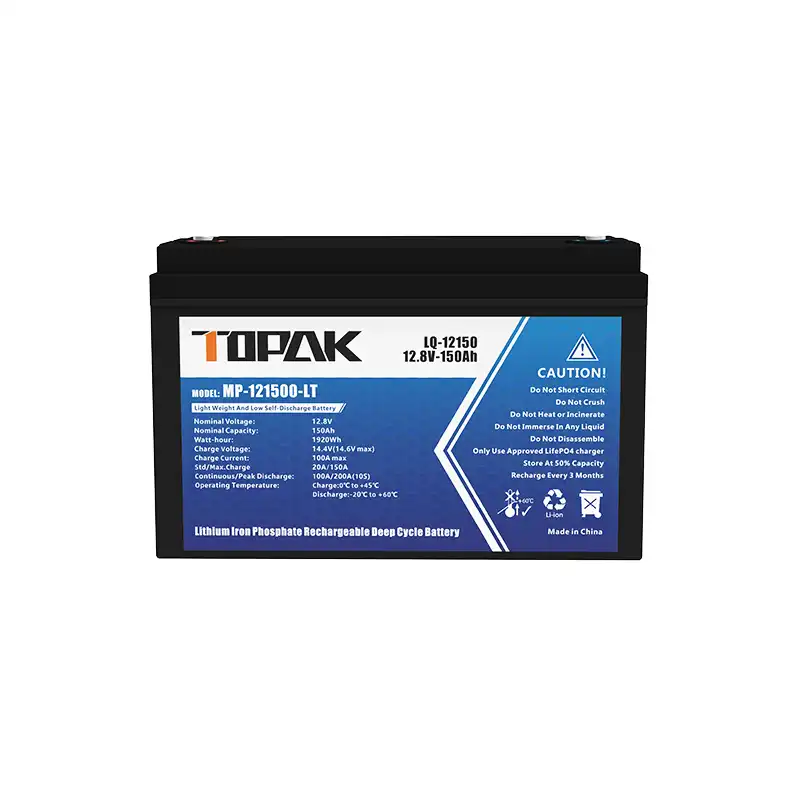
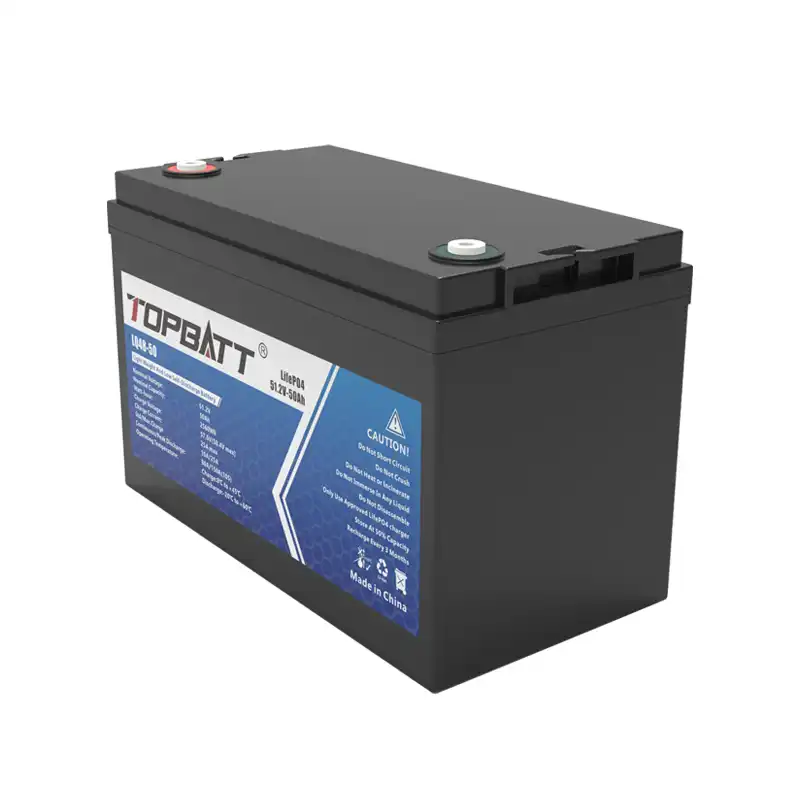
Procurement experts have to look at a lot of technical and practical factors when choosing a 51.2V 100Ah battery backup rack mount system to make sure it works well and is reliable. For mission-critical uses like data centers, telecommunications infrastructure, and industrial control systems, these lithium-ion energy storage options provide higher power density, longer cycle life, and easy integration. Knowing the important details, matching needs, and seller standards will help you make smart choices that will maximize your return on investment and guarantee long-term business greatness.
Understanding the 51.2V 100Ah Battery Backup Rack Mount System
Core Specifications and Technical Architecture
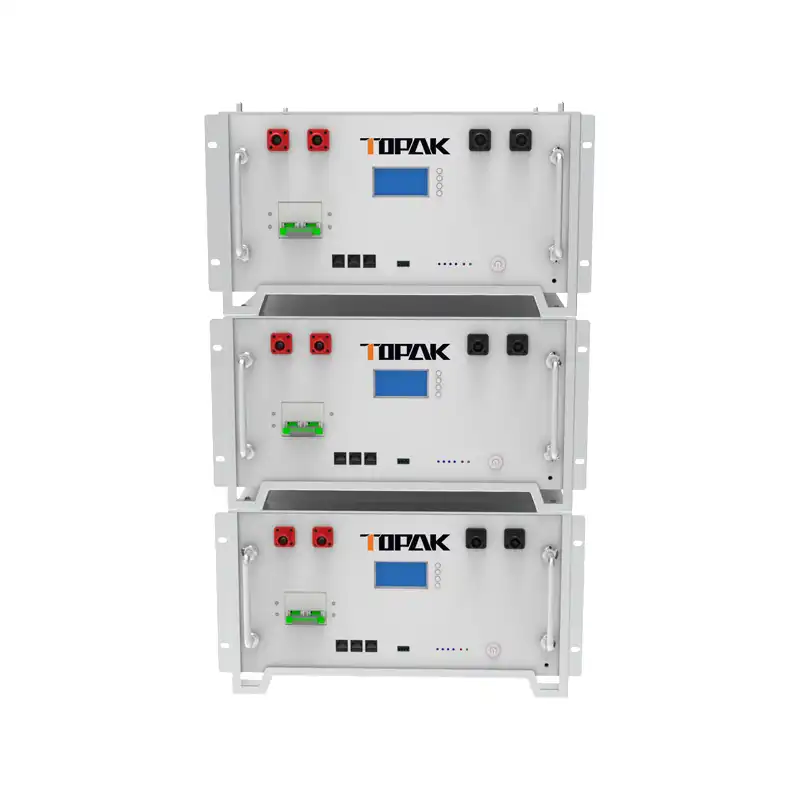
A rack-mount battery backup system with a minimum voltage of 51.2V and a volume of 100Ah is a high-tech lithium-ion energy storage option made to fit into a normal 19-inch computer rack. According to the voltage standard, there are 16 cells of lithium iron phosphate (LiFePO4), which can store about 5.12kWh of energy. The energy efficiency of this setup is very high, and it works with current UPS hardware and power control tools.
Lithium-Ion Technology Advantages Over Traditional Solutions
Modern energy storage systems that are rack-mounted use modern lithium-ion chemistry that works much better than older lead-acid systems. LiFePO4 cells have a longer cycle life than valve-regulated lead-acid batteries. They can be charged and discharged more than 6,000 times at 80% depth of discharge. The higher energy density makes it possible for small setups that make the most of important rack space while lowering the cooling needs of the building.
Integration with UPS Systems and Infrastructure
Professional rack-mount battery systems are designed to work well with uninterruptible power supply units and the building's current grid. Communication methods like CAN bus and RS485 make it possible to watch and coordinate systems in real time. Modular designs allow for parallel setups that can be used to increase capacity as needed. When integration is done right, runtime estimates work perfectly, and load control is done automatically when the power goes out.
Key Benefits and Typical Applications
Operational Advantages and Performance Benefits
Industrial-grade 51.2V 100Ah battery backup rack mount backup has big operating benefits that have a direct effect on the total cost of ownership and the dependability of the system. Here are the main benefits of these cutting-edge energy storage options:
- Extended Operational Life: Premium lithium-ion cells provide 6,000+ charge cycles, reducing replacement frequency and maintenance costs over 10-15 year operational periods
- High Power Density: Compact form factors maximize energy storage within limited rack space, enabling higher backup capacity without facility expansion
- Advanced Safety Features: Integrated battery management systems provide comprehensive protection against overcharge, thermal runaway, and voltage imbalances
- Reduced Maintenance Requirements: Solid-state chemistry eliminates acid maintenance, water additions, and corrosion concerns associated with traditional battery technologies
These advantages translate directly to operational cost savings and enhanced system reliability across diverse industrial applications.
Mission-Critical Application Scenarios
Professional energy storage systems are needed for backup power in many fields where keeping things running smoothly is very important. Telecommunications infrastructure depends on these systems to keep base stations running when the power goes out, which keeps the network connected at all times. Rack-mount batteries are used in data centers to help with power transfers and server equipment's "graceful shutdown" processes. Reliable backup power is needed for industrial automation systems to protect factory processes and keep production from stopping, which would be expensive.
Critical Factors to Consider When Choosing Your System
Chemistry Comparison and Performance Characteristics
To choose the best battery formula, you need to carefully look at its performance, cost over its entire life, and the needs of the application. Lithium iron phosphate technology is better at handling heat and safety than other types of lithium-ion, which makes it perfect for rack mount uses. The chemistry ensures steady voltage output during discharge cycles and keeps the capacity level stable over long periods of use.
Compatibility and Integration Requirements
A thorough compatibility review with current infrastructure and plans for future growth is necessary for a system rollout to go smoothly. Voltage matching makes sure that it works well with UPS systems, and communication protocol compatibility lets tracking and control be done from one place. The physical measurements need to be able to fit standard rack mounting setups, and the electricity requirements need to match the power transfer capabilities of the building. Scalability factors include the ability to connect multiple devices at once and the ability for the system to grow.
Performance Optimization and Safety Protocols
To make sure that backups last long enough for important programs, runtime estimates need accurate load analysis and capacity planning. Some things to think about when managing thermal energy are the ranges of temperatures in the area, the need for airflow, and the way heat moves. Safety guidelines include steps for installation, tracking operations, and responding to emergencies so that working conditions stay safe throughout the lifetime of the system.
Market Options and Procurement Tips for Global B2B Buyers
System Variants and Competitive Analysis
There are many 51.2V 100Ah battery backup rack mount choices on the market, each with its own set of specs and features to meet the needs of different applications. Standard 48V devices work with a lot of different things, but you might need more than one unit to store the same amount of energy. Higher voltage (51.2V) setups are more efficient and make wiring less complicated. Integrated systems store batteries and work as inverters, while stand-alone units give you the most options for making your own setups.
Supplier Evaluation and Qualification Criteria
The choice of vendor has a big effect on how well the system works and how good the help is in the long run. Established companies with good track records show their technical skills and the dependability of their products by putting them through a lot of field operations. International certifications like IEC62619, UN38.3, and MSDS paperwork make sure that safety standards and shipping rules are followed. The ability to manufacture, the methods used for quality control, and the security of the supply chain all have a direct effect on how reliable deliveries are and how consistent products are.
Procurement Strategy and Cost Optimization
Procurement strategies that work well balance the costs of the original capital investment with the total costs of owning the system over its lifetime. For multi-site setups, volume buying deals can help get better prices, and sticking to a few models makes stocking simpler and upkeep easier. To keep project delays to a minimum, lead time factors include planning production schedules, shipping logistics, and coordinating installation.
Company Introduction and Product & Service Information
TOPAK New Energy Technology: Industry Leadership and Innovation
Since it began in 2007, TOPAK New Energy Technology Co., Ltd. has become one of the world's leading companies making industrial-grade lithium batteries. Our 25,000 square foot factory in Dalang TOPAK Industrial Park has a lot of automatic production lines that make sure the quality is always the same, and we can deliver quickly. With delivery networks in more than 15 countries, we can offer customized help and energy options that are made to fit the needs of each area.
TP-48100R: Advanced Rack Mount Energy Storage Solution
The TP-48100R 51.2V 100Ah battery backup rack mount system shows how dedicated we are to engineering excellence and operating dependability. This flexible lithium-ion system has a small size (430x442x177mm) and weighs about 48 kg. It is intended to fit easily into normal 19-inch server racks. The 16S1P design can handle a maximum steady flow of 100A and can support up to 15 parallel units. This lets the capacity grow as energy needs are met.
Advanced BMS Technology and Communication Capabilities
Through its own formulas and tracking tools, our in-house battery management system offers better safety control and performance optimization. The system works with CAN and RS485 methods for transmission, and Bluetooth and 4G units can be added for better connection. This all-around method makes sure that the batteries work at their best, extends their useful life, and lets you plan preventative maintenance that cuts down on downtime and costs.
Conclusion
To choose the best 51.2V 100Ah battery backup rack mount system, you need to carefully look at its technical specs, the vendor's skills, and your long-term business needs. When compared to older options, advanced lithium-ion technology performs better, and when the system is properly integrated, it provides stable backup power for mission-critical apps. When you work with well-known companies like TOPAK, you can get access to tested technology, full support services, and solutions that can be scaled up or down to meet changing business needs. By carefully thinking about these things, you can make smart purchasing choices that will get you the best return on your investment and protect important structures and industry processes from power outages.
FAQ
Q: What is the expected lifespan of a 51.2V 100Ah lithium battery system?
A: High-quality lithium iron phosphate battery systems typically provide 6,000+ charge cycles at 80% depth of discharge, translating to 10-15 years of operational life under normal industrial conditions. Actual lifespan depends on operating temperature, discharge depth, and maintenance practices.
Q: How do I ensure compatibility between rack-mount batteries and existing UPS systems?
A: Compatibility requires matching voltage specifications, communication protocols, and charging algorithms between battery systems and UPS units. Professional assessment should verify electrical parameters, physical mounting requirements, and system integration capabilities before procurement.
Q: What safety measures are recommended during installation and operation?
A: Installation should follow manufacturer specifications for ventilation, electrical connections, and mechanical mounting. Operational safety includes temperature monitoring, regular system inspections, and adherence to charging parameters. Emergency procedures should address thermal events and electrical isolation requirements.
Partner with TOPAK for Advanced Energy Storage Solutions
Ready to enhance your facility's power backup capabilities with proven 51.2V 100Ah battery backup rack mount technology? TOPAK combines seventeen years of manufacturing excellence with cutting-edge BMS technology and global distribution capabilities. Our engineering team provides comprehensive system design support, customization services, and ongoing technical assistance to ensure optimal performance for your specific applications. Whether you're a 51.2V 100Ah battery backup rack mount supplier seeking reliable partnerships or an end-user requiring mission-critical backup power, we deliver the expertise and quality your operations demand. contact us at B2B@topakpower.com to discuss your energy storage requirements and discover how our solutions can enhance your operational resilience.
References
1. International Electrotechnical Commission. "IEC 62619: Secondary cells and batteries containing alkaline or other non-acid electrolytes - Safety requirements for secondary lithium cells and batteries for use in industrial applications." Geneva: IEC Publications, 2022.
2. Institute of Electrical and Electronics Engineers. "IEEE 1188-2005: Recommended Practice for Maintenance, Testing, and Replacement of Valve-Regulated Lead-Acid (VRLA) Batteries for Stationary Applications." New York: IEEE Standards Association, 2005.
3. Battery Council International. "Technical Bulletin: Lithium-Ion Battery Management Systems for Industrial Applications." Chicago: BCI Technical Committee, 2023.
4. National Fire Protection Association. "NFPA 855: Standard for the Installation of Stationary Energy Storage Systems." Quincy: NFPA Publications, 2023.
5. Telecommunications Industry Association. "TIA-942-B: Telecommunications Infrastructure Standard for Data Centers." Arlington: TIA Standards Department, 2017.
6. American Society of Heating, Refrigerating and Air-Conditioning Engineers. "ASHRAE TC 9.9: Data Center Power Equipment Thermal Guidelines and Best Practices." Atlanta: ASHRAE Publications, 2021.