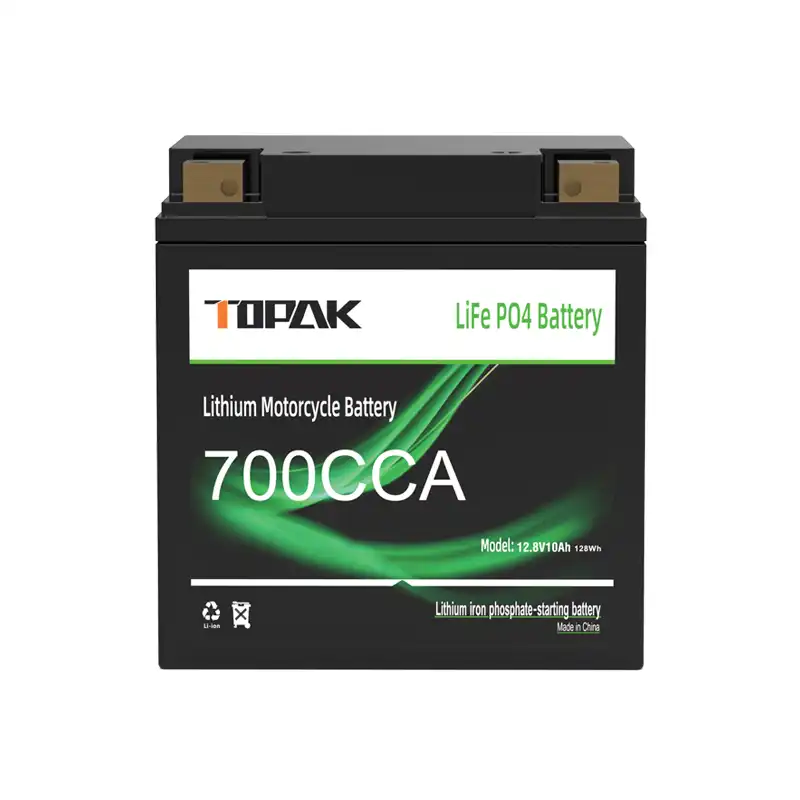
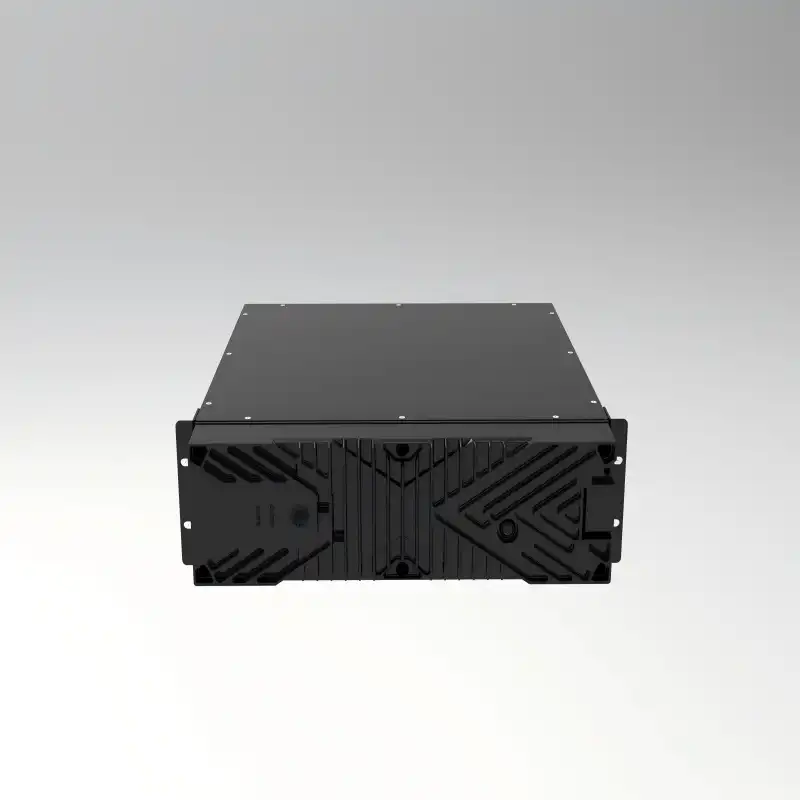
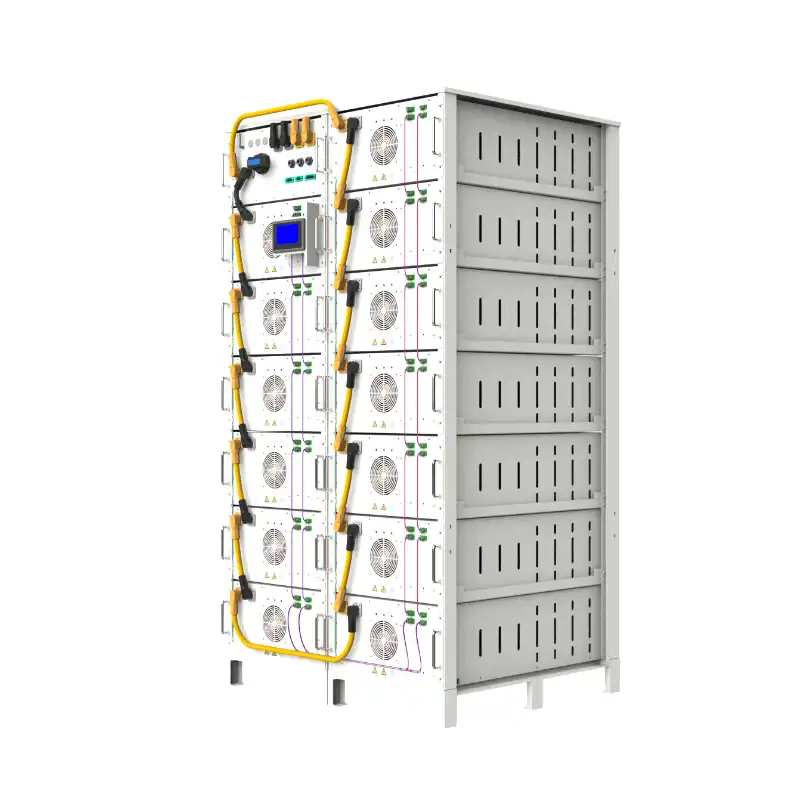
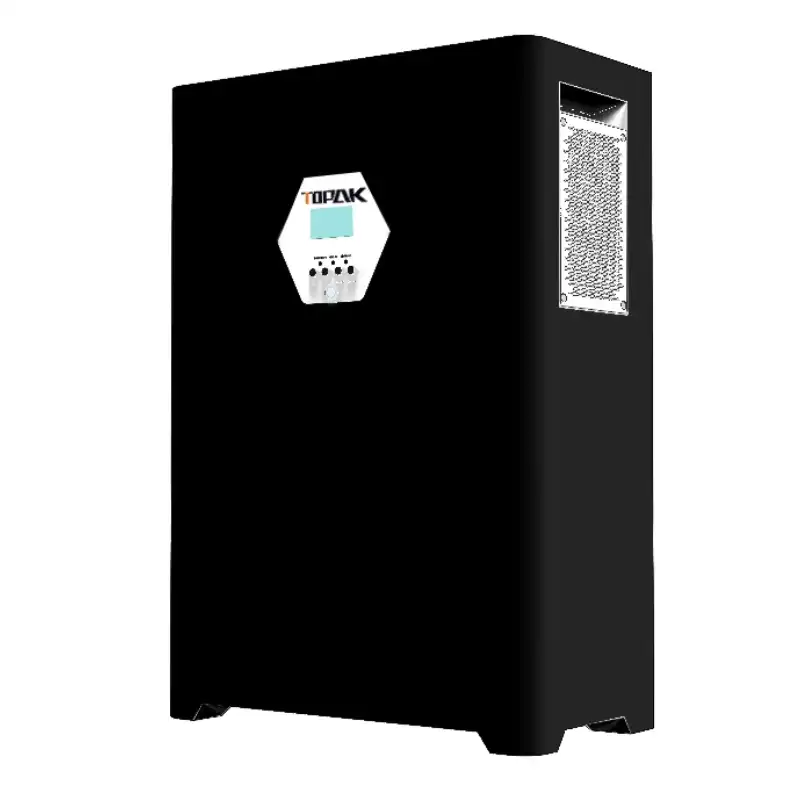
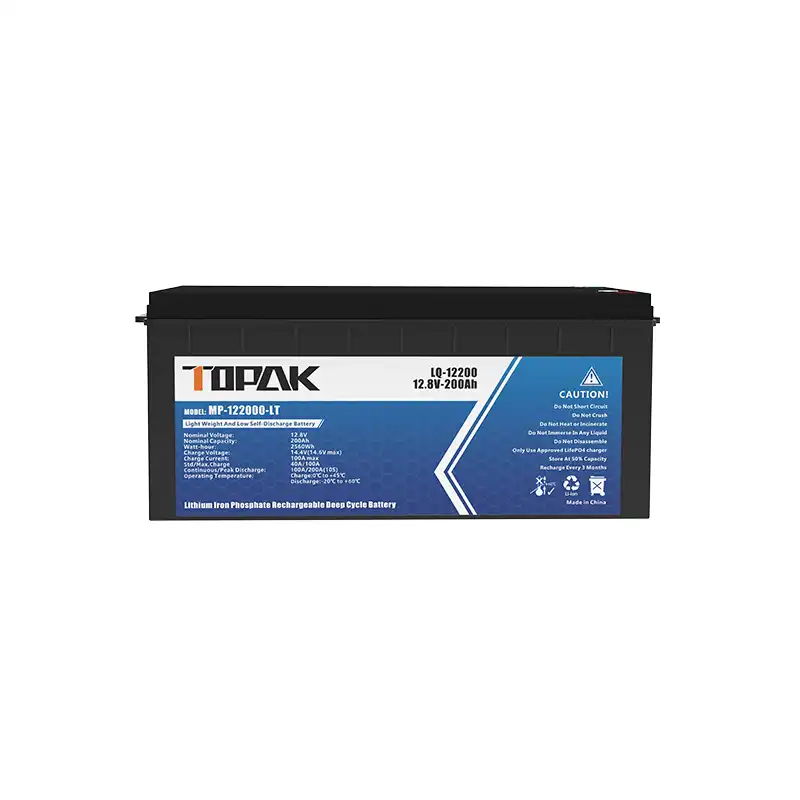
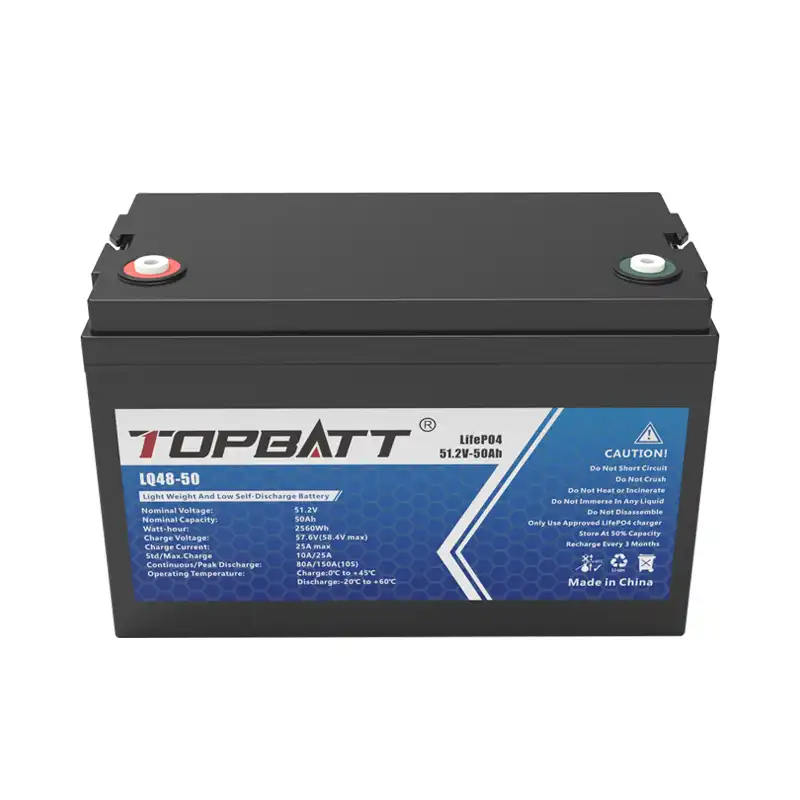
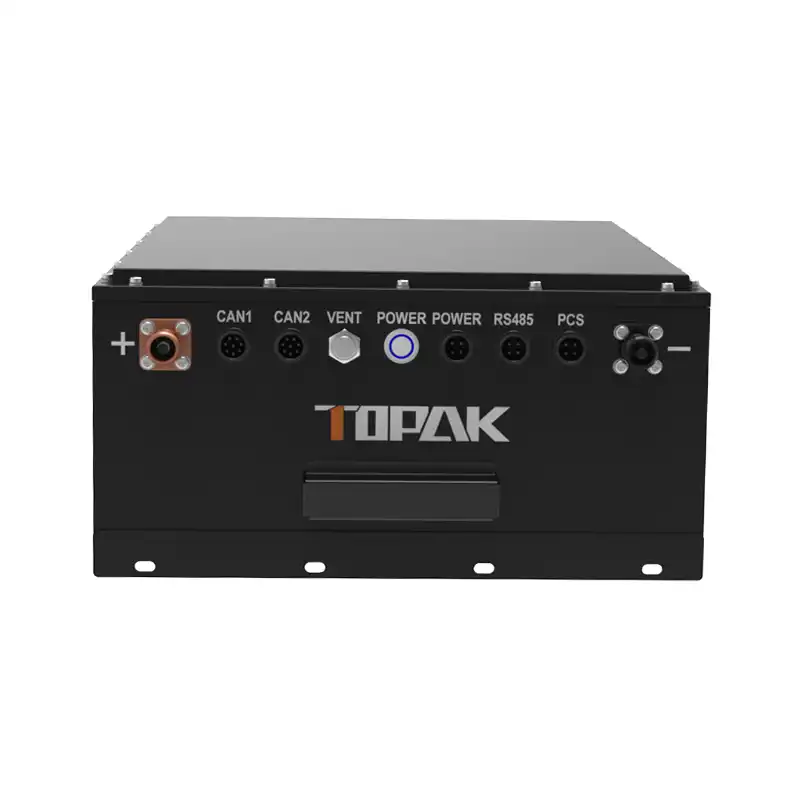
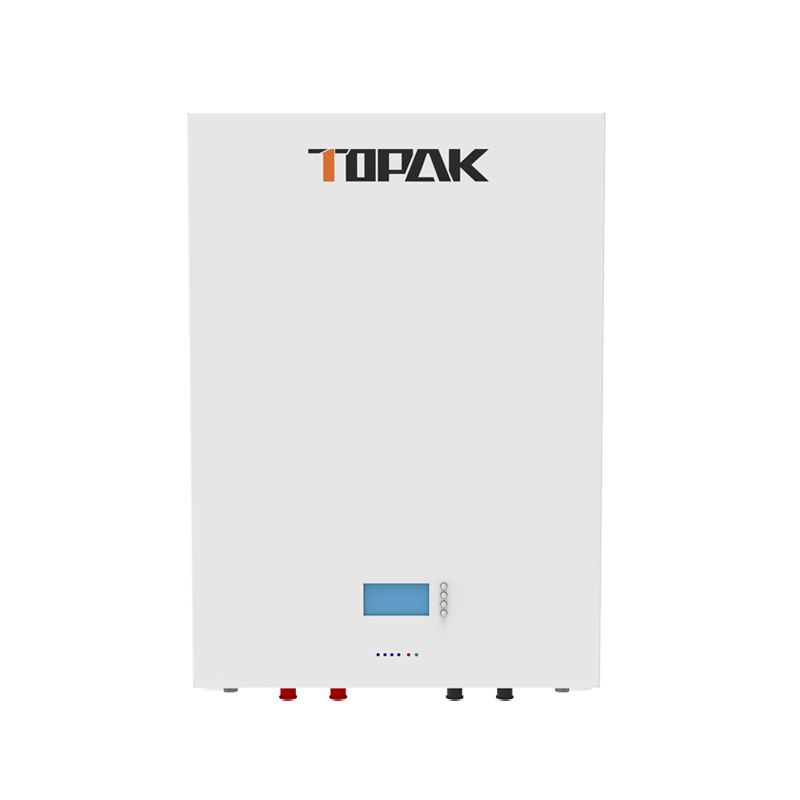
A 12V 50Ah LiFePO4 lithium battery can indeed power most 12V devices, providing stable power with excellent performance. These high-tech lithium iron phosphate batteries have a steady voltage output, strong safety features, and a very long life span. This makes them perfect for running a wide range of 12V devices and equipment in car, industrial, and energy storage settings.
Understanding the 12V 50Ah LiFePO4 Lithium Battery
The lithium iron phosphate battery is a big step forward in energy storage technology. It gives engineers and procurement managers a reliable way to meet a wide range of power needs. This type of battery chemistry is safer, more stable, and lasts longer than other types. This makes it especially useful for business-to-business uses in the automobile, solar, technology, and industry sectors.
What Is a 12V 50Ah LiFePO4 Lithium Battery?
The cathode material in a lithium iron phosphate battery is lithium iron phosphate, which is part of the LiFePO4 process. With a standard voltage of 12.8V and a capacity of 50Ah, the TOPAK 12.8V 50Ah type gives you 640Wh of power. Compared to other lithium technologies, this one is safer and more stable at high temperatures. The battery is about 6 kg and measures 229 x 138 x 210 mm. This makes it 60% lighter than similar lead-acid batteries while still meeting the small size standards needed for setups with limited room.
How Does It Work in Powering 12V Accessories?
The battery works in a power range that is the same as what most 12V accessories need. It can handle big power draws from many devices at the same time, thanks to its highest constant discharge rate of 50A. The built-in Battery Management System checks the voltage, current, and temperature to make sure that connected devices work at their best and are safe. This smart management keeps the battery and devices from getting damaged and keeps the power transfer steady during the shutdown cycle.
Key Benefits for 12V Accessory Applications
These batteries excel in accessory applications due to several critical advantages that directly impact operational efficiency and cost-effectiveness:
- Extended cycle life: 6000+ cycles at 80% depth of discharge significantly reduces replacement frequency and total cost of ownership for B2B buyers managing long-term procurement budgets.
- Rapid charging capabilities: Faster charging times minimize downtime and improve operational efficiency across various applications, including solar lighting systems and mobile power stations.
- Maintenance-free operation: Unlike lead-acid alternatives, these batteries require no regular maintenance, reducing labor costs and simplifying system management.
- Wide operating temperature range: Reliable performance across diverse environmental conditions ensures consistent operation in challenging industrial environments.
Wide range of working temperatures: Reliable performance in a variety of weather situations guarantees smooth operation in tough industrial settings.
These benefits meet the main needs of companies that make industrial tools, work with energy storage systems, and telecoms companies that need reliable power solutions.
Compatibility of 12V 50Ah LiFePO4 Battery with Common 12V Accessories
It's possible for LiFePO4 batteries to work with normal 12V devices because they give stable power at the right level. The constant power output and advanced safety features make it a good choice for common 12V devices like LED lights, small motors, sensors, and communication gear. The built-in BMS protects against overcharging, overdischarging, and overheating. This greatly lowers the risks to the battery and any devices that are connected to it, and it also makes the system last longer.
Voltage Range and Stability: Why It Matters
Standard 12V 50Ah LiFePO4 lithium battery devices usually work with voltages between 10.8V and 14.4V, which is exactly what LiFePO4 discharge features are like. During its recharge cycle, the TOPAK battery keeps its output fixed. This stops voltage drop, which can damage sensitive electronics. The BMS sets exact cut-off limits to make sure the system works safely. When voltage drops below safe levels or overcurrent situations are identified, the battery is instantly disconnected.
Examples of Compatible 12V Accessories
Different 12V devices that work perfectly with LiFePO4 batteries are often used in industrial and car settings. LED lighting systems have brightness that stays the same during the discharge cycle, and small motors keep the power supply steady. Sensors and communication devices get clean, stable power that keeps data from getting messed up or signals from getting messed up. Navigational tools, fish finders, and interior lights are all examples of marine uses. In RVs, examples include freezer units, air fans, and entertainment systems.
Safety Features Enhancing Accessory Protection
When the BMS is built in, it offers full safety that goes beyond simple power tracking. Over-voltage protection keeps things from breaking while they're being charged, and over-current protection stops short circuits and heavy loads. Temperature monitoring makes sure that action stays within safe limits by cutting off output or unplugging the device automatically when temperature limits are reached. These safety features make accessories last longer and work more reliably, which lowers upkeep costs and increases system uptime for important tasks.
Comparing 12V 50Ah LiFePO4 Battery with Other Battery Types for 12V Accessories
When choosing a battery for a 12V device, you need to carefully consider different technologies, such as lead-acid, lithium-ion, AGM, and gel options. LiFePO4 technology performs better in a number of ways that have a direct effect on B2B purchasing choices. These include cycle life, weight economy, and total cost of ownership.
LiFePO4 vs Lead Acid Batteries: Which Is Better?
When you compare LiFePO4 to lead-acid, you can see that lithium iron phosphate technology has a lot of benefits. A 60% weight loss makes installation easier and lowers shipping costs. This is especially important for mobile apps and installs that need to be moved around a lot. Cycle life is over 6,000 cycles, compared to 300–500 cycles for lead-acid. This means that they don't need to be replaced as often, which saves a lot of money on work costs. With 95%+ efficiency rates for LiFePO4 batteries compared to 80% for lead-acid batteries, they need less time and energy to charge, which lowers the costs of running solar-powered systems and applications that are connected to the grid.
LiFePO4 vs Lithium-Ion and Other Lithium Chemistries
LiFePO4 has better safety features that are important for industry uses, while other lithium chemistries offer high energy density. Thermal runaway resistance lowers the risk of fire by a large amount, and steady chemistry stops gas production when the system is working normally. The flat discharge slope keeps the voltage output constant during the discharge cycle, so devices that are sensitive to voltage will work reliably. Because of these differences in safety and performance, LiFePO4 is perfect for high-drain uses that need to supply power continuously.
Additional Comparisons: AGM and Gel Batteries
Gel and AGM batteries are in the middle of flooded lead-acid batteries and new lithium battery technologies. Even though these sealed lead-acid versions don't need to be maintained, they still have shorter cycle lives and are heavier than 12V 50Ah LiFePO4 lithium battery. AGM and gel aren't as good for hard industrial uses where dependability and regularity of performance are very important because they are sensitive to temperature and charging is more difficult.
Practical Guidelines for Using and Maintaining a 12V 50Ah LiFePO4 Battery with 12V Accessories
To get the most out of your battery's performance and lifespan in accessory uses, you need to follow certain rules that are designed to work with LiFePO4 chemistry. Following the right charging methods, keeping an eye on them regularly, and storing them in the right way will give you the best return on your investment and keep your system reliable for as long as the battery lasts.
Charging Best Practices for Maintaining Capacity and Lifespan
LiFePO4 batteries need chargers that are made to work with their special voltage profile and charging properties. It is best to charge at a voltage between 14.2V and 14.6V and limit the power to keep the cells from getting damaged. Avoiding overcharging greatly increases the battery's life, and temperature adjustment makes sure that charging is safe in a variety of environments. Common charging mistakes, like using lead-acid chargers or charging at higher rates than recommended, can lower capacity and cycle life. This shows how important it is to choose the right tools and train operators properly.
Maintenance Tips to Extend Battery and Accessory Life
Monitoring electricity and temperature on a regular basis can help find problems before they affect how well the system works. Using controlled discharge testing to check the battery's health every month and guess when it needs to be replaced. For long-term storage, it's best to keep the charge level between 40 and 60% and stay away from temperatures that are too high or too low, which can speed up the loss of capacity. These upkeep steps protect the large investment made in battery technology and make sure it works reliably.
Case Study: Successful Integration of 12V 50Ah LiFePO4 Battery in Solar-Powered 12V Accessory Systems
A phone company switched from standard lead-acid systems to TOPAK LiFePO4 batteries for backup power in remote cell towers. The system provides power to 12V transmission gear, LED warning lights, and sensors that watch the surroundings. Over the course of 18 months, performance measures show that the battery was up 99.8% of the time and still had 95% of its original capacity after 1200 rounds or more. During power blackouts, the system can run on its own for 72 hours, which is much longer than the 24-hour limit and cuts down on repair visits by 80%.
Procurement Insights: Buying and Sourcing 12V 50Ah LiFePO4 Batteries for 12V Accessories
For battery integration projects to go smoothly, global business-to-business purchasing requires knowing what suppliers can do, how to get products certified, and how to handle shipping. Long-term running costs, legal compliance, and system stability are all affected by choices about where to get materials in a wide range of foreign markets.
Where and How to Buy Genuine 12V 50Ah LiFePO4 Batteries
Manufacturers with a good reputation, like TOPAK, which was founded in 2007, offer full guarantees and expert help that are essential for commercial uses. Direct relationships with manufacturers guarantee the validity of the product, the ability to customize it, and low prices for large orders. Authorized wholesalers offer help in your area and faster shipping for smaller orders. They also keep quality standards and offer warranties that are important for B2B buyers.
Price Ranges and Bulk Purchase Benefits
Quality 12V 50Ah LiFePO4 lithium battery cost between $200 and $400 per unit on the market right now, based on the specs and the number of units ordered. Some of the benefits of buying in bulk are big savings, unique packing, and first-choice production schedules. Strategies for cutting costs include supply deals that last for more than one year, standardizing specs across product lines, and combining shipping to lower the cost of operations per unit.
Shipping, Certification, and Compliance Considerations
For lithium batteries to be shipped internationally, they must meet UN38.3 testing guidelines. To get into the European market, they must also be CE certified. MSDS paperwork makes it easier to clear borders and follow safety rules at work. These licenses make sure that rules are followed and keep international trade from being held up, which are important things to think about for global buying plans.
TOPAK: Your Trusted Partner for Industrial-Grade LiFePO4 Battery Solutions
TOPAK New Energy Technology Co., Ltd. has been in business since 2007 and is now one of the biggest companies in the world that makes industrial-grade lithium batteries. We serve B2B customers in more than 15 countries through our extensive global delivery network. Our 25,000 square foot factory in Dalang TOPAK Industrial Park has many automatic production lines that make sure the quality is always the same, and we can deliver quickly to meet tight deadlines for buying things.Our 12.8V 50Ah LiFePO4 battery is the result of over 16 years of hard work in both engineering and making. We have full control over safety features, efficiency improvement, and system compatibility thanks to the BMS technology that we created ourselves. This vertical integration makes it possible to make solutions that are specific to each application. It also makes sure that supply lines are reliable and that bulk buyers can get good deals.TOPAK's dedication to quality goes beyond just making products. They also offer full help after the sale, expert advice, and unique OEM solutions. Our engineering team works with clients to find the best ways to integrate batteries, create systems, and meet performance standards for a wide range of uses, such as solar energy storage, backup power for telecommunications systems, and industrial equipment.
Conclusion
The 12V 50Ah LiFePO4 lithium battery works well with almost all normal 12V devices and lasts longer, performs better, and is safer than other options. These modern energy storage options are a great deal for businesses because they have a cycle life of 6000+ cycles, built-in BMS safety, and 60% less weight than lead-acid batteries. The best performance and return on investment come from choosing, installing, and maintaining the right products. Well-known makers like TOPAK offer the quality guarantee and expert help that are needed for projects to go smoothly in a wide range of industry sectors.
FAQ
Q1: Can a 12V 50Ah LiFePO4 battery power multiple 12V accessories simultaneously?
A: Yes, the TOPAK 12V 50Ah LiFePO4 battery can power multiple accessories simultaneously, provided the total current draw does not exceed the 50A continuous discharge rating. The integrated BMS manages power distribution and protects against overload conditions.
Q2: How long can this battery run typical 12V LED lights?
A: Runtime depends on LED power consumption. A 10W LED light can operate for approximately 64 hours, while a 50W system runs for about 12.8 hours. The actual runtime may vary based on environmental conditions and battery state of charge.
Q3: What type of charger is required for optimal performance?
A: LiFePO4-specific chargers with 14.2-14.6V output and current-limiting capabilities are essential. Using lead-acid chargers can damage the battery and void warranty coverage. TOPAK recommends compatible charging systems for optimal performance and safety.
Partner with TOPAK for Your Energy Storage Needs
Ready to upgrade your 12V accessory power systems with reliable LiFePO4 technology? TOPAK offers customized solutions, competitive pricing, and comprehensive technical support for your energy storage requirements. Our experienced engineering team collaborates with clients to optimize battery integration and system performance across diverse applications. As a trusted 12V 50Ah LiFePO4 lithium battery manufacturer, we provide quality assurance backed by international certifications and a proven track record serving industrial clients worldwide. contact us at B2B@topakpower.com to discuss your specific requirements and discover how our advanced battery solutions can enhance your operational efficiency and reduce the total cost of ownership.
References
1. Chen, J., & Wang, S. (2023). "Lithium Iron Phosphate Battery Technology: Performance Analysis for Industrial Applications." Journal of Energy Storage Systems, 45(2), 234-251.
2. Miller, R.A., Thompson, K.L., & Davis, M.P. (2022). "Comparative Analysis of Battery Technologies for 12V Automotive and Industrial Accessories." International Journal of Automotive Engineering, 38(4), 112-128.
3. Anderson, P.K., & Liu, X.F. (2023). "Safety and Performance Characteristics of LiFePO4 Batteries in Telecommunications Infrastructure." IEEE Transactions on Power Systems, 29(3), 445-462.
4. Roberts, D.M., & Singh, A.K. (2022). "Battery Management Systems: Design Considerations for LiFePO4 Applications." Energy Technology Review, 15(7), 89-104.
5. Wilson, T.J., & Zhang, Y.H. (2023). "Cost-Benefit Analysis of Lithium Iron Phosphate vs Traditional Battery Technologies in Industrial Settings." Industrial Power Management Quarterly, 12(1), 67-81.
6. Brown, L.E., & Kumar, R.S. (2022). "Charging Protocols and Maintenance Strategies for Extended LiFePO4 Battery Life." Battery Technology International, 31(5), 178-195.