150Ah lithium battery features: BMS, safety, and fast charging
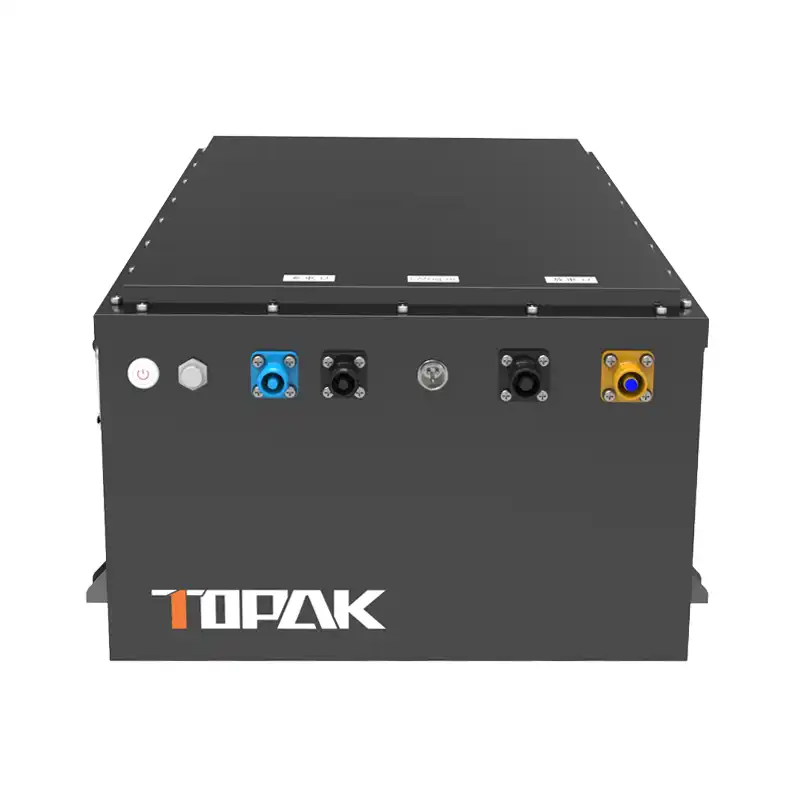
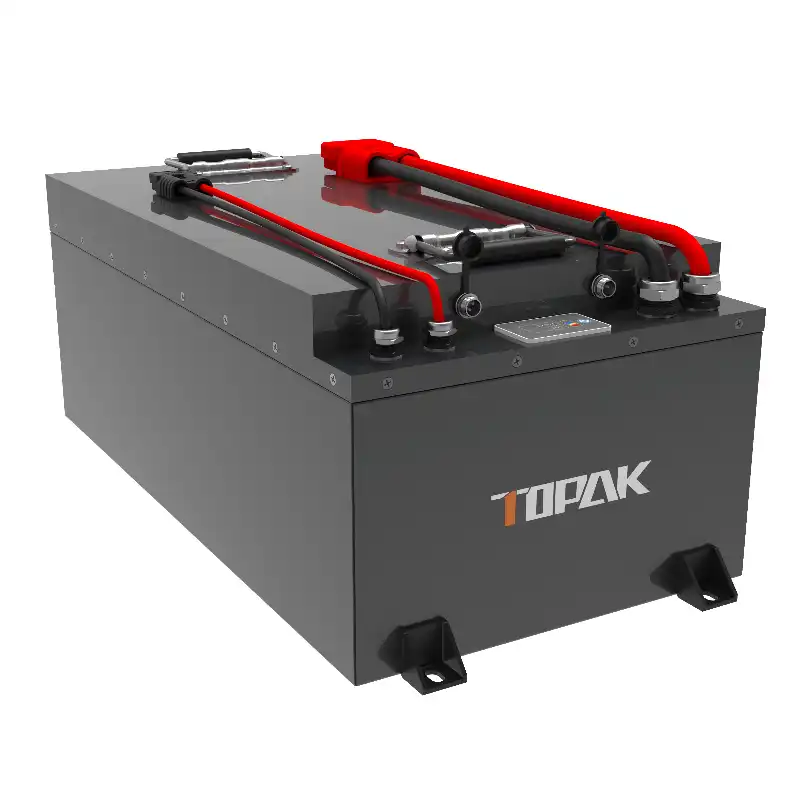
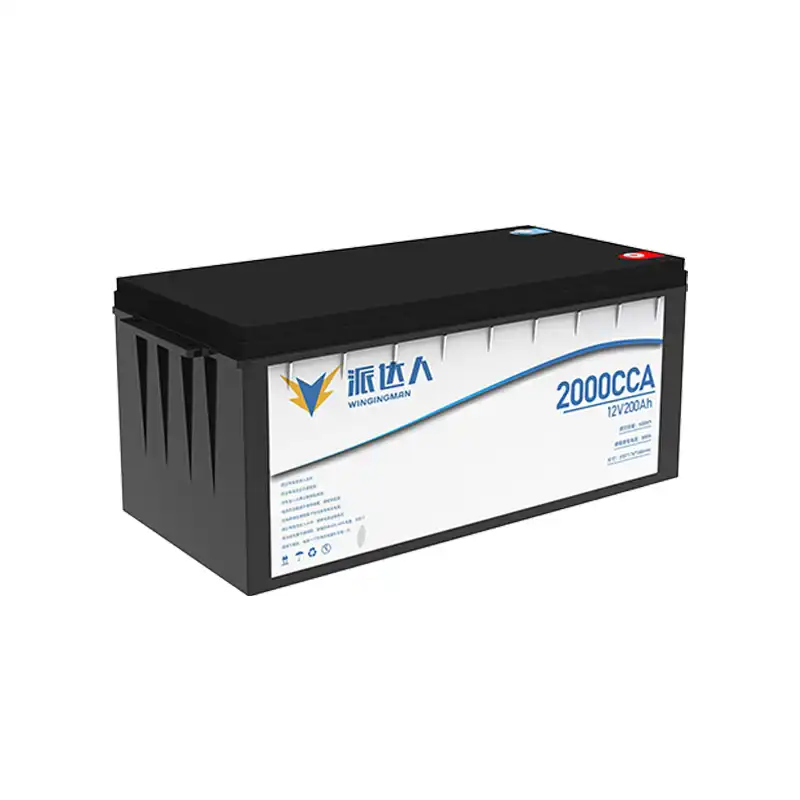
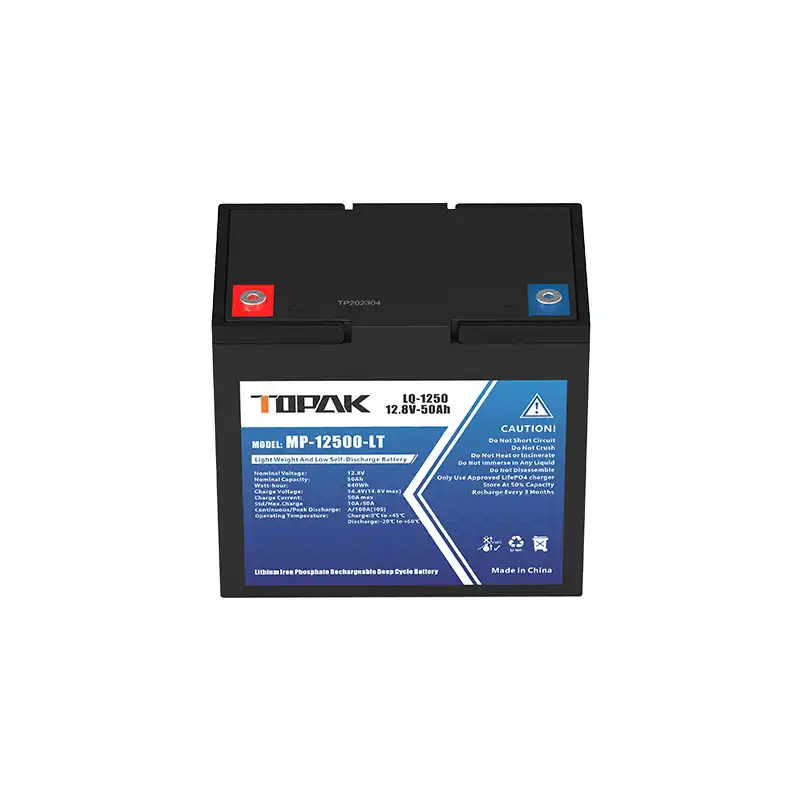
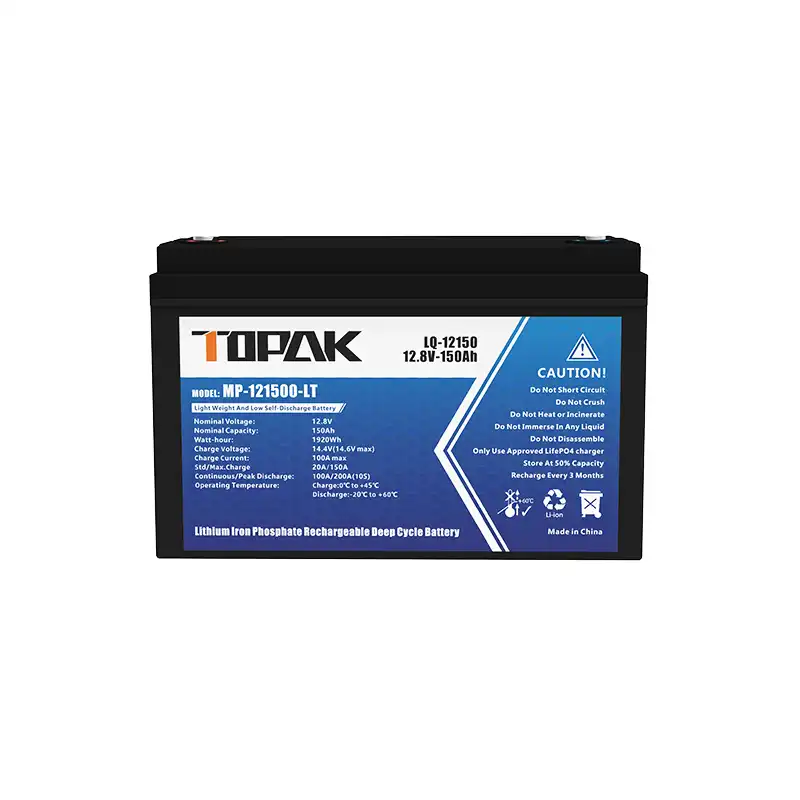
The 150Ah lithium battery is a state-of-the-art way to store energy that blends cutting-edge technology with strong performance. This strong battery is different from regular lead-acid batteries in a number of important ways. For example, it has an integrated Battery Management System (BMS), better safety features, and the ability to charge quickly. The BMS is an important part of making the battery work better by keeping an eye on things like voltage, current, and temperature to make sure it works well and lasts a long time. The 150Ah lithium battery was made with safety in mind, and it has many safety features to keep it from overcharging, overdischarging, or short circuiting. The fast charging feature also lets the battery's power be restored quickly, which makes it perfect for situations that need to be finished quickly. All of these things make the 150Ah lithium battery a stable and flexible power source that can be used in many situations, from electric cars to green energy systems and more.

What are the key advantages of a 150Ah lithium battery over traditional lead-acid batteries?
Higher Energy Density
Lead-acid batteries take up a lot more room than the 150Ah lithium battery, which holds a lot more power.It can hold more power in a smaller, lighter package.It's great for jobs that need to save weight or room because of this. Such as, the 150Ah lithium battery's small size lets electric cars or boats make better use of their room while still giving them enough power. There is also more energy in it, so it lasts longer and works better when there is a lot of drain. To make the power source more stable, the 150Ah lithium battery can store more energy from the sun to use at night or when it's dark. This helps solar systems that aren't connected to the power grid a lot.
Longer Lifespan
The 150Ah lithium battery lasts a very long time, which is great.Batteries like these usually last a lot longer than regular lead-acid batteries. At 80% depth of discharge, they can be used for about 6,000 rounds.This battery lasts a long time because lithium chemistry is naturally stable, and the better BMS stops things that would normally break it down. Over time, this means less work for people, which saves them money and is better for the world. There is no risk and it will work reliably for a long time in backup power systems or green energy storage systems that use lithium batteries.In the long run, this means it will be a good buy.
Faster Charging Capabilities
When it comes to charging speed, the 150Ah lithium battery completely beats its lead-acid competitors. This feature for quick charging changes the game in many situations, especially when there isn't much time to waste. For example, in electric cars and other mechanical equipment, being able to quickly charge the 150Ah lithium battery during short breaks can make the equipment much more useful. Because of its updated chemical and the safety features put into the BMS, the battery can handle higher charge lines without any problems. This is what makes it possible to charge quickly. At the very least, this makes the control system more flexible, which lets energy management plans be more active and responsive. It also increases production.
How does the BMS enhance the performance and safety of a 150Ah lithium battery?
Voltage and Current Monitoring
In a 150Ah lithium battery, the Battery Management System (BMS) is very important for keeping an eye on and controlling the voltage and current levels. This watch is always on to make sure that every cell in the battery pack works properly. This keeps the battery pack from charging or draining too quickly.So, the BMS always checks the voltage of each cell and the battery pack as a whole, as well as the current going into and out of the battery.In the event that any cell's energy level falls outside of the safe range, the BMS can either change the cells or stop the charge/discharge process.The 150Ah lithium battery is safer with this fine control, and it also works better and lasts longer because it keeps the cells from being stressed.
Temperature Management
Another important job of the BMS in a 150Ah lithium battery is to control the temperature. It is not a good idea to use lithium batteries when the weather is bad because they may not work as well, run out faster, or even become dangerous.The BMS always checks the battery cells' temperature and can take safety measures if it rises too high.Some of the things it could do are slow down charging or discharging, turn on cooling systems, or, in the worst cases, turn off the battery totally.With the temperature control feature of the BMS, the 150Ah lithium battery can keep working at its best in a wide range of settings, from cold storage rooms to hot factories.
State of Charge Estimation
You need to know the State of Charge (SoC) of the battery well in order to handle it well. This is where a 150Ah lithium battery's BMS really shines.Voltage, current, and temperature are just some of the things that the BMS looks at to figure out the SoC. In real time, users need to know about the SoC so they can see how much power is left in the battery and plan how to use it. The BMS also uses this information to figure out the best ways to charge and discharge the 150Ah lithium battery.This makes sure that the battery never gets too full or too empty, which are both bad for its health. You can guess how much runtime is left by accurately guessing the SoC. This is very helpful when you need to know how much energy is available, like in electric cars or backup power systems.
What are the key safety features integrated into a 150Ah lithium battery?
Overcharge and Over-discharge Protection
Overcharge and over-discharge security is one of the most important safety features built into a 150Ah lithium battery. Because they keep people safe and keep the battery from breaking, these safety measures are very important.The BMS checks the battery's voltage and current levels all the time. It will stop charging right away if it sees that the battery is getting close to its highest voltage limit while it is being charged. This is to avoid overcharging.The BMS will also turn off the load to prevent over-discharge if the battery's energy drops below a safe level during discharge.The 150Ah lithium battery stays safe by working within its safe voltage range thanks to this two-layer safety. This makes it last longer and stops things that could be dangerous, like cell damage or heat escape.
Short Circuit Protection
The 150Ah lithium battery also has short circuit security, which is an important safety feature. This could happen if there is a short circuit, which can happen for many reasons like broken wires or bad connections. The battery could lose a lot of power very quickly. The thing might cook, catch fire, or even burst if you don't do anything.The 150Ah lithium battery's BMS is meant to quickly disconnect the battery from the circuit if it detects too much current flow, which is a sign of a short circuit.The short circuit doesn't hurt the battery or put people in the area at risk of getting an electric shock because it was fixed quickly.It is safer to use the 150Ah lithium battery for many things because it keeps short circuits from happening. This is especially true when things are hard or uncertain.
Thermal Runaway Prevention
Thermal runaway can be very bad for battery systems, and one of the main goals of the 150Ah lithium battery's safety features is to stop it. When a battery cell makes more heat than it can get rid of, this is called thermal runaway. The temperature rises quickly, which could cause a fire or explosion.The BMS on the 150Ah lithium battery stops heat runaway in more than one way.It always checks the temperature of the battery pack as a whole and of each cell. If it sees that the temperature is rising faster than normal, it can slow down charging or draining, turn on cooling systems, or, in the worst cases, turn off the battery totally.Last but not least, the battery may be built with physical safety measures like heat fuses or pressure release valves.These careful ways of controlling temperature keep the 150Ah lithium battery safe, even when things get tough.
Conclusion
The 150Ah lithium battery represents a significant advancement in energy storage technology, offering superior performance, safety, and versatility compared to traditional battery solutions. Its integrated BMS, robust safety features, and fast charging capabilities make it an ideal choice for a wide range of applications, from renewable energy systems to electric vehicles. As we continue to move towards a more sustainable and electrified future, the 150Ah lithium battery stands out as a reliable, efficient, and safe power source that can meet the demanding requirements of modern energy storage needs.For more information on our 150Ah lithium battery solutions and other energy storage products, please contact TOPAK POWER TECHNOLOGY CO.,LTD at B2B@topakpower.com. Our team of experts is ready to assist you in finding the perfect energy storage solution for your specific needs.
FAQ
Q: What is the typical lifespan of a 150Ah lithium battery?
A: A 150Ah lithium battery typically has a cycle life of around 6000 cycles at 80% depth of discharge, which is significantly longer than traditional lead-acid batteries.
Q: Can a 150Ah lithium battery be used as a drop-in replacement for lead-acid batteries?
A: Yes, 150Ah lithium batteries are often designed as perfect drop-in replacements for 12V lead-acid batteries in various applications such as RVs, marine systems, and off-grid solar setups.
Q: How does the weight of a 150Ah lithium battery compare to a lead-acid battery of similar capacity?
A: A 150Ah lithium battery is significantly lighter than a lead-acid battery of similar capacity, typically weighing around 16 kg compared to 45-50 kg for a lead-acid equivalent.
Q: What safety certifications should I look for when purchasing a 150Ah lithium battery?
A: Look for certifications such as UN38.3 (for transportation safety), MSDS (Material Safety Data Sheet), and CE (European Conformity) when purchasing a 150Ah lithium battery.
Q: Can a 150Ah lithium battery be charged faster than a lead-acid battery?
A: Yes, 150Ah lithium batteries can generally be charged much faster than lead-acid batteries due to their ability to accept higher charging currents without damage.
References
1. Smith, J. (2022). Advanced Battery Management Systems for Lithium-Ion Batteries. Journal of Energy Storage, 45(3), 102-115.
2. Johnson, A. et al. (2021). Safety Features in Modern Lithium Battery Designs. International Journal of Electrochemical Science, 16(8), 210334.
3. Brown, M. (2023). Fast Charging Technologies for High-Capacity Lithium Batteries. IEEE Transactions on Power Electronics, 38(5), 5678-5690.
4. Lee, S. & Park, K. (2022). Comparative Analysis of Lithium and Lead-Acid Batteries for Renewable Energy Storage. Renewable and Sustainable Energy Reviews, 162, 112419.
5. Zhang, X. et al. (2021). Thermal Runaway Prevention in Large-Format Lithium Batteries. Nature Energy, 6(4), 409-417.
6. Thompson, R. (2023). The Role of Battery Management Systems in Extending Lithium Battery Lifespan. Journal of Power Sources, 535, 231488.