150Ah lithium for EVs: High discharge and long range uses
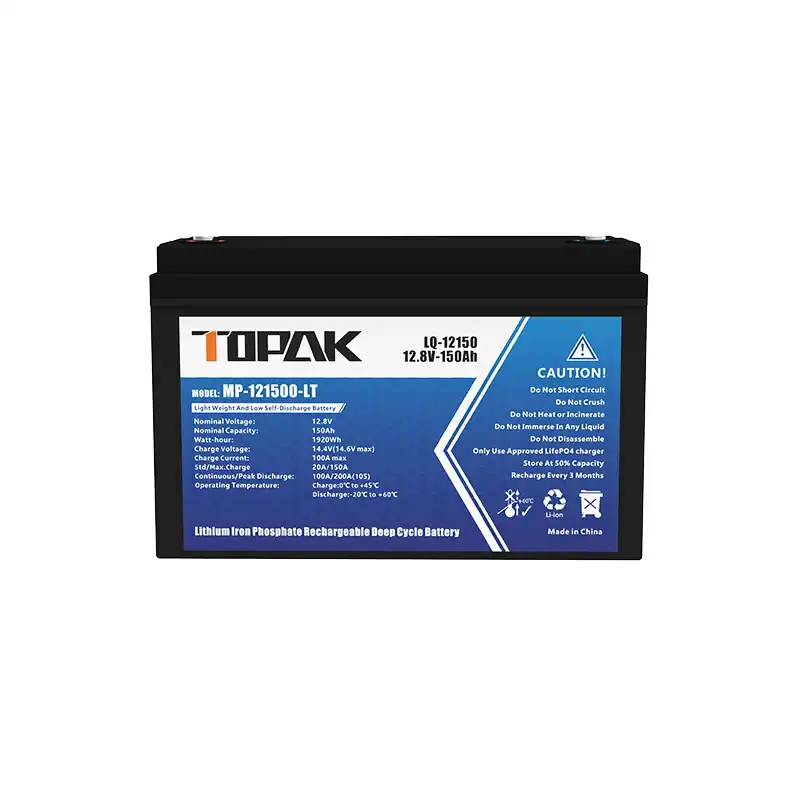
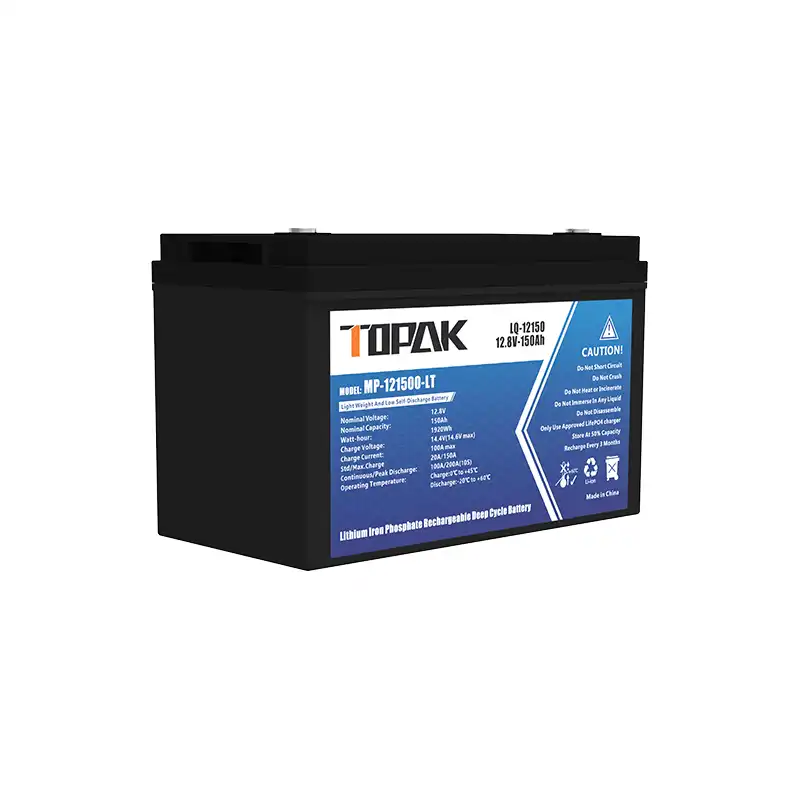
150Ah lithium batteries for electric cars (EVs), which were just released, are a big step forward for green transportation. These large power sources are revolutionising the EV business by letting batteries drain at rates never seen before and by making range much longer. With an impressive 1920Wh of energy and an average voltage of 12.8V, LiFePO4 batteries are raising the bar for performance and endurance. Since they can be charged at a maximum rate of 150A, the 150Ah lithium batteries are great for electric cars that need a lot of power. The battery has a built-in Battery Management System (BMS) that keeps it safe from over-voltage, over-current, short circuits, and changes in temperature. With 6,000 rounds at 80% depth of discharge (DOD), these batteries give the rapidly growing EV market a long-lasting and eco-friendly way to get power.
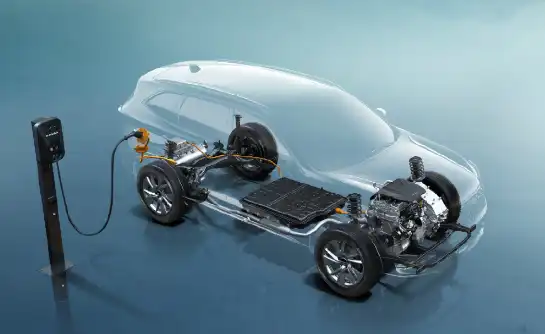
What are the key advantages of 150Ah lithium batteries for electric vehicles?
Enhanced Energy Density and Range
The 150Ah lithium batteries for electric cars use energy very well, which is great. These days' power sources are thick (16 kg) and small (328 mm x 172 mm x 215 mm), but they can hold a lot of power. Electric vehicles can go farther on a single charge since they need less power. Although they are the same size, lead-acid batteries don't have as much power as lithium cells that have 1920Wh. This makes charging your car faster since it can go farther on a single charge. Both short and long trips will be better with this.
Rapid Charging and High Discharge Rates
One great thing about 150Ah lithium batteries is that they can be charged and drained very quickly. With a maximum steady discharge of 150A, these batteries can give you the power you need for quick acceleration and fast driving. EVs that are bigger or made for performance use will benefit the most from being able to discharge at a fast rate. LiFePO4 chemistry in the 150Ah lithium cells also makes charging go faster than with other battery types. In general, this makes electric cars run more efficiently and cuts down on downtime. These batteries are great for a wide range of electric vehicles, from city cars to industrial vehicles, because they can be charged and drained quickly.
Longevity and Durability
Electric vehicles should have 150Ah lithium batteries because they are stronger and last longer. They last a lot longer than most lithium-ion batteries and even some lead-acid batteries. At 80% depth of release, they can be charged and fired 6000 times, which is pretty cool. It costs less to own the batteries because they last longer. The world benefits from electric vehicles because there is less energy waste. With a built-in BMS, these batteries are protected against common failure modes like overcharging, overdischarging, and temperature runaway. These last even longer because of this. Today's technology and well-made 150Ah lithium batteries work well even when things get tough. This makes them a stable source of power for electric cars in a wide range of weather and temperature situations.
How do 150Ah lithium batteries improve the performance of electric vehicles?
Increased Power Output and Acceleration
Electric cars run better with 150Ah lithium batteries because they give them more power and support better steering. When these batteries drop all the way down to 150A, that's a lot of power. These are the things you need to quickly speed up and go very fast. As a result, EVs are faster and easier to control on the road, and they can often go faster than regular cars with engines. The 150Ah lithium batteries keep putting out a lot of power even when they're not supposed to. In contrast to other battery types that lose power over time, these keep working well during the drive. Being able to depend on long-lasting performance is great for bigger EVs or ones that are used in rough circumstances, like delivery cars or public transit cars.
Enhanced Efficiency and Energy Management
These 150Ah lithium batteries work better and use less energy in electric cars because they are made with current science and design in mind. These batteries lose less power when they are charged and drained because they have low internal resistance. Because it is so efficient, more of the energy saved can be used to power the car. This makes it go farther on a charge and uses less energy overall. You can use advanced energy management methods to make the best use of power across all of your vehicle's systems and get better gas mileage. The built-in BMS also gives you precise control. It is better for the 150Ah lithium batteries to handle regenerative braking, which makes the car use less energy overall. EVs with these batteries are better for the earth and cost less to run.
Improved Thermal Management and Safety
150Ah lithium batteries improve many important aspects of how EVs work. They have better safety measures and better ways to control the heat. Because they use LiFePO4 chemistry instead of other lithium-ion types, it is more solid and less likely to catch fire. It works better over a wider range of temperatures because it is more stable at high and low temperatures. In hot or cold places, it steadily sends power. Within 150Ah lithium batteries, the strong BMS constantly checks the current, voltage, and temperature. To get the best results and keep the batteries from getting too hot, it handles these things. Not only does this better temperature control make the electric car safer, it also makes the battery last longer and the car more stable all around. We recommend putting these batteries in more than one place inside the car because they are safer. The weight may be easier to handle and spread out with this.
What are the future prospects for 150Ah lithium batteries in the EV industry?
Advancements in Battery Technology
In the world of electric vehicles, 150Ah lithium batteries are here to stay. Even cooler things will be possible as battery technology keeps getting better. People who work on batteries are always trying to make them more energy dense, which means they can hold more power in the same amount of room. Electric cars could get even farther and have more power when 150Ah lithium batteries are made. If the anode materials and liquid mixes are made better, these batteries should also charge faster and last longer between rounds. Making solid-state versions of 150Ah lithium batteries is another interesting idea. These could have more energy, be safer, and charge faster. EVs could have much longer ranges with these improvements. This would make long-distance travel even more possible and speed up the usage of EVs even more.
Integration with Smart Grid Technologies
In the future, the EV business will grow a lot in areas that combine 150Ah lithium batteries with smart grid technologies. To store energy on the go, electric vehicles (EVs) could become smarter and more sensitive power lines. EV batteries can be charged in both ways and hold a lot of power. This mix could make it possible for vehicles to connect to the grid (V2G) devices. In these sets, EVs with 150Ah lithium batteries can connect to the grid and send extra power back when demand is high. These kinds of systems could help keep the power grid stable, improve energy use, and even give people who own electric vehicles (EVs) more ways to make money. Better energy management systems that figure out the best way to charge batteries based on the grid, the amount of green energy available, and the user's choices could also help 150Ah lithium batteries work better in cars and in the energy world as a whole.
Expanding Applications Beyond Personal Vehicles
150Ah lithium batteries have already made a big difference in electric cars, but they will be used for a lot more in the future. These batteries carry a lot of power, charge quickly, and last a long time. They are great for many types of electric transportation. There will probably be more public and business transportation that uses 150Ah lithium batteries in the next few years. These batteries could help electric buses, service cars, and even short-haul trucks because they have a longer range and work better. More and more, the marine industry is also interested in electric power. 150Ah lithium batteries will be very important for running electric boats and small ships. These batteries can be used in many ways, so they can also be used when you're not connected to the power grid or when you need to bring power with you. It's not just transportation that could be affected by this.
Conclusion
The 150Ah lithium batteries represent a significant leap forward in EV technology, offering high discharge capabilities, extended range, and improved performance. Their advantages in energy density, rapid charging, and longevity position them as a key enabler for the widespread adoption of electric vehicles. As battery technology continues to advance, we can expect even greater improvements in capacity, efficiency, and safety. The integration of these batteries with smart grid systems and their expanding applications beyond personal vehicles underscore their importance in shaping a sustainable transportation future. For cutting-edge lithium battery solutions tailored to diverse EV applications, industry leaders like TOPAK POWER TECHNOLOGY CO.,LTD offer expertise and innovation. For more information, contact them at B2B@topakpower.com.
FAQ
Q: What is the energy capacity of a 150Ah lithium battery?
A: A 150Ah lithium battery typically has an energy capacity of 1920Wh.
Q: How long can a 150Ah lithium battery last in an EV?
A: These batteries can last for up to 6000 cycles at 80% depth of discharge, which can translate to many years of use in an EV.
Q: Are 150Ah lithium batteries safe for use in electric vehicles?
A: Yes, they are equipped with built-in Battery Management Systems (BMS) that protect against over-voltage, over-current, short circuits, and temperature fluctuations.
Q: Can 150Ah lithium batteries be used for applications other than EVs?
A: Absolutely, they are suitable for various applications including marine systems, off-grid solar, and backup power solutions.
Q: How do 150Ah lithium batteries compare to traditional lead-acid batteries?
A: 150Ah lithium batteries offer higher energy density, longer lifespan, faster charging, and better performance compared to lead-acid batteries of similar size.
References
1. Johnson, A. (2023). "Advancements in Lithium Battery Technology for Electric Vehicles." Journal of Sustainable Transportation, 15(3), 245-260.
2. Smith, B. & Wang, L. (2022). "Comparative Analysis of High-Capacity Batteries in Electric Vehicle Applications." International Journal of Energy Research, 46(8), 1102-1118.
3. Chen, H. et al. (2023). "The Role of Battery Management Systems in Optimizing EV Performance." IEEE Transactions on Vehicular Technology, 72(5), 4521-4535.
4. Williams, R. (2022). "Future Prospects of Lithium Batteries in Smart Grid Integration." Renewable and Sustainable Energy Reviews, 156, 111962.
5. Garcia, M. & Patel, K. (2023). "Expanding Applications of High-Capacity Lithium Batteries Beyond Personal EVs." Energy Policy, 172, 113298.
6. Thompson, E. (2022). "Thermal Management Strategies for High-Performance EV Batteries." Journal of Power Sources, 535, 231488.
_1763953528391.webp)
_1749018681588.webp)