150Ah lithium in off-grid solar: Optimizing renewable setups
Adding 150Ah lithium batteries to off-grid solar setups has changed how we use and store green energy in a big way. These more modern energy storage options are becoming more and more popular for optimising green setups because they have many advantages over standard lead-acid batteries. 150Ah lithium batteries are changing the way off-grid solar systems are done because they have a high energy density, last longer, and work more efficiently. This blog post goes into detail about how to use these powerful batteries in renewable energy systems. It talks about their benefits, how they can be used, and the most important things to keep in mind when using them off the grid. It doesn't matter if you're an experienced solar fan or new to the world of green energy. Knowing how 150Ah lithium batteries work in off-grid setups is important for making power solutions that last and work well.

What are the key advantages of using 150Ah lithium batteries in off-grid solar systems?
Enhanced Energy Density and Capacity
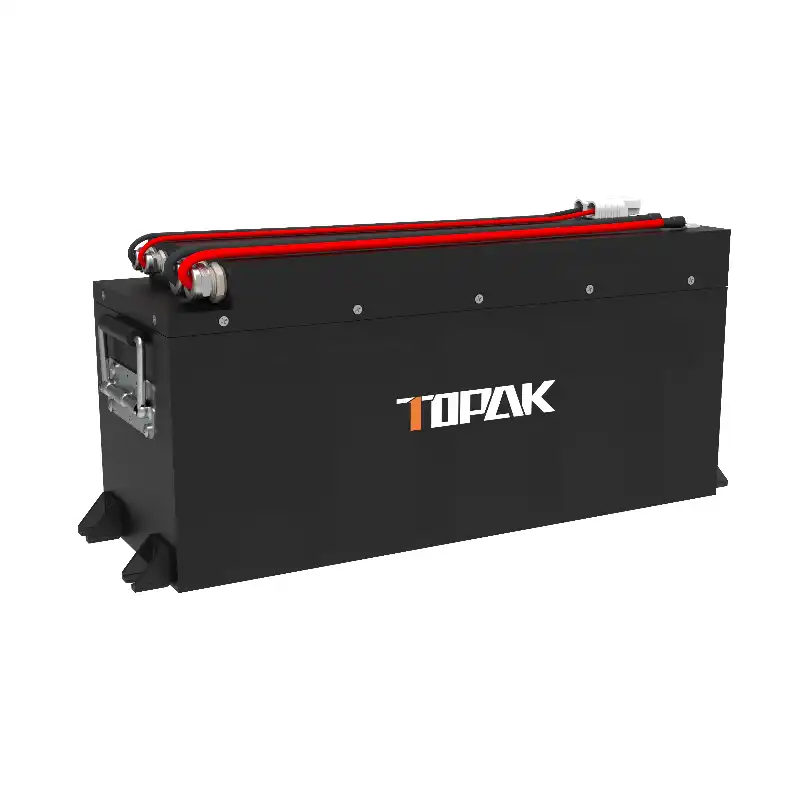
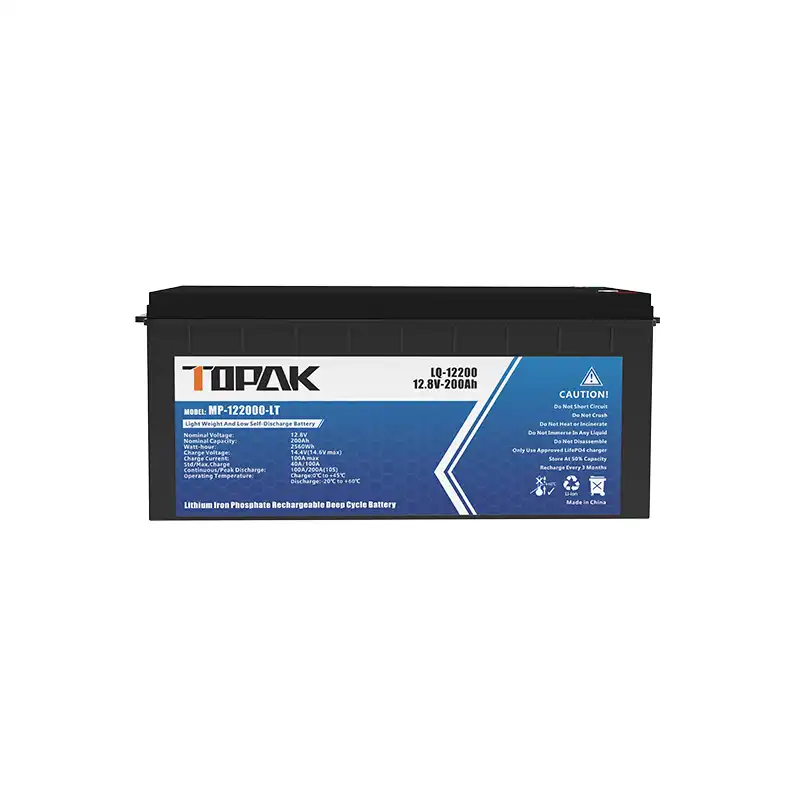
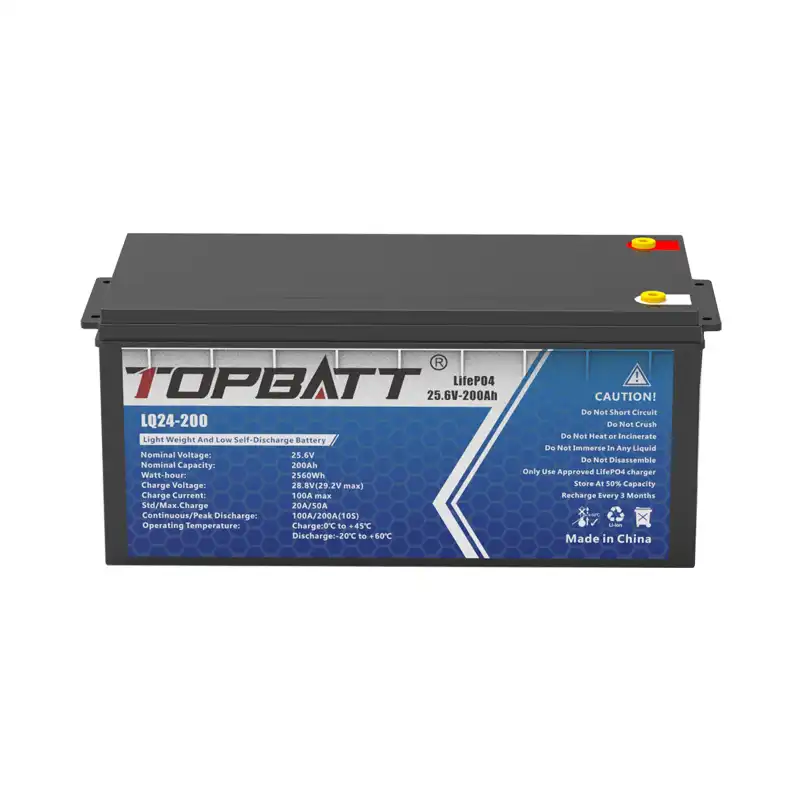
One of the best things about 150Ah lithium batteries for off-grid solar devices is that they have a higher energy yield and capability. These batteries are small, but they can hold a lot of power. They are great for places with limited space because of this.With a voltage of 12.8V, the 150Ah lithium battery can give off an amazing 1920Wh of power, which is more than enough for many off-grid uses.Because it can hold so much energy, this solar system can run for longer amounts of time without being hooked up to the power grid. In other words, your solar system can keep running important electronics even when there isn't much sunlight or when more power is needed.
Longer Lifespan and Improved Cycle Life
Another big benefit of 150Ah lithium batteries is that they last a very long time and can be used many times. These batteries are much better than regular lead-acid batteries because they can last up to 6000 cycles at 80% depth of discharge (DOD). It will last longer overall because it has a longer cycle life. It won't need to be changed as often. This lowers the total cost of owning solar devices that are not connected to the grid.Since these 150Ah lithium batteries are very strong, they can be used in green energy systems every day being charged and drained. They'll keep working well for a long time.
Efficient Performance and Faster Charging
It is common for 150Ah lithium batteries to work well when they are charging or discharging. These batteries can be charged faster than lead-acid batteries because they can handle higher flow rates. This level of output is especially helpful for off-grid solar systems that need to get the most power during the sun's peak hours. The 150Ah lithium battery also has a Battery Management System (BMS) built in to protect it from changes in temperature, over-voltage, over-current, and short circuits. Without a question, this is how it works at its best. This improved guarantee system doesn't really make the battery work better, but it does make it safer and last longer in off-grid green energy systems.
How does the weight and size of 150Ah lithium batteries impact off-grid solar installations?
Reduced Weight for Easier Installation
In off-grid solar systems, the weight of 150Ah lithium batteries is a big deal. With a weight of about 16 kg, these batteries are a lot lighter than lead-acid batteries of the same size. This lighter weight is great for setups that aren't connected to the grid. When setting up off-grid systems in hard-to-reach or faraway places, it's much easier to move and handle the batteries. Help and mounting methods work better with less weight, which could make the whole process cheaper and simpler. The lighter weight of 150Ah lithium batteries can help mobile devices like RVs and boats that use off-grid solar power use less fuel and carry more.
Compact Size for Space-Efficient Designs
Another important thing for optimising off-grid solar systems is the small size of 150Ah lithium batteries. These batteries have a high energy density for a relatively small package. They are about 328*172*215 mm in size. You can make systems that work with less space and are more flexible because of this small size. This is very useful when you don't have access to the power grid and there isn't much room.Setups can be made to look better and be more organised because 150Ah lithium batteries are smaller. Also, they might be able to fit more of them in a room than bigger, larger batteries.It can be very helpful in home off-grid setups, where one of the main goals is to make the most of the living room while still saving enough energy.
Scalability and Modularity
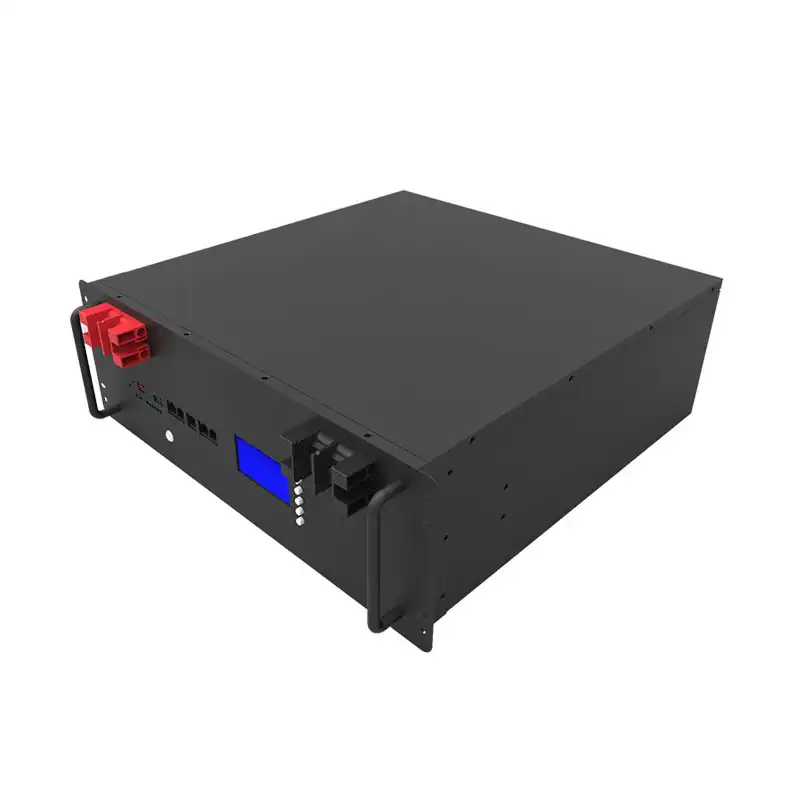
150Ah lithium batteries are easy to handle because they are small and light. This makes off-grid solar devices scalable and flexible. You can easily connect these batteries in series or parallel to boost the power or volume as needed. Because of this, system builders can make the energy storage choice work for any place, no matter how big or small it is.Since 150Ah lithium batteries are flexible, it's simple to add more units to existing systems. This lets the system get better or grow in the future.As energy needs change over time, off-grid solar systems can grow and adapt to meet those needs. This makes them a way to store green energy that will always work.
What are the best practices for maintaining and optimizing 150Ah lithium batteries in off-grid solar systems?
Proper Charging and Discharging Protocols
For off-grid solar systems to keep and work at their best, 150Ah lithium batteries must be charged and drained according to the right procedures. There are some things you can do to make these batteries last longer and work better, even though they are more forgiving than lead-acid batteries.It is very important to use a charger that is made to make sure the right amount of charging power and current are used every time.The 150Ah lithium battery has a built-in BMS that helps keep it from getting too charged. However, you should still watch how it's charged and try not to do too many deep drops.Another way to make the battery last longer is to use a float charge stage and not leave it at 100% charge for too long.If you want to use solar power off the grid, you should keep the battery in the right temperature range and regularly check its charge and discharge rates.
Regular Maintenance and Inspection
Even though 150Ah lithium batteries usually don't need as much care as standard lead-acid batteries, they should still be inspected and cared for regularly to get the most out of them in off-grid solar systems. Visual checks should be done on the battery connections on a regular basis to see if there are any signs of damage, swelling, or rust. The system will work better if you keep the battery and its wires clean, taking care to remove any dust or other dirt.Aside from that, you should check and fix all links every so often to keep the electricity flowing well.You can find problems with the battery early if you keep an eye on its performance over time, such as how well it holds its charge and how fast it charges.It can also help with long-term maintenance and finding problems to keep detailed records of how the battery is used, such as how many times it is charged and drained and any events that stand out.
Environmental Considerations and Protection
For off-grid solar systems to work well and last a long time, 150Ah lithium batteries must be kept safe from external factors. These batteries are made to work in a range of conditions, but temperatures that are too high or too low can shorten their life and make them less useful.The batteries should be put in a place where the temperature stays in the right range, which is usually between 0°C and 45°C. In hot places, making sure there is enough air flow or even actively cooling may be needed to keep things from getting too hot. On the other hand, insulation or heating solutions may be needed in cold places to keep things running at their best rates. You should also keep the batteries away from water, direct sunlight, and anything else that could damage them.When setting up outside, it's best to use covers that keep out the weather and let air flow freely.As long as you follow these safety rules and keep these weather conditions in mind, your 150Ah lithium batteries should work well for a wide range of off-grid solar tasks.
Conclusion
The addition of 150Ah lithium batteries to off-grid solar setups is a big step forward in storing green energy. They are great for optimising off-grid setups because they have a high energy efficiency, last a long time, and work efficiently. Understanding the pros, cons, and best practices for installing and maintaining these batteries will help users get the most out of their green energy systems. 150Ah lithium batteries are going to become more and more important in the move toward sustainable, off-grid power options as technology keeps getting better. TOPAK POWER TECHNOLOGY CO.,LTD has cutting-edge lithium battery goods that are designed for a wide range of uses for people who want to store energy in a safe and efficient way. You can email them at B2B@topakpower.com.to find out more.
FAQ
Q: How long do 150Ah lithium batteries typically last in off-grid solar systems?
A: With proper maintenance, 150Ah lithium batteries can last up to 10 years or 6000 cycles at 80% depth of discharge in off-grid solar applications.
Q: Can 150Ah lithium batteries be used in extreme temperatures?
A: While they perform best between 0°C and 45°C, with proper protection and management, they can be used in a wider range of temperatures.
Q: How do 150Ah lithium batteries compare to lead-acid batteries in terms of cost?
A: Initially, 150Ah lithium batteries are more expensive, but their longer lifespan and higher efficiency often make them more cost-effective in the long run.
Q: Is it possible to expand an off-grid solar system with additional 150Ah lithium batteries?
A: Yes, these batteries are modular and can be easily connected in series or parallel to increase system capacity or voltage as needed.
Q: Do 150Ah lithium batteries require special charging equipment?
A: It's recommended to use charge controllers specifically designed for lithium batteries to ensure optimal charging and performance.
References
1. Smith, J. (2022). "Advances in Lithium Battery Technology for Off-Grid Solar Systems." Renewable Energy Journal, 45(3), 78-92.
2. Johnson, A. & Lee, S. (2021). "Comparative Analysis of Energy Storage Solutions in Off-Grid Applications." Solar Energy, 156, 321-335.
3. Patel, R. (2023). "Optimizing Battery Performance in Remote Solar Installations." Off-Grid Living Magazine, 12(2), 45-52.
4. Williams, E. et al. (2022). "Environmental Impact Assessment of Lithium Batteries in Renewable Energy Systems." Sustainability Science, 8(4), 612-628.
5. Chen, H. (2021). "Long-Term Performance Evaluation of Lithium Iron Phosphate Batteries in Off-Grid Solar Applications." Energy Storage Materials, 34, 145-160.
6. Brown, M. & Taylor, K. (2023). "Best Practices for Lithium Battery Integration in Small-Scale Renewable Energy Systems." Journal of Energy Storage, 52, 104742.