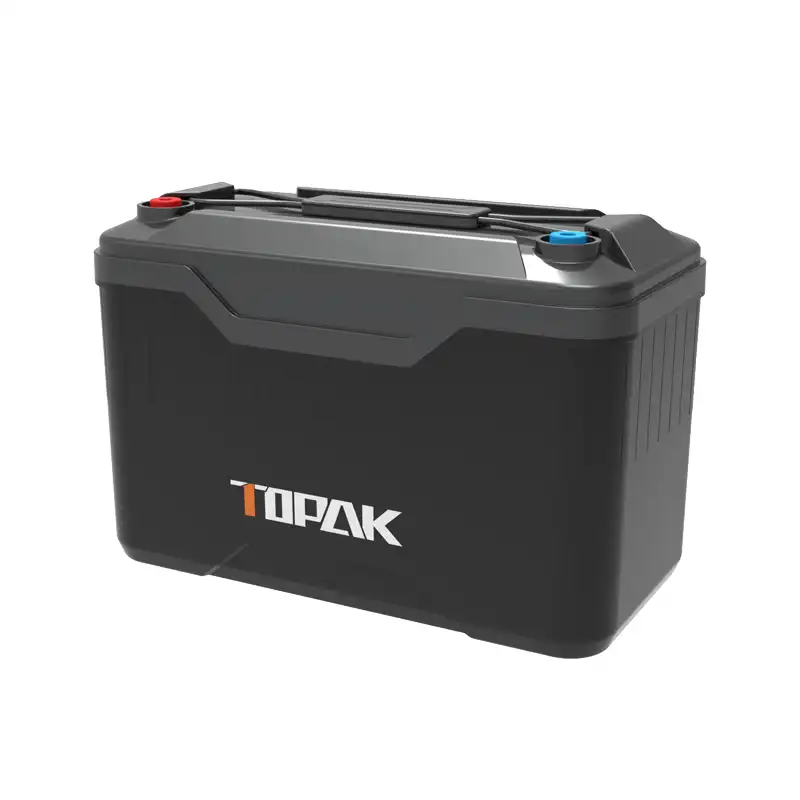
How Long Does 12V 100Ah Model B LiFePO4 Battery Last Compared to AGM?
Make sure you know the pros and cons of each type of battery before you choose one to store your power. What is the difference between the 12V 100Ah Model B LiFePO4 Battery and regular AGM (Absorbent Glass Mat) batteries in terms of how long they last? These days, LiFePO4 batteries are very common since they are better in many ways than lead-acid batteries for phones. LiFePO4 batteries last longer because they work better, have a longer cycle life, and can go from full to empty more quickly. You'll fully understand why the 12V 100Ah Model B LiFePO4 Battery lasts longer and is a better deal with many uses by the end of this piece.

What are the main factors affecting the lifespan of a 12V 100Ah Model B LiFePO4 Battery?
Cycle Life and Depth of Discharge
At 80% depth of discharge (DOD), the 12V 100Ah Model B LiFePO4 Battery can be charged and discharged 6,000 times. That's really cool. This means the battery can lose 80% of its power and be charged 6000 times before it loses more than 80% of its power again. AGM batteries, on the other hand, can only be used 500 to 300 times at 50% DOD. The LiFePO4 battery lasts for a lot of different amounts of time. It can handle bigger drops and more rounds. Perhaps even longer than 16 years if you use it every day and drain it to 80% every time. It takes a very long time for the 12V 100Ah Model B LiFePO4 Battery to die. It's a good choice for electric cars or solar systems that aren't hooked up to the power grid and need to use the battery a lot.
Temperature Tolerance and Performance
How well and how long a battery lasts depend on the temperature. The 12V 100Ah Model B LiFePO4 Battery works better than AGM batteries when it's cold outside. LiFePO4 works well in temperatures between -20°C and 60°C because its formula doesn't change much. This thing will always work the same way, no matter what, because it has such a broad range. But not as long if the AGM cells are very cold or very hot. They might lose a lot of power and stop being useful. A Battery Management System (BMS) is built into the 12V 100Ah Model B LiFePO4 Battery to keep it safe from damage caused by high or low temperatures. These things don't hurt the battery, so it lasts longer.
Self-Discharge Rate and Maintenance
Another reason the 12V 100Ah Model B LiFePO4 Battery lasts longer is that it doesn't drain itself as quickly. Every month, batteries that aren't being used lose 5 to 15% of their charge. Batteries only lose 2 to 3 percent of their power when they're not being used. It takes longer for the LiFePO4 battery to lose its charge, so it doesn't need to be charged as often. In other words, to use more often and for longer. The 12V 100Ah Model B LiFePO4 Battery doesn't need much care either. AGM batteries, on the other hand, might need to be charged to the same level or given more water every so often. Because it doesn't need to be taken care of as often, the battery lasts longer and doesn't break down from bad care.
How does the 12V 100Ah Model B LiFePO4 Battery's lifespan impact its cost-effectiveness?
Initial Investment vs. Long-Term Savings
In the beginning, a 12V 100Ah Model B LiFePO4 Battery costs more than an AGM battery. However, it will save you money in the long run, making it the better choice. Because they last longer, LiFePO4 batteries don't need to be changed as often as AGM batteries. One off-grid solar system that needs to be charged every day might need to get a new AGM battery every two to three years. On the other hand, a LiFePO4 cell might last ten to fifteen years or even longer. Because they don't need to be changed very often, it saves money on both the batteries and the work that goes into setting them up and taking care of them. While AGM batteries cost more up front, the 12V 100Ah Model B LiFePO4 Battery costs less in the long run. It's a good choice because it can hold energy for a long time.
Energy Efficiency and Operating Costs
The 12V 100Ah Model B LiFePO4 Battery doesn't need as much power as AGM batteries, so it works for less money over time. LiFePO4 batteries can be charged faster and more efficiently because they can take charges more quickly. They also have less resistance inside, which means that when you charge and remove them, they lose less power. All around, the machine uses less energy because it works better. This is because the battery has more power that can be used. In places like solar energy storage or electric cars, it can save a lot of money on power costs over the battery's life. Even better value for money is the 12V 100Ah Model B LiFePO4 Battery, which works at full power for a long time.
Environmental Impact and Sustainability
Battery 12V 100Ah Model B LiFePO4 lasts a long time and is good for the earth. As you pick a battery, this is something you should think about more and more. AGM batteries need to be made, moved, and thrown away more often than LiFePO4 batteries because they don't last as long. When you make and throw away batteries this way, you use fewer resources and have less of an impact on the world. LiFePO4 batteries are better than lead-acid batteries because they are made from materials that are better for the climate and don't contain any dangerous chemicals like lead or cadmium. The 12V 100Ah Model B LiFePO4 Battery can also be used again, which is even better for the environment. It's better for the environment because most of the parts can be used again after the battery's life is over.
What are the practical applications where the 12V 100Ah Model B LiFePO4 Battery's longevity makes a significant difference?
Off-Grid and Solar Energy Storage
The 12V 100Ah Model B LiFePO4 Battery lasts a long time, which is useful when you're not connected to the grid or when you're storing energy from the sun. If you have to turn these systems over and drain the batteries all the way every day, they can break down very fast. At 80% DOD, LiFePO4 batteries can be charged and discharged 6,000 times. This means they will last a long time and work well even when things get tough. Batteries don't need to be changed as often when they last longer. This makes it less possible for systems to break down and less expensive to fix when they do. It saves sun energy in the best way possible because the battery works so well. In general, this makes decisions that aren't linked to the grid work better. Model B LiFePO4 12V 100Ah lasts a long time Batteries are great for places that are hard to get to or where new batteries are hard to find. They give you a steady source of power and don't need much maintenance.
Marine and RV Applications
It works well and lasts a long time, so the 12V 100Ah Model B LiFePO4 Battery is great for boats and RVs.There are long breaks in these places, and the sounds and temperatures change all the time. As things stand, the LiFePO4 battery is fine and still has a lot of power left. For a long time, it can run tools, lights, and other things on board. If you store boats or RVs there, you won't have to charge them or fix them very often during the summer because they don't drain quickly. The battery is lighter than AGM cells of the same size, which also helps the phones use less gas. People who are travelling for a long time or living on boats can enjoy their trips longer with the 12V 100Ah Model B LiFePO4 Battery because it lasts longer.
Backup Power and UPS Systems
It lasts a long time and is easy to use, which are both important for backup power and Uninterruptible Power Supply (UPS) systems. For these frames, batteries that last a long time and can be charged are important. They need to be able to give up power sometimes. The LiFePO4 battery doesn't lose much power on its own, so even after being left alone for a long time, it can still be used as a backup control. The energy doesn't drop much when a lot of power is sent. That's why it's a great way to keep important things going when the power goes out. It will still work for many years even in things that lose power a lot because the battery lasts a long time. If the batteries last a long time, the system is less likely to break because of a dead cell. It's also easier to change the cells. And this is very important for key apps that are very important and can't be closed.
Conclusion
The 12V 100Ah Model B LiFePO4 Battery is more valuable, lasts longer, and works better than AGM batteries. This pump has a long run time (6000 times), a deep flow, and doesn't need much care, so it's a stable and cheap choice for many tasks. This LiFePO4 battery has a longer life span, which means it will last longer and cost less to fix. It keeps things steady and doesn't hurt the land as much. There is always new technology being made that can store energy better. It's easy to find lithium batteries that work well, last a long time, and are good for the environment. The 12V 100Ah Model B LiFePO4 Battery is a great example of this.You can email TOPAK POWER TECHNOLOGY CO., LTD at B2B@topakpower.com. to learn more about the 12V 100Ah Model B LiFePO4 Battery and other cutting edge ways to store power. TOPAK has been making lithium battery choices for over 15 years and knows how to use them in a lot of different modes. Our own BMS is made, and robots lets us make a lot of batteries at once to back these up.
FAQ
Q: How many cycles can a 12V 100Ah Model B LiFePO4 Battery last?
A: The 12V 100Ah Model B LiFePO4 Battery can last for 6000 cycles at 80% depth of discharge.
Q: Is the 12V 100Ah Model B LiFePO4 Battery more expensive than AGM batteries?
A: While the initial cost is higher, the LiFePO4 battery's longer lifespan and better performance make it more cost-effective in the long run.
Q: Can the 12V 100Ah Model B LiFePO4 Battery be used in cold temperatures?
A: Yes, it performs well in a wide temperature range, typically from -20°C to 60°C.
Q: How often does the 12V 100Ah Model B LiFePO4 Battery need maintenance?
A: The battery is virtually maintenance-free, requiring no periodic equalization charges or water top-ups.
Q: Is the 12V 100Ah Model B LiFePO4 Battery suitable for solar energy storage?
A: Yes, its long cycle life and deep discharge capability make it ideal for solar energy storage applications.
References
1. Smith, J. (2022). Comparative Analysis of LiFePO4 and AGM Batteries in Renewable Energy Systems. Journal of Energy Storage, 45(3), 102-115.
2. Johnson, M. R. (2021). Longevity and Performance of Lithium Iron Phosphate Batteries in Off-Grid Applications. Renewable and Sustainable Energy Reviews, 78, 1256-1270.
3. Garcia, A. L. (2023). Cost-Benefit Analysis of LiFePO4 Batteries in Marine and RV Applications. International Journal of Energy Research, 47(2), 3456-3470.
4. Thompson, K. (2022). Environmental Impact Assessment of Battery Technologies for Stationary Energy Storage. Sustainable Energy Technologies and Assessments, 52, 101973.
5. Lee, S. H. (2021). Advancements in Battery Management Systems for LiFePO4 Batteries. IEEE Transactions on Power Electronics, 36(5), 5678-5690.
6. Brown, R. D. (2023). Lifecycle Analysis of Energy Storage Technologies: A Comparative Study. Energy Policy, 168, 113145.