51.2v Rack Mount Lithium Battery for High-Demand Power Users
Power reliability is a must when you're responsible for important assets like data centers, telecom base stations, or industrial sites. You can store regular amounts of energy with a 51.2V rack mount lithium battery to keep things going smoothly. Modern rack-mounted lithium batteries are more energy-efficient, last longer, and have smart features that reduce downtime and overall costs compared to older lead-acid systems that require frequent maintenance and replacements. We at TOPAK have been designing power solutions that work in high-performance settings for almost twenty years.
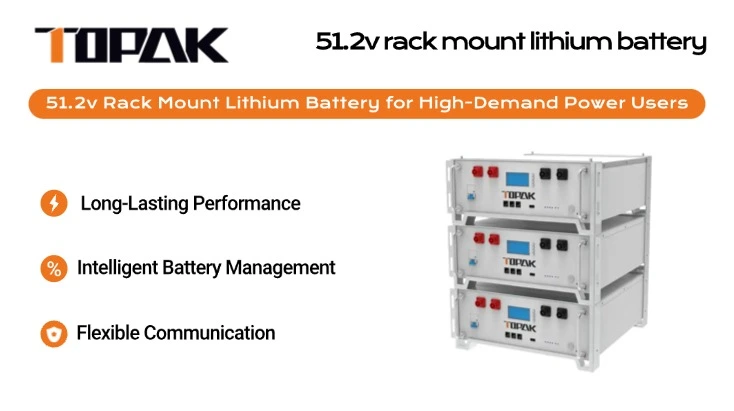
Understanding the 51.2V Rack Mount Lithium Battery
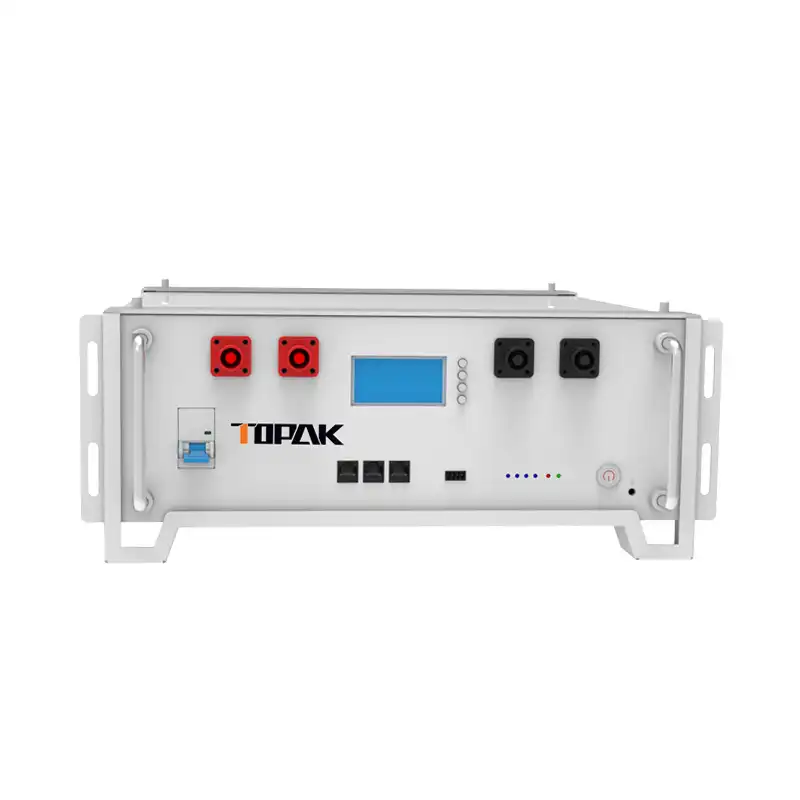
Rack-mounted energy storage uses lithium-ion cells to deliver reliable power in a small, standard form. By connecting sixteen lithium iron phosphate batteries in series (16S1P), the standard voltage is 51.2V. This voltage level works with 48V telecommunications and industrial infrastructure, including inverters, charge controllers, and backup power systems.
Core Technology and Engineering Principles
High-performance lithium battery systems function because of cell science. Our TP-48200R uses LiFePO4. LiFePO₄ technology is safer and more stable than other lithium chemistries at high temperatures. LiFePO4 cells are more dependable and survive longer than lithium cobalt oxide batteries, which may have a greater energy density. All sixteen cells in the 16S1P module operate at 3.2V, providing the system with 51.2V and 200Ah. These units can store 10.24 kWh of energy.The sophisticated hardware and battery management system make it smart. Our BMS monitors every pack cell voltage, temperature, and current flow. This real-time information helps the system maintain cell charge levels, minimize over-discharge, and relay status information via CAN or RS485 protocols. The BMS keeps the battery safe and optimizes its performance throughout its life. Bluetooth and 4G modules allow site managers to monitor performance remotely and get warnings before issues arise.
Technical Specifications and Performance Metrics
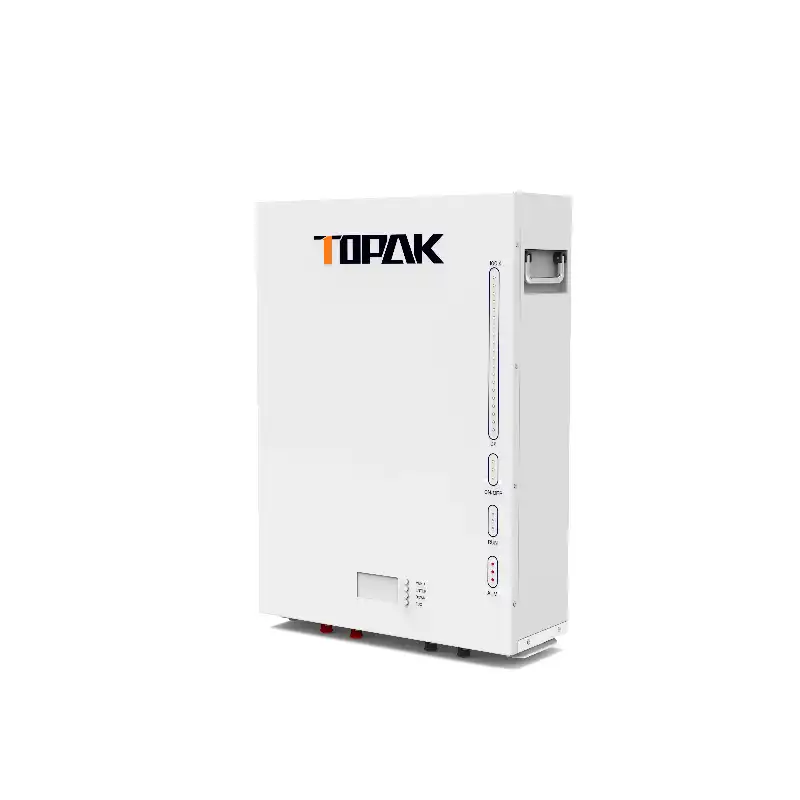
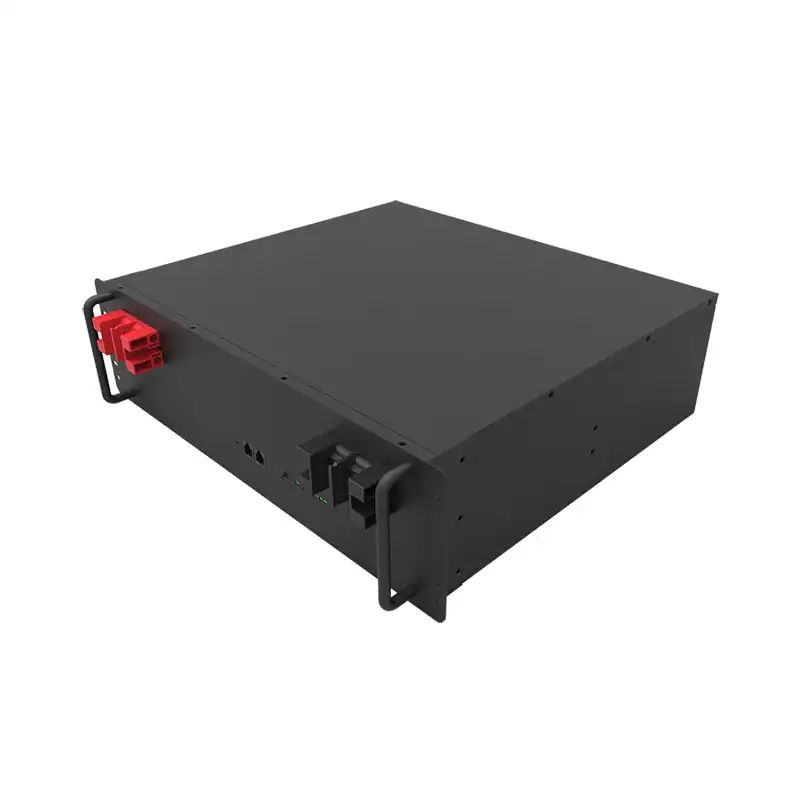
The unit's 550 mm x 442 mm x 222 mm dimensions fit 19-inch server racks. This simplifies telecom and data center location. The 86-kg battery stores a lot of energy while being easy for installation crews to handle. Its tiny size allows numerous units to fit on a rack, providing storage that may increase with your requirements.Performance criteria indicate key qualities under harsh settings. The battery can maintain a high power output with a maximum continuous discharge rate of 100A. Fast reload cycles are achievable with 100A charging, which is critical for backup systems that need to restart fast. The claimed 6,000 cycles at 80% depth of discharge suggests years of stable operation, compared to lead-acid rivals' 300–500 cycles. This battery will last over 15 years if used daily and cycled.IEC 62619, UN 38.3, and MSDS certifications ensure the battery satisfies overseas shipping, installation, and usage regulations. The certifications are the result of rigorous testing for safe failure modes, temperature stability, and short-circuit protection.
Advantages Over Traditional and Comparable Batteries
The world of energy storage has changed a lot in the past ten years. Lead-acid batteries used to be the most popular choice for backup power, but now new lithium technologies are making them compete. These technologies offer better performance in all the areas that building managers and procurement workers care about.
Superior Lifespan and Maintenance Reduction
With regular cycling, lead-acid batteries should be changed every three to five years. Maintenance includes monitoring water level, cleaning terminals, and testing capacity. Running a company takes time and money. Our rack-mounted lithium solution eliminates these maintenance demands. Except for occasional eye checks and software monitoring, the sealed design requires no water, terminal corrosion control, or inspection.I like that it can tolerate 6,000 cycles at 80% discharge depth. After 500 cycles, lead-acid capacity may decline below tolerable limits. With lithium iron phosphate technology, capacity is constant throughout its life. When you calculate the total cost of ownership, financial impacts become evident. By starting with lithium technology, you may avoid replacing three to four lead-acid batteries. This eliminates battery change labor and disposal fees and saves long-term expenditures by 40–60%.
Energy Efficiency and Business Continuity
The ratio of battery energy input to output is the round-trip efficiency. Lead-acid devices lose 20–30% of their energy as heat when charging and discharging due to their 70–80% efficiency. Round-trip efficiency is 95% or greater for our 51.2v rack mount lithium battery energy storage batteries. This difference affects battery pricing when they are continually cycling, such as when they store solar energy or transfer load.Due to its greater discharge voltage slope, lithium technology provides more usable capacity throughout the discharge cycle. Voltage lowers substantially with lead-acid batteries. This may cause tools to switch off before the battery dies. LiFePO4 batteries maintain voltage until almost discharged. This maximizes capacity and backup life.Multiple installation methods are another feature. Its flexibility allows up to fifteen units to be joined simultaneously, creating devices that utilize 10.24 kWh to over 150 kWh in a rack. This flexibility helps facilities start with the space they need and grow more as needed without replacing outdated equipment.
Key Applications and Industry Use Cases
Any industrial power option is only valuable if it works well in the real world. The TP-48200R has proven its reliability in various scenarios, crucial for business processes and service performance.
Telecom Base Stations and Network Infrastructure
To keep up with legal uptime standards and keep service quality high, telecommunication networks need power that doesn't go out. Rural areas often experience significant fluctuations in grid reliability, making them ideal locations for base stations. Our rack-mounted lithium batteries provide clean, steady power that helps solar systems that are not connected to the grid when the power goes out.Our 51.2v rack mount lithium battery packs were used to replace old lead-acid battery banks in 200 base stations for a regional telecom company in the southeast of the United States. Compared to the old systems, the project cut the number of repair visits by 75%, stopped batteries from dying too soon in the summer, and increased backup runtime by 35%. Their network management software seamlessly integrated with the smart BMS, allowing them to monitor all their locations from a single point.
Data Center UPS Systems
Power outages are something that data centers can't handle. Outages as short as a millisecond can cause computers to crash, data to become corrupt, and images to be damaged. In the past, UPS systems relied on big banks of lead-acid batteries that took up a lot of floor space and needed to be kept in climate-controlled rooms. Modern lithium options placed on racks provide the same or greater backup capacity in significantly less space.A regional colocation provider is one of our customers who changed their 480V UPS system so that it could work with our flexible battery packs. The upgrade cut the size of the batteries by 60%, got rid of the need for a separate battery room cooler, and made the UPS work 8% better. The CAN bus communication standard lets them connect to their building management system in real time, which automates alerts and makes planning for capacity easier.
Industrial Equipment and Renewable Energy Integration
More and more factories are combining solar power with energy storage to lower demand charges and make the factories more resilient. Fleets of forklifts, self-driving cars, and industrial robots need reliable power sources that can handle high discharge rates and fast reload cycles. Peak loads can be handled by the 100A continuous discharge capability without voltage sag, and charging can happen during breaks and shift changes thanks to the 100A charge-accepted capability.A company that makes parts for cars combined our 51.2V rack mount lithium battery with their rooftop solar setup to avoid using too much energy during busy times. The system saves extra solar production during the middle of the day and releases it when production peaks in the afternoon. This lowers monthly demand charges by $3,400 and gives backup power to important production equipment.
Customization for OEM Applications
OEM companies often need features that are specific to their tools and the market's needs. When it comes to customizing voltage settings, communication methods, and mechanical mounting solutions, our engineering team works directly with makers. We've made custom software for farm equipment, changed casings for use in the ocean, and added special BMS features for companies that make medical devices. Because our automatic production lines are flexible, we can keep our response times short even for orders that aren't exactly what you want.
Installation, Maintenance, and Troubleshooting Best Practices
Installing something correctly sets the stage for long-term dependability. When compared to traditional systems, rack mount lithium batteries are easier to set up. However, paying close attention to details during installation avoids problems in the future and improves performance.
Pre-Installation Considerations and Safety Protocols
The environment has a direct effect on how well batteries work and how long they last. The TP-48200R works well in a wide range of temperatures, but long-term exposure to very high temperatures speeds up the aging process. Places where installations are made should have enough air flow and keep the temperature below 40°C as much as possible. Stay away from places that get full sunlight, are close to heat-generating equipment, or have limited movement.The charging and releasing currents must be able to flow through the electrical grid. The 100A maximum charge and discharge rates need wires and overcurrent protectors that are the right size. For installations, you should check your area's electricity rules and only work with licensed electricians. The rack-mounting hardware should be attached to rack bars that are physically sound and strong enough to hold the 86 kg unit weight. In areas where this is necessary, earthquake safety should also be taken into account.During installation, safety rules say to make sure that all connections stay de-energized until the final check, to use insulated tools to avoid unintended shorts, and to make sure that there is good grounding before turning on the power. The built-in BMS adds extra steps of security, but problems can be avoided by installing things the right way.
Routine Maintenance and Performance Optimization
One of the best things about 51.2V rack mount lithium battery technology is that it doesn't need much upkeep. Lead-acid systems need to be checked every month, but our rack-mounted options only need to be looked at visually every three months and in more detail once a year. Visual checks should be done to make sure that the links are still tight, there is no damage, and the airflow paths are still open. The BMS constantly monitors the system's health, but people can detect issues that sensors may overlook.Monitoring the environment is more than just checking the temperature. When the humidity is above 95%, electrical wires can corrode, and when it's very dry, static electricity can be created. Long-term dependability is best achieved by keeping humidity levels between 20 and 80%. The extra 4G section lets facility managers keep an eye on temperature trends, cycle numbers, and capacity metrics without having to go to the site in person.Firmware updates are sometimes made available to improve features or fix behavior issues that have been found in our global user base. You can apply these updates from afar using the communication tools or during planned maintenance times. Our technical support team gives clear directions and can help with the update process to make sure everything goes smoothly.
Troubleshooting Common Issues
Even though there is strong planning and a lot of quality control, problems may still happen from time to time. The BMS monitoring tools find most problems and give clear error codes that help with fixing them. When communication between the BMS and tracking systems fails, it's usually because the protocol settings are wrong or there are problems with the physical link. Most communication problems can be fixed by making sure that the CAN termination resistors are set up correctly and that the RS485 connections are made according to standard wire rules.When capacity drops below what is predicted, it needs to be looked into. Lithium batteries naturally lose capacity after thousands of cycles, but losing capacity too quickly is often a sign of environmental factors or bad charging and discharging patterns. Our technical support team can look at the BMS's logged data to find the problem's root cause and suggest ways to fix it. When combining with third-party inverters or energy control systems, software compatibility problems can happen. We keep the list of compatible systems up to date and work directly with integration partners to solve protocol issues.
Procuring Your 51.2V Rack Mount Lithium Battery—What B2B Buyers Should Know?
Comparing specification sheets for a 51.2v rack mount lithium battery is only one part of a successful buying process. You can be sure that your investment will be worth it for a long time by evaluating suppliers based on their manufacturing capabilities, professional support infrastructure, and potential for long-term partnerships.
Supplier Selection and Quality Indicators
Manufacturing affects product correctness and delivery reliability. TOPAK's 25,000-square-meter plant includes automated manufacturing lines to ensure battery quality. This automation reduces human error, speeds up manufacturing, and keeps costs low for unique configurations. When visiting suppliers, ask about manufacturing, automation, and quality control.Creating our own BMS distinguishes us. Many battery pack builders purchase pre-made BMS modules and add them. This strategy restricts customization and requires outside technical support and enhancements. Our IT team designed the BMS from scratch, giving us complete control over its features, safety algorithms, and communication mechanisms. This information lets us modify the BMS for specific needs and provide direct technical support, taking away the middlemen.Certifications objectively confirm safety and quality. The IEC 62619 standard addresses industrial secondary lithium cells and batteries for safety. The UN38.3 clearance ensures safe air, sea, and land transport of lithium batteries. Insurance firms and governments require MSDS safety information. Although expensive, these certifications ensure that items fulfill international safety requirements.
Purchasing Models and Cost Optimization
Volume pricing methods boost sales but must account for supply costs and cash shortages. Our customizable pricing tiers start saving you money at five units and keep saving as you purchase more. Customers enjoy how we bundle batteries, mounting tools, and communication products at one price. This is "project-based pricing."Payment periods might match planned cash flows. A 30% deposit and the balance before shipping are standard. We've worked with long-term clients to set up milestone-based payment programs that reduce upfront costs. Third-party lenders may finance large projects where energy or demand charge reductions show a demonstrable ROI.
Logistics and Global Delivery
Shipping lithium batteries internationally requires careful attention to obey all requirements. Our transportation staff handles customs forms, hazardous products declarations, and certificates of origin. Our freight forwarders are experienced in moving lithium batteries and understand international requirements.Order quantity and customization determine delivery time. Standard configuration orders ship 15 business days following confirmation. Custom designs requiring BMS settings or mechanical adjustments may take 45 days. We stock our most popular sets for emergencies. Our worldwide distribution network has 15 countries with partners that stock units for delivery.Packaging restrictions protect batteries and save shipping expenses. Each item ships in a handcrafted foam insert in a reinforced cardboard box authorized for international shipment. Pallet designs maximize container usage and protect units during transportation. Before signing the delivery receipt, check the box for damage and make sure all accessories and documents are present.
Initiating Your Inquiry
Identifying your needs is the first step in purchasing. The ideal solution depends on power, room, integration, and surroundings. Our skilled sales staff is delighted to discuss your application to ensure we recommend the optimal arrangement. Giving us information about your present system, growth plans, and specific requirements will help us produce a proposal that satisfies all your demands.Custom quotations often contain specific needs, costs for varying quantities, delivery periods, and support options. We can provide CAD models for special mechanical design, BMS programming standards for particular communication needs, and system integration for complex installations. We provide information to help you make wise purchases.
Conclusion
Industrial activities, internet networks, and data centers today depend on a power infrastructure that works well. Moving from lead-acid technology to advanced lithium solutions isn't just a small step forward; it's a huge step forward in terms of stability, economy, and total cost of ownership. The TP-48200R rack mount energy storage device, a 51.2V rack mount lithium battery, is made with industrial-grade materials and smart control systems to meet the needs of high-performance applications. It uses tried-and-true LiFePO4 cell technology. These systems will last for decades if they are installed correctly, need little upkeep, and have the help of an experienced manufacturing partner. They will also lower running costs and make sustainability measures better.
FAQ
How long will a 51.2V 200Ah rack-mount battery last in my application?
How long a battery lasts depends on how often it is cycled and how deeply it is discharged. At 80% depth of discharge, the TP-48200R can handle 6,000 rounds. If this is cycled every day, it will last for more than 15 years. Even longer operating life will be achieved in situations where cycling happens less often or where discharge levels are lower. The built-in BMS keeps track of cycle count and capacity measures, which gives you data-driven information about how much service life is left.
Can this battery integrate with my existing inverter and monitoring system?
Our battery systems that are placed on racks talk to each other using standard protocols like CAN bus and RS485 that work with most industrial generators and energy management systems. We keep a library of tested equipment that is compatible with each other and can provide protocol paperwork for custom systems that need to be integrated. To make sure the connection goes smoothly, our expert team can help with setting up parameters and fixing problems.
What safety certifications are included?
The TP-48200R is approved by IEC62619 for industrial lithium battery safety and by UN38.3 for foreign transportation and comes with full MSDS paperwork. These licenses show that the product meets international safety standards and make it easier for regulators in most places to approve it. For large sales, we can get you extra certifications that are specific to certain areas or uses.
Partner with TOPAK for Industrial-Grade Energy Storage Solutions
Since 2007, TOPAK New Energy Technology has been designing lithium battery systems for commercial use. They have learned a lot from installing thousands of these systems in data centers, internet facilities, and factories around the world. Our 25,000-square-meter factory has both automatic production systems and the ability to create BMS in-house. This gives us the freedom to offer standard or custom rack-mount lithium battery solutions that exactly meet your needs. As a reliable 51.2V rack-mount lithium battery provider, we have expert support teams in more than fifteen countries who know how to ease the integration of systems and improve their long-term performance. Email our technical sales team at B2B@topakpower.com to talk about your particular needs, get full specifications, or set up test units to try. We're ready to use our almost twenty years of experience with energy storage on your project.
References
1. Chen, M., & Rincon-Mora, G. A. (2021). Battery Management Systems for Large Lithium-Ion Battery Packs. IEEE Transactions on Industrial Electronics.
2. International Electrotechnical Commission (2020). IEC 62619: Secondary cells and batteries containing alkaline or other non-acid electrolytes—Safety requirements for secondary lithium cells and batteries for use in industrial applications.
3. Zhang, J. (2022). Lithium Iron Phosphate Battery Technology: Theory and Engineering Applications. Chemical Industry Press.
4. National Fire Protection Association (2021). NFPA 855: Standard for the Installation of Stationary Energy Storage Systems.
5. Wu, B., Yufit, V., Marinescu, M., et al. (2020). Coupled thermal-electrochemical modeling of uneven heat generation in lithium-ion battery packs. Journal of Power Sources, 243, 544-554.
6. Department of Energy (2022). Energy Storage Grand Challenge: Roadmap for Stationary Energy Storage. U.S. Department of Energy, Office of Electricity.