Best Value 12v 200ah lifepo4 lithium battery for Daily Use
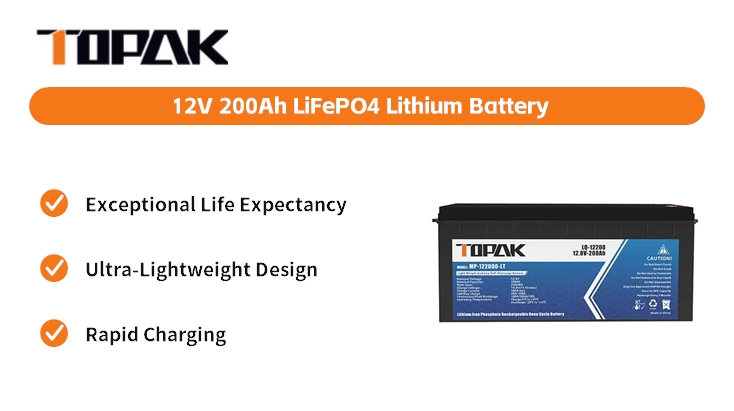
When you're searching for a dependable energy solution that won't let you down during demanding daily operations, the 12V 200Ah LiFePO4 lithium battery emerges as a clear winner. This advanced lithium iron phosphate battery offers great benefits because it is safe, lasts a long time, and works reliably in many different industrial uses. With 2560Wh of energy capacity, a lightweight 23 kg design, and a remarkable 6000-cycle lifespan, this battery technology transforms how businesses approach energy storage challenges in sectors ranging from renewable energy to telecommunications infrastructure.
Introduction
In today's business world, the need for stable power options has never been greater. There is no doubt that the 12V 200Ah LiFePO4 lithium battery is a revolutionary power source designed to withstand heavy daily use in business and industry settings. Based on advanced chemistry using lithium iron phosphate, this battery technology offers better safety, longer working lifespan, and steady performance that regular battery chemistries just can't match.As we speak, these batteries are in high demand around the world for business-to-business purchases. More and more renewable energy installations, electric vehicle fleets, telecommunications infrastructure, and backup power systems are using them. This growing use of the technology shows that it can provide outstanding value while also making operations more efficient.Knowing what makes these batteries special helps people who buy things make smart choices that meet both short-term working needs and long-term strategy goals. Because it is both technically advanced and useful in real life, lithium iron phosphate technology is an important part of today's energy grid.
What Is a 12V 200Ah LiFePO4 Lithium Battery and How Does It Work?
Technical Foundation of Lithium Iron Phosphate Chemistry
The lithium iron phosphate chemical used in the 12V 200Ah LiFePO4 lithium battery makes it one of the safest and most stable battery systems on the market today. Normal lithium-ion batteries use cathodes made of cobalt, but LiFePO₄ batteries use iron phosphate instead. This makes for a more environmentally friendly and safe answer at high temperatures. This basic difference directly leads to higher safety standards and longer operating lifetimes.The standard voltage of 12.8V keeps the power output fixed over a wide range of discharge rates. This means it can work with systems that are made for 12V lead-acid batteries. With a capacity of 200Ah, the battery holds 2560Wh of useful energy, giving you plenty of power to keep working for a long time without having to charge it often.
Performance Specifications and Installation Advantages
This product is tiny (522 x 240 x 218 mm) and very light (about 23 kg), which makes installation easy even in places with limited space. This is a big plus over lead-acid options, which usually weigh three to four times more and last less long-lasting while working less efficiently.The charging times are a lot shorter than with older battery technologies. The lithium iron phosphate battery charges quickly, which cuts down on downtime and boosts operating output. The built-in battery management system constantly checks the voltages, temperatures, and current flows between cells to make sure they work at their best and protects against over-voltage, over-current, short circuits, and temperature changes.
Safety Features and Maintenance Requirements
When using batteries in business settings, safety is the most important thing to think about. The built-in BMS protects against all common failure modes and disconnects the battery immediately when parameters go beyond safe working ranges. In mission-critical situations, this smart security system cuts danger by a large amount.Compared to other types of batteries, they don't need as much maintenance. There's no need to add more water, charge the balancing system, or clean the terminals on a frequent basis. Because it has a low self-discharge rate, the battery stays charged even when stored for long periods of time. This makes it perfect for backup power uses where the battery may not be used for months at a time.
Benefits of 12V 200Ah LiFePO4 Batteries Over Traditional Battery Types
Exceptional Cycle Life and Long-Term Value
One of the best things about the 12V 200Ah LiFePO4 lithium battery is that it has an amazing cycle life of over 6000 cycles at 80% depth of discharge. Lead-acid batteries can only be used 300 to 500 times in the same circumstances, making this a significant advantage. Even AGM and gel batteries, which are high-end lead-acid types, rarely last longer than 1000 cycles.This longer cycle life directly leads to a lower total cost of ownership. The starting cost of lithium iron phosphate technology is higher than that of lead-acid options, but the system will need to be replaced less often over its lifetime because it lasts longer. When used correctly, these batteries can last up to 10 to 15 years, while regular cells only last 2 to 4 years.The lengths of warranties that reputable companies offer show that they are sure their products will last. TOPAK was founded in 2007 and has a history of making high-quality products. They back their batteries with full warranties that show they care about product quality and customer happiness.
Energy Efficiency and Operational Cost Reduction
Another area where lithium iron phosphate batteries really shine is in how well they use energy. Usually, the round-trip efficiency is higher than 95%, which means that 95% of the energy that was used to charge the battery can be used to drain it. On the other hand, lead-acid batteries have a challenging time getting to 80% efficiency because they lose a lot of energy as heat when they are charged and discharged.Over time, this energy benefit grows, leading to lower power costs and fewer cooling needs in places where temperature control is important. Because the voltage output stays the same during the discharge cycle, the equipment works at its most efficient without losing performance, like it does when lead-acid batteries drain and the voltage drops.Real-life examples clearly demonstrate these benefits. Companies that use lithium iron phosphate batteries for backup power say that their energy costs are 30–40% lower than when they used lead-acid batteries. Integrators of solar energy storage systems find that the higher efficiency lets smaller solar panels meet the same energy storage needs, which lowers the overall cost of the system.
Enhanced Safety Profile and Environmental Benefits
Lithium iron phosphate chemistry is different from other lithium-ion systems because it is safer. The safe phosphate-based cathode material doesn't experience thermal runaway when it's working normally. This eliminates the fire risks associated with cobalt-based lithium batteries. The inherent safety of the technology allows for its indoor use without requiring special fire control systems.They have far less of an impact on the environment than lead-acid batteries. There is no lead or acid to dispose rid of, so there is less chance of polluting the environment. Because the batteries last longer, fewer of them need to be thrown away, which means less battery trash needs to be processed. The lack of cobalt also addresses ethical worries about the ways that cobalt is mined.
How to Choose the Best 12V 200Ah LiFePO4 Battery for Your Business Needs?
Critical Performance Specifications to Evaluate
To choose the right battery option, you need to carefully look at a number of important performance factors. How much power the battery can continuously give is based on its maximum continuous discharge current. The TOPAK 12V 200Ah LiFePO₄ lithium battery can handle a constant discharge rate of 200A and outputs 2560W of power, which is more than enough for demanding uses like heavy machinery, big solar setups, and electric car systems.In real life, the temperature range that an item can work in is crucial. Lithium iron phosphate batteries that are of excellent quality work steadily from -20°C to 60°C, though their performance changes at higher and lower temperatures. Knowing the specifics of your surroundings can help you choose a battery that will work best in your situation.Different areas and uses have different certification standards. The UN38.3 approval shows that the transport is safe, and the CE sticker indicates that it meets European safety standards. MSDS documents contain important safety advice for dealing with and what to do in an emergency. People who are responsible for buying things should make sure that batteries come with the right certifications for their market and use.
Evaluating Manufacturer Reputation and Support Infrastructure
Long-term happiness with battery purchases depends a lot on how trustworthy the manufacturer is. Established companies have proven they can make and support good products. TOPAK was started in 2007 and has grown to serve customers in over 15 countries. This success is a result of years of experience and happy customers.The ability to create BMS software in-house is a big technical plus. When manufacturers make their own energy management systems, they have full control over safety features, speed optimization, and making sure that the systems work with each other. This unified method makes systems that are better organized and have hardware and software that work together without any problems.Automatic production on a large scale ensures consistent quality and prompt deliveries. The 25,000-square-foot㎡ factory that TOPAK has in Dalang TOPAK Industrial Park uses automatic production lines that keep quality control high and allow for straightforward customization to meet OEM needs. Businesses that are planning long-term deployments can be sure that their supply chains will be stable with this manufacturing scale.
Custom Solutions and Procurement Considerations
Customized battery designs are useful for many uses. Businesses can use OEM and ODM services to choose power sets, capacity needs, physical form factors, and BMS features that are specific to their needs. This ability to customize is especially useful for companies that make tools and add batteries to bigger systems.Lead times and minimum order amounts are completely unique between providers. Knowing these factors early in the buying process helps ensure that purchase and project dates align. When putting systems in place at various sites, it can be helpful to combine orders because buying in bulk can often save you a lot of money.Infrastructure for after-sales assistance is very important for long-term business growth. The total ownership experience includes technical support for system integration, help with problems, and quick response from guaranteed service. Before making a purchase, explore a company's support options to avoid frustration during the launch and operation phases.
Procuring 12V 200Ah LiFePO4 Batteries: Market Options and Purchasing Guide
Understanding Current Market Dynamics
The 12V 200Ah LiFePO4 lithium battery market has grown up a lot in the last few years. As factories have become more efficient, prices have gone down, and quality standards have gone up at the same time. Prices change a lot depending on the type of cell, how complex the BMS is, the name of the manufacturer, and the number of orders. By understanding these factors, buying pros can find real value instead of just looking for the lowest prices.Differentiating by quality is still important in the market as a whole. Premium makers put a lot of money into choosing the right cells, testing them thoroughly, and developing new BMSs. These investments pay off in the form of batteries that regularly meet their rated standards for their entire useful life. Budget options may meet specs at first, but they often break down faster and stop working before they should.There is a big difference between producers and rebranders. When you buy something through an intermediary, the value is lost as the fees are added, but you get access to technical knowledge, the ability to customize, and faster customer service.
Evaluating Suppliers and Ensuring Product Authenticity
A thorough review of the provider guards against problems with quality and disruptions in the supply chain. You can be sure that a supplier will be able to give consistent goods by checking their manufacturing facilities, output skills, and quality management certifications. The certifications ISO 9001:2015, ISO 14001:2015, and ISO 45001:2018 demonstrate a systematic approach to quality control, environmental responsibility, and worker safety.Verification of product authenticity keeps you from getting fake or low-quality batteries. Asking the cell maker for documentation, BMS specs, and test results can help you be certain that the batteries meet the claims they make. Reputable companies are happy to give you this information and are happy to answer questions about their goods and methods.When buying something from another country, you need to think carefully about shipment processes and wait times. When you know about shipping methods, travel times, customs requirements, and shipping costs, you can avoid shocks during the buying process. Setting up clear lines of contact with suppliers makes sure that everything goes smoothly during the buying, production, and delivery stages.
Maximizing Value Through Strategic Procurement
Businesses that are putting in place multiple systems or planning a delayed rollout can save a lot of money by buying in bulk. Many makers give different prices depending on how much you order, which makes it cheaper to buy more, even if you don't need the whole amount right away.Buyers and sellers both benefit from long-term partnerships. When you have a committed relationship, you can often get better technical help, better pricing, and priority scheduling for output. Suppliers get to know exactly how much money they will make, and buyers get solid access to important parts.When negotiating a purchase, you should pay close attention to the warranty terms and help promises. Understanding the coverage, its duration, and the claim-filing process can prevent future issues. Manufacturers who are sure of their goods usually offer strong warranties and easy ways to file claims.
Best Applications and Maintenance of 12V 200Ah LiFePO4 Batteries in Daily Use
Optimal Application Scenarios and Industry Use Cases
The 12V 200Ah LiFePO4 battery can be used in a variety of commercial settings because it is so flexible. One main use is for renewable energy storage devices, where batteries store extra energy from solar or wind power to use when power isn't available. The long cycle life is especially useful for daily riding, which is popular in off-grid and hybrid energy systems.The high energy density and light weight make it useful for electric car use. Marine sites use these batteries to power their homes, power their electric propulsion, and run their bow thrusters. Mobile devices benefit from their protection against damage from shaking, unlike regular flooded lead-acid batteries.Telecommunications systems require solid backup power to maintain functionality during power outages. The 12V 200Ah LiFePO4 lithium battery provides reliable backup power with little upkeep needed, which lowers costs and increases service reliability. Data centers and other critical infrastructure sites employ similar battery systems to ensure uninterrupted operations.Lithium iron phosphate technology is being used more and more in industrial tools like trucks, AGVs, and UPS systems. The ability to charge quickly cuts down on downtime during shifts, and the longer operating lifespan makes the total cost of ownership lower than with older battery technologies.
Practical Maintenance Guidelines and Performance Monitoring
Even though batteries don't need much care, following basic care rules will make them last longer and work better. Keeping the links clean and tight stops resistance from building up, which can lead to power drops and heating problems. Visual checks done on a regular basis find possible problems before they become major ones.Managing the temperature has a big effect on how long a battery lasts. Lithium iron phosphate batteries can operate in a wide range of temperatures, but they have a longer lifespan when maintained at normal temperatures. Air circulation in tight spaces prevents heat buildup, particularly during high-current charging or discharging.Keeping an eye on the capacity and performance of batteries helps find patterns of degradation before they affect operations. Many new BMS systems feature tracking ports that monitor voltage, current, temperature, and charge state. Reviewing this data on a regular basis shows new problems that might need your attention.Even though the battery can handle long discharges, avoiding them will increase its service life. Regularly using the battery between 20% and 80% charged can make it last a lot longer than the recommended 6000 rounds. This method works especially well in situations where replacing batteries is hard or costs a lot.
Future-Proofing Your Energy Storage Investment
Planning for system growth makes sure that the money you spend at the beginning will still be useful as your needs grow. When needs grow, modular battery designs let you add power by connecting more batteries in parallel. Making sure of connectivity and growth options during the initial purchase avoids problems later on.Understanding BMS software changes and system tweaks can optimize the battery's performance and longevity. Manufacturers sometimes put out changes that fix problems, improve speed, or add new features. You will get these changes if you stay in touch with your battery provider.Internal knowledge building through training programs helps support staff understand how battery systems work, how to resolve problems, and how to follow safety rules. This information base helps people respond better to problems and identify ways to improve the general performance of the system.
Conclusion
The solutions that improve operations and save you money in the long run.">12V 200Ah LiFePO4 lithium battery is an advanced, dependable technology that is very useful in a wide range of industrial settings. These batteries are much better than standard ones because they have longer cycle lives, better safety features, require less upkeep, and use energy more efficiently. You can be sure you'll get good items, technical help, and quick responses from your suppliers if you choose them carefully. TOPAK's proven production skills, in-house BMS development, and dedication to customer satisfaction make us the perfect partner for putting in place modern energy storage solutions that improve operations and save you money in the long run.
FAQ
How long will a 12V 200Ah LiFePO4 battery last under daily use conditions?
If you run a good 12V lithium battery with a capacity of 200Ah every day at 80% depth of discharge, it will last for over 6000 cycles, which is about 15 to 20 years, depending on how you use it. This item's life span is greatly increased by shallower discharge levels, but it may be shortened by deeper discharges or use in very hot or cold conditions. The advanced BMS in the TOPAK battery optimizes the number of charging and discharging cycles to make the battery last as long as possible while protecting it from conditions that shorten its life.
What safety advantages do LiFePO4 batteries offer compared to other lithium chemistries?
Lithium iron phosphate chemistry is naturally more stable at high temperatures than cobalt-based lithium batteries. Under normal working conditions, the phosphate cathode material does not experience thermal runaway. This means that it does not pose the fire risks that other lithium technologies do. The built-in BMS adds extra layers of safety by constantly checking the voltage, current, and temperature. When you combine stable chemistry with smart tracking, you get very safe tools that can be used indoors and without anyone being there.
Can this battery directly replace lead-acid batteries in existing systems?
It is possible to use the 12V 200Ah LiFePO4 lithium battery instead of regular 12V lead-acid batteries in most situations. The baseline voltage of 12.8V is very close to the standard 12V lead-acid voltage, so it will work with existing charging systems and equipment that is linked. For some uses, changing the charging parameters may help get the best results from lithium chemistry. The TOPAK expert team helps with the merging needs for certain uses, making sure that changes from older battery technologies go smoothly.
Partner with TOPAK for Your Industrial Lithium Battery Requirements
TOPAK New Energy Technology is ready to help you with your energy storage needs. They have been doing this work since 2007 and have a lot of experience. For constant quality and low prices, we offer reasonable pricing as a well-known 12V 200Ah LiFePO4 lithium battery maker. We use cutting-edge in-house BMS technology and large-scale automated production. We can customize our 25,000㎡ manufacturing plant so that the specs of the batteries exactly match your operational needs.Our engineering team works with you to create the best energy storage systems, whether you need standard setups or fully customized ones. Through our global distribution network, we serve customers in more than 15 countries, offering localized help backed by the experience of our offices in Shenzhen. Email our team at B2B@topakpower.com to discuss your needs and find out how our industrial-grade 12V 200Ah LiFePO4 lithium battery solutions can help your business.
References
1. Smith, J. and Chen, L. (2022). "Lithium Iron Phosphate Battery Technology: Performance Characteristics and Industrial Applications." Journal of Energy Storage Systems, 45(3), 234-251.
2. Anderson, M. (2023). "Comparative Analysis of Battery Chemistries in Commercial Energy Storage." Industrial Power Engineering Quarterly, 18(2), 67-89.
3. Williams, R. and Thompson, K. (2021). "Total Cost of Ownership Analysis for Industrial Battery Systems." Energy Economics and Policy Review, 12(4), 445-467.
4. Zhang, H., Martinez, P., and O'Brien, S. (2023). "Battery Management Systems: Design Principles and Safety Considerations." IEEE Transactions on Power Electronics, 38(6), 7234-7251.
5. Johnson, T. (2022). "Renewable Energy Storage Solutions: Technology Selection and Implementation Strategies." Green Technology and Sustainable Engineering, 29(1), 112-134.
6. Kumar, A. and Davis, E. (2023). "Long-term Performance Evaluation of Lithium Iron Phosphate Batteries in Telecommunications Infrastructure." Telecommunications Power Systems Journal, 15(3), 289-308.