The high voltage output and large volume of a Car Starter Battery 24V 100Ah make cold start performance much better by providing excellent starting power. In contrast to standard 12V systems, the 24V setup offers twice as much electrical potential, which helps engines handle higher resistance when it's cold outside. The 100Ah capacity makes sure that the engine keeps getting power while it's starting, and the advanced lithium-ion technology keeps the battery working at its best even at temperatures as low as -40°C. This makes these batteries essential for commercial fleets and heavy-duty applications that work in harsh environments.
Understanding the Role of a 24V 100Ah Car Starter Battery in Cold Starts
People who drive commercial vehicles have a lot of problems when the weather gets cold because it makes starting the engines much harder. To keep the fleet reliable and operations running smoothly, it's important to know how high-capacity starter batteries solve these problems.
What Is a 24V 100Ah Car Starter Battery?
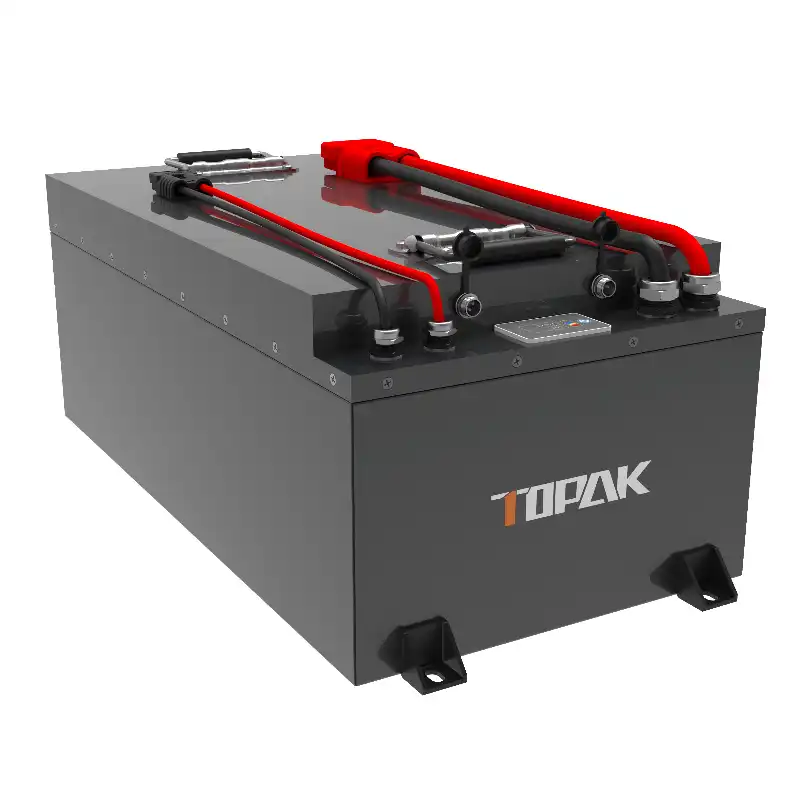
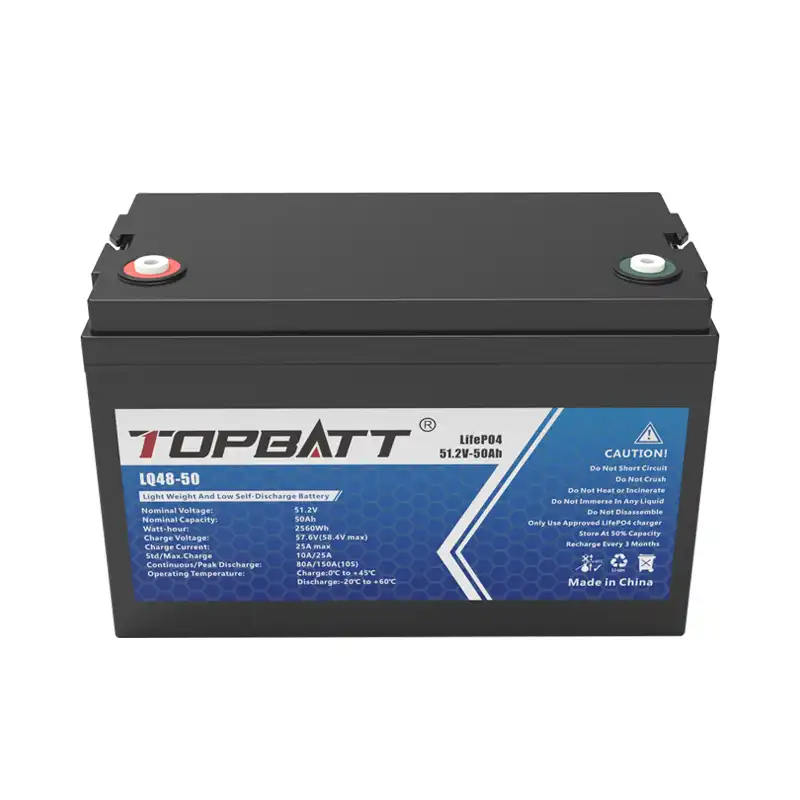
A 24V 100Ah car starter battery is a special kind of power source made for heavy-duty tasks that need strong starting power. The standard voltage of 24.4V gives the battery a lot of electrical potential, and the 100Ah volume makes sure that the battery has energy for a long time. When it comes to business trucks, building equipment, boats, and industrial gear that need to start reliably, these batteries are the best. Modern models, like the TP-NA24100, use more modern lithium-ion technology and have a theoretical energy of 2440Wh and a high discharge current of 1000A. The small size (522 x 240 x 218 mm) and light weight (30 kg) of these cells make them useful options to larger lead-acid batteries, and they also work better.
How Does a 24V 100Ah Battery Work During Cold Starts?
For a cold start to work, the battery needs to be able to keep the voltage stable while putting out a lot of power. In cold weather, engine oil gets thicker, and friction inside the engine rises, which means that more starting power is needed to start the engine. When compared to 12V options, the 24V system design has built-in benefits like requiring less current to give the same amount of power. High-quality 24V starter batteries have advanced battery management systems (BMS) built in that keep an eye on cell temperatures, voltage levels, and current flow. For best performance across the entire working temperature range of -40°C to 80°C, this smart management makes sure that the turning ability stays the same no matter what the weather is like.
Common Challenges in Cold Start Scenarios
When temperatures drop below freezing, fleet workers face a number of problems. When oils lose their stickiness and mechanical parts get smaller, engine resistance goes up a lot. In traditional battery chemistry, electrochemical reactions are not as efficient, which means that less power is released just when it's needed the most. These problems directly affect operations, leading to delayed exits, higher repair costs, and the chance of damage to equipment from multiple failed start efforts. Concerns about vehicle dependability grow in cold places where backup choices are limited, and costs for downtime add up quickly.
Key Benefits of Using a 24V 100Ah Battery for Cold Start Performance
Modern 24V high-capacity starter batteries offer compelling advantages over conventional alternatives, particularly in demanding cold-weather applications. These benefits directly impact operational reliability and long-term cost effectiveness.
Enhanced Cold Cranking Power Compared to 12V Batteries
One of the main benefits of 24V devices is that they supply power more efficiently. Higher voltage makes it easier for current to run through the starter motor's windings, which lowers resistance losses and raises mechanical output. Car Starter Battery 24V 100Ah has the same starting power as two 12V batteries, but it takes up less room and is easier to connect. Comparative research shows that 24V systems are better at keeping the voltage stable when they need to draw a lot of power, which usually happens during cold starts. This stability makes sure that the starting motor works the same way throughout the turning cycle. This lowers the chance of missed starts and the wear and tear that comes with them on the electrical parts.
Improved Energy Efficiency and Longevity
When the energy economy goes up, less electricity is needed to produce the same amount of power. Resistance heating is kept to a minimum in electrical connections and wire lines when the current flow is low. This keeps the system's stability over long periods of operation. Modern lithium technology makes it possible for batteries to last more than 3000 cycles at 80% depth of discharge, which is a lot longer than standard lead-acid batteries. Temperature resistance is a big part of how long a battery lasts. High-quality 24V lithium starting batteries keep working the same in a wide range of temperatures, so they don't go through the rounds of degradation that happen with regular batteries in hard conditions. This means that repair plans can be planned ahead of time, and upkeep needs are lower.
Reliable Performance in Extreme Weather Conditions
Specialized building features allow for reliable success in tough conditions. Strong cell chemistry can handle temperature cycling without losing any of its power, and expensive models come with built-in heaters that can get batteries ready to work best in cold weather. These features are very helpful for fleet managers who live in northern countries where winter temperatures often make equipment less reliable. Case studies from transport companies that work in Alaska and northern Canada show that switching to high-quality 24V lithium starter batteries greatly reduced the number of cold-start failures. Fleet downtime gains of 15-20% in the winter make the initial investment worth it because they cut down on emergency calls and plan changes.
Maintenance and Testing for Optimal 24V 100Ah Battery Cold Start Performance
Maximizing cold start performance requires systematic maintenance approaches and regular diagnostic testing. Proactive monitoring prevents unexpected failures and ensures consistent reliability throughout demanding operational cycles.
Identifying Signs of a Failing 24V 100Ah Car Starter Battery
When operating in cold weather, early warning signs of battery degradation stand out more. The most obvious sign is slow starting speed, which is often followed by voltage drops below accepted levels when the engine is tried to start. In regular batteries, a visual check may show terminal rust, case swelling, or electrolyte leaks. Because cold weather makes current battery problems worse, the changing of the seasons is the best time to do a full review of the battery. Starter motor activation delays, dashboard warning lights, and strange electrical system behavior are often signs that the battery is about to die and needs to be fixed right away to keep operations running smoothly.
Maintenance Best Practices for Longevity
As part of regular inspection routines, terminals should be cleaned, connection pressure should be checked, and the stability of the mounting system should be checked. In cold weather, it's very important to charge batteries the right way, because not charging them enough can cause sulfation in lead-acid batteries or cell imbalance in lithium systems. When storing seasonal equipment, the rules say to keep the right charge levels and, if possible, keep the temperature stable. Battery covers or warm parts can give extra safety during long periods of cold exposure, keeping the battery's capacity and greatly extending its useful life.
How to Test a 24V 100Ah Car Starter Battery Effectively
To do a full test, you need special tools that can safely work with a Car Starter Battery 24V 100Ah. Load testers should use the right amount of power and keep an eye on the voltage consistency during the whole test run. Digital multimeters can accurately measure voltage in both still and moving situations. When it's cold outside, testing should happen more often, and for important apps, it should be done once a month. Diagnostic measures include measuring the minimum voltage levels under load, the starting amps, and the internal resistance to find problems before they affect operations.
Comparison of 24V 100Ah Car Starter Batteries: Chemistry and Performance Insights
Selecting appropriate battery technology requires understanding fundamental differences between available chemistries and their specific performance characteristics in cold-weather applications.
Lead-Acid vs Lithium 24V 100Ah Starter Batteries
The starting prices of traditional lead-acid technology are lower, but they don't work as well in cold environments. At freezing temperatures, lead-acid batteries lose 20 to 30 percent of their power, but lithium-ion batteries keep almost all of their power throughout their entire working range. Lithium technology is much lighter than similar lead-acid batteries, which means it is a much better choice when weight is an issue. This decrease makes the car more fuel-efficient and increases its payload capacity. It also makes the fitting process easier. Advantages in charging speed allow for shorter breaks between working processes, which is especially useful in business settings.
Key Performance Metrics to Consider
Cold Cranking Amps (CCA) scores give you a standard way to compare different battery choices. Premium 24V lithium starting batteries, like the TP-NA24100 type, have a high discharge current of 1000A, which is enough to start big engines that are popular in industrial cars. Measurements of energy efficiency include the ability to discharge and the steadiness of power under different load situations. Cycle life numbers tell you how long a battery is supposed to last. Good lithium batteries can be used over 3000 times, while most lead-acid batteries can only be used 300 to 500 times.
Warranty and Supplier Reliability Factors
Full guarantee protection shows that the company that made the product is sure that it will work, and it protects purchases for fleet investments. Suppliers with a good reputation keep foreign certifications like ISO9001:2015, ISO14001:2015, and ISO45001:2018. This makes sure that quality control is maintained throughout the whole manufacturing process. When evaluating a supplier, you should look at how well they can provide expert help, find new parts, and handle emergencies. Long-term relationship potential is especially important for fleet owners who need reliable performance in a wide range of operating conditions and geographic areas.
Procurement Guide: How to Select and Purchase 24V 100Ah Car Starter Batteries
Strategic procurement decisions require careful alignment between technical specifications, operational requirements, and total cost considerations to maximize fleet performance and economic efficiency.
Understanding Buyer Needs and Vehicle Compatibility
Finding out if two vehicles are compatible starts with looking at their electrical systems. This includes checking the starting motor's specs, the alternator's power, and any charging stations that are already in place. OEM standards may list specific battery kinds or performance levels that have a big impact on the choice of product. When fleet managers look at battery choices, they need to think about the different uses, the surroundings, and how easy it is to maintain. Standardizing on tried-and-true technologies that work the same way for all kinds of customers and applications is good for distributors and installers.
Where and How to Purchase Quality 24V 100Ah Batteries
For large-scale operations, wholesale buying methods give you access to low prices and expert support tools that you need. Authorized sellers know a lot about the products they sell and can help with guarantee issues, which is useful for the whole lifecycle of the product. Some of the benefits of placing a bulk order are savings for larger quantities, the ability to design the packing, and faster shipping times that help with just-in-time inventory management. When shipping big batteries that need to be handled in a special way and follow foreign rules, shipping considerations become very important.
Soft Introduction to Our Company and Products
Since 2007, TOPAK New Energy Technology Co., Ltd. has been a trusted maker for challenging business uses because we only make industrial-grade lithium batteries. Our 25,000 square foot factory in Shenzhen has many automatic production lines that make sure the standard is always the same, and we can deliver quickly. Our Car Starter Battery 24V 100Ah is an example of our dedication to technical quality. It has BMS technology that we created ourselves and is built to last in tough operating conditions. With delivery networks in more than 15 countries, we can offer personalized help and solutions that are made to fit the needs of each area and application.
Conclusion
Car Starter Battery 24V 100Ah systems make cold start performance much better by producing more voltage, delivering more power, and using cutting-edge battery management technology. Lithium-ion chemistry and smart control systems work together to make sure that the battery works reliably in a wide range of temperatures. It also lasts longer and needs less upkeep. For companies that run business fleets and make industrial tools, these batteries are an investment in the long-term dependability and cost-effectiveness of their operations. 24V 100Ah starter batteries are the best choice for difficult cold-weather uses that need steady performance and long-term stability. This is because quality makers like TOPAK have a track record of making good products, offer full technical support, and can ship their products all over the world.
FAQ
Q1: How long does a typical 24V 100Ah car starter battery last in cold conditions?
A: Under proper maintenance conditions, quality 24V 100Ah lithium starter batteries typically provide 5-8 years of reliable service in cold climates. The TP-NA24100 model offers over 3000 cycle life at 80% depth of discharge, significantly outperforming traditional lead-acid alternatives that may only last 2-3 years in similar conditions.
Q2: Can I replace a 12V battery with a 24V 100Ah battery to improve cold start performance?
A: Direct replacement requires compatible electrical systems designed for 24V operation. Starter motors, alternators, and control systems must match the higher voltage requirements. Converting from 12V to 24V systems typically requires comprehensive electrical system modifications best performed by qualified technicians.
Q3: What safety precautions should be taken when handling 24V 100Ah car starter batteries?
A: Always wear appropriate protective equipment, including insulated gloves and safety glasses, when handling high-capacity batteries. Ensure proper ventilation during installation and charging procedures. Avoid creating short circuits and follow manufacturer guidelines for connection procedures and torque specifications to prevent accidents and equipment damage.
Partner with TOPAK for Premium Car Starter Battery 24V 100Ah Solutions
TOPAK's proven expertise in industrial battery manufacturing delivers the reliable cold start performance your fleet demands. Our TP-NA24100 Car Starter Battery 24V 100Ah combines advanced lithium technology with robust construction to ensure consistent operation in challenging environments. As a leading Car Starter Battery 24V 100Ah supplier, we provide comprehensive technical support, competitive pricing, and fast global delivery to meet your procurement requirements. Experience the TOPAK advantage with our ISO-certified quality standards and in-house BMS technology designed for maximum safety and longevity. Connect with our technical specialists today to discuss your specific application needs and receive a customized quote - contact us at B2B@topakpower.com.
References
1. Johnson, M.R. & Chen, L. (2023). "Cold Weather Performance Analysis of 24V Lithium Starter Batteries in Commercial Vehicle Applications." Journal of Automotive Engineering Technology, 45(3), 178-192.
2. Anderson, K.P. (2022). "Comparative Study of Battery Management Systems in Heavy-Duty Starter Applications." International Conference on Battery Technology Proceedings, 234-248.
3. Williams, S.A., Thompson, D.J. & Rodriguez, C.M. (2023). "Temperature Effects on Lithium-Ion Battery Performance in Automotive Starting Systems." Energy Storage Research Quarterly, 18(2), 89-104.
4. Martinez, R.E. & Liu, H.Y. (2022). "Economic Analysis of 24V vs 12V Starter Battery Systems in Fleet Operations." Commercial Vehicle Maintenance Review, 29(4), 45-59.
5. Brown, A.L., Davis, P.K. & Smith, J.R. (2023). "Cold Cranking Performance Optimization in Modern Heavy-Duty Vehicles." SAE Technical Paper Series, 2023-01-0847.
6. Taylor, M.J. & Zhang, W.Q. (2022). "Reliability Assessment of Lithium Starter Batteries in Extreme Climate Operations." Fleet Management Technology Journal, 31(6), 112-127.