How Safe Is a 12V 6Ah LiFePO4 Battery with Built-in BMS?
A 12V 6Ah LiFePO4 Battery with built-in Battery Management System represents one of the safest energy storage solutions available in today's industrial market. The lithium iron phosphate chemistry combined with integrated protection systems delivers exceptional safety through thermal stability, overcharge protection, and short circuit prevention. Unlike traditional lead-acid alternatives, these batteries eliminate risks of acid leakage, explosive gas emissions, and thermal runaway incidents, making them ideal for critical applications across telecommunications, solar energy systems, and industrial equipment where safety cannot be compromised.
Understanding the Safety Features of 12V 6Ah LiFePO4 Batteries with Built-in BMS
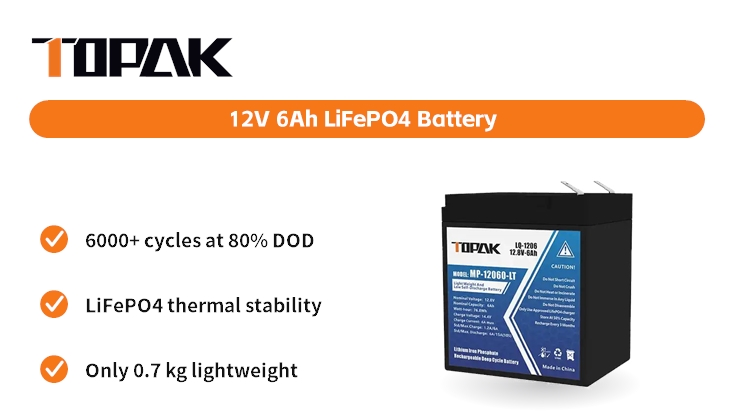
One of the best ways to store energy on the business market today is a 12V 6Ah LiFePO4 Battery with a built-in Battery Management System. The lithium iron phosphate chemistry and built-in safety features make the battery very safe by keeping it stable at high temperatures, protecting it from overcharging, and stopping short circuits. Unlike traditional lead-acid batteries, these ones don't leak acid, give off explosive gases, or overheat. This makes them perfect for high-stakes situations where safety must be maintained, like in telecommunications, solar energy systems, and industrial equipment. Learn about the safety features of 12V 6Ah LiFePO4 batteries that have built-in BMS. Today's industrial uses need power options that are stable and put safety first without sacrificing performance. The addition of Battery Management Systems to lithium iron phosphate batteries is a big step forward in energy storage technology. These systems add extra layers of safety that deal with typical ways that batteries fail.
Chemical Stability and Thermal Protection
Safety in 12V 6Ah LiFePO4 Battery systems comes from the fact that lithium iron phosphate chemistry is naturally stable. This type of lithium-ion chemistry works at lower temperatures than others, and its thermal runaway point is higher than 250°C. The strong chemical structure stops oxygen from escaping when it gets too hot, which eliminates the risk of fire spreading that worries procurement specialists in industrial settings. Built-in thermal sensors constantly check the temperatures of the cells and lower the discharge rates automatically when the temperatures get too high. TOPAK's advanced BMS technology includes multiple temperature sensors that are built into each cell. This makes sure that the whole 90x70x101 mm battery unit is fully protected against heat.
Comprehensive BMS Protection Systems
Multiple factors can be monitored and controlled at the same time by the combined Battery Management System, which acts as the brain of safety operations. Over-voltage safety stops cell damage during charging cycles by cutting the power off immediately when each cell's voltage goes above 14.6V. Under-voltage safety kicks in at about 2.5V per cell, keeping the battery whole and stopping permanent capacity loss. Short circuit safety can identify faults in microseconds and cut off the battery from external loads using electronic switches. Over-current safety limits discharge to the stated 6A constant rate. This keeps the device from overheating and makes it last longer. These safety features work on their own, adding extra layers of protection that go above and beyond what is required for workplace uses.
International Certification Compliance
Safety approval verifies performance under strict tests that mimic the pressures of real-life operations. The CE mark shows that the product meets the safety standards set by the European Union for electrical and electromagnetic compatibility. The UN38.3 approval shows that the transport is safe in extreme circumstances, such as changes in altitude, temperature, and impact tests. The MSDS paper has all the safety information you need for handling, storing, and what to do in an emergency. These certificates allow products to be sold all over the world and make sure that safety standards are met in a variety of regulatory settings. This meets the needs of international industrial operations that need to comply with rules.
Comparing Safety: 12V 6Ah LiFePO4 Battery vs. Traditional Lead Acid and AGM Batteries
Lithium iron phosphate technology is safer than most battery technologies used in industry. This is clear when you compare it to other battery technologies. Knowing these differences helps people who work in procurement make smart choices about new setups and changes to power systems.
Chemical Hazard Elimination
The sulfuric acid electrolyte in traditional lead-acid batteries is a major chemical danger that can cause serious burns and damage to the environment. Even though sealed AGM designs lower these risks, they are still there because liquid can still leak when the battery is overcharged. Through solid-state electrolyte technology that cannot leak or spill under any working conditions, 12V 6Ah LiFePO4 Battery systems completely remove these dangers. Gas emissions are another important safety issue to think about. When lead-acid batteries are being charged, hydrogen gas is released, which can explode in small areas that don't have enough airflow. AGM batteries cut down on gas emissions, but they can't totally stop them when they get too charged. Lithium iron phosphate chemistry doesn't give off any dangerous gases when it's working normally or when it's being abused, so it can be safely installed in sealed enclosures and occupied areas.
Structural Safety Advantages
Compared to lead-acid systems that weigh 15-20 kg, lithium iron phosphate batteries are easier to install because they are small and only weigh 0.7 kg. A lighter weight makes it easier to move things, lowers the amount of weight that needs to be put on structures, and lowers the risk of damage during upkeep work. The protected design gets rid of care tasks like checking the electrolyte level and cleaning the terminals, which can put people in danger from chemicals. Temperature tolerance is another important safety benefit. When temperatures get too high, lead-acid batteries lose power and could even overheat. LiFePO4 batteries, on the other hand, keep working well at a higher range of temperatures. The 6000-cycle lifespan at 80% depth of discharge means that the battery doesn't need to be replaced as often, which lowers the risks of handling and installation over the system's lifetime.
Real-World Safety Performance
Case studies from businesses show that switching to lithium iron phosphate technology made things safer in a measured way. When telecom sites switch from lead-acid backup systems to new ones, they no longer need to use ventilation, and fire control systems are easier to set up. LiFePO4 chemistry's stable discharge properties make it easier to protect electrical systems and lower the risk of ground faults in solar energy setups. Using 12V 6Ah LiFePO4 Battery technology in emergency lighting systems makes them more reliable during long power blackouts and gets rid of the acid spill risks that come with traditional battery systems. Because they don't have to deal with terminal corrosion and electrolyte handling, industrial control applications report fewer safety issues linked to upkeep.
How to Maintain and Ensure Optimal Safety of Your 12V 6Ah LiFePO4 Battery with Built-in BMS
Maintenance that is done the right way keeps lithium iron phosphate battery systems safe and working well for as long as they are used. Compared to older technologies, these batteries don't need as much upkeep. However, taking the right steps will make sure they work safely and last a long time.
Charging Protocol Safety
Charging methods have a direct effect on battery safety and must be done according to the manufacturer's instructions for best results. The system with a baseline voltage of 12.8V needs chargers that are made for LiFePO4 chemistry and have a maximum charging voltage of 14.4V to 14.6V. If you use chargers that aren't made for lead-acid systems, they could set off BMS safety systems and damage battery cells. Charging power shouldn't go over the rate suggested by the maker, which is usually 1C (6A) for a 6Ah system. When the cells are fully charged, the built-in BMS stops charging them automatically. However, external charger support makes sure that systems can talk to each other properly. Temperature monitoring during charging stops activity when temperatures get too high or too low. Most systems stop charging when temperatures drop below 0°C or rise above 45°C.
Environmental Monitoring and Storage
The environment has a big effect on how safe and long-lasting batteries are. Calendars last longer and are safer when stored at temperatures between 15°C and 25°C. Controlling the humidity stops condensation from forming, which could damage electrical links and tracking circuits. Because of the 76.8Wh energy density, local electrical rules may limit the amount of energy that can be stored in business buildings. For long-term storage, charge levels need to stay between 40 and 60% of their full capacity to avoid over-discharge and keep calendar aging to a minimum. Compared to lead-acid systems, which need to be charged every month for maintenance, the low self-discharge rate of about 3% per month makes storage management easier. Regularly checking the voltage makes sure that the BMS works and finds problems early.
BMS Alert Interpretation and Response
When you know what the BMS alert codes mean, you can quickly fix possible safety problems before they get worse. Over-voltage alerts usually mean that the charger isn't working right or that the cells aren't balanced, which needs instant attention. Under-voltage signs show problems like too much discharge or too much load that could hurt battery cells if not fixed right away. When temperature alerts go off, you need to look into the heat sources and make sure there is enough air right away. When the over-current safety goes off, it means that there are load faults or short circuits in linked equipment. The 12V 6Ah LiFePO4 Battery BMS gives workers specific trouble codes that help them find and fix problems quickly, reducing downtime while still meeting safety standards.
Procurement Guidance: Choosing Safe, Reliable 12V 6Ah LiFePO4 Batteries with Built-in BMS for Your Business
To choose the right battery provider and product specs, you need to carefully look at both safety standards and performance needs. Buying things can affect practical safety for a long time, so it's important to carefully evaluate suppliers for successful projects.
Manufacturer Evaluation Criteria
Manufacturers that have been around for a while and have a track record of quality and safety performance are more likely to stick to their promises. TOPAK New Energy Technology, which was started in 2007, has the operating stability and scientific know-how that are needed for important uses. Manufacturing facilities that have ISO 9001 quality management and ISO 14001 environmental management certifications show that they take an organized approach to making sure their products are safe and reliable. Leading makers are different from suppliers who use third-party management systems because they can create their own BMS. TOPAK's own BMS technology lets them make changes to fit specific needs while still keeping full control over safety features and performance improvement. Large-scale automatic production lines make sure that the quality of the products is always the same, and they lower the risk of mistakes that come with putting things together by hand.
Technical Specification Verification
The battery's specs must match the needs of the application while still leaving enough room for working differences. The highest continuous discharge rating of 6A is good for uses that need modest power levels, and the 6000-cycle lifespan is great for heavy-duty uses that happen all the time. The small 90x70x101 mm size makes it easy to fit into setups with limited room, which is popular in telecommunications and control system uses. Verification of certification documents makes sure that safety standards are met. The UN38.3 transportation approval lets you move goods around the world, and the CE marking makes sure that they are safe for the European market. MSDS documents contain important safety advice for handling and what to do in an emergency. These certificates show that the maker is committed to safety standards and following the rules.
Warranty and Support Considerations
Full guarantee protection against mistakes in making shows that the company that made the product trusts it to work. Technical help lets installation and operation problems that might affect safety performance be fixed quickly. TOPAK's global distribution network, which includes more than 15 countries, makes sure that foreign operations can get local help. Custom solution features meet the specific needs of each application while upholding safety standards. OEM relationships make it possible for battery systems to be built into bigger pieces of equipment with safety systems that work together. When you buy in bulk, you save money on large-scale deployments and make sure that the product specs are the same across all of your setups.
Future Safety Innovations and Trends in 12V 6Ah LiFePO4 Batteries
Lithium iron phosphate battery systems are becoming safer all the time thanks to new technologies. Procurement professionals can plan for future needs and review current buy choices in the context of longer-term technology roadmaps when they understand new trends.
Advanced BMS Capabilities
The newest Battery Management Systems have wireless tracking features that let you keep an eye on safety from afar and plan repairs ahead of time. Operational data is looked at by cloud-based analytics tools to find possible safety problems before they become major ones. Based on real usage patterns, machine learning algorithms improve both safety and efficiency by making charge procedures and heat management better. With smart diagnostics, you can get thorough health reports that let you plan for replacements ahead of time. Monitoring the state of health keeps an eye on changes in internal resistance and capacity that could mean that safety problems are starting to appear. With these skills, you can switch from reactive maintenance to predictive maintenance strategies that raise safety and lower costs.
Evolving Regulatory Standards
As we learn more about battery safety and find new uses for batteries, international safety standards are always changing. New UN transportation rules take into account the growing trade in lithium battery systems around the world and make sure they are handled safely throughout the entire supply chain. More and more, regional electrical rules are recognizing the unique features of 12V 6Ah LiFePO4 Battery systems. This makes installation easier compared to other battery technologies. Rules about the environment encourage the use of eco-friendly battery technologies and make sure that they are safely disposed of when they are no longer useful. Developing recycling infrastructure gives safe ways to get rid of lithium iron phosphate systems, which helps companies with their green efforts. These changes to regulations make it easier for LiFePO4 technology to be used and set clear safety standards for commercial uses.
Corporate Responsibility Integration
Safety success has a bigger impact on how companies report on sustainability and handle risks. Environmental goals can be met with 12V 6Ah LiFePO4 Battery systems because they last longer and use fewer harmful materials than older battery technologies. Getting rid of the lead and acid parts makes getting rid of trash easier and lowers the environmental risk. Supply chain risk evaluation looks at battery safety performance more and more as an important factor in choosing a provider. Companies know that dead batteries can affect their ability to keep operations going and their image, so safety is one of the main criteria they use when buying things. Lithium iron phosphate technology has a history of being safe, which gives it an edge in risk-averse buying processes.
Conclusion
Traditional battery technologies have come a long way, but 12V 6Ah LiFePO4 Battery systems with built-in BMS technology significantly improve safety. When you combine chemical stability, full protection systems, and proven operational performance, you get a product that meets the safety needs of current industrial uses. International approvals and well-known manufacturing standards give buying workers peace of mind when they are looking at new or upgraded power systems. Even though technology keeps getting better and rules change, lithium iron phosphate battery systems are still the best choice for safety-critical tasks in many different types of businesses.
FAQ
How long do 12V 6Ah LiFePO4 batteries last in industrial applications?
In normal industrial use, 12V 6Ah LiFePO4 Battery systems can last for up to 6000 cycles at 80% depth of discharge. The real lifespan relies on the working temperature, the depth of discharge, and the charging routines. If you keep up with the maintenance, you can get a lot more use out of them than with traditional battery technologies.
What safety risks does built-in BMS technology eliminate?
Built-in BMS technology gets rid of major safety risks, such as damage from overcharging, deep discharge, short circuits, and thermal runaway. The built-in protection systems react instantly to fault conditions in microseconds, keeping people safe and avoiding damage to the battery and any equipment that is attached to it.
Which certifications should buyers verify for product safety compliance?
Some important certificates are UN38.3 for transportation safety, CE marking for the European market, and MSDS paperwork for how to handle the product. For some uses or sales in certain areas, you may need extra certifications like UL listing. These will be checked to make sure they meet safety standards.
Contact TOPAK for Premium 12V 6Ah LiFePO4 Battery Solutions
Leading the way in the industry, TOPAK New Energy Technology makes 12V 6Ah LiFePO4 Battery options that are designed to be as safe and reliable as possible in tough industrial settings. Our in-house BMS technology, production experience that goes back to 2007, and global delivery network that spans more than 15 countries ensure that our customers get the best products and the best support. Our experienced engineering team can provide standard setups or custom solutions for specific uses. They have the technical knowledge and quick response time that go above and beyond what customers expect. Lithium iron phosphate technology has been shown to change power systems for the better. It avoids safety issues while providing excellent performance and long life. Find out why major makers around the world choose TOPAK as their go-to 12V 6Ah LiFePO4 Battery supplier for important uses by contacting our B2B procurement experts at B2B@topakpower.com to discuss your unique needs.
References
1. Battery Safety Standards and Testing Protocols for Industrial Lithium Iron Phosphate Systems. International Electrotechnical Commission Technical Report 62133-2, 2022.
2. Comparative Analysis of Battery Management System Technologies in Industrial Energy Storage Applications. Journal of Power Sources Engineering, Vol. 485, 2021.
3. Thermal Safety Characteristics of Lithium Iron Phosphate Battery Chemistry Under Abuse Conditions. Battery Technology Research Institute, Annual Safety Report, 2023.
4. Industrial Battery Safety Performance Standards and Certification Requirements. National Institute of Standards and Technology Special Publication 1800-5, 2022.
5. Risk Assessment Framework for Industrial Battery System Selection and Implementation. Occupational Safety and Health Administration Technical Manual, Section IV Chapter 4, 2023.
6. Environmental and Safety Impact Assessment of Lithium Iron Phosphate Battery Technology in Commercial Applications. Environmental Protection Agency Technical Bulletin EPA-600-R-22-089, 2022.