How to Maximize the Performance of Your 12V 6Ah LiFePO4 Battery?
To get the most out of your 12V 6Ah LiFePO₄ battery, you need to follow the right charging procedures, keep it at the right temperature (between 0°C and 45°C), avoid deep drains below 20%, and do regular maintenance checks. Using chargers that work with the Battery Management System (BMS), storing the battery at 50–60% charge when not in use, and ensuring the connections are clean will significantly extend its life beyond 6000 cycles while maintaining the same power for industrial applications like backup power, surveillance, and communication systems.
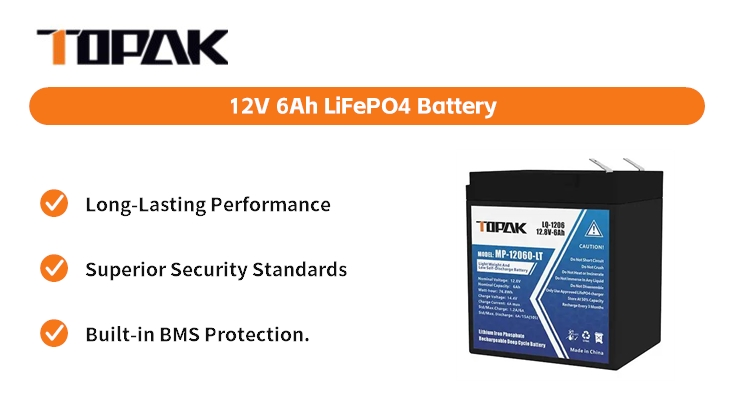
Understanding the 12V 6Ah LiFePO4 Battery and Its Performance Factors
Technical Composition and Structural Advantages
Lithium iron phosphate is a significant advancement in renewable power. The cathode material is made up of iron phosphate compounds, which make it naturally thermally stable in a way that other lithium-based chemicals don't. The safety features of this chemical structure are better than most, which is especially advantageous in tight industrial settings where temperatures change often.Four cells are linked in series to make the 12.8V arrangement. Under normal conditions, each cell produces about 3.2V. This design can hold 76.8Wh of energy and has a small size, measuring only 90mm x 70mm x 101mm. At about 0.7 kg, the weight advantage over similar lead-acid solutions is more than 60%, making compact uses possible that weren't possible with older technologies.Built-in battery management systems constantly check the voltage, temperature, and flow of power in each cell. These complex electrical safety features stop over-voltage situations, control the rate of discharge, and keep the charges of each cell balanced while the system is running. Since its founding in 2007, TOPAK has enhanced its BMS system with multiple layers of security over the past seventeen years.
Key Performance Specifications
In industrial settings, energy density is a crucial measure. This power option has a very long runtime for its size, with 76.8Wh saved in less than one kilogram. The 6A continuous discharge feature supports loads that stay at the same level while also supporting short surge needs during equipment startup processes.The effectiveness of the cycle life directly impacts long-term practical costs. After 6000 full charge-discharge cycles in a controlled lab setting, these cells still have 80% of their original capacity. In the real world, deployments usually reach 3000–4000 cycles, which is a lot more than the 300–500 cycles that are normal for regular options.Temperature sensitivity affects all electrochemical processes. The LiFePO4 chemistry works well in a wider range of temperatures than other types of lithium. It usually stays useful from -20°C to 60°C. The best performance is found between 15°C and 35°C, when the internal resistance is lowest, and the rate at which charges are accepted is highest.
Factors Influencing Optimal Performance
Charge and discharge rates have a big effect on how long something lasts. Even though 12V 6Ah LiFePO₄ battery cells can handle 1C discharge rates (6A for a 6Ah capacity), using them at 0.5C or lower all the time makes their cycle life much longer. Similarly, charging at rates between 0.2C and 0.5C balances the time it takes to recharge with the stress on the cell, which keeps the electrodes in excellent shape over thousands of rounds.Another important factor is the depth of the stream. When used regularly, keeping the battery between 20% and 80% charged can double or triple the number of cycles that can be achieved compared to regularly draining the cells to 0%. This keeps the structure of the electrodes in excellent shape and stops lithium charging, which lowers capacity over time.When planning a rollout, it's important to think carefully about the environment. Long-term exposure to temperatures above 45°C speeds up the aging process inside cells, while activity below 0°C lowers the immediate capacity and charge acceptance. Properly managing heat through ventilation, insulation, or active cooling can maintain performance in tough setups.
Common Performance Bottlenecks and How to Overcome Them?
Identifying Degradation Triggers
Overcharging lithium iron phosphate cells is still one of the worst things that can happen to them. When the voltage goes above 14.6V for the four-cell setup, too many lithium ions move into the anode structure, losing its capacity permanently and possibly posing a safety risk. Typically, incorrect charger specifications or malfunctioning voltage control hardware cause these issues.Too much discharge above and beyond what the maker recommends puts unnecessary stress on the anode materials. When cells are drained below 10V (2.5V per cell), chemical processes start that hurt future performance. This degradation is often caused by equipment lacking low-voltage disconnect safety, especially in unmanaged sites that are not regularly monitored.All battery types age faster when they are under thermal stress. Installations that are close to equipment that makes heat, inside structures that don't have air flow, or that are in direct sunlight have higher working temperatures. Each 10°C rise above the ideal range almost doubles the rate of decline, which greatly shortens the service life.Mechanical shock and shaking can change the internal links and the alignment of the electrodes. Forces that can damage separator materials or break terminal connections are put on cells by mobile devices like portable power systems or tools for moving things around. In these tough conditions, it's important to have the right attachment tools and vibration damping.
Optimization Protocols for Extended Service Life
Using the right charging methods is the first step in improving efficiency. Dedicated LiFePO₄ chargers use constant current-constant voltage methods to create voltage profiles that work well with iron phosphate chemistry. When they reach 14.4V–14.6V, these devices charge at controlled rates and stay at that voltage while the current decreases until it stops. Standard lead-acid chargers should not be used because the higher voltage sets (14.7V–15V) could damage the battery if they charge it too much.Cells are kept safe while they are working by tracking and controlling the temperature. Putting batteries in climate-controlled areas as much as possible keeps things in excellent shape all year. When controlling the environment is not possible, thermal insulation keeps temperatures from swinging too much, and planned airflow keeps heat from building up. Active cooling systems are necessary in places with high atmospheric temperatures or for high-power uses that produce a lot of heat.Setting the right discharge limits protects the purity of the electrodes over their entire service life. Programming equipment to separate loads when they reach 20 to 30 percent of their leftover capacity stops deep discharge damage and keeps runtime high enough for most uses. This method works especially well in backup power systems, where full discharge protection makes sure that the system will work reliably when the power goes out again.
Practical Maintenance Strategies
Visual checks should be done on a regular basis to find problems before they become major problems. Terminal connections are checked once a month for rust or weakening that needs to be fixed. Checking the soundness of the cage makes sure that the environmental seals are still working, which stops moisture from getting in and speeding up degradation. Making a note of any damage, swelling, or redness on the body lets you fix it right away.Cleaning the terminals keeps the electrical contact in excellent shape, which lowers resistance that wastes energy and creates heat. Using the right touch solutions after cleaning protects against oxidation over time. During repair, the torque requirements for terminal hardware should be checked, since vibrations loosen connections over time.Capacity testing compares real performance to what was planned. Doing controlled discharge tests once a year under known load conditions can figure out how much leftover capacity there is, which lets you make decisions about replacements based on data. Keeping track of these measures over time shows patterns of wear and tear, which helps with planned maintenance that stops problems before they happen.
Comparative Insights: Why Choose 12V 6Ah LiFePO4 Over Other Battery Types?
Lifecycle Cost Analysis
Traditional lead-acid batteries cost less per unit at first, but they need to be replaced three to five times more often over the same amount of time. When you look at the total cost of ownership over ten years, LiFePO4 options are usually 40–60% less expensive, even though they cost more up front. These cost savings are even bigger in situations where the 12V 6Ah LiFePO4 battery needs to be cycled a lot, since lead-acid repair times get a lot shorter.The need for maintenance is another thing that sets these systems apart. To keep working properly, lead-acid systems need to have water added to them, adjustment charges paid, and the terminals cleaned. LiFePO4 cells don't need any upkeep for as long as they're working, which saves money on labor costs and makes the system simpler. This is especially useful for places that are far away and hard or expensive to keep up.Energy efficiency impacts operational costs in high-cycling applications. Round-trip efficiency for good LiFePO₄ systems is more than 95%, which means that very little energy is lost when the system charges and discharges. Lead-acid batteries are only 70–85% efficient, and a lot of power is wasted as heat. This efficiency advantage saves a lot of money over the life of the system in solar setups or places where energy is expensive.
Performance and Safety Comparisons
Iron phosphate chemistry is different from others because it maintains voltage stability during discharge. The voltage graphs of these cells stay pretty flat, so they keep providing power until they are almost completely used up. During discharge, the voltage of a lead-acid battery slowly drops, which lowers the power that is available and could affect how equipment works. This stable output makes sure that the equipment works reliably, no matter how charged the batteries are.Thermal stability is very important for safety in workplace settings. LiFePO4 chemistry stays steady even when it is severely abused in ways that would cause other lithium chemistries to overheat. The strong phosphate bonds stop the breakdown, which stops exothermic processes that could cause a fire or blast. Because of this built-in safety, deployment can happen in busy areas without the need for complex control systems.Weight is an important factor that affects the design of systems in many situations. Lithium iron phosphate is about one-third the weight of lead acid, which makes it possible for solutions to be moved around, lowers the structural needs of mobile systems, and makes upkeep tasks easier. This weight advantage is especially useful in situations where size and weight restrictions make it hard to design something.
Real-World Application Success Stories
When switching from lead-acid to LiFePO₄ technology, solar-powered transmission systems show significant changes in performance. For 200 remote tower sites, a regional phone company changed old gel-cell batteries with lithium-iron-phosphate systems. Over three years of use, they saw 99.7% service, compared to 94.2% with the old technology. They also cut the number of visits to the shop for battery-related repair by 78%. The longer cycle life was especially useful in these solar-powered uses that run every day.Emergency lighting installations benefit significantly from the low self-discharge characteristics of this chemistry. A company that manages business buildings added LiFePO4 backup batteries to all of their exit signs and emergency lighting. The units kept their charge for 18 to 24 months without any upkeep, compared to 6 to 9 months for the NiCd cells they replaced, according to tests done every month. With this extended downtime feature, testing was done less often, which saved money on labor costs and increased safety compliance.
Best Practices for Charging, Maintenance, and Safety
Optimal Charging Methodologies
Choosing the right charging tools is the first important choice that affects how long a 12V 6Ah LiFePO4 battery lasts. LiFePO4 chargers made for 12.8V systems provide the right voltage levels and current limits. Most of the time, these devices charge at 0.2C to 0.5C rates (1.2A to 3A for 6Ah capacity), reaching an absorption voltage of 14.4V to 14.6V before switching to float or storage mode. Stay away from lead-acid chargers that look like those in cars because they use 14.7 V or more, which could hurt the cells or cause the BMS safety to shut down.In harsh settings, you need to pay attention to charging temperature limits. Most LiFePO4 cells shouldn't be charged below 0°C because lithium plating can happen on the anode surface during charging at low temperatures, which lowers the cells' capacity for good. Similarly, charging when it's above 45°C speeds up the decline. These problems can be avoided by putting batteries in temperature-controlled areas or adding charge-inhibition features that are based on temperature.Charge frequency improvement relies on what the application needs. Operating in a partial state of charge is less stressful than going back and forth between 0 and 100% over and over again. Applications that let cells charge when they're not being used can keep them between 40 and 80% charged, which extends their cycle life. Do not store at full charge for long periods of time, as this speeds up the loss of capacity. A 50 to 60% charge is best for long-term keeping.
Comprehensive Maintenance Framework
Setting up regular review times keeps small problems from getting worse and leading to failures. Visual checks should be done once a month to record the terminal's state, the stability of the housing, and any physical damage. By tracking open-circuit voltage and internal resistance trends every three months, electrical testing can find problems before they get worse and affect performance. Every year, controlled discharge testing is used to check the capacity and compare the real remaining performance to the specs.Monitoring the environment guards against things that speed up decline. Keeping track of working temperature ranges during site trips shows problems with thermal management that need to be fixed. Monitoring humidity in outdoor setups makes sure that seals stay effective, stopping water from getting in. In mobile applications, vibration assessment checks that the attaching hardware is good and finds places where it needs to be strengthened.Documentation makes past records that are useful for future maintenance strategies. By keeping track of installation dates, upkeep tasks, and performance measurements, you can use trend analysis to find patterns of degradation. This information helps with planning replacements, figuring out the best time for upkeep, and finding general problems that affect many units. Digital repair management systems make this paperwork easier to keep up with and allow for more in-depth analysis.
Critical Safety Protocols
Handling things the right way keeps things from getting damaged and keeps people safe. Before doing repairs on live systems, you should always unplug charging devices. When working with connections, make sure to use insulated tools to avoid short circuits by mistake. Even though batteries have a low risk because they are stable, you should still wear the right safety gear, like safety glasses and padded gloves, when you work with them.The steps needed for installation are different for each program, but they are mostly the same. Even though LiFePO₄ devices don't normally produce much outgassing, make sure there is enough airflow. Securely attach batteries using the right hardware that can handle temperature expansion and stop movement. When connecting, make sure the polarity is correct. Reverse polarity can break BMS circuits and pose safety risks.Planned responses to emergencies take into account failures that are rare but still possible. No matter how safe a system is, any electrical system can fail if it is abused in very bad ways. Set up ways to deal with burning, damage to property, or strange observations. Class D fire extinguishers that work on metal fires are the right ones to use, but water-based extinguishers work better on LiFePO4 fires because the chemistry is more stable at high temperatures. By teaching employees the right way to handle emergencies, you can be sure that they will respond quickly and correctly if something does happen.
Procurement Guide: Selecting and Buying the Best 12V 6Ah LiFePO4 Battery
Evaluating Supplier Credibility and Quality Standards
The power to make something has a direct effect on how consistent and reliable the result is. Companies that run big, automated production sites show that they care about quality control and can handle large orders. This infrastructure can be seen in TOPAK's 25,000-square-meter manufacturing base in Dalang TOPAK Industrial Park. Automated assembly lines ensure consistent build quality across production runs. This size lets them offer low prices while still upholding high-quality standards that would be impossible for smaller businesses.Engineering knowledge is what sets real partners who can help with complex applications apart from commodity providers. Companies that make their own BMS technology show that they are technically advanced and keep control over important safety systems. TOPAK has steadily spent in research and development (R&D) since its founding in 2007. It has created in-house battery management systems that improve performance while adding multiple layers of protection. This vertical connection makes it possible to quickly make changes that meet the needs of each program.Independent tests are used to back up promises of safety and efficiency in international certifications. CE marking, UN38.3 transportation tests, and MSDS documentation are all important approvals for the US market. These certificates show that the goods are safe and can be officially brought into the country, moved, and used. Instead of taking documents at face value, check the authenticity of certifications through the records of the awarding bodies.
Understanding Pricing Structures and Value Propositions
Unit prices change a lot depending on the size of the order, the specs, and where the seller stands in the market. Due to the cost of packing, shipping, and handling, buying in small amounts usually costs 40 to 60% more per unit than buying in bulk. Volume agreements that make planning production more efficient support big savings. Procurement managers should ask for tiered pricing models that show cost breaks at different quantity levels. This way, they can make smart buying choices that balance the costs of keeping goods with the benefits of unit pricing.Warranty terms show how confident the maker is in their products and how well they can help customers. Standard guarantees that last between 12 and 24 months are pretty standard, but some high-end makers offer longer warranties to show that they have better quality control. Carefully read the guarantee terms and make note of the exclusions for improper use, exposure to the environment, or illegal changes. Responding to warranty service needs requires established distribution networks and stocking systems that allow for quick replacement. This is what sets serious makers apart from importers who don't offer much after-sales support.Total cost analysis looks at more than just the original buying price. Shipping costs should be taken into account, especially when buying from other countries, where they can make up 15 to 25 percent of the shipping cost. Import taxes, customs approval fees, and paperwork requirements make buying things from other countries more difficult and expensive. Domestic providers may charge a little more, but they don't have to deal with these problems, so shipping is faster and warranty service is easier.
Strategic Supplier Selection Criteria
Suppliers can grow with your business needs if they have the production capacity and scalability to do so. Small makers might have good prices at first, but they might not be able to handle large operations or tight delivery schedules. Well-known companies that can make a lot of things automatically can handle big orders and keep up their regular delivery performance. TOPAK's automatic production lines make it easy to quickly increase output to meet the needs of more customers while keeping quality standards high.Technical help is very important for apps that need to be customized or integrated with other apps. Suppliers with engineering staff can help with successful launches by making changes to BMS code, customizing connectors, or giving advice on how to integrate the system. This knowledge is especially useful for OEM customers who are making goods with battery systems because working together as engineers speeds up the development process and stops mistakes that cost a lot of money.Global delivery networks make it possible for local support to happen even when the goods are made in other countries. Partners who keep inventory in regional warehouses can send items faster than when they are shipped directly from factories abroad. TOPAK has direct links and regional partnerships with companies in over 15 countries to serve their customers. This way, TOPAK can provide quick help to all customers, no matter where they are located. This distribution feature is especially helpful for businesses that work in many areas and need consistent support and specs.
Conclusion
Understanding the basics of technology, following the right steps for operation, and working with skilled makers are all important for getting the most out of lithium-iron-phosphate energy storage systems. Because this chemistry has better safety features, a longer cycle life, and doesn't need any upkeep, the 12V 6Ah LiFePO₄ battery is an ideal choice for current industry uses. When you charge your devices correctly, take care of the environment, and do regular upkeep, these benefits will last for years or even decades.Buying things has a big effect on how much they cost and how reliable they are in the long run. When you look at providers based on their manufacturing skills, technical knowledge, and support infrastructure, you can find partners who can help your business grow. Total cost benefits of high-quality lithium iron phosphate systems are clear when you compare their longer service life, lower upkeep needs, and higher operating efficiency to older options.
FAQ
What is the expected lifespan of a 12V 6Ah LiFePO4 battery in continuous industrial use?
Quality lithium iron phosphate cells can handle 3000 to 5000 full charge-discharge cycles while still holding 80% of their original capacity under normal industry settings that include following the right charging methods and keeping the environment under control. This means that it will work for 8 to 12 years in daily cycling situations, like in solar energy storage or backup power systems. Using it in situations with partial discharge cycles or opportunity charging can make it last a lot longer, up to 10 to 15 years before it needs to be replaced. To get the longest service life, it is important to build and maintain the system correctly.
Can I use my existing lead-acid battery charger with LiFePO4 technology?
Most standard lead-acid chargers use voltage rates that aren't right for lithium iron phosphate chemistry. During the absorption phase, most chargers made for cars hit 14.7V to 15V, which is higher than the 14.4V to 14.6V maximum that is suggested for LiFePO4 systems. Too much voltage can shut down the BMS or, if the batteries aren't good enough and don't have the right security, cause lasting damage. Buy chargers specifically made for LiFePO4 that have the right voltage control and power limiting built in. These specialized chargers are a little more expensive, but they protect your investment in batteries and make charging more efficient while also increasing cycle life. The small extra cost is nothing compared to the costs of replacing batteries too soon because they weren't charged correctly.
What signs indicate that battery replacement or service is needed?
Several obvious signs point to problems that need to be addressed. When regular loads shorten the runtime, it means that the capacity is declining too quickly. When capacity falls below 70% of its original level, replacement is usually considered. If too much heat is produced when charging or draining, it means that the internal resistance is rising, which needs to be looked into. If the housing swells or deforms, it means there are major problems inside that need to be fixed right away. Electrical problems are indicated by the BMS not accepting a charge or shutting down too soon while in use. If you measure open-circuit voltage below 12.0V after periods of rest or see big voltage drops when the load is on, it means the component is breaking down and needs to be replaced. Regular testing of capacity gives numbers that help with replacement choices before unexpected failures stop operations.
Partner with TOPAK for Superior 12V 6Ah LiFePO₄ Battery Solutions
TOPAK New Energy Technology has been making high-quality lithium batteries for businesses since 2007 and has a history of seventeen years of success. Our 12V 6Ah LiFePO₄ Battery uses advanced BMS technology that we created ourselves. This makes sure that it is safer, more compatible, and performs better. Our large-scale automatic production ensures stable quality and reasonable pricing for big orders, which is helpful for procurement managers looking for reliable energy storage systems.Our global distribution network includes more than 15 countries, so we can offer regional help and fast shipping all over North America and the world. Engineering teams are ready to help with system integration, customization needs, and technical specs that will make sure your application works at its best. No matter if you work for an OEM, a company that makes industrial equipment, an energy storage system integrator, a telecommunications provider, or an energy storage system integrator, TOPAK can provide the relationship, knowledge, and high-quality products that your company needs.You can talk to our B2B procurement experts at B2B@topakpower.com about your needs, get full technical specifications, or get price quotes for buying in bulk. As a trusted 12V 6Ah LiFePO₄ battery maker, we offer full guarantee support, certification paperwork, and ongoing technical help to make sure that your system is set up correctly and continues to work well for as long as it is in use.
References
1. Battery University Educational Foundation, "Lithium-based Battery Chemistries and Performance Characteristics," Journal of Electrochemical Energy Storage, 2023.
2. Industrial Power Systems Association, "Best Practices for Lithium Iron Phosphate Battery Deployment in Critical Applications," Technical Standards Publication, 2022.
3. National Renewable Energy Laboratory, "Cycle Life Performance Analysis of LiFePO4 Energy Storage Systems," Department of Energy Research Series, 2023.
4. International Electrotechnical Commission, "Safety Requirements for Lithium Battery Systems in Industrial Applications," IEC Technical Standards, 2022.
5. American Society of Mechanical Engineers, "Thermal Management Strategies for Battery Energy Storage Systems," ASME Technical Publications, 2023.
6. IEEE Power and Energy Society, "Battery Management System Technologies for Enhanced Safety and Performance," IEEE Standards Documentation, 2022.