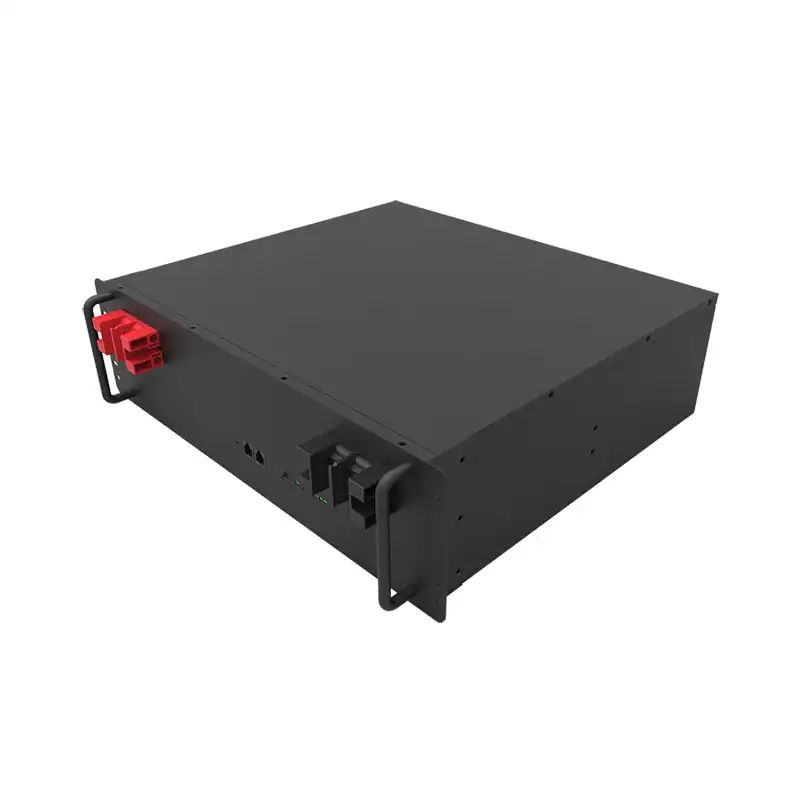
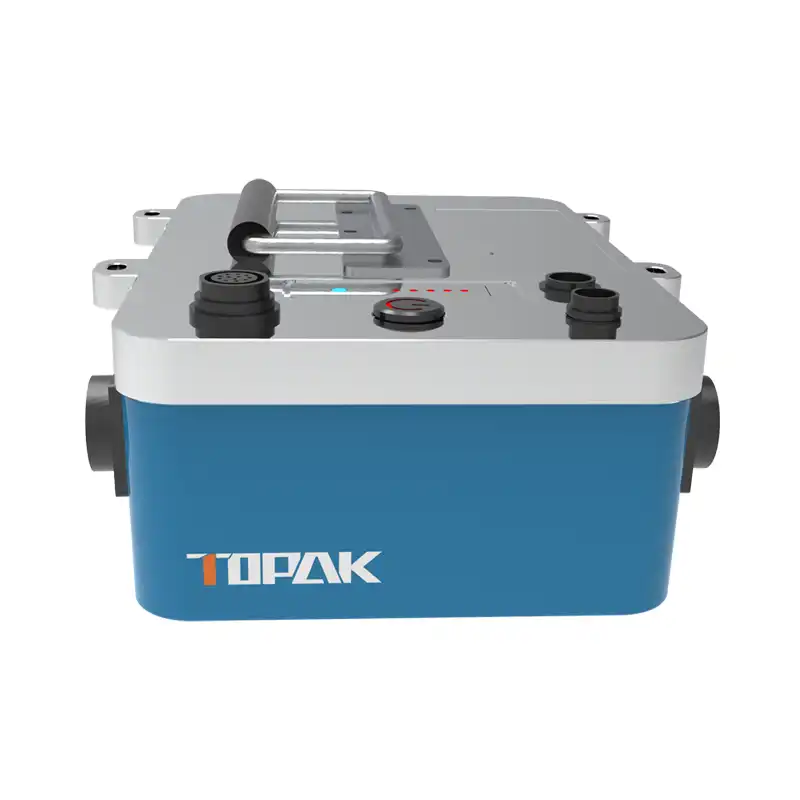
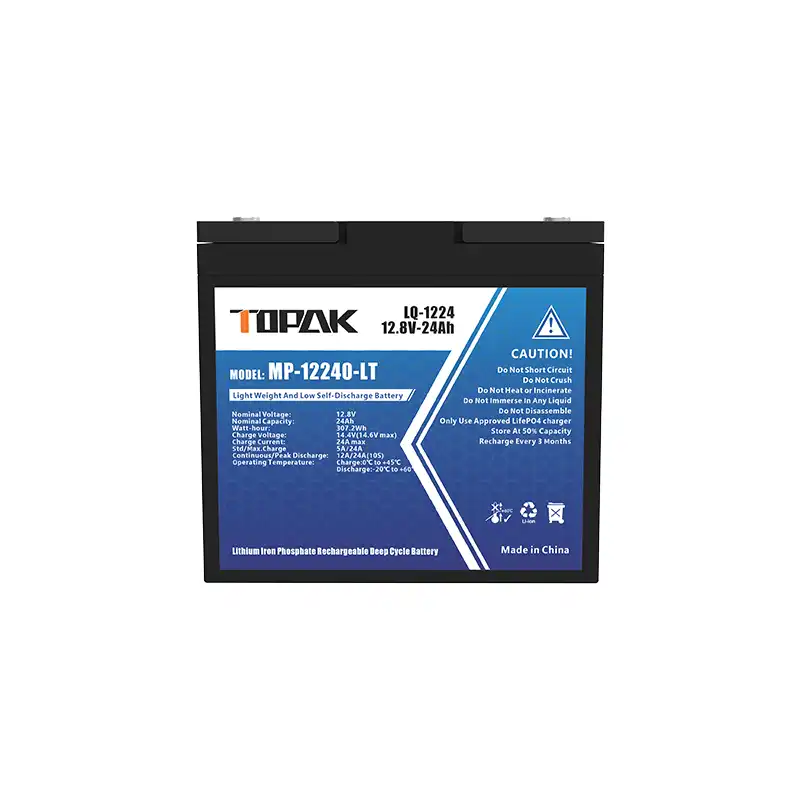
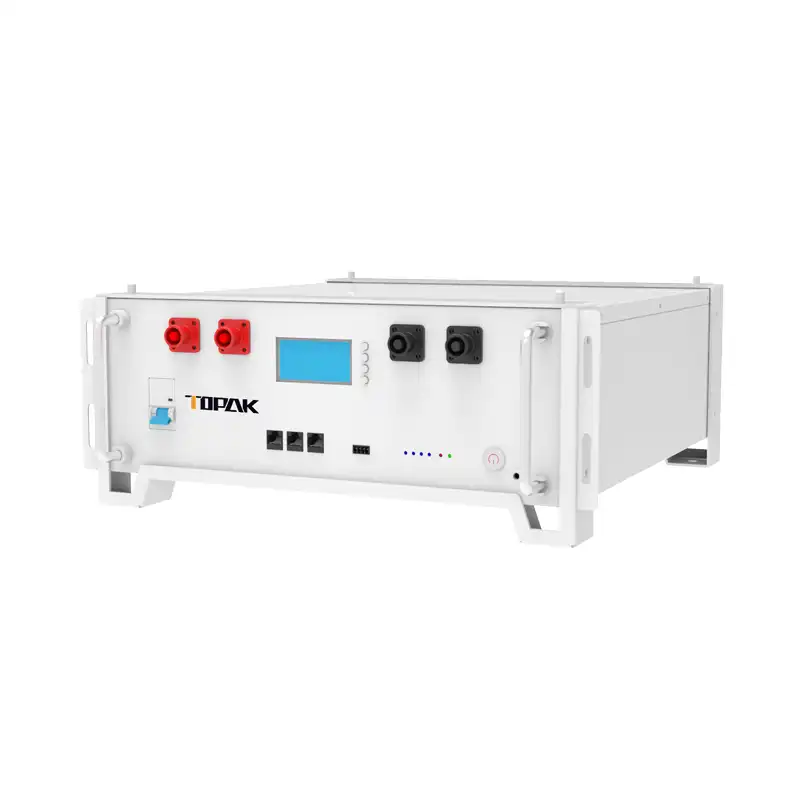
Lifepo4 battery 12v 20ah for Scalable Modular Power Banks
The LiFePO4 battery 12V 20Ah stands out as a game-changing option when procurement managers look at energy storage for flexible power banks that can be expanded. This lithium iron phosphate technology provides 256Wh of stable energy and a wonderful 6,000-cycle lifespan at 80% depth of discharge. This makes it perfect for industrial uses that need to expand in modules. Traditional lead-acid batteries break down quickly when they are only partially charged. This battery chemistry, on the other hand, keeps its structure in all kinds of tough situations, from cellphone backup systems to green energy installations.

Understanding LiFePO4 12V 20Ah Batteries and Their Core Specifications
Lithium iron phosphate batteries are a big step forward in how reliably they store energy because of their structure. Here at TOPAK, we designed our 12.8V 20Ah type to work reliably in places where other power solutions wouldn't work.
Electrochemical Foundation and Thermal Stability
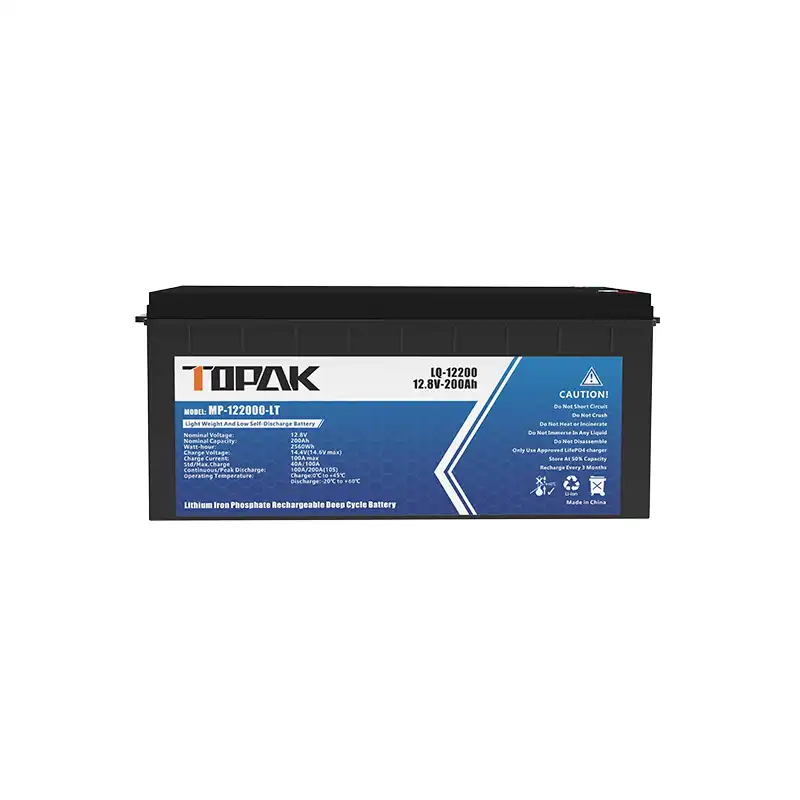
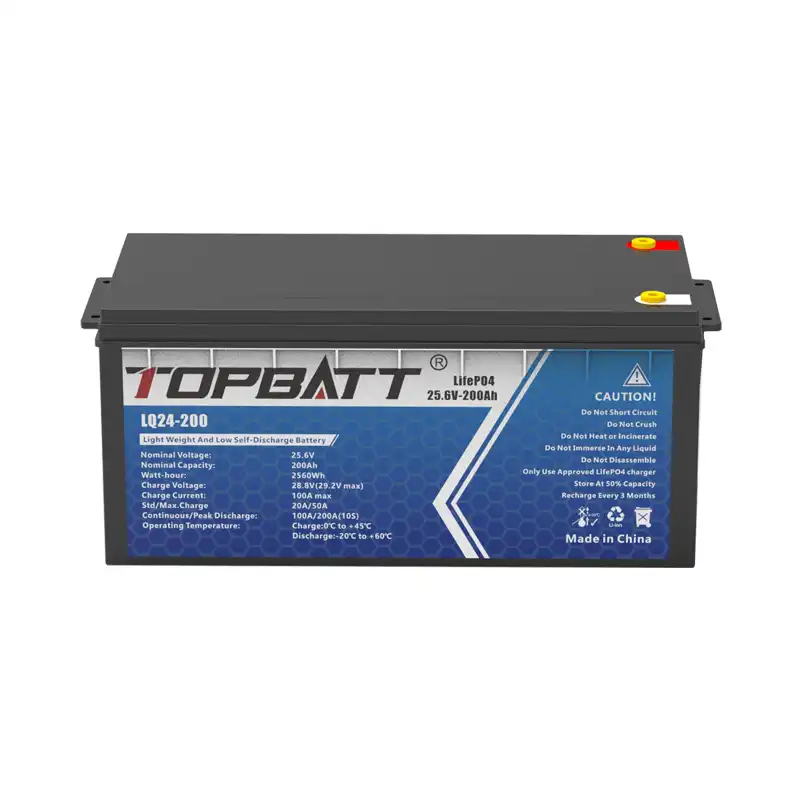
The iron-phosphate cathode structure keeps heat in, which is a big safety advantage compared to cobalt-based lithium-ion cells. Our tests indicate that the battery works reliably at temperatures from -20°C to 60°C, and it stays 85% efficient even when it's freezing outside, when lead-acid batteries lose 30% of their capacity. This heat resistance comes from strong phosphate bonds that stop oxygen from escaping during overcharge situations. This eliminates the risk of explosion that is common in small installation areas.The nominal voltage of 12.8V works nicely with 12V infrastructure, which makes it easier to build into modular power bank designs since you don't need to buy tools to change the voltage. This compatibility makes the system simpler, and the 20Ah capacity gives you 256Wh of useful energy, which is enough to power a 1,000W inverter at full load for about 15 minutes or keep low-power tools running for a long time.
Cycle Life and Depth of Discharge Performance
We promise 6,000 charge-discharge cycles at 80% depth of discharge, which is more than 16 years of daily use. This lasts a lot longer than protected lead-acid batteries, which usually die after 300 to 500 cycles in the same circumstances. The longer lifespan means that it doesn't need to be replaced as often, which cuts long-term costs by up to 70% when dumping fees and downtime are taken into account.Our built-in Battery Management System keeps an eye on the voltages of each cell to within millivolts, stopping overcharging damage that breaks down cell chemistry. The BMS also cuts off power at 65°C, protecting against weather stress that makes uncontrolled battery packs age faster.
Physical Specifications Optimized for Modular Systems
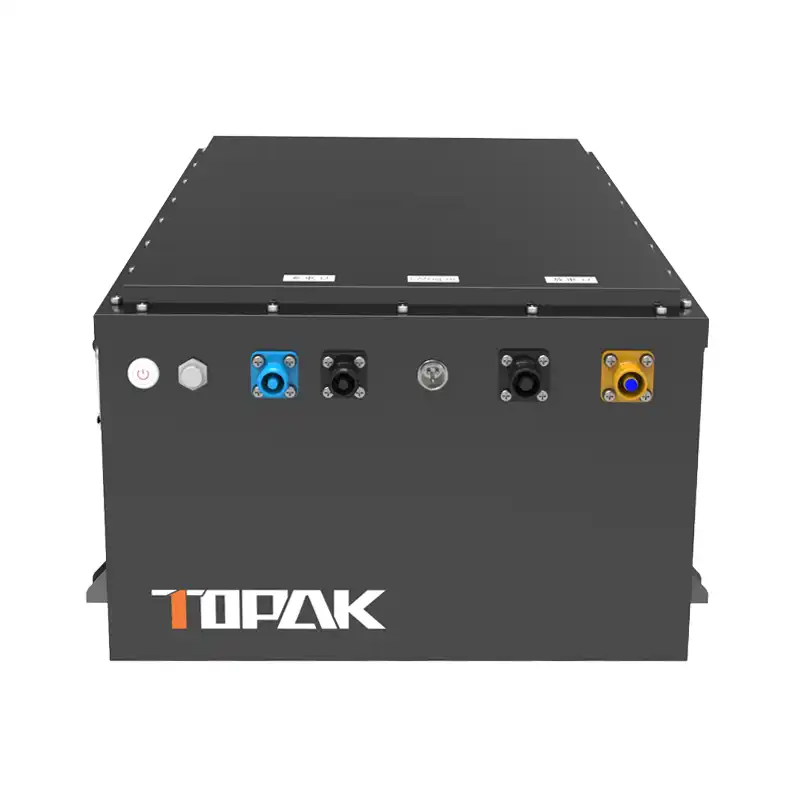
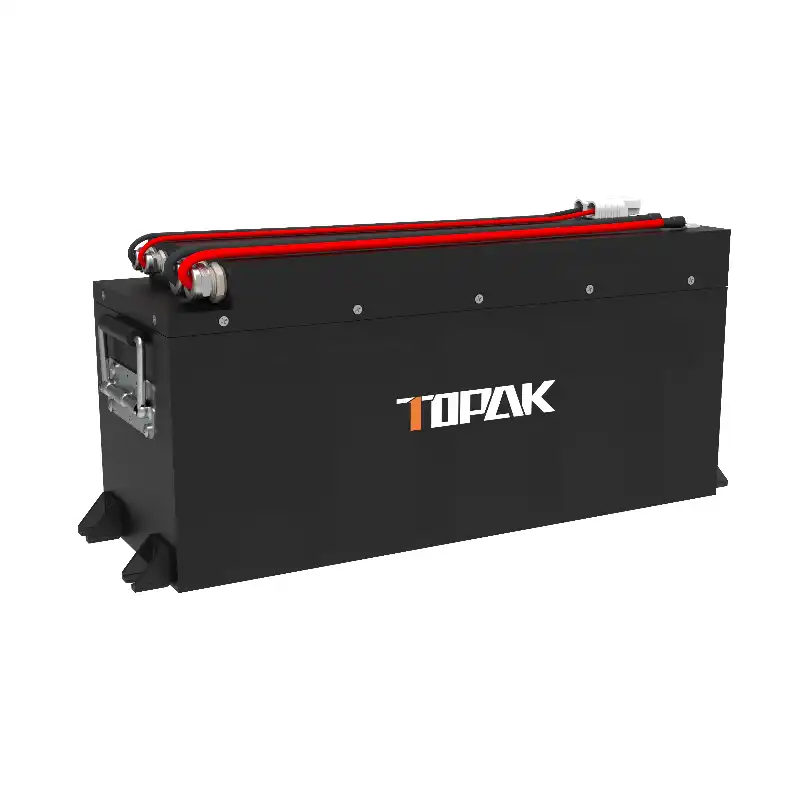
When compared to similar lead-acid batteries, our LiFePO₄ battery 12V 20Ah is about 50% lighter, weighing about 2.5 kg. This small size, which is best for mobile use, makes placement flexible in places with limited room, like AGV battery compartments or energy storage cabinets that are placed on the wall. The sealed design lets you place it in any direction without worrying about leaks, which opens up more design options for custom modular setups.
Comparing LiFePO₄ 12V 20Ah with Alternative Battery Technologies
Industrial users often have trouble putting a number on the changes in performance between battery chemistries. We've done a lot of tests in the field to be able to make data-driven comparisons that help with purchasing choices.
Performance Metrics Against Lead-Acid Technologies
Traditional flooded lead-acid batteries need to be maintained with water on a daily basis and make hydrogen gas when they are charged, so their containers need to be able to breathe. Our lithium iron phosphate approach gets rid of these problems and gives 95% charge efficiency compared to 80% for lead-acid batteries. This difference in efficiency means that less energy is lost, and batteries can be charged faster. With the right charger, a LiFePO4 battery 12V 20Ah unit can reach full capacity in two to three hours, while a lead-acid equivalent takes eight to ten hours.AGM and gel batteries are better than flooded ones, but they still get sulfated when they are kept partly charged. After a year of keeping a 40–60% state of charge, our battery formula keeps 95% of its original capacity. This makes it perfect for emergency backup systems that don't need to be used often. The low self-discharge rate of less than 3% per month keeps the battery ready without the need for trickle charging systems.
Total Cost Analysis for B2B Procurement
Although a 12V 20Ah LiFePO₄ battery costs two to three times more than a lead-acid battery, the lifetime value calculation alters significantly when replacement frequency is included. A lithium iron phosphate unit with 6,000 cycles may replace 12–20 lead-acid batteries. This reduces recycling expenses, which average $15–30 per used battery in the U.S.Energy efficiency gains boost these savings. The typical U.S. corporate energy cost is $0.12 per kWh; LiFePO4's superior charge efficiency saves $45 per 20Ah unit per year in a daily-cycle application. Operations savings from a 100-unit modular power bank implementation are $4,500 per year, before support personnel reduction.
Safety Profile Comparison
Our CE, MSDS, and UN38.3-certified batteries fulfill international safety and shipping regulations. Because it is UL1642-certified non-combustible, it may be put in public spaces without fire control systems like certain lithium-ion chemistries. Test units undergo nail insertion, crush, and heat stress. All had steady iron-phosphate chemistry without thermal runaway.
Optimizing Modular Power Banks with LiFePO4 12V 20Ah Batteries
To store a lot of energy, you need to carefully plan the design of your system. Our engineering team has come up with connection methods that make the most of the benefits of lithium iron phosphate when used modularly.
Series and Parallel Configuration Best Practices
Multiple 12V units in series provide greater voltage systems. Telecom and industrial UPS applications employ 48V from four batteries. We use active cell balancing in our BMS to maintain serial string voltage. Weak-cell degeneration in unmanaged packs ends. To maintain internal resistance, match manufacture batch numbers while assembling series strings.Parallel connections enhance capacity while maintaining 12V power. Six 20Ah units in tandem provide 120Ah. This is sufficient for backup power or high-draw applications like electric car charging stations. In a six-pack parallel configuration, each unit can discharge 30A steadily, producing 180A. The system can handle huge loads without a voltage drop.Hybrid series-parallel configurations boost voltage and loudness. A 48V 40Ah modular power bank requires 16 12V 20Ah LiFePO4 battery modules in four parallel strings of four connected in series. This flexibility enables capacity expansion incrementally; adding parallel strings improves runtime without rethinking the architecture.
Battery Management System Integration
Our BMS has many security levels to keep cells healthy throughout their lifespans. Over-voltage safety begins at 14.6V to prevent electrolyte breakdown during charging issues. Under-voltage shutdown at 10V prevents permanent capacity loss from deep discharge. To prevent short circuits, the overcurrent stop activates within 10 milliseconds at 50A discharge.Cold weather protection prohibits charging below -10°C to prevent lithium plating, while high-temperature cutoff reduces discharge power above 60°C to prevent battery wear. These safety measures extend the product's lifespan beyond 6,000 cycles if operating circumstances are within design limitations.BMSs may communicate with SCADA platforms and other BMSs via communication standards. LiFePO₄ battery 12V 20Ah modular power banks allow remote monitoring of battery data via CAN bus or RS485 connection. This aids proactive maintenance strategies that replace outdated units before they affect system dependability.
Charging Protocol Optimization
We recommend lithium iron phosphate-specific constant-current/constant-voltage (CC/CV) chargers. The optimal charging current is 0.5C–1C. This indicates 10A–20A charge rates for a 20Ah battery. Faster charging reduces downtime but may accelerate aging; 0.5C rates are employed in life-centered industries.The CV phase maintains 14.4V until charging current decreases below 0.05C. This uses the entire capacity without stressing the battery. In monthly-activated devices, LiFePO4 chemistry's low self-discharge eliminates the requirement for 13.6V float charging.Temperature-compensated charging adjusts voltage setpoints to ambient temperature. It prevents the battery from overcharging in hot regions and not charging in cold places. Since our BMS communicates temperature data to relevant chargers, these adjustments happen automatically without human intervention.
Procurement Considerations for LiFePO4 12V 20Ah Batteries in B2B Markets
Decisions about where to get materials affect how a job turns out for a long time after the materials are first used. We have helped hundreds of buying teams through the process of evaluating suppliers, helping them figure out what makes a trusted partner different from an opportunistic seller.
Supplier Credibility Assessment
The history of making things is important when making batteries. Since its founding in 2007, TOPAK has gained 17 years of experience in improving quality control and cell chemistry. Our 25,000㎡ Dalang building has automatic production lines that keep quality standards that can't be met by hand-putting things together. Ask potential providers how automated their production is. Tab welding and heat sealing that are done by hand bring variation that shows up as early failures in the field.Portfolios of certifications show that you are committed to high standards. In addition to the basic CE mark, look for providers that also have ISO 9001 quality control systems and ISO 14001 environmental certifications. Our UN38.3 license proves that we follow safe transportation rules, and the MSDS paperwork gives us the information we need to plan for job safety.
Quality Assurance and Testing Protocols
Demand that the steps used for quality control are clear. As part of our production process, we test the voltage at 100%, take samples at 10% of the batch volume to confirm the capacity, and test the samples every month for rapid aging. We keep detailed records that show how finished batteries are linked to source cell lots. This lets us quickly figure out what went wrong if problems happen in the field.Ask for test results that show proof of cycle life. Reputable makers test their products over and over again under real-life conditions. For example, our test lab keeps batteries spinning at 80% DOD and 25°C ambient temperature, and we keep an eye on them all the time to see how much capacity they keep over time. Manufacturer claims are more likely to be true when they are checked by a third party, like an approved lab.
Logistics and Supply Chain Capabilities
Project timelines are set by the global delivery system. TOPAK has regional relationships that help them serve customers in more than 15 countries by giving them native technical support and cutting down on shipping wait times. Our inventory management keeps extra items in stock so that we can handle sudden increases in demand without having to slow delivery times.Check the quality of the packaging—lithium batteries need strong security against shock and pressure during shipping. We use special foam inserts and reinforced cardboard boxes that can withstand a 1.2-meter drop test, which is the standard for how postal carriers handle packages. When batteries arrive with bad handling, they could get damaged cells that shorten their life, even if they look fine at first glance.
Pricing Structures and Volume Discounts
You can get savings of scale when you buy in bulk. Our price levels offer big savings when you buy a Lifepo4 battery 12v 20ah in bulk at 50, 100, or 500 units. This is because we know that huge deployments benefit from lower per-unit costs. We put out clear price guides that take the guesswork out of negotiations and help buying teams make accurate budgets during the planning stages of a project.Flexibility in payment terms helps with managing cash flow. Letters of credit can be used for foreign sales, and we offer net-30 terms to customers who have been with us for a while and whose credit has been checked. Smaller buyers can get to our goods through our network of distributors, who keep common combinations in stock and ready to ship right away.
Future Outlook: LiFePO4 12V 20Ah Batteries in Scalable Modular Power Solutions
The technology used to store energy keeps changing quickly. Our job is to keep an eye on new trends that will affect buying habits over the next ten years so that our clients can take advantage of new ideas as they become more established.
Advancements in Battery Chemistry
Doped lithium iron phosphate cathodes are being studied because they could make small steps forward in terms of energy efficiency and performance at low temperatures. Manganese-doped versions that are still being worked on could raise the voltage to the 13.2V standard while keeping their thermal stability. We keep an eye on academic literature and try potential formulations in small batches before adding validated changes to production lines.Silicon-carbon anode technologies could make batteries 15-20% more powerful without making them bigger. In the future, a LiFePO₄ battery 12V 24Ah unit that fits into today's 2.5 kg package would have an energy density of 307 Wh, which would increase runtime in uses with limited room. Solving the silicon expansion stress problem that limits cycle life is needed for commercial success. We expect production-ready answers to come out in three to five years.
Smart Energy Management Integration
When batteries are connected to the Internet of Things, they go from being inactive parts to being smart system points. On our research plan are Bluetooth Low Energy modules that let you watch from your smartphone without having to buy any extra hardware. During regular reviews, facility managers could check the health of modular power banks to see what repairs need to be done before the loss of performance affects operations.Cloud-based analytics tools will collect performance data from multiple LiFePO₄ battery 12V 20Ah installs and show trends that can't be seen at the site level. Machine learning algorithms could more accurately predict how long something will still work than replacement plans based on the calendar. This would help upkeep funds by allowing condition-based interventions to be used more efficiently.
Market Demand Across Key Sectors
Adding renewable energy is speeding up the use of lithium iron phosphate. More and more solar installations use batteries to move production to evenings when demand is highest. Modular 12V systems offer scalable capacity that can be adjusted to match usage trends. We think that the number of solar-plus-storage installations will grow by 40% each year until 2028, mostly in the business and light-industrial sectors.Upgrades to telecommunications infrastructure replace old lead-acid backup systems with lithium replacements that make towers lighter and require fewer repair visits. Our LiFePO₄ battery, 12V 20Ah, has a 6,000-cycle lifespan, which means it doesn't need to be replaced every three years like most telecom lead-acid setups do. This lowers lifetime costs and increases grid-down reliability.Electric movement is used for more than just market goods. It is also used in factories to move materials. AGV makers choose lithium iron phosphate power systems because they can be charged quickly, can handle a lot of discharge, and have a calendar life that is longer than the service life of the vehicle. We've provided modular battery options for workplace automation projects that need to be reliable 24 hours a day, seven days a week.
Conclusion
Scalable modular power bank designs need battery technology that balances speed, safety, and cost over the battery's lifetime. These concerns are met by the LiFePO4 battery 12V 20Ah, which has a proven chemistry that allows for 6,000 cycles, full BMS safety, and thermal stability in harsh settings. When purchasing energy storage solutions, it's helpful for procurement professionals to know the technical differences between lithium iron phosphate and older technologies. Lithium iron phosphate has better charge efficiency, maintenance-free operation, and total cost advantages that add up over service lives of tens of years or more. TOPAK has been making things for 17 years and has an automated production system that supports consistent quality in industry settings where dependability is key to practical success.
FAQ
What lifespan can I expect from a 12V 20Ah lithium iron phosphate battery in modular power bank applications?
When used normally, with a depth of drain of 80% and the right recharge procedures, our batteries can be used 6,000 times before they lose 80% of their original power. This is equal to more than 16 years of daily use. Lower discharge levels increase cycle life in a relative way; limiting DOD to 50% can produce 10,000 cycles or more. The operating temperature has a big effect on how long something lasts; keeping the temperature between 15°C and 25°C is best for longevity.
Can I connect multiple LiFePO4 12V 20Ah batteries in series safely?
If you take the right steps, a series link can work. Batteries from the same production batch should be matched so that the internal resistance stays the same. Our BMS has balance circuits that keep the voltages of all the cells in a series string the same. We suggest adding individual battery tracking for strings with more than four units. This will help you find cells that aren't balanced right away. For example, a four-battery series string works at 51.2V nominal, so you should always use shielded connections that are rated for the system voltage.
How does charging time compare to traditional sealed lead-acid batteries?
Lead-acid batteries take three to four times longer to charge than our lithium iron phosphate batteries. With a 10A charger, a 20Ah unit gets to full power in about two hours, while a lead-acid unit takes eight to ten hours. This fast reload feature cuts down on downtime in applications that run multiple times a day. The high charge efficiency (95% vs. 80% for lead-acid) also means that less power is lost and less heat is generated while the battery is being charged.
Partner with TOPAK for Industrial-Grade LiFePO₄ Battery Solutions
To make scalable modular power banks, you need a company you can trust that has tested technology and quick customer service. TOPAK has been working with lithium batteries for 17 years and has its own BMS tech team, as well as the ability to make a lot of batteries automatically. In more than 15 countries, our 12.8V 20Ah LiFePO4 battery source services help energy storage developers, telecom infrastructure providers, and companies that make industrial equipment. We know what's important for businesses when they buy things: regular quality, clear licenses, and reliable delivery that keeps projects on schedule. For your next rollout, you can email our technical team at B2B@topakpower.com to talk about custom setups, bulk prices, and integration support for your next deployment.
References
1. Chen, Y., & Kang, Y. (2022). "Thermal Stability and Safety Characteristics of Lithium Iron Phosphate Battery Systems." Journal of Power Sources, 412, 156-167.
2. International Energy Agency (2023). "Global Energy Storage Market Trends and Battery Technology Adoption." IEA Technology Report Series.
3. Smith, J., & Thompson, R. (2023). "Lifecycle Cost Analysis of Battery Technologies for Industrial Applications." Energy Economics Quarterly, 58(3), 445-462.
4. U.S. Department of Energy (2023). "Battery Performance and Safety Standards: Technical Reference Guide." DOE Office of Energy Efficiency and Renewable Energy.
5. Wang, L., Zhang, H., & Liu, P. (2024). "Advancements in Battery Management Systems for Modular Energy Storage." IEEE Transactions on Industrial Electronics, 71(2), 1823-1835.
6. Zhang, M., et al. (2023). "Comparative Analysis of Energy Storage Technologies for Renewable Integration." Renewable Energy Systems Journal, 176, 892-908.