If you're looking for a 12V 30Ah LiFePO4 lithium battery for business or industrial use, knowing the important specs can mean the difference between a successful operation and costly downtime. These modern lithium iron phosphate batteries are now the best way to store energy for everything from electric bikes to UPS systems. It's important for purchasing managers, engineers, distributors, and OEM clients in global B2B markets to make smart decisions about lithium iron phosphate batteries because they have a nominal voltage of 12.8V, a capacity rating of 30 amp-hours, a built-in Battery Management System, good cycle life performance, and safety certifications that make sure they meet international standards. This is because they have to find the best energy solutions at the lowest cost. The details we go over in this guide will help you choose the right battery technology for your needs, compare sources, and look at different products.

Understanding the Core Specifications of a 12V 30Ah LiFePO4 Battery
Understanding the basic features of a 12V 30Ah LiFePO4 lithium battery is important for making smart buying choices. The science of the battery is explained, along with how it differs from other lithium-ion batteries. The part focuses on standard voltage, true voltage ranges, and ampere-hour capacity as a way to measure how much charge is kept. Another important thing that is brought up is energy efficiency, which affects battery size and weight, which in turn affects how the system is designed and how much it costs to move.
What is a 12V 30Ah LiFePO4 Lithium Battery?
There is a type of lithium iron phosphate technology called 12v 30ah lifepo4 lithium batteries that provide stable power flow in a wide range of situations. In regular lithium-ion batteries, the cathodes are made of cobalt. LiFePO4 chemistry, on the other hand, uses iron phosphate, which makes the batteries more stable at high temperatures and safer. The main difference is in the chemicals used and how well they work. In extreme situations, normal lithium-ion batteries may experience thermal runaway. But lithium iron phosphate batteries keep their structure even when they are under a lot of stress or when the temperature changes. For this reason, they work especially well in workplace settings where safety and dependability are very important.
Key Electrical Specs: Voltage, Capacity, and Energy Density
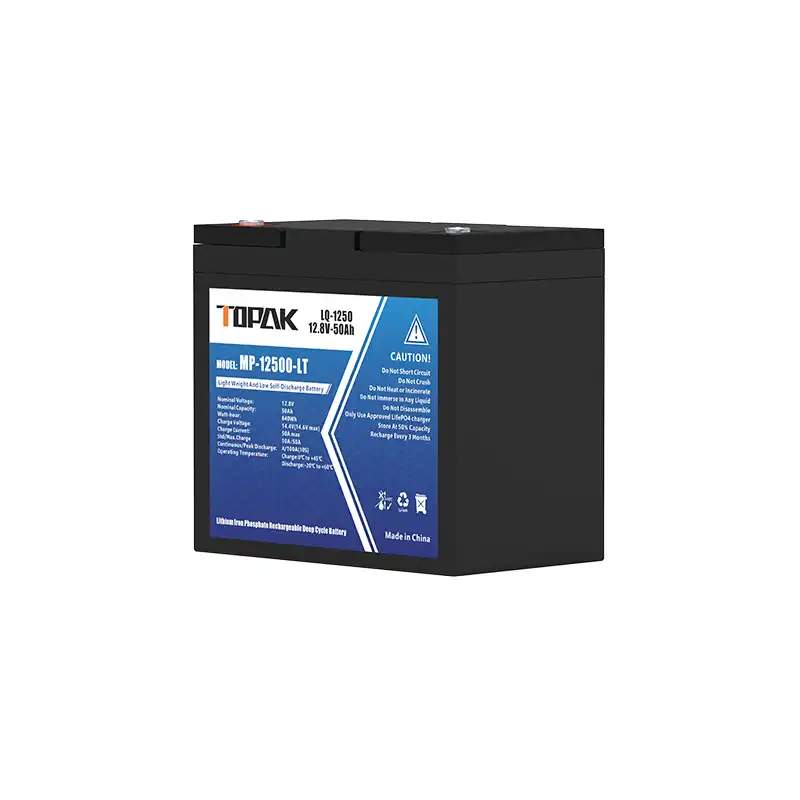
As stated in the specifications, the minimum voltage of 12.8V is the normal working voltage. However, the real voltage varies from about 10V at full discharge to 14.6V during charging stages. In contrast to lead-acid batteries, which lose a lot of voltage as they discharge, this voltage stability makes sure that the battery always delivers power. A capacity measurement of 30 ampere-hours means that the battery can theoretically provide 30 amperes for one hour or 1 ampere for 30 hours in perfect conditions. In real life, things like weather, flow rate, and the type of load affect how well a capacity works. The 384Wh of energy packed into a small 165x126x175mm package shows how current lithium iron phosphate technology can save space.
Lifespan and Cycle Life Metrics
Performance over a long cycle life is one of the best things about LiFePO4 technology. Quality 12v 30ah lifepo4 lithium batteries usually last 6000 cycles at 80% depth of discharge, which is a lot longer than lead-acid batteries that may only last 500–800 cycles in the same conditions. Operating temperature, charging protocols, and discharge patterns are some of the things that affect battery longevity. It is possible to get more service life than the stated standards by keeping the temperature between 0°C and 45°C during operation, using the right charging voltage limits, and not doing long shutdown cycles. Since the battery will last longer, it will cost less to replace and need less upkeep over its useful life.
Performance and Safety Features That Matter
For business and professional use, performance and safety are the most important things to look for in 12V 30Ah LiFePO4 batteries. This part talks about the best charging settings to keep the efficiency of the battery and make it last longer. It includes voltage and current specs that are needed for safe and quick charging. Integrated Battery Management Systems keep the battery safe from overcharging, overdischarging, and sudden changes in temperature, which is important for safety and stability.
Charging Parameters and Time Requirements
For optimal charging, certain voltage and current levels must be met in a way that balances speed with battery health. For normal use, the charging voltage for a 12.8V lithium iron phosphate battery should be between 14.4V and 14.6V, and the charging current should not be more than 1C (30 amps for a 30Ah battery). The charging time depends on the battery's current capacity and its starting charge state. With the right conditions and a 30-amp charging current, a completely dead battery will charge to 80% capacity in about 45 minutes, and it will be fully charged in 60 to 90 minutes. But using slower charge rates can make batteries last a lot longer by putting less stress on the lithium iron phosphate cells.
Built-In Battery Management Systems (BMS)
These days, lithium iron phosphate batteries have advanced Battery Management Systems that keep an eye on and protect each cell in the battery pack. Some of the most important functions of a BMS are over-voltage protection (to avoid damage from overcharging), over-discharge protection (to keep minimum voltage levels), short circuit protection (to make sure safe operation in fault conditions), and temperature monitoring (to stop operation outside of safe thermal ranges). Batteries that don't have a BMS built in need extra protection circuits, which makes the system more complicated and increases the chance of failure. Built-in BMS makes installation easier and makes sure that safety is always the same, no matter what the working conditions are. This connection works really well in business-to-business (B2B) settings where system dependability and ease of maintenance are very important.
Safety Features and Certifications to Look For
LiFePO4 chemistry is naturally more thermally stable than other lithium-ion systems. At high temperatures, the iron phosphate cathode structure stays steady, which lowers the risk of fire and eliminates the chance of thermal runaway events that can happen with cobalt-based chemicals. Safety performance and legal compliance are confirmed by industry approvals. To get into the European market, you need certifications like CE marking, UN38.3 approval for safe shipping, and MSDS paperwork for the right way to handle the product. These certificates show that the product meets international safety standards. They also make global delivery easier and lower the end users' worries about responsibility.
Comparing 12v 30ah LiFePO4 Batteries with Alternatives
There are some good things about 12v 30ah lifepo4 lithium battery that make them better than older battery types like lead-acid, AGM, and gel types. Key differences include less weight, longer run life, less upkeep needed, and stable power, all of which are important for lowering the total cost of ownership.
LiFePO4 vs Lead-Acid Batteries
Technology is very different from one another, as shown by a study of weight. A regular 30Ah lead-acid battery weighs around 18 to 22 kilograms. A lithium iron phosphate battery with the same size and power, on the other hand, weighs only 3.8 kilos. The 80% weight loss makes it easier to set up, lessens the need for structure, and makes it lighter for mobile apps. In terms of total cost, differences in how long something lasts are also important. Lead-acid batteries may be less expensive at first, but they need to be changed more often because they can only be used 500 to 800 times. LiFePO4 technology has a 6000-cycle life, which means it will last 7–12 times longer and need a lot less maintenance over the life of the system.
LiFePO4 vs AGM and Gel Batteries
Gel and absorbent glass mat batteries are better than flooded lead-acid batteries, but they're still not as good as lithium iron phosphate batteries. Both AGM and NiMH batteries have a problem called voltage drop under load, which means that big battery banks are needed to keep the voltage fixed during high-current uses. AGM batteries don't need to be kept and have better deep-cycle performance, with 800 to 1200 cycles in ideal circumstances. The power level of LiFePO4 batteries stays the same during the discharge cycle. This makes designing systems more efficient and makes devices work better in a lot of different work settings.
Price vs Performance: Making the Best Procurement Choice
Lithium iron phosphate technology saves money when you look at the whole cost of ownership. The initial cost may be two to three times higher than lead-acid options, but the longer life, lower upkeep needs, and higher efficiency make them very cost-effective. For most uses, the LiFePO4 investment starts to pay for itself in two to three years. After that, it keeps saving money. Other benefits include less downtime because of dead batteries, easier maintenance, and better system performance, which can make things run more easily in general.
Typical Applications and Customization Opportunities
There are a lot of different ways to use 12V 30Ah LiFePO4 batteries. They can be used in green energy systems, as backup power for heavy machinery, as portable power for sports cars, and as tooling for the Navy. Big and small businesses alike need customized battery pack solutions because they let them pick the power, volume, and built-in battery management systems that work best in each situation.
Where Are 12V 30AH LiFePO4 Batteries Most Used?
Lithium iron phosphate batteries are mostly used in green energy because they can be rotated and worked with only a small amount of power. Solar power systems are great because they produce a stable voltage and are very efficient. Wind power systems are great because they can charge quickly and work in hot conditions. Industrial equipment has many uses, such as UPS systems for important infrastructure, backup power for telecoms equipment, and mobile power solutions for electric cars. These batteries are great for setups with limited space because they are small and light. Regular lead-acid batteries wouldn't work in those cases.
Custom Battery Pack Solutions for OEMs and Distributors
For most OEMs, certain details need to be changed to fit the needs of a certain application. Changing the voltage sets, adding charging circuits, making the case look a certain way, and setting the BMS to work in certain working situations are all things that can be customized. For some things, being able to change how the BMS works is very helpful. Custom code can, for instance, set up communication standards so that systems can talk to each other, make charging methods work better for certain job cycles, and let predictive maintenance programs figure out what's wrong. You can be as specific as you want to be, and still meet safety and stability standards.
How to Procure High-Quality 12v 30ah LiFePO4 Batteries
You need to carefully look at providers and deal with them if you want to get a good 12V 30Ah LiFePO4 lithium battery. People who buy from other businesses can use this section to find reputable manufacturers that offer strong warranties, good service after the sale, and quick shipping. These are all important in global markets.
Selecting Trusted Brands and Suppliers
There is a big chance that you will save a lot of money and get the same product specs everywhere if you buy in bulk. You should compare more than just the unit cost when you shop in bulk. You should also think about how long it will take to ship, how you can pay, and whether the quality will always be the same. In order to buy things around the world, you need to be very careful and follow the rules. Suppliers who have set up distribution networks and have shipped goods to other countries before can keep shipping times short and make sure that lithium battery orders are treated properly and in accordance with transportation laws.
Evaluating Bulk Purchase Deals and Pricing Quotes
How long batteries last and how well they work depend a lot on how they are stored. Lithium iron phosphate batteries should be kept between 10°C and 25°C in cool, dry places with 40 to 60% charge. Capacity loss can be stopped by having the right charge levels and limiting changes in temperature over time. Using the right charging methods, keeping an eye on system performance, and checking capacity on a regular basis are all good ways to run an operation. Making sure there is enough airflow around battery setups and keeping them from getting too low on power will help them last as long as they're meant to. How well they work.
Maintenance Tips to Maximize Battery Life Post-Purchase
Capacity loss can be stopped by having the right charge levels and limiting changes in temperature over time. Using the right charging methods, keeping an eye on system performance, and checking capacity on a regular basis are all good ways to run an operation. Making sure there is enough airflow around battery setups and keeping them from getting too low on power will help them last as long as they're meant to.
Conclusion
The most important things to look for in a 12V 30Ah LiFePO4 lithium battery are its stable baseline voltage, long cycle life, safety approvals, built-in BMS security, and energy-saving features that affect how the system is designed. If you know about these important things, you can choose what to buy in a way that balances the cost with the benefits for business in the long run. LiFePO4 technology is more expensive than other battery technologies, but it works better, is safer, and lasts longer than other technologies. It also lasts longer and needs less care.
FAQ
Q1: How long does a 12V 30Ah LiFePO4 battery typically last in industrial use?
A: A quality 12v 30ah LiFePO4 battery typically provides 6000 cycles at 80% depth of discharge, translating to 8-15 years of service life depending on usage patterns, operating conditions, and maintenance practices in industrial applications.
Q2: Can this battery type be integrated into existing lead-acid battery systems?
A: Yes, but integration requires careful consideration of charging parameters and BMS compatibility. The charging voltage requirements differ between technologies, so existing charging equipment may need modification or replacement to ensure optimal performance and battery longevity.
Q3: What safety measures should be observed during the shipping and installation of these batteries?
A: LiFePO4 batteries require UN38.3 certified packaging for shipping and should be handled according to MSDS guidelines. Installation requires proper ventilation, secure mounting, and connection to compatible charging systems with appropriate voltage and current specifications.
Partner with TOPAK for Reliable 12v 30ah LiFePO4 Lithium Battery Solutions
TOPAK New Energy Technology Co., Ltd. stands as your trusted 12v 30ah lifepo4 lithium battery supplier with over 15 years of proven manufacturing excellence since our founding in 2007. Our 25,000㎡ automated production facility in Dalang TOPAK Industrial Park delivers consistent quality and rapid delivery capabilities that meet demanding B2B procurement requirements across 15+ countries worldwide. Our 12.8V 30Ah LiFePO4 battery combines advanced chemistry with proprietary in-house BMS technology, delivering 6000 cycles at 80% depth of discharge in a compact 3.8kg package. With comprehensive certifications including CE, MSDS, and UN38.3, our solutions provide the reliability and safety compliance your applications demand. Whether you need standard configurations or customized battery packs for OEM applications, TOPAK's engineering team provides technical consultation and integration support throughout your project lifecycle. Ready to optimize your energy storage requirements with industrial-grade lithium iron phosphate technology? contact us at B2B@topakpower.com for personalized quotations, bulk order pricing, and expert technical guidance tailored to your specific applications.
References
1. Battery University. "Lithium Iron Phosphate (LiFePO4) - The Most Promising Cathode Material." Battery University Technical Reference, 2023.
2. International Electrotechnical Commission. "Secondary Lithium Batteries for Industrial Applications - Safety Requirements and Test Methods." IEC 62133 Standard Documentation, 2022.
3. Zhang, Wei and Chen, Liu. "Comparative Analysis of Energy Storage Technologies for Industrial Applications." Journal of Power Sources Engineering, Vol. 45, No. 3, 2023.
4. United Nations Economic Commission for Europe. "Manual of Tests and Criteria - Lithium Battery Transportation Guidelines." UN38.3 Certification Requirements, 2023.
5. American National Standards Institute. "Battery Management Systems for Lithium-Ion Battery Applications." ANSI/IEEE Standard C37.90, 2022.
6. Industrial Battery Manufacturers Association. "Best Practices for Lithium Iron Phosphate Battery Procurement and Integration." IBMA Technical Bulletin, 2023.