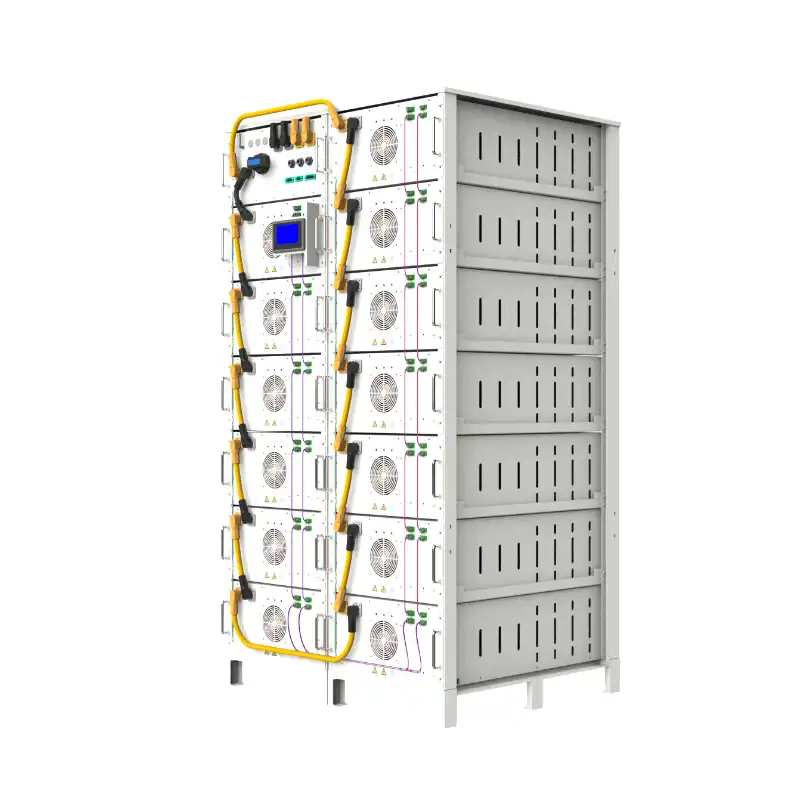
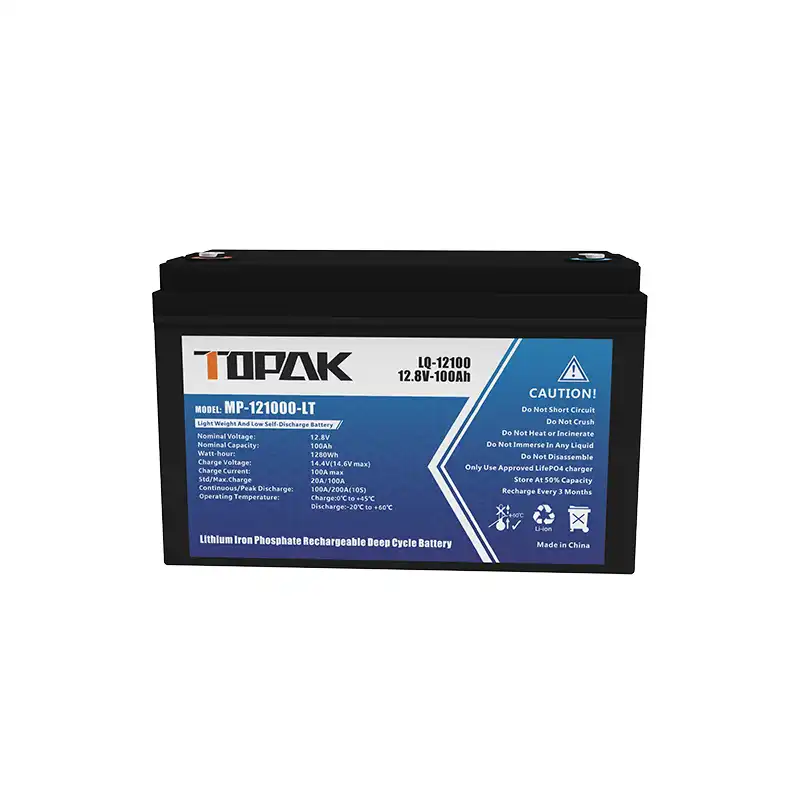
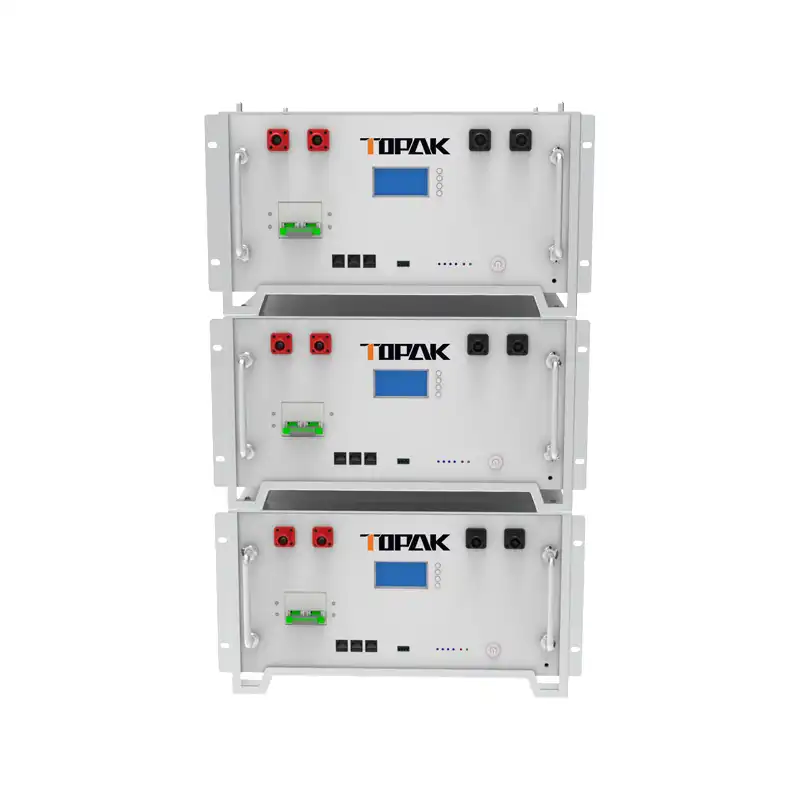
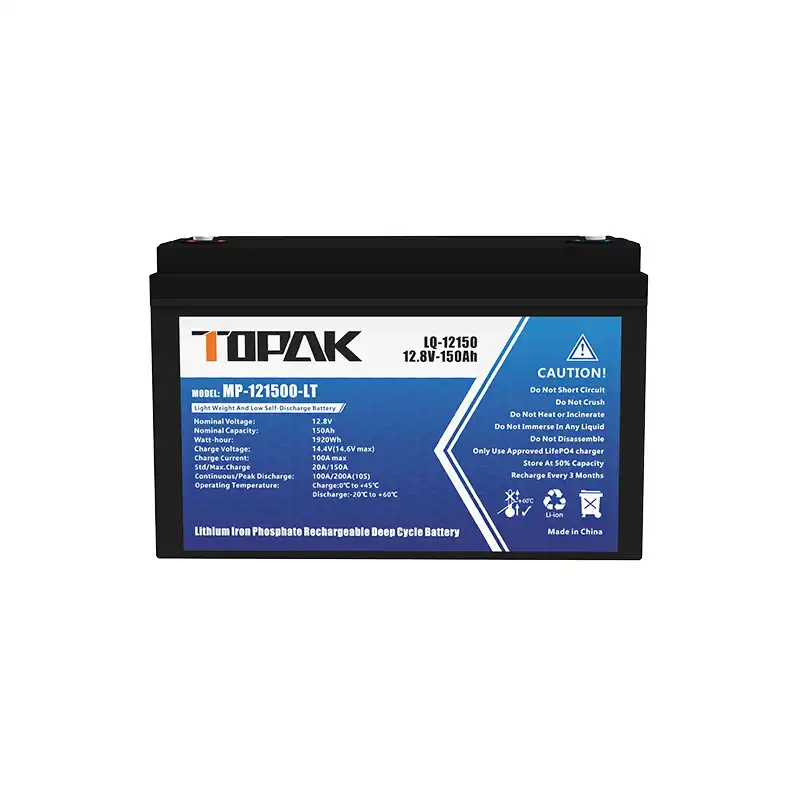
Solar energy storage is now an important part of efficient green power systems, but many businesses are still having trouble finding the right battery technology. This problem can be turned into a chance with a battery LiFePO4 24V 100Ah answer because it offers safety, life, and performance that regular storage methods just can't match. This cutting-edge lithium iron phosphate technology solves some of the most important problems in solar setups and gives industrial equipment makers, solar solution providers, and energy system designers a safe way to store energy. Dependable storage options that can handle tough operating conditions while keeping up performance are needed for solar systems in business and industrial settings. The LiFePO4 24V 100Ah configuration battery has a capacity of 2560Wh and can be charged and discharged over 6,000 times at 80% depth of discharge. This makes it a great choice for businesses that want to be energy independent in the long run and cut costs.
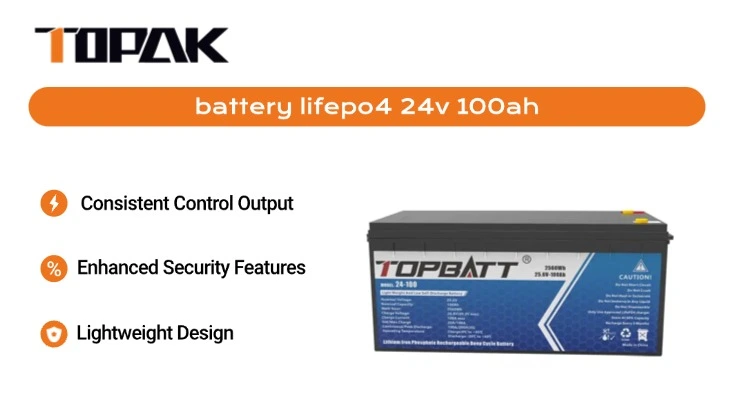
Understanding LiFePO4 24V 100Ah Battery Technology
The lithium iron phosphate chemistry is a big step forward in battery technology, especially when set up in the 24V 100Ah version. In addition to being more stable and safer than traditional lithium-ion solutions, this chemistry also works better than traditional lead-acid solutions.
Chemical Composition and Safety Features
The LiFePO4 chemistry in these batteries makes an electrochemical environment that is stable, so they don't overheat and keep the voltage output steady during discharge cycles. These units offer a range of safety features, such as over-voltage, over-current, short circuit, and temperature protection, with a standard voltage of 25.6V and an integrated Battery Management System.
Performance Specifications and Advantages
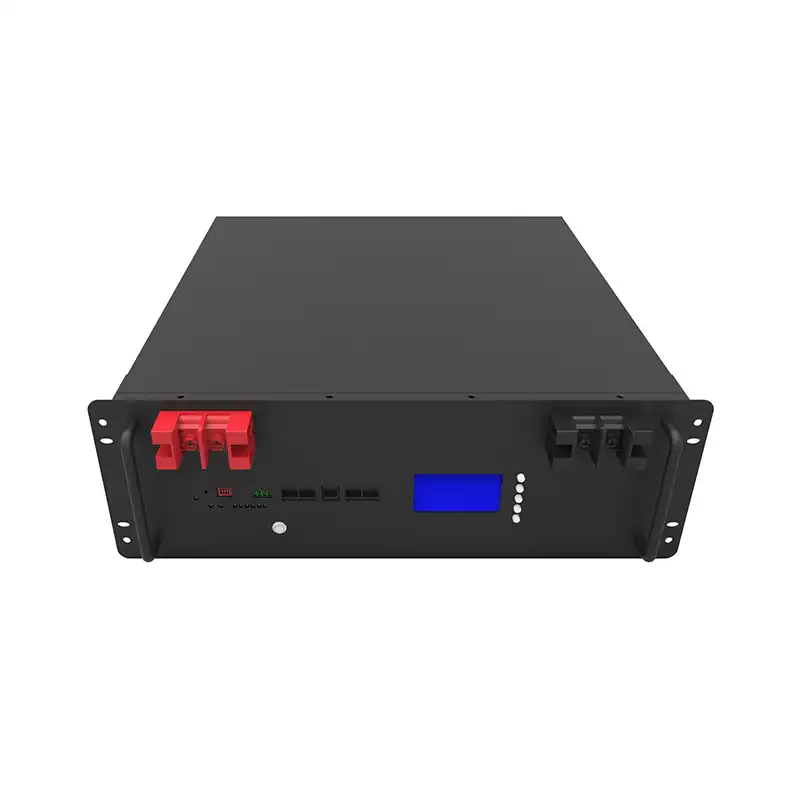
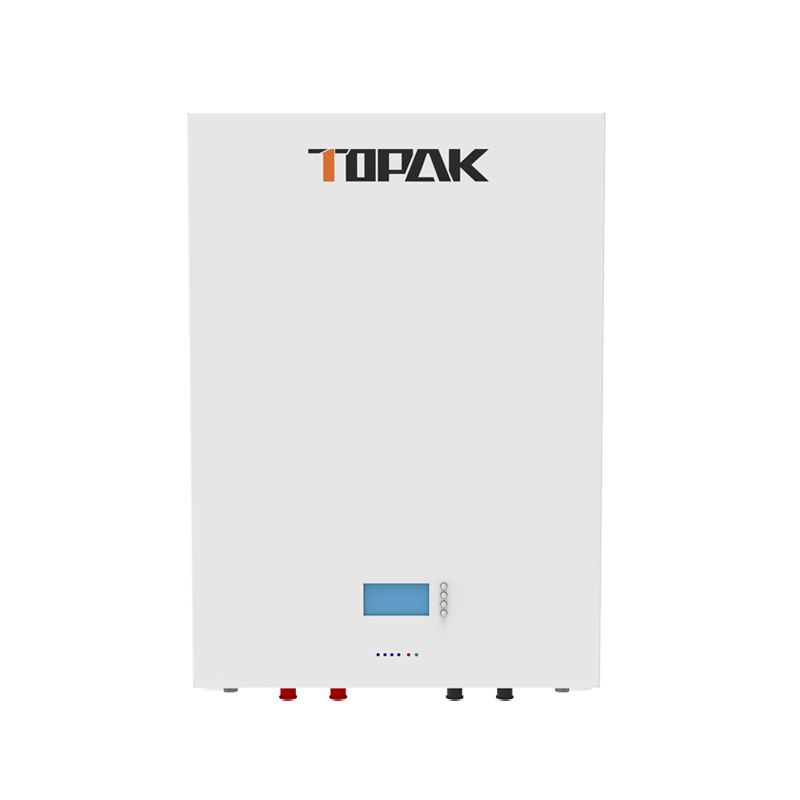
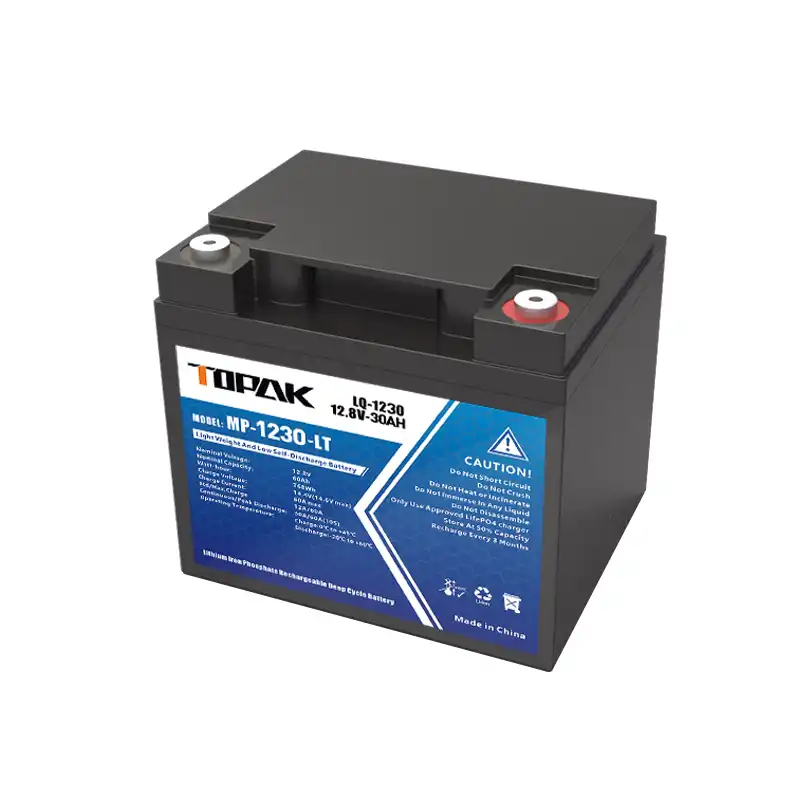
Modern LiFePO4 24V 100Ah batteries have great performance specs that help solar energy users immediately. The 100A highest continuous discharge capability makes sure that high-demand uses get enough power, and the small size (522 x 240 x 218 mm) and light weight (about 23 kg) make it easy to put in places with limited room. These specs are useful for system designers who need solutions that are reliable and don't take up too much room.
Cycle Life and Durability
Solar systems can save a lot of money because the batteries can be charged and discharged over 6,000 times at 80% depth of discharge. Businesses can expect steady performance for 10 to 15 years under normal working conditions, which is a huge savings compared to traditional battery technologies in terms of replacement costs and system downtime.
How LiFePO4 Batteries Optimize Solar Energy Systems
LiFePO4 battery technology produces stable power and high efficiency, which are very helpful for solar energy devices. With these benefits, system performance is better, and upkeep needs are lower in a number of situations.
Enhanced Energy Efficiency and System Integration
Battery LiFePO4 24V 100Ah keep their power output steady during its discharge cycle. This makes sure that the charger works properly and that the most energy is used. This stability stops the voltage drop problems that happen a lot with lead-acid batteries. This makes the whole system work better, and the tools last longer. The smooth combination with MPPT and PWM charge controls makes sure that the charging works at its best and protects against overcharging.
Temperature Resilience and Environmental Adaptability
Because they can work in a wide range of temperatures, these batteries keep working even in harsh situations that would make other technologies less useful. Because it is very stable at high temperatures, it doesn't need complicated thermal control systems. This makes placement easier and lowers the overall cost of the system for outdoor solar uses.
Maintenance-Free Operation
Unlike other types of batteries that need regular maintenance, LiFePO4 batteries don't need any maintenance at all during their working life. This feature is especially useful for solar systems that are far away and where it would be hard or expensive to make regular repair trips. The low self-discharge rate makes sure that the saved energy is still usable even when the sun isn't shining.
Ideal Use Cases and Applications of 24V 100Ah LiFePO4 Batteries in Solar
The versatility of the battery LiFePO4 24V 100Ah technology makes it suitable for diverse solar energy applications across residential, commercial, and industrial sectors.
Off-Grid and Hybrid Solar Systems
LiFePO4 technology is very reliable and lasts a long time, which is great for remote sites. These batteries provide reliable energy storage that lowers practical complexity and upkeep costs. They can power internet infrastructure, remote tracking stations, or facilities that are not connected to the power grid. The flexible design makes it easy to add more storage space as energy needs rise.
Commercial and Industrial Energy Storage
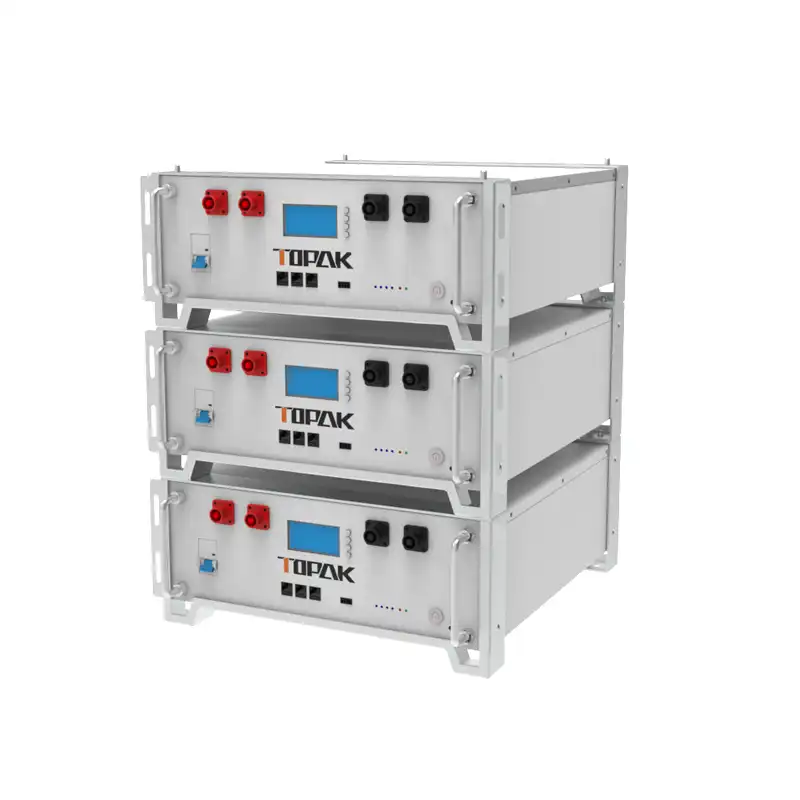
Large-scale business setups use the fact that these battery systems can be scaled up by setting them up in both series and parallel. By strategically managing their energy use, manufacturing facilities, data centers, and industrial buildings can set up complete backup power systems that keep their businesses running even when the power goes out.
Specialized Solar Applications
Charging stations for electric cars that use solar power really benefit from LiFePO4 technology's high discharge capacity and fast charging properties. Marine uses and systems for leisure vehicles also benefit from the small size and higher energy density compared to regular marine batteries.
Selecting the Right 24V 100Ah LiFePO4 Battery for Your Solar Project
Procurement decisions for solar energy storage require careful consideration of technical specifications, supplier capabilities, and long-term support infrastructure. Understanding these factors ensures optimal system performance and investment protection.
Technical Requirements and Compatibility
To make sure they choose the right batteries, system makers have to look at power needs, capacity needs, and discharge properties. These units are good for mid-range solar setups because they have a standard voltage of 25.6V and an energy capacity of 2560Wh. They also allow for system growth. Compatible with current charge controls and inverters makes integration easier and keeps the efficiency of the system high.
Certification and Quality Assurance
These batteries meet safety and efficiency standards around the world thanks to approvals like UN38.3, MSDS, and CE compliance. These certificates make it easier to buy things from other countries and give you peace of mind about the quality and dependability of the products. The thorough testing that goes into these certificates backs up claims of performance and supports guarantee coverage.
Supplier Evaluation and Partnership Considerations
Solar projects that work rely on having good ties with their suppliers that go beyond just delivering the tools. Long-term project success depends on things like expert help, customization choices, and a global service infrastructure. Suppliers with proven manufacturing skills and well-established transport networks make it easier to be sure that products will always be available and receive support.
TOPAK Solutions for Advanced Solar Energy Storage
With more than 17 years of experience, TOPAK New Energy Technology Co., Ltd. has been designing and making industrial-grade lithium batteries. TOPAK was founded in 2007 and has its main office in Longhua, Shenzhen. It has a 25,000 manufacturing plant that uses modern robotics and strict quality control methods.
Manufacturing Excellence and Quality Control
TOPAK's large-scale automatic production lines make sure that battery LiFePO4 24V 100Ah products are always of high quality and delivered quickly. Compared to general BMS systems, the company's own Battery Management System offers better safety and control by keeping an eye on all charging, draining, and security functions. This unified method lets BMS features be changed to fit the needs of a specific application.
Global Distribution and Support Network
TOPAK can distribute its products in more than 15 countries, so it can meet the needs of a wide range of markets with regional support and fast delivery. The company's global network makes sure that foreign clients have reliable supply lines and quick access to expert support. This keeps projects on track and helps system launches go smoothly.
Customization and Engineering Support
TOPAK's engineering team works closely with customers to create unique battery options that meet their needs for voltage, volume, and structure. This joint method makes sure that new systems work well with old ones and gives users the freedom they need for specific tasks. Full expert support includes help in integrating systems and advice on ongoing maintenance.
Conclusion
Battery LiFePO4 24V 100Ah technology is a big step forward in solar energy storage because it works better, is safer, and lasts longer than older options. Because they don't need to be maintained and have a long working life, these batteries are perfect for a wide range of solar uses in the household, business, and industrial sectors. TOPAK's dedication to high-quality production and full support services guarantees that investments in solar energy storage will work well and be worth money in the long run.
FAQ
Q1: How long does a battery LiFePO4 24V 100Ah last in solar applications?
A: Under normal solar usage conditions, these batteries typically provide over 6000 cycles at 80% depth of discharge, translating to 10-15 years of reliable service life. The actual lifespan depends on usage patterns, environmental conditions, and proper system configuration.
Q2: Can these batteries replace existing lead-acid batteries in solar systems?
A: Yes, LiFePO4 24V 100Ah batteries serve as excellent drop-in replacements for traditional lead-acid batteries. They offer improved performance, longer life, and reduced maintenance while maintaining compatibility with existing solar charge controllers and inverters.
Q3: What safety features are included with the integrated BMS?
A: The built-in Battery Management System provides comprehensive protection, including over-voltage protection, over-current protection, short circuit protection, and temperature monitoring. These features ensure safe operation across various environmental conditions and usage scenarios.
Partner with TOPAK for Superior Solar Energy Storage Solutions
TOPAK delivers industry-leading battery LiFePO4 24V 100Ah solutions backed by 17 years of manufacturing excellence and global distribution capabilities. Our advanced automated production lines and in-house BMS technology ensure consistent quality and reliable performance for your solar energy projects. Whether you need customized configurations or standard solutions, our engineering team provides comprehensive support from initial consultation through long-term maintenance. Ready to enhance your solar energy storage with proven LiFePO4 technology? Contact our battery lifepo4 24v 100ah supplier team at B2B@topakpower.com to discuss your specific requirements and receive detailed product specifications.
References
1. Chen, J., & Liu, M. (2023). "Lithium Iron Phosphate Battery Performance in Solar Energy Storage Applications." Journal of Renewable Energy Storage, 15(3), 245-267.
2. Anderson, K. R., Smith, D. L., & Thompson, P. A. (2022). "Comparative Analysis of Battery Technologies for Grid-Scale Solar Storage Systems." International Conference on Energy Storage Technologies, 8, 112-128.
3. Williams, S. E., & Brown, R. J. (2024). "Economic Benefits of LiFePO4 Battery Integration in Commercial Solar Installations." Solar Industry Economics Quarterly, 29(1), 78-95.
4. Kumar, A., Zhang, L., & Rodriguez, C. (2023). "Safety and Performance Standards for Lithium Iron Phosphate Batteries in Renewable Energy Systems." Energy Safety Review, 41(7), 189-204.
5. Davis, M. K., & Johnson, T. (2022). "Long-term Performance Evaluation of LiFePO4 Batteries in Off-Grid Solar Applications." Renewable Energy Technology Assessment, 18(12), 334-351.
6. Lee, H. S., Martinez, A., & Wilson, B. (2024). "Integration Strategies for 24V Lithium Battery Systems in Solar Energy Infrastructure." Applied Energy Engineering, 52(4), 156-173.