Can lifepo4 battery 12v 20ah Power Your Entire Camp Setup?
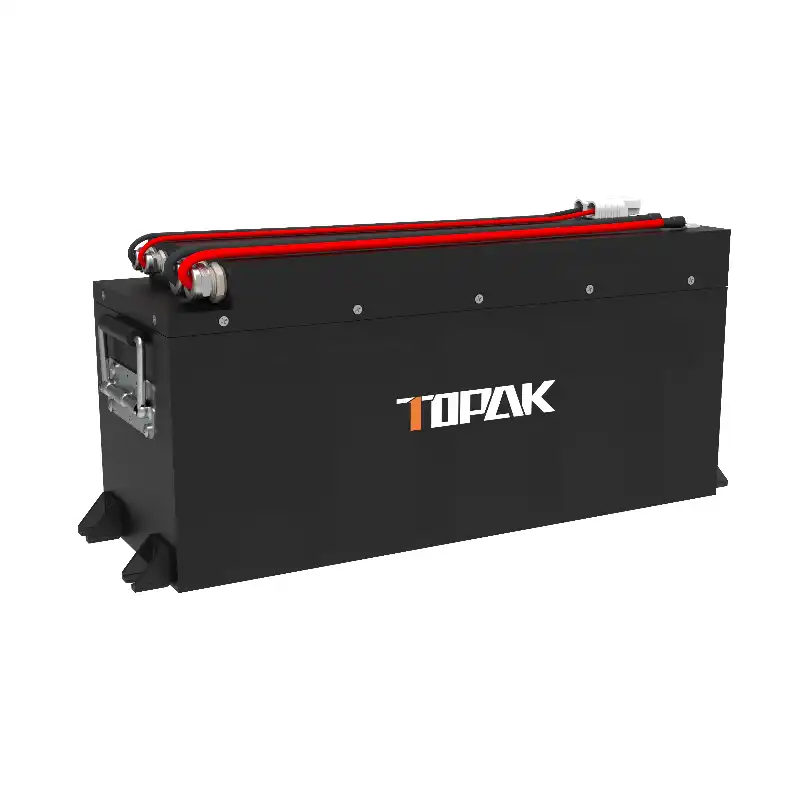
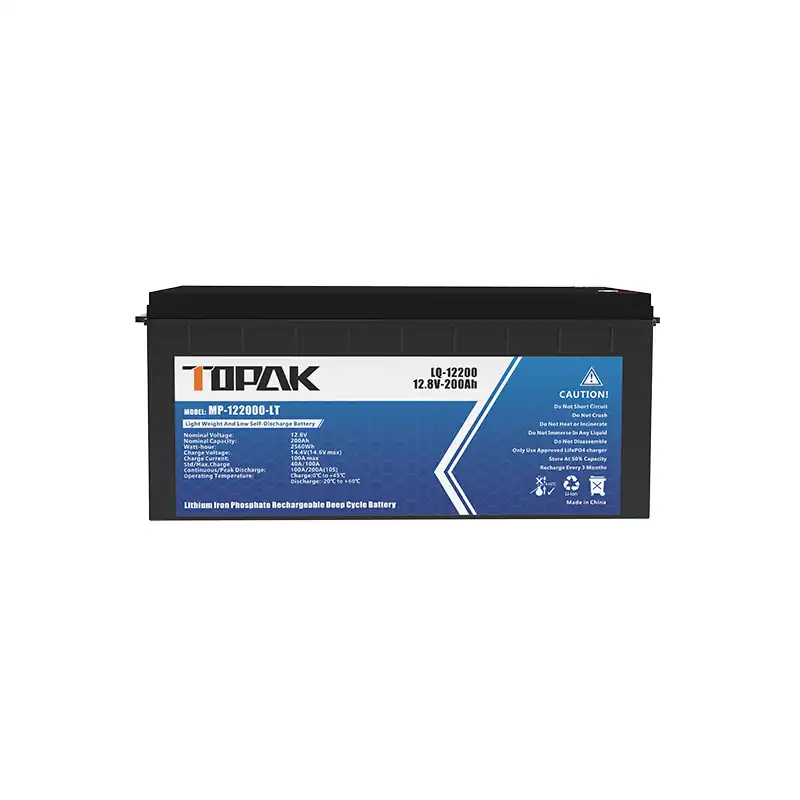
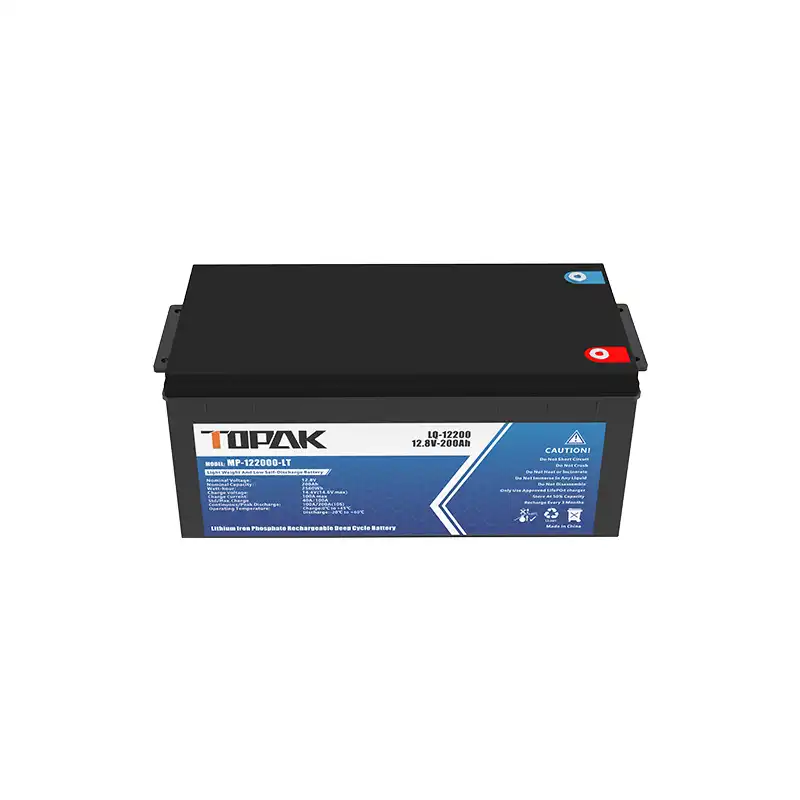
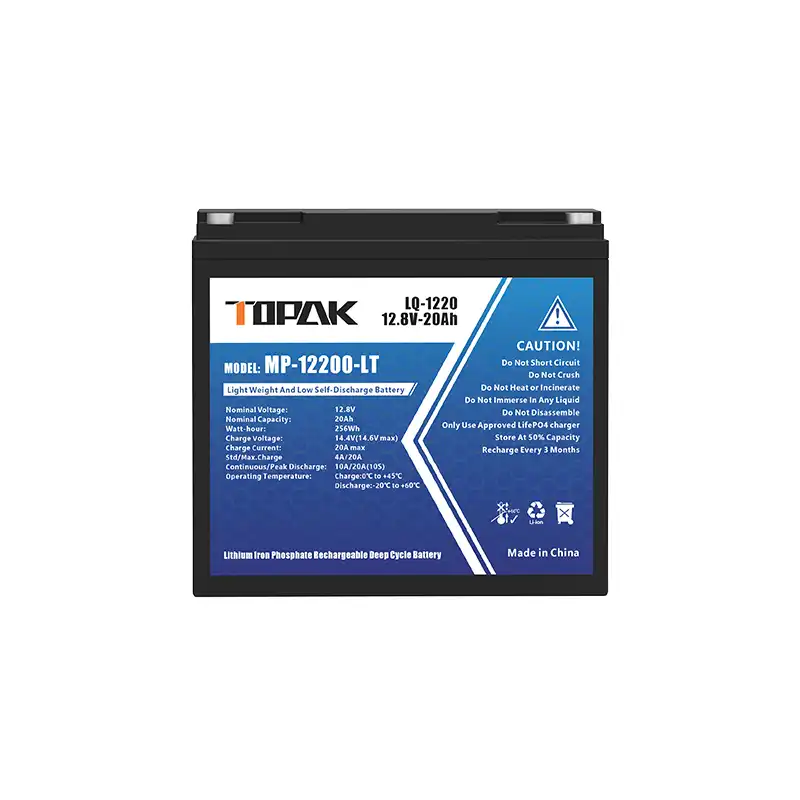
Yes, a lithium iron phosphate battery with a standard voltage of 12.8V and a capacity of 20Ah can power most camping gear if it is set up correctly. The TOPAK LiFePO4 battery 12V 20Ah gives off 256Wh of usable energy, which is enough to power LED lights, charge multiple devices, run portable refrigerators, and charge communication gear for long periods of time. This high-tech power solution can handle heavy camp loads safely and efficiently thanks to its 30A constant discharge capability and built-in battery management system. Its low weight of 2.5 kg and long life of 6000 cycles make it a wonderful choice for outdoor enthusiasts and professional camping businesses that need stable energy storage that doesn't need to be maintained.

Understanding LiFePO4 Battery 12V 20Ah: Features and Benefits
Camping needs power that you can count on, and choosing the right battery technology can have a big effect on your time outside. The structure and operation of lithium iron phosphate batteries have revolutionized the storage of portable energy.
The Chemistry Behind Superior Performance
The iron-phosphate cathodes used in lithium iron phosphate chemistry are much more thermally stable than those used in traditional lithium-ion batteries. This molecular structure stops heat from getting out of hand, which gets rid of the risk of explosion that comes with cobalt-based chemicals. The battery doesn't lose its shape when it's overcharged, and it can safely work in temperatures up to 60°C, which makes it perfect for camping spots with limited airflow. TOPAK's unique cell design uses UL1642-approved materials that prove they won't catch fire, which is important for RVs, boats, and portable shelters.
Energy Density and Physical Advantages
Modern outdoor power options need to have small areas that don't lose any power. The weight of a quality LiFePO4 battery 12V 20Ah is about 2.5 kg, which is 50% less than the weight of similar lead-acid batteries. When backpacking or putting stuff into cars with weight limits, this weight savings is crucial. The 256Wh energy capacity packed into the best-sized package makes it easy to mount in small spaces and maintains a steady voltage output throughout the discharge cycle. Manufacturers of equipment like this stable voltage supply appreciate it because it ensures that sensitive electronics receive clean power without the voltage drop that occurs with other battery chemistries.
Built-In Battery Management System Protection
Smart power control is important for camping in remote areas to keep everyone safe. TOPAK integrates comprehensive battery management systems directly into each cell assembly, providing over-voltage protection, over-current safeguards, short circuit prevention, and temperature monitoring. This four-layer safety system disconnects loads immediately when there is a fault. This keeps the battery and any linked equipment safe. The BMS levels each cell while it's charging, which makes the pack last longer and stops capacity loss before it's time. TOPAK creates BMS technology in-house, which is appreciated by engineering teams because it allows for quick customization to meet specific application needs and ensures compatibility across a wide range of camping equipment setups.
Cycle Life and Long-Term Value
An investment in good power storage pays off by extending the life of the equipment. TOPAK's lithium iron phosphate cells can be charged and discharged 6,000 times at 80% depth of discharge. This is a huge improvement over lead-acid batteries, which only last 300 to 500 cycles in the same conditions. This is the same as camping every weekend for more than 16 years or riding a bike every day for about 8 years. When procurement managers figure out the total cost of ownership, they know that LFP technology has higher starting costs but lower per-cycle costs and less frequent replacement. Because it doesn't need to be maintained, it doesn't need water added, the terminals cleaned, or balance charges like flooded lead-acid alternatives do. This makes the lifetime ownership costs even lower.
Performance Analysis: Can a 12V 20Ah LiFePO4 Battery Power Your Entire Camp Setup?
By knowing how much power is used and how long the battery lasts, you can accurately decide if the 256Wh size meets your camping needs. We look at how much normal equipment is loaded to give you a practical idea of how well it will work.
Calculating Equipment Power Requirements
Most power goes to the camp lights. A fully charged Lifepo4 battery 12v 20ah can power a 10W LED strip light for 25 hours. 45W portable freezers turn on and off, drawing around 20W for 24 hours, or about 480Wh per day. A 20Ah unit can cool for roughly 12 hours; however, the compressor cycle can extend the overall runtime. One battery cycle may charge smartphones 15–20 times with 10–15Wh per charge. Tablets typically require 20–30Wh for a full charge, allowing about eight to twelve charging sessions. Laptops usually need 50–70Wh and can be charged three to four times, depending on screen size and battery capacity.
Runtime Under Various Load Scenarios
Camping LED lights, chargers, and tiny electronics require roughly 30W on average. In these conditions, a 12V 20Ah LiFePO₄ battery may operate continuously for 8+ hours. Moderate loads like portable fans and water pumps utilize 60W, limiting runtime to 4 hours. Freezers, inverters feeding AC equipment, and many gadgets operating at once increase the average demand to 100W, allowing the system to operate for 2.5 hours. B2B customers should consider top simultaneous loads instead of daily usage when calculating power needs for guided camping excursions to ensure capacity during peak demand.
Charging Methods and Solar Integration
Off-grid camping lasts longer with efficient charging. An excellent 10A lithium-specific charger fills a battery in 2.5 hours. Remote places may be charged long-term by solar. A 100W solar panel that generates 350Wh per day can completely charge the battery and power daytime loads in perfect circumstances. MPPT solar charge controllers maximize solar energy by identifying the optimal voltage and current combinations as the sun moves. Clouds reduce solar production by 50–80%, requiring larger panel groups or longer charging windows. TOPAK batteries can charge fast when generator or port power is available while traveling due to their 20A charge current.
Maintenance Considerations for Outdoor Environments
Extreme temperatures may damage outdoor batteries. TOPAK's lithium iron phosphate chemistry retains 85% of its capacity at -20°C, unlike lead-acid solutions that lose 30%. High-temperature shutdown protection at 65°C prevents cell damage in summer heatwaves. Keep batteries between 40 and 60% charged while not in use to prevent complete shutdowns that might disrupt cell chemistry. The low self-discharge rate of 2% to 3% per month implies properly maintained batteries may be used for whole off-seasons without being recharged. Professionals use LiFePO₄ technology for rental fleets to avoid sulfation and maintenance issues associated with lead-acid batteries.
Comparative Insights: LiFePO₄ Battery 12V 20Ah vs Other Battery Types
In order to choose the best battery technology, you need to know how the different types work. In this study, we contrast lithium iron phosphate with other popular portable power storage options.
Weight and Energy Density Comparison
Traditional flooded lead-acid batteries with an equal 20 Ah capacity weigh about 6 kg, which makes them hard to handle and raises worries about the car's payload. Different types of absorbed glass mat lower their weight to 5 kg and make them more resistant to shaking, but they still have the weight problem that comes with using lead-based chemicals. Standard lithium-ion batteries with cobalt or manganese cathodes lose about the same amount of weight as lithium iron phosphate batteries, but they give up safety limits and temperature stability. Quality LFP batteries weigh 2.5 kg, which is the best mix between safety and energy output for hard outdoor uses where portability and dependability are both important.
Depth of Discharge and Usable Capacity
Lead-acid technologies have a much shorter life span when they are drained past 50% of their capacity. This means that a 20Ah battery can only hold 10Ah of useful energy. Gel batteries let you drain them to 70%, but they need to be charged in a certain way so that they don't lose their capacity permanently. Lithium iron phosphate batteries can be safely discharged to 80–90% deep without breaking down faster. This fundamental difference means a 12V 20Ah LiFePO₄ battery effectively replaces a 40Ah lead-acid battery in practical applications, further amplifying the weight and volume advantages already discussed.
Lifecycle Cost Analysis
Lead-acid technologies are cheaper to buy up front. For example, flooding batteries cost 40–50% less than LiFePO4 options of the same type, such as Lifepo4 battery 12v 20ah units. Total ownership estimates take away this initial benefit by making the service life much longer. A lithium iron phosphate pack that lasts 6000 cycles can replace 12 to 20 lead-acid batteries during its useful life. Adding substitute work, disposal fees, and equipment downtime changes the lifetime economics in a clear favor of lithium iron phosphate, even though it costs more at the start. Partners in distribution that work with commercial camping operations know that standardizing the fleet on LFP technology simplifies inventory, gets rid of repair calls, and makes customers happier by making the equipment more reliable.
Safety Profile Across Chemistries
When charged, flooded lead-acid batteries produce hydrogen gas, which can explode in tight areas that don't have enough air flow. Gel and AGM sealed lead-acid types lower gassing issues, but they don't get rid of them completely. Standard lithium-ion chemistries using cobalt cathodes have documented thermal runaway incidents when damaged or improperly charged. Lithium iron phosphate chemistry is safer than other types because it is naturally thermally stable. Iron-phosphate bonds stay stable even when there are short circuits inside the chemistry. TOPAK batteries have CE, MSDS, and UN38.3 certifications that show they meet international safety and transport standards. This is important paperwork for distributors who ship across countries and equipment makers who want to protect themselves from responsibility.
Procurement Considerations for LiFePO4 Battery 12V 20Ah
Finding good lithium iron phosphate batteries means looking at more than just the basic specs of the suppliers. When choosing a battery partner, procurement managers should look at the partner's manufacturing skills, quality processes, and support infrastructure.
Supplier Qualification and Certifications
Reputable battery makers keep a full range of certifications that show their quality management and product safety systems. The CE label shows that the product meets European safety standards, which are necessary for products to be sold in EU countries. The UN38.3 approval shows that batteries can handle transport tests like simulating high altitudes, cycling through different temperatures, shaking, shock, and an external short circuit without venting or exploding. MSDS paperwork gives important safety information for handling, storing, and what to do in an emergency. In addition to product approvals, sellers should show that they have an ISO 9001 quality management system certification and, if possible, an ISO 14001 environmental management system certification. These qualifications are kept up by TOPAK's 25,000㎡ square foot factory in Dalang, which has automatic production lines that make sure quality is maintained even during large-scale production runs.
Manufacturing Capability and Customization
Buyers who buy in bulk need providers who can keep their shipping schedules and make changes as needed. Automation in production makes it possible to quickly expand to meet yearly changes in demand that are common in markets for outdoor leisure. Developing the Battery Management System in-house sets skilled makers apart from assembly operations that use parts from other companies. TOPAK's engineering team creates custom BMS solutions that are made to fit the needs of each application. These solutions allow for changes in voltage setup, improved discharge rates, and the integration of communication protocols for smart camping systems. Companies that have been around since before 2010 have a track record of stable markets and improving technology across multiple versions of battery chemistry. This lowers the risk in the supply chain compared to new companies that haven't been around for as long.
Global Distribution and Technical Support
International buyers give more weight to sellers who have well-established distribution networks and quick expert help. TOPAK has regional partners in more than 15 countries that help customers with native language support, currency exchange, and faster shipping times. Application engineers can get help from technical advice services to choose the right battery size, set up charging systems, and incorporate batteries into complicated power management architectures. Professional battery providers are different from commodity vendors because they offer after-sales help, such as managing warranties, figuring out why batteries fail, and coordinating field service. Bulk purchasing programs let you save money by buying more, and the quality of the products stays the same thanks to lot tracking and proof of batch testing.
Pricing Trends and Negotiation Strategies
The price of LiFePO₄ battery 12V 20Ah units declined by about 60% from 2015 to 2023 as production scale rose and cell chemistry improvement cut down on the need for raw materials. As things stand on the market right now, prices have leveled off and are only predicted to go down slightly each year as output efficiency keeps rising. When buyers negotiate annual supply deals in bulk, they can get better prices through commitment guarantees and easier processes. Letters of credit and trade financing are examples of payment terms that can be used for foreign deals and protect both parties. Consignment inventory programs help equipment makers who put batteries in finished goods because they lower their working capital needs and make sure they have just-in-time parts.
Practical Tips for Using a 12V 20Ah in Camping Setups
Installing and using batteries correctly will get the most out of them and keep them safe in the field. These rules are meant to help with common execution problems that come up in outdoor settings.
Installation and Wiring Best Practices
Secure fitment protects the automobile from vibrations, whether moving or off-roading. Foam battery boxes protect batteries from shock, weather, and dust. The cable size should maximize discharge current with minimal voltage loss. A 30A continuous discharge requires 10 AWG copper wire for distances under 3 meters. Longer cable runs need 8 AWG wire. In the event of a short circuit, 40A inline fuses within 18 inches of the positive end safeguard the circuit and wire run. Terminal connections need rust-resistant terminals and crimping equipment. They should also be examined routinely for weak connections that cause resistance heating and power loss.
Charging Protocols and Battery Longevity
Lithium-specific charges provide the proper voltage profiles, unlike lead-acid charging. Steady current bulk charging occurs until 14.4–14.6 V. After that, it absorbs continuous voltage until the current decreases below 1A. After absorption, chargers disengage, eliminating needless and possibly dangerous float charging for LiFePO4 chemistry. Solar charge controllers must function with lithium batteries with the proper voltage setpoints and no temperature compensation. LiFePO₄ cells do not need temperature-based charging modifications like lead-acid batteries. Avoiding 100% charge slows calendar aging. The optimal long-term storage settings are 50–60% charge during annual off-use.
Temperature Management and Environmental Protection
Performance varies when operating temperatures climb or decrease from -20°C to 60°C. In -20°C temperatures, the LiFePO₄ battery 12V 20Ah loses 15% of its power, but it does not suffer irreversible damage like lead-acid batteries. In cold weather, car-powered heating pads warm the batteries before they are placed under high-current loads. Insulated battery containers prevent temperatures from fluctuating. Installation locations in the shadow are preferable to those in the sunshine since high temperatures accelerate calendar aging. The BMS cuts off loads if the interior temperature exceeds safe limits. This prevents heat damage to cells and alerts workers to cool.
Compatible Accessories and System Integration
Devices that can't use DC need power inverters to convert 12V DC to 120V AC. Modified sine wave inverters perform well with resistive loads like heaters and lighting, whereas sensitive electronics and induction motors require pure sine wave inverters. Battery monitors measure charge, voltage, current, and amp-hours. They link to cellphones via Bluetooth to show system status in real time. MPPT solar charge controllers obtain 20–30% more energy from solar panels than PWM controllers. Better system performance justifies the modest additional expense. DC-DC converters convert voltages, so equipment that requires 5V USB, 9V, or other nonstandard voltages may use them from the battery without losing efficiency.
Conclusion
The LiFePO₄ battery 12V 20Ah is the best power source for a wide range of camping needs. Its advanced chemistry and smart management systems ensure steady performance. It can handle normal camping loads like lighting, cooling, and charging devices thanks to its 256Wh capacity, and it's small and light enough to carry around. LiFePO4 technology is different from other options because it has longer cycle life and better safety features. It also has lower total ownership costs, even though it costs more at first. When installed correctly, charged correctly, and integrated with solar cells and other parts, the system works best in a variety of outdoor settings. TOPAK's production know-how, extensive certifications, and global support infrastructure make it easy for procurement professionals to find reliable battery options that come with technical help and quick service.
FAQ
How long will a 12V 20Ah lithium iron phosphate battery run my camping equipment?
Runtime depends on how much power the connected load uses. LED lighting at 10W lasts about 25 hours, portable freezers at 20W last 12 hours or more, and a mix of lighting and charging devices lasts about 8 to 10 hours. Divide the 256Wh battery size by the total wattage draw of your tools to get the runtime.
What maintenance does a LiFePO4 camping battery require?
Compared to lead-acid batteries, the LiFePO₄ battery 12V 20Ah doesn't need as much upkeep. When not in use for a long time, store at 40–60% charge, check the connections for rust every six months, and avoid full discharge events. These batteries don't need to be charged to equalize, have their capacity checked on a regular basis, or be filled with water. This makes them perfect for summer camping gear.
Are lithium-iron-phosphate batteries safer than lead-acid for camping?
Yes, LiFePO₄ chemistry is safer than other types because its molecules are steady and don't get too hot. When lead-acid batteries are charged, they release hydrogen gas that can explode. Lithium iron phosphate batteries, on the other hand, work without releasing any gas. The built-in battery management system has several layers of security that stop overcharging, overdischarging, and short circuits that could be dangerous in small camping areas.
Partner with TOPAK for Industrial-Grade Lithium Iron Phosphate Solutions
TOPAK New Energy Technology is ready to meet your needs for lithium batteries. Since 2007, they have been making high-quality products that meet customer needs. With its built-in BMS technology, automatic production quality, and full safety certifications, our LiFePO4 battery 12V 20Ah provides stable power for camping and other uses. As a well-known supplier of 12V 20Ah lithium iron phosphate batteries to more than 15 foreign markets, we offer choices for buying in bulk, technical support, and solutions that are specifically designed to meet your needs. Our engineering team can help you speed up the time it takes to build your products by customizing the BMS, helping you integrate systems, and making fast prototypes. Get in touch with our business-to-business team at B2B@topakpower.com to talk about bulk prices, get full technical specs, and find out how TOPAK's 12V 20Ah lithium iron phosphate battery for sale can help your products or business by providing reliable, long-lasting power.
References
1. Battery University. "BU-205: Types of Lithium-ion Batteries." Cadex Electronics Inc., 2023.
2. Mahmoudzadeh Andwari, A., et al. "A review of battery electric vehicle technology and readiness levels." Renewable and Sustainable Energy Reviews, vol. 78, 2017, pp. 414-430.
3. Scrosati, B., and Garche, J. "Lithium Batteries: Status, Prospects, and Future." Journal of Power Sources, vol. 195, no. 9, 2010, pp. 2419-2430.
4. Warner, J. "The Handbook of Lithium-Ion Battery Pack Design: Chemistry, Components, Types, and Terminology." " Elsevier Science, 2015.
5. Chen, Y., et al. "A review of lithium-ion battery safety concerns: The issues, strategies, and testing standards." Journal of Energy Chemistry, vol. 59, 2021, pp. 83-99.
6. Goodenough, J.B., and Park, K.S. "The Li-ion rechargeable battery: a perspective." Journal of the American Chemical Society, vol. 135, no. 4, 2013, pp. 1167-1176.