What Capacity Base Station Battery Do You Need for Telecom?
Choosing the right Base Station Battery capacity depends on your power load requirements, backup duration needs, and operational environment. Most telecom installations require 40-100Ah capacity for standard backup times of 4-8 hours, though specific needs vary based on equipment power consumption and local grid reliability. A 48V system with 40Ah capacity, like the TP-4840T, provides 1920Wh of energy storage, suitable for most cellular towers and communication infrastructure that require reliable emergency power during outages.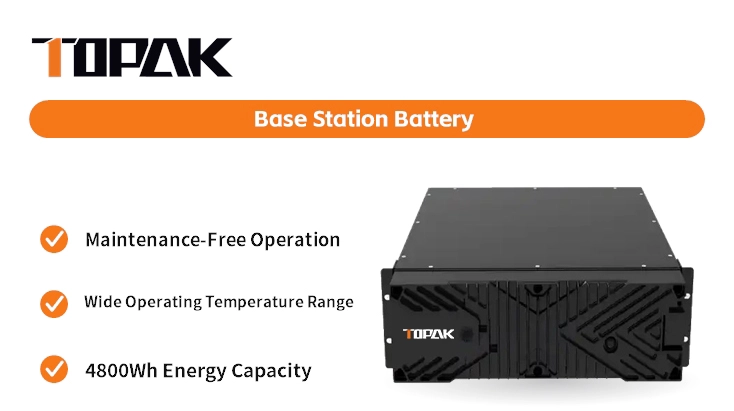
Understanding Base Station Batteries and Their Role in Telecom
Telecom networks are essential for modern communication, so they must have a power source that doesn't go out. Base Station Battery systems keep service going when the power goes down. They stop communication blackouts that could affect emergency services, business operations, and daily life.
The Critical Function of Backup Power Systems
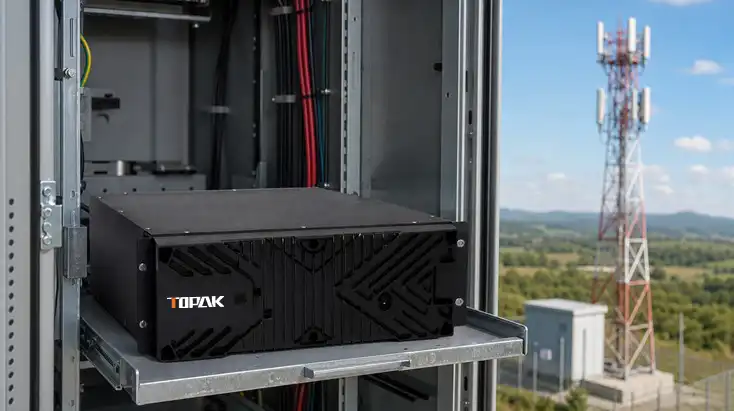
When power goes out in telecommunications systems, base station batteries are the first line of defense. When the power goes out, these systems kick in immediately, making sure that cell phone towers, data centers, and communication hubs keep working normally. It only takes milliseconds for the power to switch from the grid to the batteries, keeping the network stable during important times. Modern telecom equipment has strict power needs. It usually uses 48V DC devices that need steady voltage and current delivery. These requirements must be met by battery backup systems that have enough energy storage to cover long power blackouts. How reliable these backup systems are has a direct effect on how available the network is and how happy customers are.
Battery Technology Types in Telecom Applications
There are different battery systems that telecom companies can choose from, and each has its own benefits. Lead-acid batteries, such as VRLA (Valve Regulated Lead Acid) and AGM (Absorbent Glass Mat) types, have long been market leaders because they are reliable and relatively low-cost upfront. If you take care of these devices, they should last between 5 and 10 years. Lithium-ion technology, especially LiFePO4 (Lithium Iron Phosphate) chemistry, has become very popular in the past few years. These high-tech batteries have a higher energy density, last longer (over 3000 cycles), and need less upkeep. The TP-4840T 48V 40Ah model is a great example of this technology. It packs 1920Wh of power into a small 25 kg size and comes with full BMS safety.
Global Standards and Compatibility Requirements
International telecom standards set specific power and volume needs that affect the choice of battery. The 48V standard is now used everywhere for telecom purposes. This makes sure that equipment from different makers works with each other and makes buying easier. Most of the time, requirements for capacity run from 20Ah for small cell sites to 200Ah or more for large switching centers. Batteries must meet safety and shipping standards in all areas by being certified in ways like UN38.3, MSDS, and CE compliance. These certificates are especially important for global telecom companies that manage equipment in a lot of different regulatory areas.
How to Determine the Appropriate Battery Capacity for Your Telecom Base Station
To choose the Base Station Battery size, you need to carefully look at a lot of different operating factors. By knowing exactly how much power you need, you can make sure that the solutions you buy will meet both your current needs and your plans for future growth, without spending too much on capacity that you don't need.
Load Analysis and Power Consumption Assessment
An accurate load study is the first step in planning for capacity. The amount of power that telecom equipment uses depends a lot on the type of technology, the service area, and the traffic trends. A normal macro cell site might need between 2kW and 5kW of power all the time, while small cell setups usually need between 200W and 500W. Manufacturers of equipment give thorough power specs that include both peak and average power use numbers. The total load needs are made up of radio equipment, cooling systems, transmission gear, and tracking devices. Changing cooling needs with the seasons can have a big effect on power use, especially in places with extreme weather. When figuring out peak power, you have to take into account restart spikes and all of your tools running at the same time. To handle these high demands, battery systems need to be able to discharge enough power without causing voltage drops that could damage sensitive electronics. The TP-4840T can continuously discharge up to 40A, making it perfect for medium to high-power uses.
Runtime Requirements and Backup Duration Planning
How long a backup needs to last depends on how reliable the local grid is, how quickly repair workers can respond, and what the law says. Backup power might be needed for 4 to 8 hours in cities with stable grids, but in remote places, it might be needed for 12 to 24 hours or more to make sure service stays up and running. Minimum backup times for different types of services are often set by regulations. Backing up emergency communication systems usually takes longer than backing up business services. Knowing these needs helps set a standard for capacity needs before thinking about operational choices. The environment affects how well batteries work and how much power they actually have. Extreme temperatures can cut the usable capacity by 20–40%, so bigger devices are needed to keep the goal runtime. Modern LiFePO4 systems can work in a wide range of temperatures, which helps them keep working well in a variety of weather situations.
Practical Capacity Calculation Methods
There are a few important factors that go into figuring out battery capacity: load power, backup time, battery voltage, and system efficiency. To find the minimum amp-hour capacity needed, multiply the average load (in amps) by the required runtime (in hours). As an example of how this calculation works in real life, a base station that uses 2000W at 48V continuously draws about 42A. For an 8-hour backup, you need at least 336Ah of capability. But this estimate has to include safety margins for changes in temperature, wear and tear, and peak load situations, which usually makes the needs 25–50% higher. Inverter losses, BMS costs, and wire resistance are all taken into account by system efficiency factors. Lead-acid systems usually work at 85–90% efficiency, while modern lithium systems work at 95% or more efficiency. These differences have a big effect on the total amount of space needed and the cost of running the system over its lifetime.
Comparison of Popular Battery Types for Telecom Base Station Applications
Choosing the right Base Station Batterytechnology has a big effect on both the original cost of purchase and the long-term cost of running. Knowing how different types of batteries work, how much they cost to maintain, and the total cost of ownership helps you make smart purchasing choices that help your organization reach its goals.
Lead-Acid vs Lithium-Ion Performance Analysis
Lead-acid batteries are reliable, and they cost less up front, which makes them a good choice for projects that need to stay within a budget. VRLA technology gets rid of the need for regular water care, and AGM versions make them more resistant to vibrations for mobile uses. The typical service life is between 5 and 10 years, but this depends on how it is used and how often it is discharged. Lithium-ion devices, especially those that use LiFePO4 chemistry, work better in several ways. Cycle life of over 3000 rounds at 80% depth of discharge is much longer than lead-acid options. A higher energy density means less room is needed for installation, and a lower weight makes it easier to move and set up. With its full BMS safety system, the TP-4840T is an example of modern lithium technology. Built-in protections against over-voltage, over-current, short circuits, and temperature extremes make sure that the device works reliably even when tracking equipment is not nearby. This built-in safety feature makes the system simpler while also increasing its safety.
Cost-Efficiency and Total Ownership Considerations
When you compare the initial buy prices, lead-acid technology looks better, but when you look at the total costs, you see a different picture. Because lithium devices last longer, need less upkeep, and are more efficient, they often have lower lifetime costs even though they cost more up front. The cost of maintenance has a big effect on the total cost of ownership estimates. Lead-acid systems need to have their capacity checked, their terminals cleaned, and their potential electrolyte replaced on a frequent basis. Lithium systems don't need any upkeep, which cuts down on both worker costs and system downtime. Not having to have repair trips regularly is especially helpful for remote sites where getting to services is expensive. Differences in energy efficiency add up over time, changing both the cost of power and the amount of cooling that is needed. Lithium systems with higher energy efficiency make less heat, which could mean less need for air conditioning in climate-controlled spaces. The total cost efficiency is better because of these secondary savings.
Market-Leading Brands and Specifications
Well-known companies like Exide, Amaron, Panasonic, and Samsung make a wide range of products that can be used in telecom applications. Each brand has its own strengths when it comes to the technologies it focuses on, the places it's available, and the help it can provide. One thing that sets TOPAK New Energy Technology apart is that it focuses on telecom and develops its own BMS. The company has been in the telecommunications business since its founding in 2007 and has a track record of more than 15 years. The 25,000㎡ factory in Shenzhen has large-scale automated production capabilities that guarantee uniform quality and shipping performance. With its optimized 442x400x177mm form factor made just for normal telecom rack setups, the TP-4840T is a great example of TOPAK's engineering prowess. Global compatibility is ensured by UN38.3, MSDS, and CE certifications, and the 3000 cycle rate makes it last a very long time in challenging situations.
Maintenance, Testing, and Replacement Indicators for Base Station Battery Systems
Preventative repair plans make batteries last longer and make sure they can be used as backup power when it's needed most. Knowing how to test and find replacement signs can help you avoid sudden crashes that could affect network access at crucial times.
Preventive Maintenance Best Practices
Maintenance plans that work well strike a mix between being thorough and saving money. Visual checks done regularly find problems like corrosion, physical damage, or loose links before they become system breakdowns. Monitoring the environment makes sure that batteries work within certain temperature and humidity ranges so they last as long as possible and work at their best. Scheduled capacity testing compares real performance to specs and shows how performance is slowly declining before it affects the ability to back up data. Modern BMS systems keep an eye on key factors all the time and let workers know when problems start to arise. The TP-4840T's built-in BMS constantly checks the voltage, current, and temperature, showing the current state in real time. Keeping track of maintenance tasks creates useful trend data that helps with planning replacements and making guarantee claims. Keeping track of measures of capacity over time shows trends of degradation that help figure out when replacements will be needed in the future. This proactive method stops failures before they happen and makes the best use of replacement time.
Testing Methods and Performance Monitoring
Controlled discharge methods are used for capacity tests to measure the real amp-hour delivery under certain conditions. Professional test equipment uses measured loads and keeps an eye on the voltage, current, and temperature during the discharge cycle. The results of the tests give a numerical estimate of the battery's health and leftover useful life. Load bank testing makes sure that the system works well in real-world situations. This thorough testing method works the whole backup system, including the batteries, the BMS, and the wires that connect them. Doing load tests once a year can help find problems before they get bad enough to affect emergency operation. Impedance testing is a non-destructive way to check the state of a battery. This method checks for changes in internal resistance that show problems are starting to appear. Modern test tools can quickly take these measures without draining the battery too much, so they can be checked on a regular basis without affecting operations.
Replacement Timing and Performance Indicators
When deciding whether to change a battery, efficiency needs are weighed against cost concerns. When capacity goes below 80% of rated value, most industry norms say that the item should be replaced. But for important uses, replacement may need to happen sooner to keep enough safety margins. Performance signs include higher working temperatures, higher internal resistance, and lower capacity delivery. These symptoms often come on slowly, so it's important to keep an eye on them over time to spot trends. Systems like the TP-4840T have BMS safety features that help find problems before they get worse by constantly checking parameters. Economic factors affect when to repair something. Batteries that are getting close to the end of their useful life may still be able to handle backup power for non-essential loads, but not for essential services. Figuring out how important an application is helps set the best repair plans and keep costs under control.
Procurement and Supplier Considerations for Telecom Base Station Battery Systems
Strategic methods for buying things make sure that ties with suppliers are reliable and that costs and performance are optimized. Assessing possible suppliers ofBase Station Batteryon a number of factors helps build relationships that ensure long-term business success and network reliability.
Supplier Evaluation and Reliability Assessment
The first step in assessing a supplier is to look at their manufacturing and quality processes. Large-scale automatic production lines make sure that the quality of the products is always the same and can handle large requests. TOPAK's 25,000㎡ building shows the size needed for large-scale telecom operations. When choosing providers for unique solutions, technical knowledge is very important. When compared to providers who use third-party parts, TOPAK's in-house BMS creation skills offer better integration and support. This vertical merger makes it easier to fix problems and make changes to products more quickly. Global distribution networks help international telecom providers make sure that their products are always available and that they have local support. TOPAK is present in more than 15 countries, so they know how to make products that work well in those countries. This global reach makes buying easier for owners who are in charge of portfolios in a lot of different places.
Quality Assurance and Certification Requirements
International approvals show that a product is safe and works well in a variety of legal settings. For safe shipping, UN38.3 approval is needed, and CE marking is needed to make sure the product is legal in the European market. These licenses make it easier for international operators to buy things. Quality management systems, such as ISO standards, show that factory control can be done in a planned way. Regular checks by a third party make sure that set standards are being met. TOPAK's list of certifications shows that they are dedicated to quality control in every part of their business. Procedures for checking and validating a product make sure that its specs match its real performance. Independent testing labs check what the maker says without bias. Full test records help with buying things and give starting points for comparing performance in the future.
Long-Term Partnership Considerations
Successful ties with suppliers go beyond just buying something; they also include ongoing help and product development. Technical support is especially important for setups that are complicated and need help with customization or integration. Warranty coverage and help after the sale protect against product flaws and make sure that problems are fixed quickly. Comprehensive guarantee programs show that the maker trusts the product while lowering business risks. TOPAK has a world service network that offers local help backed by factory knowledge. Aligning the product plan with the needs of the technology means that suppliers can adapt their skills to meet those needs. When suppliers put money into research and development, they stay ahead of the competition and give customers access to new technologies. This method that looks to the future helps with long-term strategic planning.
Conclusion
It's important to carefully look at power needs, backup time needs, and environmental factors to figure out the right Base Station Battery size. For most telecom uses, the 48V 40Ah configuration shown by the TP-4840T is the best mix of performance and cost-effectiveness. When compared to older lead-acid technologies, modern LiFePO4 technology has better cycle life, energy density, and upkeep features. To make sure that network performance and business efficiency stay high, good buying strategies focus on how reliable suppliers are, how well they can help with technical issues, and how likely they are to become long-term partners.
FAQ
What factors determine base station battery capacity requirements?
The size of the battery relies on how much power the equipment needs, how long the backup needs to last, the surroundings, and safety margins. Find the total load in amps, increase it by the number of backup hours you need, and add 25 to 50 percent to account for temperature changes and wear and tear.
How long do lithium base station batteries typically last?
Good LiFePO4 batteries, like the TP-4840T, can be charged and discharged over 3000 times at 80% depth of discharge. This means they will last for 10-15 years under average telecom working conditions. The actual lifespan depends on the temperature, the way it is discharged, and how well it is maintained.
What maintenance is required for modern telecom batteries?
When compared to lead-acid systems, lithium systems need less upkeep. Visual checks, environmental tracking, and yearly capacity tests are all done to make sure that the system works at its best. More advanced BMS systems can track and send alerts all the time.
How do I calculate backup runtime for my base station?
To find power hours, divide the battery's capacity (Ah) by its average load current (A). With its 40Ah capacity, the TP-4840T can back up a 5A load for about 8 hours. For real estimates, you need to take into account temperature changes and loss of efficiency.
Partner with TOPAK for Reliable Base Station Battery Solutions
TOPAK New Energy Technology is ready to help your telecommunications infrastructure with Base Station Battery options that have been used successfully in the past and are made for tough situations. Our TP-4840T 48V 40Ah system has modern LiFePO4 technology and full BMS security, giving your network the dependability and performance it needs. As a well-known Base Station Battery maker with more than 15 years of experience, we offer custom solutions backed by professional help and delivery around the world. Email our team at B2B@topakpower.com to talk about your unique needs and find out how TOPAK's cutting-edge battery technology can make your network more reliable.
References
1. International Telecommunication Union. "Power feeding systems for telecommunications installations." ITU-T Recommendation L.200, 2018.
2. IEEE Standards Association. "IEEE Recommended Practice for Sizing Lead-Acid Batteries for Stand-Alone Photovoltaic Systems." IEEE Std 1013-2019.
3. Battery Council International. "Technical Manual: Stationary Battery Applications in Telecommunications." 8th Edition, 2020.
4. TIA Standards Committee. "Telecommunications Infrastructure Standard for Data Centers." TIA-942-B, 2017.
5. European Telecommunications Standards Institute. "Environmental Engineering: Power supply interface at the input to telecommunications and datacom equipment." ETSI EN 300 132-3-1, 2019.
6. National Institute of Standards and Technology. "Guidelines for Smart Grid Cybersecurity: Vol. 2, Privacy and the Smart Grid." NIST Special Publication 1108r3, 2021.