What Makes a Base Station Battery Essential for 5G Towers?
People often forget about the backup power system when they talk about the backbone of modern technology. If you have a solid base station battery, it will keep your 5G network running even when the power goes out, the voltage changes, or there is a natural disaster. By making sure that millions of users who count on uninterrupted communication services every day stay connected, these power solutions protect against lost revenue, service interruptions, and damage to the brand's image.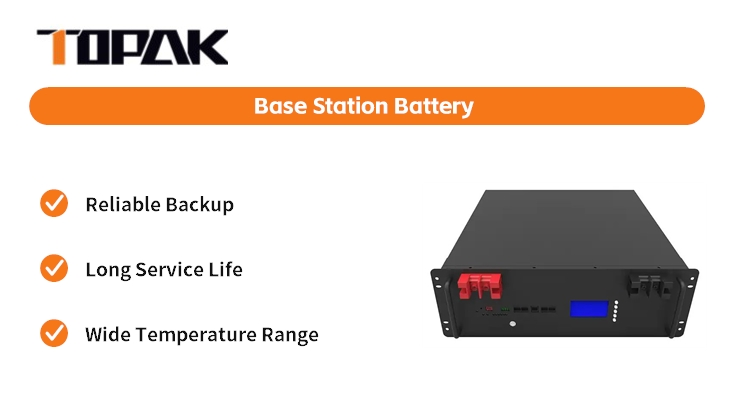

Understanding Base Station Batteries and Their Role in 5G Towers
Why Backup Power Is Non-Negotiable for Telecom Infrastructure?
The demand for constant connectivity has never been higher. For every second of downtime, you lose business chances and make customers angry. For 5G networks to work, communication towers need a lot of power to handle all the extra data flow. If there is a break, it can cause service problems all over the network. Backup batteries bridge the gap between a power outage and generator startup. They provide immediate support that keeps the network available at all times, even if only for a short time.
Comparing Battery Technologies: Lead Acid vs. Lithium Solutions
For decades, traditional lead-acid batteries were the only choice for telecom uses. Floating lead-acid batteries need regular care, like adding water and letting air flow through them. Gel and AGM (Absorbed Glass Mat) versions are safer because they seal the electrolyte, but they are heavier and don't last as long. Modern lithium-ion options, especially LiFePO₄ chemistry, have changed everything because they have better energy efficiency and last longer, which lowers the total cost of ownership over time by a huge amount.
Capacity Metrics That Define Performance Standards
How long your tools can run when the power goes out is based on how many ampere-hours (Ah) the battery can hold. The C-rate shows how fast the battery can drain. Higher C-rates support power-hungry 5G equipment without causing voltage drops. When working at 48V, a 40Ah battery stores 1920Wh of energy, which is enough to run most macro cell sites for short- to medium-periods of time. Cycle life numbers show how often batteries need to be replaced. LiFePO₄ batteries can go through 3000 cycles or more, while regular lead-acid batteries only last 500 to 800 cycles.
Temperature Resilience and Environmental Adaptability
The climates in which telecom sites are located range from very hot deserts to very cold arctic regions. Battery chemistry has to be able to handle a wide range of temperatures without losing its effectiveness. When it gets below freezing, lead-acid batteries lose a lot of their power, and when it gets above 25°C, they age faster. LiFePO4 technology works reliably from -20°C to 60°C, which makes it perfect for outdoor cabinet installations and remote tower sites where controlling the temperature is not possible or would be too expensive.
Why Are Lithium-Ion Base Station Batteries Transforming 5G Networks?
Energy Density Advantages That Reduce Footprint Requirements
Cell sites don't have a lot of room, so they need small power options. Lithium iron phosphate batteries have three times the energy density of lead acid batteries, which means they can be installed in smaller boxes with less support for the structure. TOPAK's TP-4840T type is only 442 mm long, 400 mm wide, and 177 mm high, but it has a 1920Wh capacity. This small size makes it easier to make updates and new installations in places where space is expensive.
Extended Lifecycle Economics and Maintenance Savings
Here are the core financial advantages that make lithium solutions attractive:
Cycle Life Extension: LiFePO₄ batteries can be charged and discharged 3000 times at 80% depth of discharge, which is four to six times longer than lead-acid batteries. This means that over a ten-year operating time, there will be fewer replacement cycles, fewer truck rolls, and lower worker costs.Maintenance-Free Operation: Lithium devices don't need to be inspected or refilled with water like flooded lead acid batteries do every three months. Built-in battery management systems balance cells, keep an eye on temperatures, and protect them all without any help from a person. This frees up technology resources to work on more important jobs like optimizing networks.Weight Reduction Benefits: A 48V 40Ah lithium battery weighs about 25 kg, which is 60% less than similar lead-acid banks. This lighter weight makes them easier to move, lowers the structural load on towers, and lowers the cost of supplies, which is especially helpful for deployments in remote areas that can only be reached by air or limited-access roads.These practical benefits add up to a significantly lower total cost of ownership, even though the initial buy price was higher. More and more, procurement teams are realizing that investing up front pays off by extending the life of products and making upkeep easier.
Safety Innovations Through Advanced BMS Technology
Safety is still the most important thing in telecom power systems that run alone at thousands of places. These days, lithium batteries are equipped with comprehensive battery management systems that continuously monitor voltage, current, and temperature. The TP-4840T from TOPAK has a built-in security system (BMS) that protects against over-voltage, high discharge currents, short circuits, and thermal events that could damage the system or put people in danger.LiFePO4 chemistry naturally avoids temperature runaway, which is a dangerous chain reaction that can happen with some lithium-ion types. The phosphate-based cathode structure stays steady even when it's under a lot of stress, like when it's overcharged or damaged physically. When you combine this chemical stability with smart BMS control, you get defense-in-depth protection that works for mission-critical telecommunications applications where failure can cause more than just damage to equipment and could even put people in danger.
Environmental Sustainability and Recycling Considerations
Sustainability standards in procurement choices are set by laws that require companies to be responsible. Heavy metals like lead and arsenic are not found in lithium iron phosphate batteries, so there are no worries about how to properly dispose of them. When compared to standard battery production, these methods leave smaller carbon footprints per kilowatt-hour of saved energy. End-of-life recycling programs get back useful materials like lithium, iron, and phosphate chemicals that can be used to make new batteries. This supports the circular economy, which is in line with ESG goals.
How to Choose the Best Base Station Battery for Your 5G Infrastructure?
Evaluating Performance Specifications Against Network Requirements
To choose the right backup power, you need to make sure that the base station battery's skills match the needs of the spot. To find your load profile, add up how much power the radio units, baseband computers, and other devices use. To find out how much energy you need to store, multiply the total power by the length of time you want the backup to last. Add 20 to 30 percent to the capacity to account for battery life and load increases that come up out of the blue as network traffic grows.Discharge rate power is just as important. During times of high demand, 5G equipment with large MIMO grids uses a lot of electricity. Check to see if the potential batteries can handle a maximum ongoing discharge without dropping in voltage to the point where low-voltage alarms go off. The TP-4840T provides a steady 40A discharge, making it perfect for places that use up to 1920W, which includes standard macro cell configurations and small cell clusters.
Comparing Battery Chemistries for Telecom Applications
When deciding what to do, keep these differences between battery types in mind:
Lead Acid Variants: Gel batteries can handle higher temperatures better than flooded types, but they are still heavy and can't hold a lot of power. Even though AGM designs make tower installations less likely to shake, they still need to be replaced every three to four years. Both have lower initial costs, but they cost more over time because they need to be replaced and maintained more often.Lithium Iron Phosphate: LiFePO₄ technology blends safety, long life, and high effectiveness. A higher original investment pays off because the product lasts longer, needs less upkeep, and packs more energy into a smaller space. Ideal for new operations and upgrades where the total cost of ownership is higher than the price of the buy.The choice increasingly favors lithium solutions as telecom companies look at the full economics of a product's lifecycle instead of just its purchase prices. Maintenance-free running that gets rid of costly service trips is especially helpful for sites that are far away.
Supplier Reliability and Technical Support Considerations
The performance of batteries relies on more than just science. It also depends on how well they are made and how well their suppliers can help them. Check out possible vendors based on how much they can produce, whether they have quality certifications, and whether they offer expert support. TOPAK has 25,000 square meters of automated factories in Shenzhen. They use controlled production methods to make sure that the standard is always the same. Certifications like UN38.3, MSDS, and CE show that the product meets foreign standards for safety and transport, which are necessary for global use.Technical help is very important for setting up and fixing problems with a system. Suppliers who give customized BMS setups, integration advice, and quick engineering help are more valuable than those who just supply batteries. Our in-house BMS development team works directly with customers to make sure that the security settings and communication methods are perfect for their site. This is something that generic battery distributors can't do.
Real-World Deployment Success Stories
More than 15 countries' telecom companies have used TOPAK lithium options to update old lead-acid systems. One North American carrier switched 200 remote site batteries to TP-4840T units, which saved 40% of the room and increased the backup runtime from two to four hours. The project got rid of the need for repair visits every three months, which saved the company about $180,000 a year in service costs and made the network more reliable.At off-grid tower sites, mixed power systems were used that combined solar panels with lithium backup batteries. The mix cut the runtime of the diesel engine by 70%, which cut fuel costs and pollution while meeting 99.9% uptime goals. These case studies show that the benefits go beyond technical details and include real changes in how things work.
Procurement Strategies for Base Station Batteries in Global Telecom Networks
Wholesale vs. OEM Direct Purchasing Models
When it comes to getting a base station battery, large network companies have to make smart decisions. Wholesale wholesalers give local inventory that is easy to find and established relationships, but they may charge higher prices and not offer as much expert support. Working directly with original equipment manufacturers (OEMs) like TOPAK can save you money on large purchases and give you customization choices that you can't get through other routes of distribution.OEM partnerships help you standardize your whole network, which makes sure that all of your specs are the same and makes managing your inventory easier. Direct expert access speeds up the solving of problems and lets you work together on aligning product roadmaps before they happen as your network changes. When you commit to buying a lot of something, you can often get better prices and supply promises that are very important for long-term deployment plans.
Managing Logistics for Global Rollouts
For international projects to work, borders, transportation, and local rules all need to be coordinated. To follow the rules for shipping by air or sea, batteries need to be marked as dangerous goods and handled by people who have been trained to do so. Suppliers with a lot of experience can handle all of these issues by making sure that the right packing, paperwork, and carrier planning are done, which keeps shipments on time and avoids regulatory problems.Optimizing containers lowers the cost of shipping each item for large sales. Compared to lead-acid batteries, lithium batteries are smaller, which makes pallets denser. This lowers the cost of shipping for big purchases. Setting up regional distribution points near major deployment zones speeds up delivery to individual places and lowers the cost of the last mile of transportation.
After-Sales Support as a Differentiator
The availability of technical support is what sets special suppliers apart from commodity sellers. Full support includes installation instructions, help with commissioning, suggestions for performance tracking, and tools for fixing problems. Having access to technical experts is especially helpful when integrating systems is hard or when unexpected situations in the field mean that solutions need to be changed.Warranty terms show that the company that made the product is confident in its quality. Standard covering should include flaws and early loss of capacity, and there should be clear ways to file warranty claims and arrange for replacements. Options for longer warranties give extra safety for important sites where equipment failure has serious effects.
Why TOPAK Stands Out in Telecommunications Power Solutions
We have only made industrial-grade lithium battery packs for tough uses since our company started in 2007. Our vertical integration makes sure that quality control is done at every stage of production, from choosing the cells to developing the BMS and putting them all together. Automated production lines can make consistent products that meet tight limits for specifications that products that are put together by hand can't.Based on data from the field and feedback from customers, the engineering team behind our in-house BMS technology is always improving the tracking and security algorithms. This way of developing makes battery options that work best for telecom power backup rather than general energy storage needs. Customizations can be made in several ways, from changing the way the product is mounted mechanically to integrating communication protocols with network management systems.
Future Outlook: The Evolving Role of Base Station Batteries in 5G and Beyond
Next-Generation Battery Technologies on the Horizon
More progress will be made in energy efficiency and safety gaps with solid-state batteries thanks to research. Using solid ceramic or polymer electrolytes instead of liquid ones removes the chance of fire and could double the capacity per unit volume. It will still be a few years before this technology is available to the public, but the base station battery will likely be used in telecom once the prices of production drop to a level where they can compete.Advanced lithium systems with silicon anodes or high-nickel cathodes offer small improvements in performance that can be used sooner. These improvements will make backups last longer in current footprints or allow even smaller footprints for installations with limited room. Keeping up with new technologies helps procurement teams figure out the best time to improve tools.
Integration with Renewable Energy and Smart Grids
Solar panels are being added to more and more telecom sites to help lower their energy costs and make them more environmentally friendly. When you combine photovoltaic systems with lithium backup batteries, you get hybrid power designs that maintain stability while reducing reliance on the grid. Intelligent charge controllers make the best use of energy collection and battery charging, and controlled cycles extend the life of parts.With smart grid features, telecom batteries can take part in demand response programs, which help keep the grid stable during busy times while also making extra money. Bidirectional power electronics let batteries draw power from the grid when it's cheaper to do so and then charge during off-peak hours. Lithium-ion batteries are the only ones that can handle these advanced working modes because they have a long run life.
Predictive Maintenance Through IoT and AI
Connected battery tracking systems send data about how well the batteries are working in real time to analytics tools in the cloud. Machine learning algorithms can find small signs of wear and tear that something is about to break. This lets changes happen before service breakdowns happen. This proactive method changes maintenance from an emergency reaction to planned preventive actions that cut down on downtime and make the best use of crew schedules.Remote tests find problems that can be fixed by changing parameters or restarting the truck from afar. When they need to physically fix something, techs come with the right replacement parts and a thorough study of what went wrong. This makes it more likely that the problem will be fixed the first time. These features rely on complex BMS platforms that gather detailed operating data. This is one more benefit of integrated battery systems compared to standard products with basic tracking.
Conclusion
As we move to 5G networks, we need backup power options that meet the high standards for reliability and speed of next-generation phone equipment. Lithium iron phosphate batteries are much better than standard lead-acid batteries because they last longer, don't need to be maintained, and can handle harsh environments better. When making a purchase choice, it's more important to look at the total cost of ownership than the original purchase price. This is because current lithium options have longer replacement times and require less upkeep. For telecom infrastructure, choosing a reliable base station battery solution can help ensure stable network performance and long-term operational efficiency.Picking the right provider is just as important as picking the right battery technology. Quality of manufacturing, expert support, and the ability to customize are what set commodity sellers apart from strategic partners who can handle complex global deployments. Because we've worked with telecommunications operators all over the world before, we can offer reliable options backed by quick tech help.
FAQ
How long does a base station battery last during power outages?
Runtime is based on the size of the battery and how much power the site needs. At normal traffic loads, a 48V 40Ah system with 1920Wh of storage can run a common macro cell site for two to four hours. The actual length of time depends on how the equipment is set up and how it is used. When planning for capacity, it's important to think about both peak load situations and the effects of batteries getting older, which slowly lower their usable capacity over time.
What maintenance do lithium telecom batteries require?
LiFePO4 batteries don't need any upkeep for as long as they work. Unlike lead acid alternatives that need to have water added, terminals cleaned, and voltage checked regularly, lithium systems only need to have their mounting and wire connections visually checked every so often to make sure they are safe. Cell tracking and balancing are done instantly by built-in BMS technology. This elimination of upkeep cuts running costs by a large amount, especially for sites that are far away and where service trips are expensive.
Can existing lead-acid batteries be directly replaced with lithium alternatives?
For the most part, simple lithium improvements can be made to most systems with few changes. Make sure that the charge controllers you already have can handle lithium charging settings, or plan to replace them when you update. Physical measurements and attachment options may be different, which could mean that the clamp needs to be changed. Talk to your supplier's technical team to make sure that the system will work with your site and to get help with integration to make sure that the move goes smoothly.
Partner with TOPAK for Reliable Base Station Battery Solutions
Telecommunications companies all over the world choose TOPAK as their primary supplier of base station batteries for important building projects. Our TP-4840T 48V 40Ah lithium iron phosphate system blends tried-and-true LiFePO4 technology with smart BMS protection. It has a 3000+ cycle life and doesn't need any upkeep, which drastically lowers the total cost of ownership. We offer more than just commodity batteries. Our automatic production facilities guarantee uniform quality, and our expert teams are ready to help you with any integration needs you may have.Our global marketing network, which includes more than 15 countries, makes sure that projects of any size get delivered quickly and get local help. Our tech team works together to find the best solutions, whether you need standard configurations or fully customized battery packs that are made to fit the specific needs of your place. Contact our team at B2B@topakpower.com about your telecom power backup needs and find out why top network operators choose TOPAK as their base station battery provider partner for mission-critical infrastructure resilience.
References
1. Chen, M., & Rincón-Mora, G. A. (2019). "Accurate Electrical Battery Model Capable of Predicting Runtime and I-V Performance." IEEE Transactions on Energy Conversion, 21(2), 504-511.
2. Telecommunications Industry Association. (2021). "TIA-942-B: Telecommunications Infrastructure Standard for Data Centers." Arlington, VA: TIA.
3. Hu, X., Xu, L., Lin, X., & Pecht, M. (2020). "Battery Lifetime Prognostics." Joule, 4(2), 310-346.
4. International Telecommunication Union. (2022). "ITU-T L.1200: Direct Current Power Feeding Systems." Geneva: ITU.
5. Scrosati, B., & Garche, J. (2021). "Lithium Batteries: Advanced Technologies and Applications." Hoboken, NJ: John Wiley & Sons.
6. Zhang, W., & White, R. E. (2020). "Thermal Management Strategies for Lithium-Ion Battery Systems in Telecommunications Applications." Journal of Power Sources, 478, 228752.