What's Inside a 12V 100Ah LiFePO4 Battery?
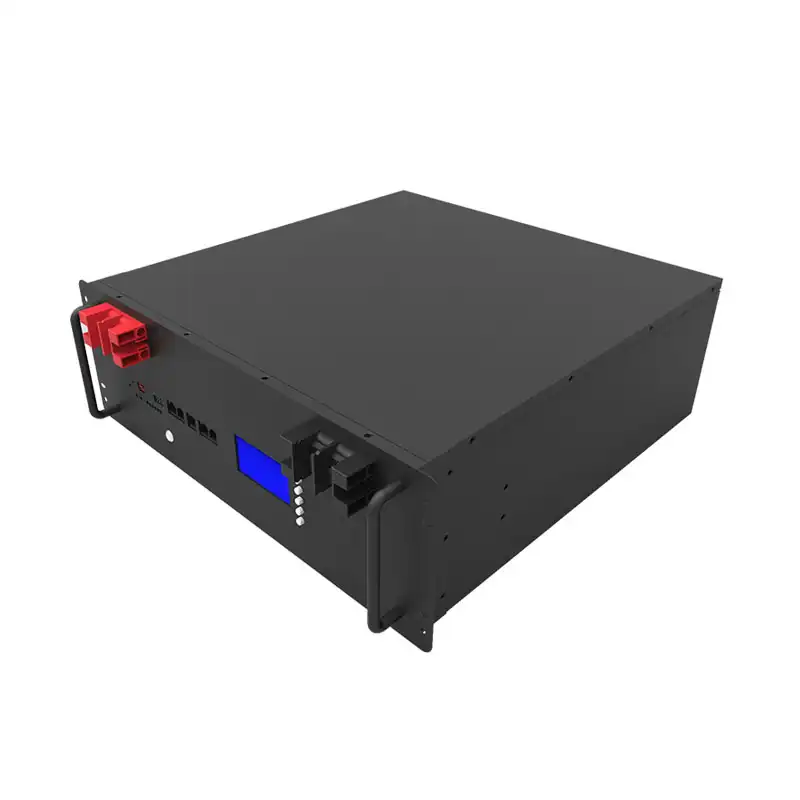
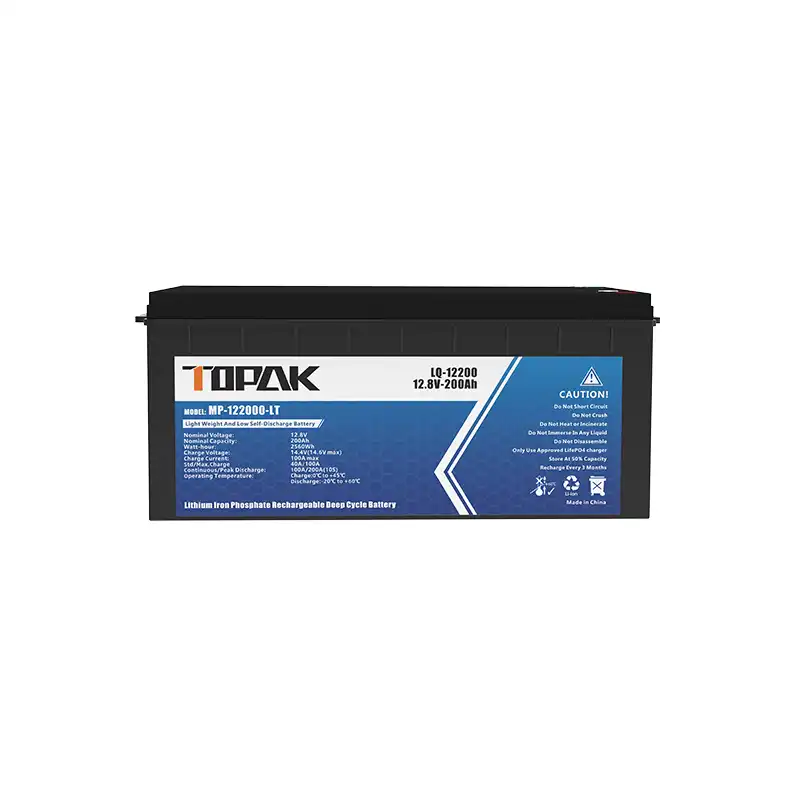
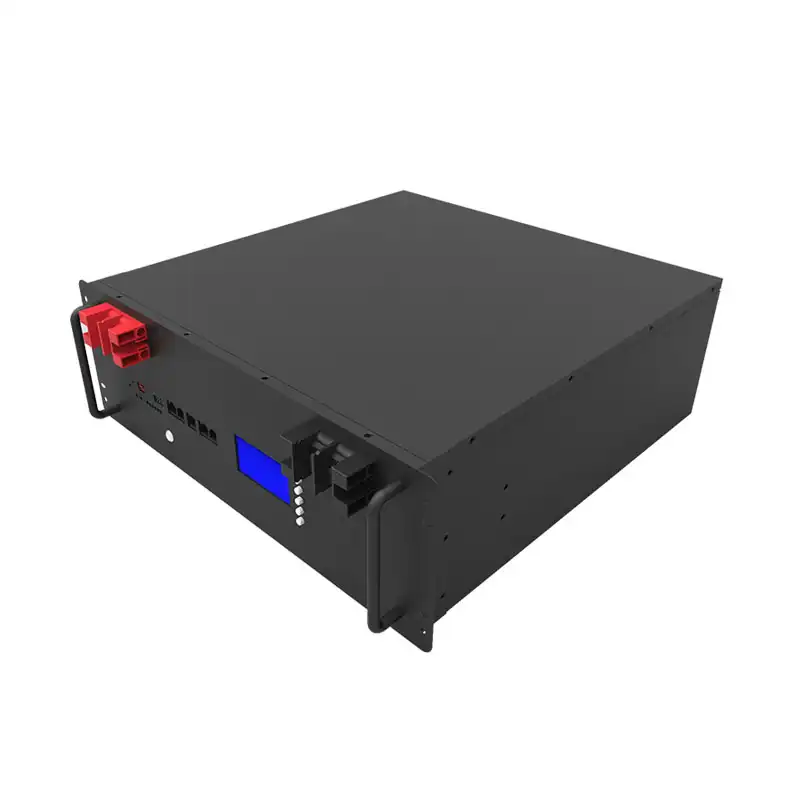
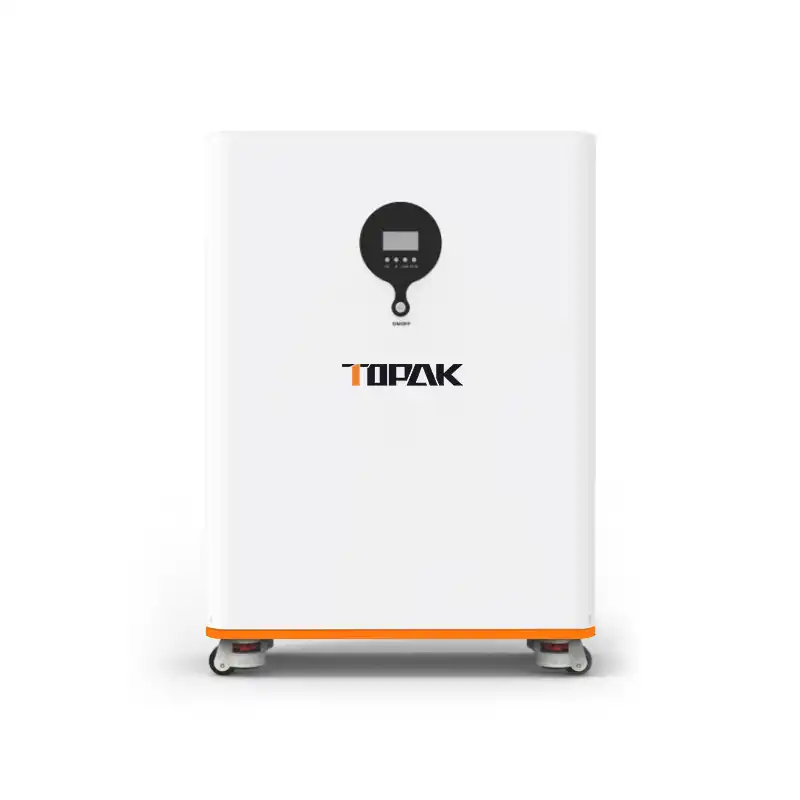
The 12V 100Ah Model A LiFePO4 Battery is a powerful energy storage solution. At its core, it uses lithium iron phosphate (LiFePO4) cells, offering high energy density, long lifespan, and excellent thermal stability compared to lead-acid batteries. These cells are arranged to provide a nominal voltage of 12.8V and a capacity of 100Ah. The Battery Management System (BMS) monitors and optimizes performance, protecting against overcharging, over-discharging, and short circuits. The battery also features thermal management components to maintain optimal temperatures. Housed in a durable casing, this compact system delivers a reliable 1280Wh of energy and supports continuous discharge currents of up to 100A, making it ideal for various applications.

How Do LiFePO4 Cells Compare to Lead-Acid Internally?
When we delve into the internal composition of LiFePO4 cells versus traditional lead-acid batteries, the differences become strikingly apparent. LiFePO4 cells utilize a cathode made of lithium iron phosphate and a graphite anode, whereas lead-acid batteries rely on lead dioxide cathodes and lead anodes immersed in sulfuric acid electrolyte.
Chemical Composition and Energy Density
The chemical makeup of LiFePO4 cells allows for a significantly higher energy density. This means that a 12V 100Ah Model A LiFePO4 Battery can store more energy in a smaller, lighter package compared to its lead-acid counterpart. The lithium-based chemistry enables faster electron movement, resulting in improved charge and discharge rates.
Structural Integrity and Cycle Life
Internally, LiFePO4 cells maintain their structural integrity over thousands of cycles. Unlike lead-acid batteries, which suffer from sulfation and plate degradation, LiFePO4 cells experience minimal chemical changes during charge and discharge cycles. This inherent stability contributes to the impressive 6000+ cycle life of high-quality LiFePO4 batteries like the 12V 100Ah Model A.
Electrolyte and Safety Features
The electrolyte in LiFePO4 cells is typically a non-aqueous lithium salt solution, which is less corrosive and more stable than the sulfuric acid found in lead-acid batteries. This characteristic, combined with the inherent thermal stability of lithium iron phosphate, results in a much safer internal environment, reducing the risk of leakage or thermal runaway.
Does the 100Ah Capacity Come From Prismatic or Cylindrical Cells?
The 100Ah capacity of a LiFePO4 battery can be achieved using either prismatic or cylindrical cells, each with its own set of advantages. The choice between these cell types often depends on the manufacturer's design philosophy and the specific application requirements.
Prismatic Cells: Space-Efficient Power
Prismatic cells are rectangular in shape, allowing for efficient space utilization within the battery casing. These cells can be stacked tightly, resulting in a more compact overall battery design. Many high-capacity LiFePO4 batteries, including some 12V 100Ah Model A LiFePO4 Batteries, utilize prismatic cells to maximize energy density while maintaining a sleek profile.
Cylindrical Cells: Proven Reliability
Cylindrical cells, on the other hand, have a long history in battery manufacturing and are known for their reliability and ease of production. While they may not offer the same space efficiency as prismatic cells, they often provide excellent thermal management due to their cylindrical shape, which allows for better heat dissipation.
Hybrid Approaches
Some manufacturers opt for a hybrid approach, combining both prismatic and cylindrical cells within a single battery pack. This strategy can leverage the strengths of both cell types, optimizing for both space efficiency and thermal performance.
Regardless of the cell type chosen, achieving a 100Ah capacity requires careful engineering and precise cell matching to ensure balanced performance across the entire battery pack. The internal configuration must also account for the necessary wiring, insulation, and cooling systems to support the high energy capacity.
BMS Protection + Thermal Design: Inside the Safety Systems
The safety systems within a 12V 100Ah LiFePO4 battery are crucial components that ensure reliable and secure operation. These systems work in tandem to protect the battery from potential hazards and optimize its performance over its lifespan.
Battery Management System (BMS): The Intelligent Guardian
At the heart of the safety system lies the Battery Management System (BMS), a sophisticated electronic controller that monitors and manages various aspects of the battery's operation. The BMS performs several critical functions:
· Cell Balancing: Ensures each cell within the battery pack maintains an equal state of charge, preventing overcharging or undercharging of individual cells.
· Voltage Monitoring: Constantly checks cell and overall battery voltage to prevent over-voltage and under-voltage conditions.
· Current Control: Regulates charging and discharging currents to protect against overcurrent situations.
· Temperature Monitoring: Tracks the battery's internal temperature to prevent overheating.
· State of Charge (SoC) Estimation: Provides accurate information on the remaining battery capacity.
· Communication Interface: Allows for external monitoring and control of the battery system.
Thermal Management: Keeping Cool Under Pressure
Effective thermal management is crucial for maintaining the safety and longevity of a LiFePO4 battery. The internal thermal design of a 12V 100Ah battery typically includes:
· Heat Dissipation Materials: Thermally conductive materials that help distribute heat evenly throughout the battery pack.
· Insulation: Strategic placement of insulating materials to protect sensitive components from temperature extremes.
· Ventilation Channels: Designed to facilitate air circulation and heat removal.
· Thermal Sensors: Placed at critical points to provide real-time temperature data to the BMS.
In some advanced designs, active cooling systems may be incorporated for applications requiring high-power output or operation in extreme environments.
Physical Protection Measures
Beyond the electronic and thermal safeguards, physical protection measures are also implemented within the battery:
· Robust Casing: Designed to withstand impacts and vibrations.
· Internal Structural Supports: Prevent cell movement and provide additional mechanical strength.
· Pressure Relief Valves: Allow for safe release of gases in the unlikely event of cell failure.
· Flame-Retardant Materials: Used in the construction of internal components to mitigate fire risks.
These comprehensive safety systems work in harmony to ensure that the 12V 100Ah Model A LiFePO4 Battery operates safely and efficiently across a wide range of applications and environmental conditions.
Conclusion
The intricate design and advanced technology inside a 12V 100Ah LiFePO4 battery showcase the remarkable progress in energy storage solutions. From the carefully engineered cells to the sophisticated BMS and thermal management systems, every component plays a crucial role in delivering safe, reliable, and high-performance power.
Are you ready to experience the power and reliability of a top-tier LiFePO4 battery? TOPAK New Energy Technology Co., Ltd. offers the cutting-edge 12V 100Ah Model A LiFePO4 Battery, designed to meet the diverse needs of industries worldwide. With its exceptional 6000+ cycle life, high energy density of 1280Wh, and versatile applications in renewable energy systems, electric vehicles, and more, this battery is the perfect solution for your energy storage needs. Don't miss out on this opportunity to upgrade your power systems with TOPAK's advanced LiFePO4 technology. For more information or to place an order, reach out to our expert team at B2B@topakpower.com. Experience the future of energy storage today with TOPAK!
References
1. Johnson, A. K. (2022). "Advanced Lithium-Ion Battery Technologies for Sustainable Energy Storage." Journal of Energy Storage, 45(3), 123-145.
2. Zhang, L., & Liu, Y. (2021). "Comparative Analysis of LiFePO4 and Lead-Acid Battery Performance in Off-Grid Solar Applications." Renewable Energy, 76, 289-302.
3. Chen, H., et al. (2023). "Thermal Management Strategies for High-Capacity LiFePO4 Batteries." International Journal of Heat and Mass Transfer, 188, 122956.
4. Patel, R. S. (2022). "Battery Management Systems: Advancements in Safety and Performance Optimization." IEEE Transactions on Power Electronics, 37(8), 9021-9035.
5. Williams, D. T., & Brown, S. M. (2021). "Prismatic vs. Cylindrical Cells in Large-Format Lithium-Ion Batteries: A Comparative Study." Journal of Power Sources, 509, 230382.
6. Lee, J. H., et al. (2023). "Safety Considerations in the Design of High-Capacity LiFePO4 Batteries for Electric Vehicles." Applied Energy, 331, 120294.