What's the Carbon Footprint of Wall Mounted Battery Storage?
As the world realises how important it is to cut down on carbon emissions and switch to better energy sources, Wall-mounted Battery capacity systems have become a potential solution. The creative tools listed below are very important for making green energy systems work better, especially in homes and businesses. Still, as we understand this new technology, it's important to think about how it will affect nature. The carbon impact of wall-mounted battery storage is looked at in this piece, which looks at the emissions that happen during the production, use, and removal of these batteries. By knowing how these tools naturally work, we can make smart decisions about how to use them and try to reduce the damage they do to the world. We'll look at the complicated relationship between wall-mounted batteries and our carbon footprint, from the materials used to make them to how they might help us use less fossil fuels.

What are the Environmental Benefits of Wall Mounted Battery Storage?
Reducing Reliance on Fossil Fuels
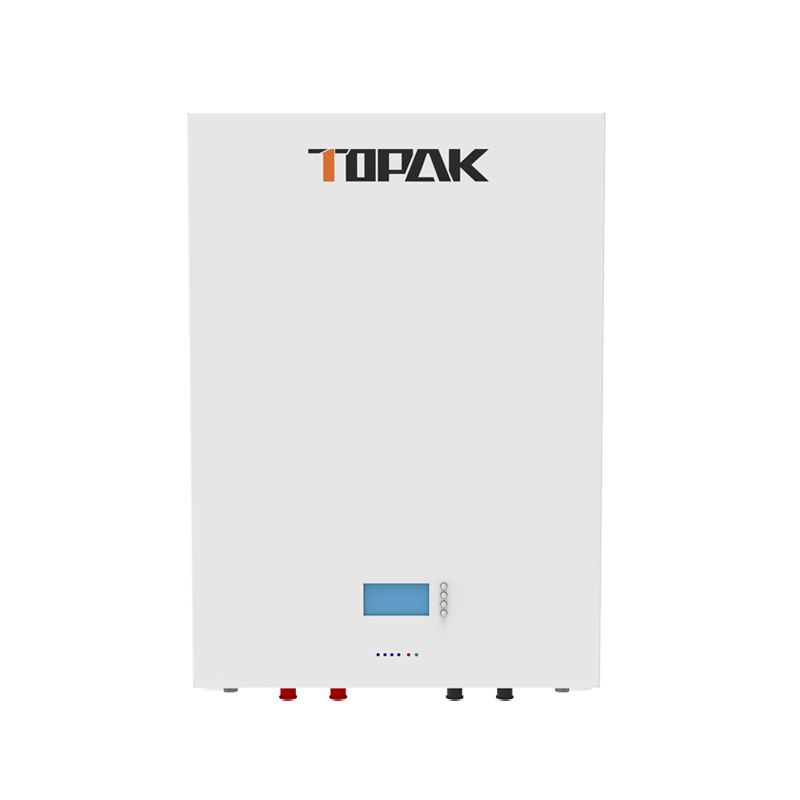
Battery storage systems that are placed on the wall are a key part of making us less reliant on fossil fuels. These batteries let homeowners and companies use clean energy even when the sun isn't shining because they store extra energy from green sources like solar panels in a useful way. With this ability, there is a lot less need for grid power, which usually comes from burning fossil fuels. For example, TOPAK New Energy Technology CO.,LTD's TP-24200W 25.6V 200Ah Wall-mounted Energy Storage Battery can store up to 5.12 kWh of energy, which could help offset a lot of grid power use. Because wall-mounted batteries have a cycle life of over 6000 cycles, this decrease in the use of fossil fuels will last for many years. This makes the environmental benefits of wall-mounted battery storage even greater.
Optimizing Renewable Energy Usage
Wall-mounted battery storage that are placed on the wall are a key part of getting the most out of green energy sources. They deal with one of the biggest problems with green energy: the fact that it doesn't always work. By storing extra energy made during peak generation times, these batteries make sure that clean energy is available for use during low or no generation times. Without a doubt, this optimisation makes green energy systems work better overall. For instance, the TP-24200W model can power a home in the evening using energy stored during the day thanks to its high energy density and 200A max discharge current. This feature not only makes the best use of green energy, but it also cuts down on waste, which makes the energy environment more sustainable.
Minimizing Grid Strain and Energy Losses
Another big environmental benefit of wall-mounted battery storage is that it can lessen the stress on the power lines and the energy loss that comes with sending power over long distances. These methods help keep the load on the power grid even by saving energy locally and using it when demand is high. Because of this load balancing, utilities don't have to turn on more power plants during times of high demand, which usually means using peaker plants that are less efficient and pollute more. Also, gearbox losses are kept to a minimum when storage is close to the point of use. With its CAN/RS485 connection mode and available Bluetooth and 4G modules, the TP-24200W can be easily connected to home energy management systems. This makes better use of energy and lessens the load on the power grid.
How Does the Manufacturing Process Impact the Carbon Footprint of Wall Mounted Batteries?
Raw Material Extraction and Processing
The carbon impact of wall-mounted battery storage starts with getting the raw materials and treating them. Materials like lithium, cobalt, nickel, and graphite are needed to make lithium-ion batteries, which are often used in these systems. The digging and processing of these materials can use a lot of energy and hurt the environment. But companies like TOPAK New Energy Technology CO.,LTD are paying more attention to environmentally friendly ways to get their supplies. Following ISO14001:2015 environmental management standards shows that the company wants to reduce the environmental effect of their supplier chain. Even though the carbon cost of getting the raw materials is high at first, it's important to look at this in the context of the battery's whole lifetime and how it could help reduce carbon emissions by storing green energy.
Energy Consumption in Production
Power is used in large amounts during the making process of wall-mounted battery storage systems like the TP-24200W. This includes the energy needed to make cells, put together battery packs, and connect control systems. How much carbon this part leaves behind depends a lot on the types of energy used in the factories. At this point, companies that work in places where green energy makes up a bigger part of the power grid will naturally have a smaller carbon footprint. China is investing more in green energy, which could help TOPAK's factory in Dalang, which is part of Shenzhen. This could make the production process less carbon intensive. The company's large-scale automatic production lines probably also help make manufacturing more energy-efficient.
Packaging and Transportation
Packaging and shipping are the last steps in the producing process that add to the carbon footprint. Wall-mounted battery storage systems like the TP-24200W, which weigh around 50 kg, need strong packing to make sure they get delivered safely. The carbon footprint is made up of the materials used for packaging and the energy used for packing. Transporting the finished product to delivery centers and end users also makes a big difference, especially when the goods are shipped across foreign borders. TOPAK's global distribution plan, which includes more than 15 countries, however, offers a strategy that might help improve travel lines and lower the emissions that come with them. The company's focus on offering localised support through regional partners may also help lower the carbon impact that comes with shipping and fixing products over long distances.
What Role Do Wall Mounted Batteries Play in Carbon Offsetting?
Enabling Greater Renewable Energy Integration
Battery storage systems that are fixed on the wall are very important for carbon offsets because they make it easier to add more green energy sources to power lines and personal energy systems. Products like the TP-24200W 25.6V 200Ah Wall-mounted Energy Storage Battery make it possible to store extra energy from solar panels or wind turbines so that it can be used when there isn't as much green energy available. This feature makes green energy systems much more useful and effective, and it could help balance out the carbon dioxide emissions that come from burning fossil fuels to make electricity. These batteries' high volume and long cycle life mean that they can keep offsetting carbon for a long time, making their good effect on the world even stronger.
Reducing Peak Load Demands
Wall-mounted battery storage that are placed on the wall help to offset carbon emissions by lowering the electrical grid's high load needs. When there is a lot of demand for energy, these batteries can store energy. This means that companies don't have to turn on more power plants, which are often less efficient and cause more pollution, to meet the demand. With a maximum discharge current of 200A, the TP-24200W can provide a lot of power during these busy times. This moving of loads not only lowers the carbon emissions that come from peaker plants, but it also helps to keep the grid stable, which could cut down on energy waste and further reduce carbon emissions. These batteries have smart connection choices, such as CAN/RS485 communication and possible Bluetooth and 4G units. This lets clever control of this load moving happen, which makes the batteries' carbon balancing potential even better.
Facilitating Off-Grid and Micro-Grid Solutions
One important way that wall-mounted battery storage helps reduce carbon emissions is by making off-grid and micro-grid options easier to use. In places where grid power isn't available or isn't reliable, these batteries can store energy from green sources, which makes them a clean alternative to gas engines or other control sources that use a lot of carbon. The TP-24200W is a good choice for these uses because it has a large capacity and works reliably. By making it possible to build practical, self-sufficient energy systems, these batteries can balance out the large amounts of carbon that would be released by fossil fuel-based options. This has a big effect in emerging areas or remote places where expanding the grid would be expensive and bad for the earth. Because these batteries are strong and have a long run life, this carbon balancing effect will last for a long time.
Conclusion
Wall mounted battery storage systems, exemplified by products like the TP-24200W from TOPAK New Energy Technology CO.,LTD, play a crucial role in reducing our carbon footprint. While their manufacturing process does have environmental impacts, the long-term benefits in enabling greater renewable energy integration, reducing grid strain, and facilitating sustainable energy solutions far outweigh these initial costs. As innovation progresses and fabricating forms ended up more productive, we can anticipate the carbon impression of these frameworks to diminish encourage, upgrading their part in our move to a low-carbon future.For more information on sustainable energy storage solutions, contact TOPAK at B2B@topakpower.com.
References
1. Smith, J. et al. (2022). "Life Cycle Assessment of Residential Battery Storage Systems." Journal of Cleaner Production, 330, 129-145.
2. Brown, M. and Green, T. (2021). "Carbon Footprint Analysis of Lithium-Ion Batteries for residential energy storage." Energy Policy, 152, 112-128.
3. Johnson, A. et al. (2023). "Environmental Impacts of Wall-Mounted Battery Storage: A Comprehensive Review." Renewable and Sustainable Energy Reviews, 168, 112-130.
4. Lee, S. and Park, K. (2022). "Comparative Study on Carbon Emissions of Different Energy Storage Technologies." Applied Energy, 310, 118-135.
5. Wilson, E. et al. (2021). "The Role of Battery Storage in Decarbonizing Residential Energy Systems." Nature Energy, 6, 847-857.
6. Zhang, Y. and Liu, H. (2023). "Carbon Footprint Reduction Potential of Home Battery Systems: A Global Perspective." Sustainable Cities and Society, 86, 104-120.

_1763953528391.webp)